Category: Beauty & Skincare

  • Powder Sunscreen

    Powder Sunscreen

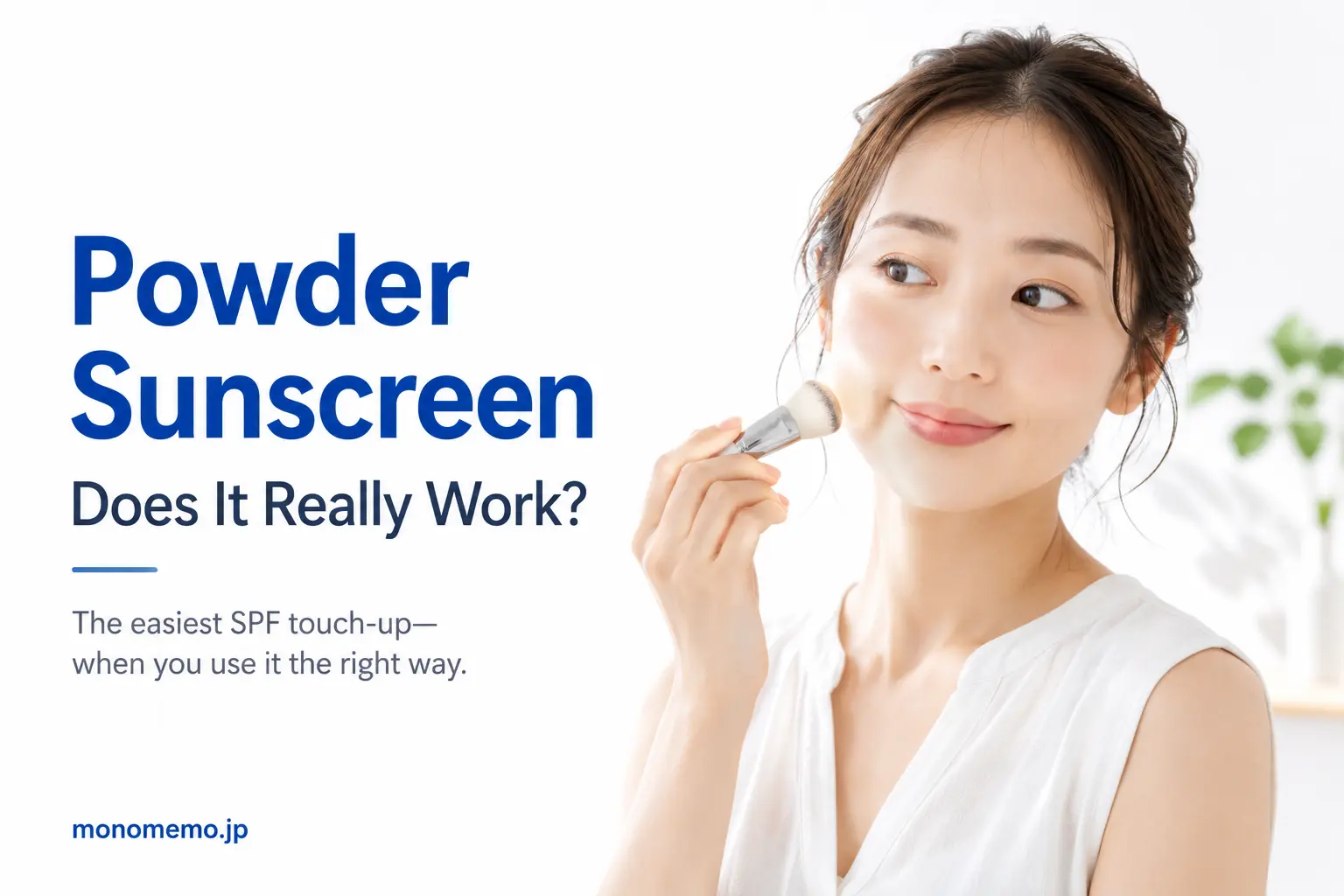
    Powder Sunscreen: Can It Really Protect Your Skin?

    A practical guide to powder SPF for oily skin, makeup touch-ups, and daytime shine control.

    Powder sunscreen is convenient, but it has one important limitation: most people apply far less powder than the amount used to measure the SPF on the label.

    Quick answer

    Use a cream, lotion, gel, or milk sunscreen as your main morning protection.

    Use powder sunscreen as an extra layer over makeup or when you want to reduce shine during the day.

    What is powder sunscreen?

    Powder sunscreen is a loose or pressed powder that contains UV filters. It is applied with a brush, puff, or compact sponge.

    It can make oily skin look less shiny and is easier to apply over makeup than many liquid sunscreens. The trade-off is that it is difficult to apply a thick, even layer.

    Powder SPF is best treated as a touch-up product not your only sunscreen.

    What powder sunscreen is good at

    Reducing shinePowder can absorb oil and refresh a greasy-looking finish.
    Touching up over makeupIt is less likely to disturb foundation than rubbing on another cream layer.
    Improving makeup finishSome powders blur pores and create a soft-matte look.
    Adding extra UV supportIt may provide some additional protection when applied evenly.

    Where it falls short

    • It is difficult to apply enough product for the full labeled SPF.
    • Powder can wear off easily with sweat, rubbing, and wind.
    • It may cling to dry patches or make dehydrated skin look more textured.
    • It is not the best choice for swimming, sports, or long outdoor exposure.

    How to use powder sunscreen more effectively

    • Apply a full layer of regular sunscreen in the morning.
    • Press powder onto the skin instead of lightly dusting it once.
    • Cover all exposed areas evenly, including the hairline and sides of the face.
    • Reapply after sweating or wiping your face.
    • Use a water-resistant liquid sunscreen for sports, beaches, and long outdoor days.

    Three Japanese powder SPF products to consider

    These products are most useful for touch-ups and oil control. They should not replace your main sunscreen layer.

    Best for higher-SPF touch-ups

    Anessa Perfect UV Sunscreen Powder SPF50+ PA++++
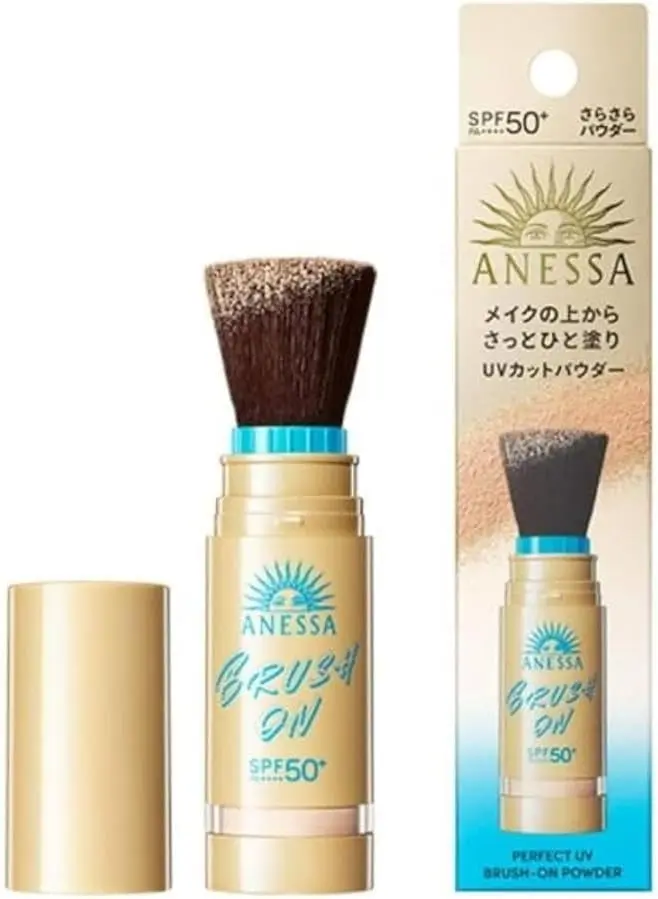
    Anessa Perfect UV Sunscreen Powder SPF50 plus compact

    Best for: Oily skin and daytime shine control

    This compact combines a high labeled SPF with a lightweight powder finish. It is easiest to use for touch-ups when your skin becomes shiny during the day.

    Keep in mind: A powder layer is usually much thinner than the amount used in SPF testing, so do not rely on it as your only sunscreen.

    Check price on Amazon Japan
    Best makeup-finish option

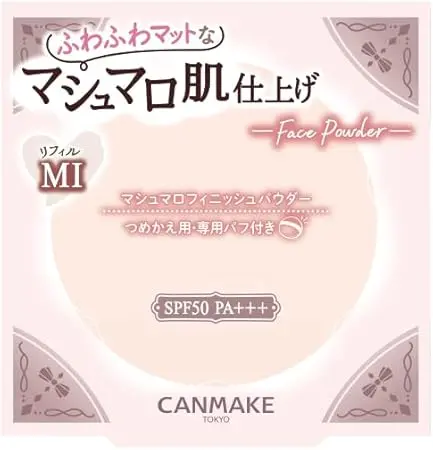
    CANMAKE Marshmallow Finish Powder

    CANMAKE Marshmallow Finish Powder compact with SPF

    Best for: Soft-matte makeup, visible shine, and light daytime touch-ups

    This is mainly a finishing powder with added UV protection. It gives a smoother, more matte look and can be useful when you want to reduce shine without disturbing makeup.

    Keep in mind: Treat the SPF as extra support, not as your main morning sunscreen.

    Check price on Amazon Japan
    Best for easily irritated skin

    Ihada Medicated Protect Powder SPF40 PA++++
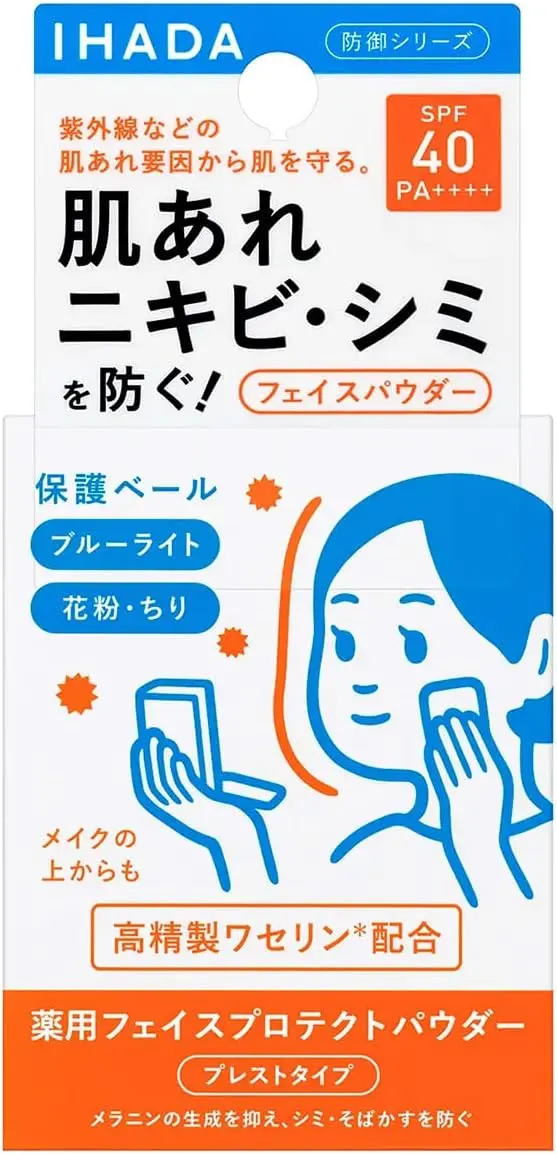
    Ihada Medicated Protect Powder SPF40 PA plus plus plus plus compact

    Best for: Sensitive, acne-prone, or easily irritated skin

    This powder is designed for people who want a lighter, low-fuss finish. It may suit skin that dislikes heavy or greasy sunscreens.

    Keep in mind: “Medicated” in Japan refers to a regulated quasi-drug claim. It does not mean the powder treats acne or a medical skin condition.

    Check price on Amazon Japan

    Who may like powder sunscreen?

    Powder SPF may be useful if you have oily skin, wear makeup, or avoid reapplying sunscreen because liquid products feel too messy.

    It may be less comfortable if your skin is very dry, flaky, or irritated.

    Common questions

    Can powder sunscreen replace regular sunscreen?

    No. Use a cream, lotion, gel, or milk sunscreen as your main morning layer. Powder works best as an extra touch-up.

    How much powder sunscreen should I apply?

    Apply an even, visible layer rather than a quick light dusting. Even then, it may provide less protection than the label suggests in real-world use.

    Can I use powder sunscreen over makeup?

    Yes. Press or tap it onto the skin gently instead of rubbing, which can move makeup underneath.

    Is powder sunscreen good for oily skin?

    It can help reduce shine and feel lighter than cream sunscreen, but it should not be your only UV protection.

    Is powder sunscreen suitable for sensitive skin?

    Some formulas may be comfortable, but any powder can irritate if the skin is very dry or if you rub too hard.

    The MonoMemo Take

    Powder sunscreen is convenient, but convenience is not the same as complete protection.

    Use it to reduce shine and add a little extra coverage over makeup. Keep a regular sunscreen as the foundation of your UV routine.

    Sources

    • General dermatology and sunscreen guidance on SPF application and reapplication
    • Official manufacturer and retailer pages for product claims and directions

    This article is for general skincare education and does not replace medical advice.

    Affiliate disclaimer: This post contains affiliate links. MonoMemo may earn a small commission if you purchase through them, at no extra cost to you.
  • Face Wash

    Face Wash

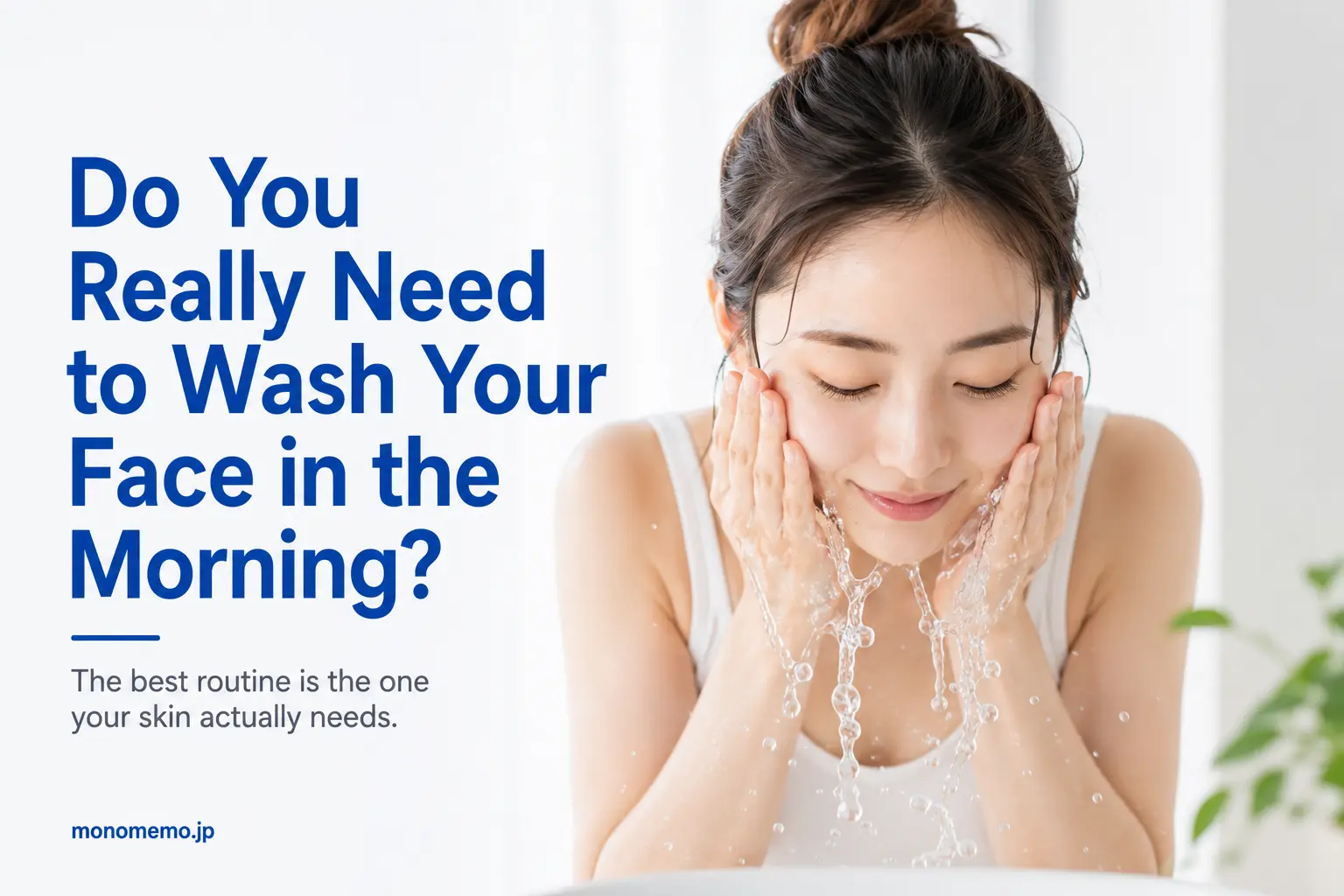
    Do You Need to Wash Your Face in the Morning?

    A simple guide to deciding between water only and a gentle cleanser.

    Not everyone needs cleanser in the morning. Your skin should decide not a fixed rule.

    Quick answer

    Use a gentle cleanser if you wake up oily, sweaty, or with a heavy layer of overnight skincare.

    Use water only if your skin feels dry, comfortable, or tight after cleansing.

    When cleanser makes sense

    You wake up oily A mild cleanser can remove excess oil and help sunscreen or makeup sit more evenly.
    You sweat during the night Cleansing may feel more comfortable after hot weather, exercise, or a warm bedroom.
    You use rich night products A heavy cream or sleeping mask may leave residue that water alone does not remove well.
    You are acne-prone A gentle wash may help when oil and overnight products tend to feel congesting.

    When water may be enough

    Your skin is dry or sensitive Skipping cleanser may reduce tightness and discomfort.
    Your skin feels clean in the morning There is no need to cleanse again just because it is morning.
    You feel tight after washing Your cleanser may be too strong, or twice-daily cleansing may be too much.
    Your barrier feels irritated A shorter routine can be helpful while the skin recovers.
    The goal is not to make your face feel squeaky clean. Morning cleansing should leave your skin comfortable, not tight.

    A simple morning test

    • Wake up and notice how your skin feels before washing.
    • If it feels comfortable, try lukewarm water only.
    • If it feels oily or coated, use a small amount of gentle cleanser.
    • Watch how your skin feels 10–15 minutes later.
    • Choose the method that leaves less tightness, redness, and discomfort.

    Three gentle cleansers to consider

    You do not need to use cleanser every morning. These are options for the days when water alone does not feel like enough.

    Best for dry, sensitive skin

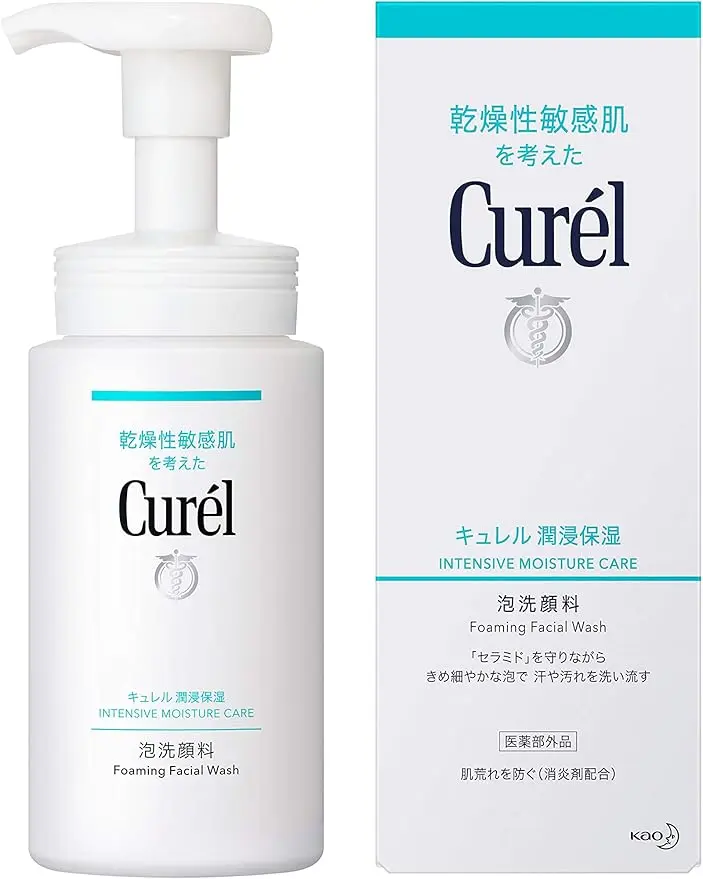
    Curél Foaming Face Wash

    Curel Foaming Face Wash for dry sensitive skin

    Best for: Dry, sensitive, or tight-feeling skin

    This foam is easy to spread without rubbing much. It is a practical option when you want a quick wash but dislike a stripped feeling.

    Keep in mind: Even a gentle cleanser may be unnecessary every morning if your skin already feels comfortable.

    Check price on Amazon Japan
    Best for oilier skin

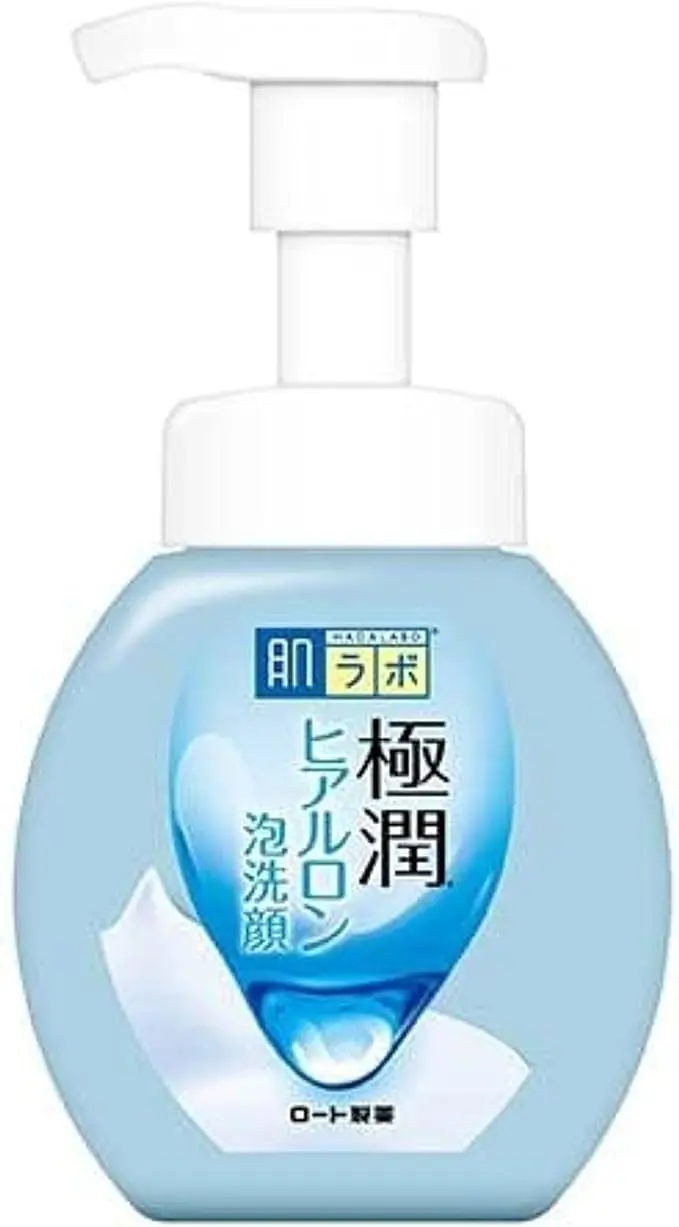
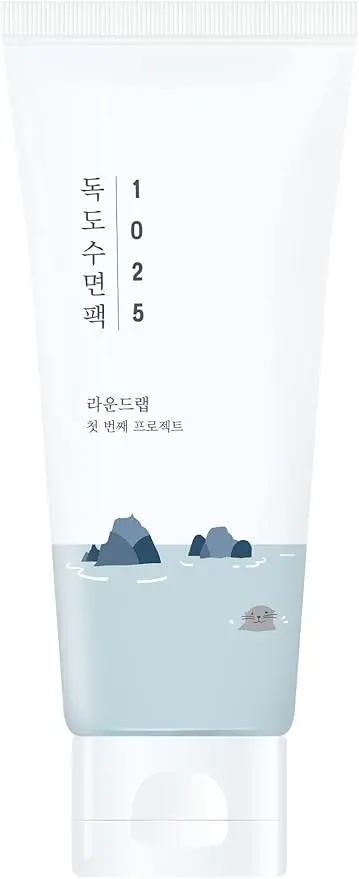
    Round Lab 1025 Dokdo Cleanser

    Round Lab 1025 Dokdo Cleanser

    Best for: Oily, combination, or acne-prone skin

    This cleanser gives a fresher finish and may suit people who wake up with noticeable oil or sweat.

    Keep in mind: Acne-prone skin still does not need harsh scrubbing or an overly strong cleanser.

    Check price on Amazon Japan

    What if your skin still feels tight?

    Tightness after cleansing is a sign that your routine may be too drying. Try less cleanser, shorter contact time, cooler water, or water only in the morning.

    If your skin burns, cracks, peels, or stays irritated, simplify your routine and consider seeing a dermatologist.

    Common questions

    Can I rinse with water only in the morning?

    Yes. This often works well for dry, sensitive, or comfortable-feeling skin.

    Should I cleanse after using a rich night cream?

    Use a mild cleanser if the cream leaves a heavy or greasy layer. Water may still be enough if your skin feels comfortable.

    Can skipping cleanser help my skin barrier?

    For some people, yes. Reducing unnecessary cleansing may lower dryness and irritation.

    Do oily skin types always need morning cleanser?

    Not always, but many people with oily skin feel more comfortable after a gentle wash.

    Should I use cold or hot water?

    Use lukewarm water. Very hot water can make dryness and irritation worse.

    The MonoMemo Take

    Morning cleansing is not a rule you have to follow every day.

    Use cleanser when your skin feels oily, sweaty, or coated. Use water when your skin already feels clean and comfortable.

    Sources

    • General dermatology guidance on gentle cleansing and dry or sensitive skin
    • Official manufacturer and retailer pages for product claims and directions

    This article is for general skincare education and does not replace medical advice.

    Affiliate disclaimer: This post contains affiliate links. MonoMemo may earn a small commission if you purchase through them, at no extra cost to you.
  • Skin Barrier Repair

    Skin Barrier Repair

    How to Repair a Damaged Skin Barrier

    A simple routine for skin that suddenly feels tight, red, dry, or sensitive.

    When everything starts to sting, the answer is usually not another active ingredient. Your skin may need fewer products, gentler cleansing, and more consistent moisture.

    Quick answer

    Pause retinoids, exfoliating acids, scrubs, and harsh cleansers.

    Use a mild cleanser, a simple moisturizer, and sunscreen.

    Give your skin time before adding strong products back.

    What a “damaged skin barrier” usually means

    The outer layer of your skin helps hold water in and keep irritants out. When it is stressed, the skin may lose moisture more easily and react to products that used to feel fine.

    Common triggers include over-cleansing, strong exfoliation, frequent retinoid use, hot water, cold weather, dry indoor air, and mixing too many active ingredients.

    Barrier damage is not a formal diagnosis. Persistent redness, severe itching, swelling, cracking, or rash may be eczema, rosacea, contact dermatitis, or another condition that needs medical care.

    Signs your routine may be too harsh

    Products suddenly sting Even a familiar toner or moisturizer may feel uncomfortable.
    Your skin feels tight Tightness after cleansing often means your routine is too drying.
    You see flaking or rough patches Moisture loss can make the surface feel uneven.
    Redness lasts longer than usual Irritated skin may stay flushed after cleansing or product use.

    A simple barrier-support routine

    • Use lukewarm water and a mild cleanser only when needed.
    • Apply moisturizer while the skin is still slightly damp.
    • Choose fragrance-free or low-fragrance products when possible.
    • Use sunscreen every morning.
    • Pause strong actives until the skin feels calm again.
    You do not need a long routine. Cleanser, moisturizer, and sunscreen are often enough while irritated skin settles.

    Five Japanese and Korean products to consider

    You do not need all five. Choose one moisturizer first, then add a lotion or emulsion only if your skin still feels dry.

    Best simple Japanese moisturizer

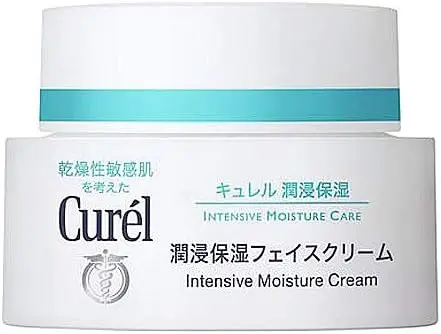
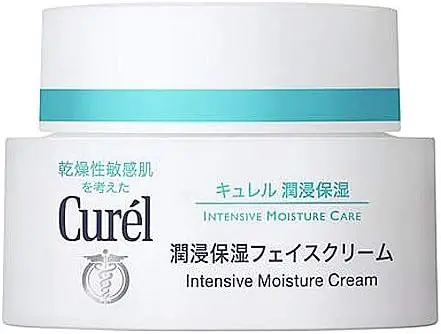
    Curél Intensive Moisture Cream

    Curel Intensive Moisture Cream for dry sensitive skin

    Best for: Dry, tight, sensitive-feeling skin

    This cream gives dry skin a more protected, comfortable feel without requiring a complicated routine.

    Keep in mind: It supports moisture and comfort, but it does not medically “repair” every cause of irritation.

    Check price on Amazon Japan
    Best for visible redness

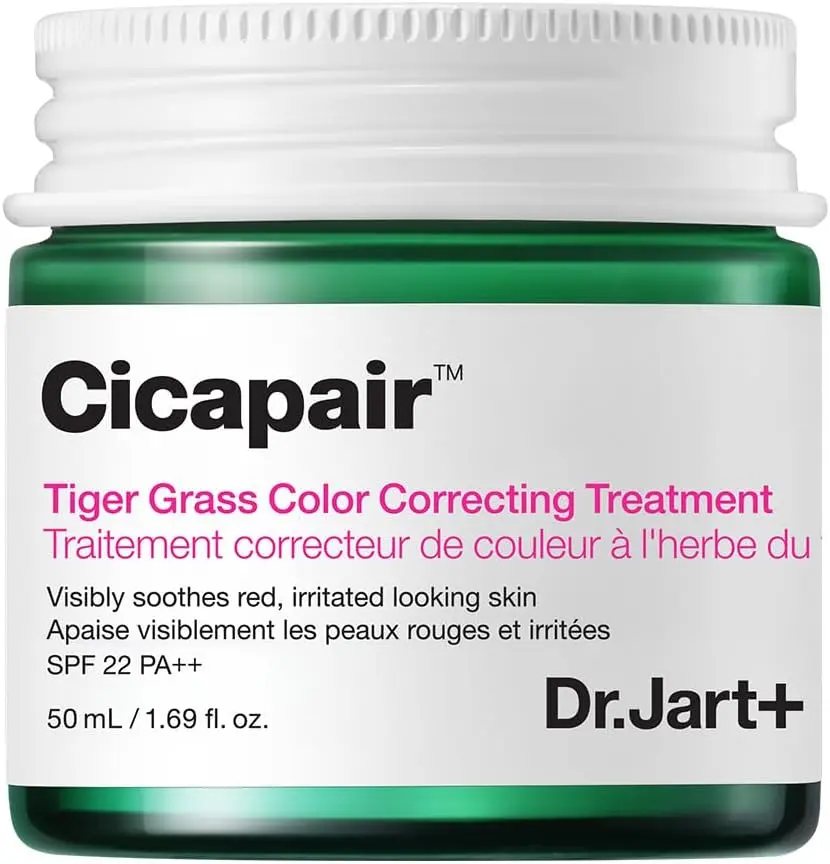
    Dr. Jart+ Cicapair Tiger Grass Cream

    Dr Jart Cicapair Tiger Grass Cream

    Best for: Redness and stressed-looking skin

    This richer cream may help the skin feel calmer and more protected when it looks red or easily irritated.

    Keep in mind: Persistent redness may be rosacea or dermatitis and should not be treated with skincare alone.

    Check price on Amazon Japan
    Best lightweight hydration step

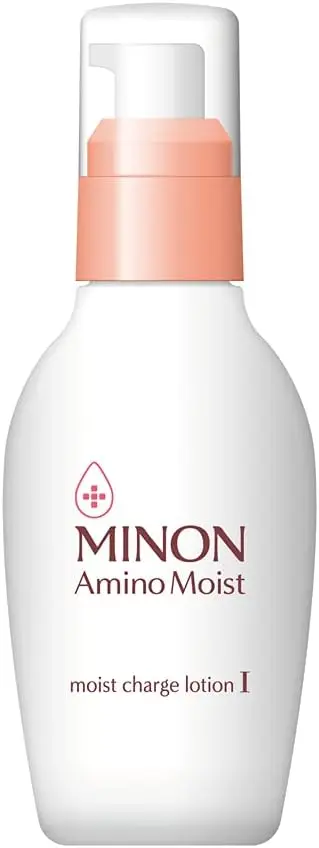
    Minon Amino Moist Charge Lotion

    Minon Amino Moist Charge Lotion

    Best for: Dehydrated skin that dislikes heavy creams

    This lotion adds a light layer of moisture before cream and may help skin feel less tight.

    Keep in mind: A lotion alone may not be enough if your skin is very dry. Follow with moisturizer.

    Check price on Amazon Japan
    Best Japanese emulsion

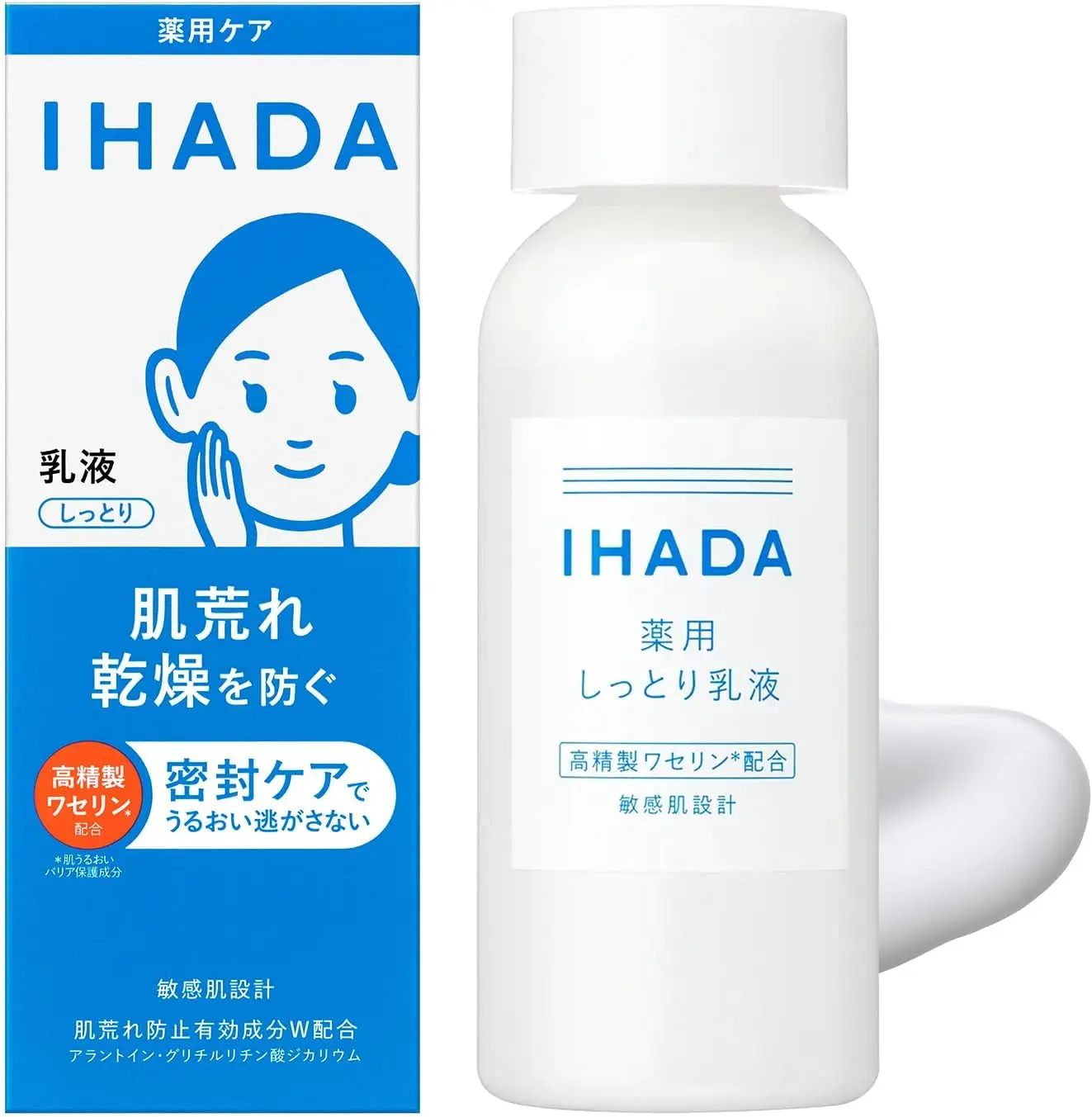
    IHADA Medicated Emulsion

    IHADA Medicated Emulsion for sensitive skin

    Best for: Rough, unstable, or easily irritated skin

    This emulsion offers a lighter alternative to a thick cream and may suit people who want moisture without a heavy finish.

    Keep in mind: “Medicated” in Japan refers to a regulated quasi-drug claim. It does not mean the product treats a diagnosed skin condition.

    Check price on Amazon Japan

    What to pause while your skin is irritated

    • Retinol, retinal, and strong acne treatments
    • AHA, BHA, PHA, and peeling products
    • Scrubs, cleansing brushes, and rough washcloths
    • Strong fragrance or essential oils
    • Hot water and long cleansing routines

    Add active ingredients back one at a time only after your skin feels calm and comfortable again.

    How long does recovery take?

    Mild irritation may improve within days after removing the trigger. More severe dryness or inflammation can take longer.

    Do not keep testing new products while your skin is still burning or peeling. Consistency is more useful than constantly changing the routine.

    Common questions

    How do I know if my skin barrier is damaged?

    Common signs include tightness, stinging, redness, flaking, and products suddenly feeling uncomfortable. These signs can also overlap with skin conditions, so persistent symptoms need medical advice.

    Can I use retinol while my skin is irritated?

    Pause it until your skin feels calm again. Restart slowly and use it less often at first.

    Do I need ceramides?

    No single ingredient is required. Ceramides can be useful, but a simple moisturizer that your skin tolerates is more important.

    Should I stop cleansing completely?

    Not necessarily. Use a mild cleanser when needed and avoid over-washing. Water alone may be enough in the morning for some people.

    When should I see a dermatologist?

    Seek medical advice if you have swelling, cracking, bleeding, severe itching, spreading rash, eye-area involvement, or symptoms that do not improve.

    The MonoMemo Take

    Skin barrier care is usually about subtraction, not addition.

    Remove the products that are causing stress, keep the routine simple, and let your skin become comfortable before you start chasing results again.

    Sources

    • General dermatology guidance on dry skin, moisturizers, irritant contact dermatitis, and gentle cleansing
    • Official manufacturer and retailer pages for product claims and directions

    This article is for general skincare education and does not replace medical advice.

    Affiliate disclaimer: This post contains affiliate links. MonoMemo may earn a small commission if you purchase through them, at no extra cost to you.
  • Alternatives to Botox

    Alternatives to Botox

    5 K-Beauty Alternatives to Botox for Firmer-Looking Skin

    Peptides, PDRN, and collagen-based skincare for smoother-looking fine lines without needles.

    No serum can relax facial muscles the way Botox does. But the right skincare can make dry fine lines look softer and help skin appear smoother, plumper, and more resilient.

    Quick answer

    Choose peptides for a smoother, firmer-looking finish.

    Choose PDRN products for hydration and a plumper appearance.

    Choose collagen or peptide serums when dryness makes fine lines look deeper.

    These products are not substitutes for medical Botox. They work on hydration, texture, and the appearance of fine lines not muscle movement.

    What skincare can realistically do

    Hydrate fine lines Better hydration can make dry lines look temporarily softer.
    Support smoother texture Peptides and moisturizing ingredients may improve how even and supple the skin looks.
    Improve the look of firmness Consistent moisture can make tired-looking skin appear bouncier.
    Add glow A well-hydrated surface reflects light more evenly and can look healthier.

    Five K-Beauty products to consider

    You do not need all five. Choose one product based on your main concern and use it consistently before adding anything else.

    Best peptide-focused option

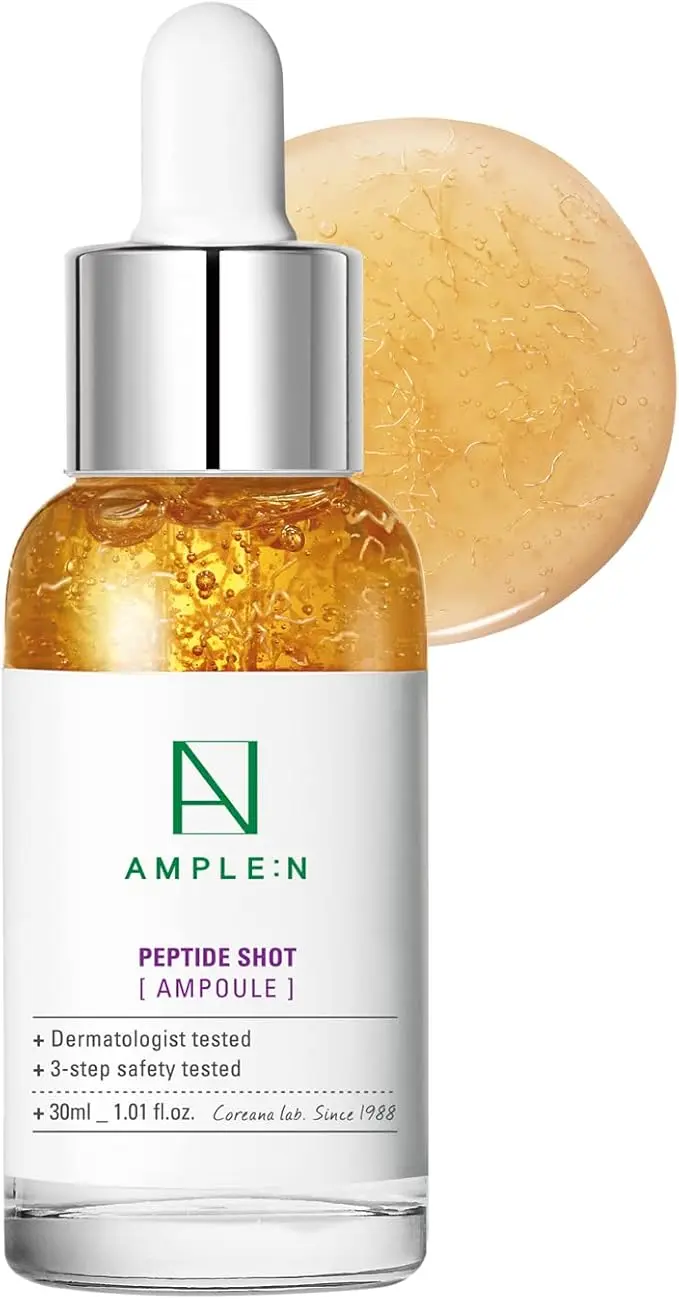
    AMPLE:N Peptide Shot Ampoule

    AMPLE N Peptide Shot Ampoule for smoother-looking skin

    Best for: Early fine lines and smoother-looking texture

    This peptide ampoule is a popular option for people who want a firmer-looking finish without starting a strong active.

    Keep in mind: It will not stop expression lines caused by facial movement.

    Check price on Amazon Japan
    Best PDRN and peptide serum

    MEDICUBE PDRN Pink Peptide Serum

    MEDICUBE PDRN Pink Peptide Serum

    Best for: Plumpness, hydration, and tired-looking skin

    This serum combines PDRN-themed skincare with peptides for a more hydrated, bouncy appearance.

    Keep in mind: Topical PDRN skincare is not the same as injectable clinic treatments.

    Check price on Amazon Japan
    Best for glow and uneven tone

    NUMBUZIN No.5 Serum

    NUMBUZIN No 5 serum for dull uneven-looking skin

    Best for: Dullness, glow, and uneven-looking tone

    This serum is more useful for brightness and overall skin tone than for expression lines.

    Keep in mind: It is not a direct Botox alternative and should be chosen mainly for glow concerns.

    Check price on Amazon Japan
    Best skin-booster-inspired option

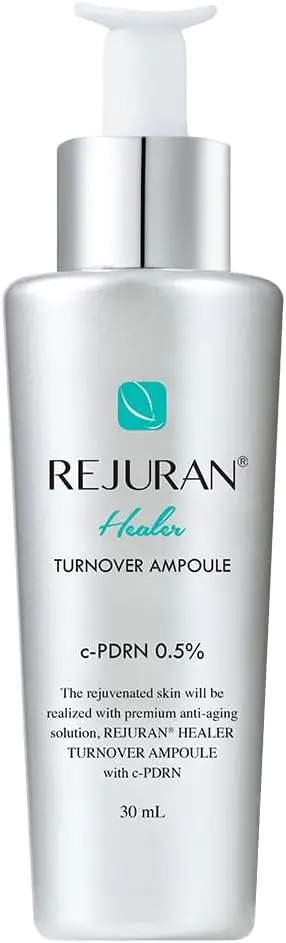
    REJURAN Turnover Ampoule

    REJURAN Turnover Ampoule

    Best for: Smoother-looking texture and elasticity

    This ampoule is inspired by Korean skin-booster trends and may suit people who want a more polished, hydrated surface.

    Keep in mind: A topical ampoule cannot reproduce injectable skin-booster results.

    Check price on Amazon Japan
    Best for dry, sensitive aging skin

    BIODANCE Collagen Peptide Serum

    BIODANCE Collagen Peptide Serum

    Best for: Dryness, softer-looking lines, and sensitive skin

    This serum focuses on hydration and a smoother, more cushioned finish rather than aggressive anti-aging.

    Keep in mind: Topical collagen mainly helps with surface hydration and does not replace lost collagen inside the skin.

    Check price on Amazon Japan

    Which type should you choose?

    • For early fine lines: Start with a peptide serum.
    • For dryness and flat-looking skin: Choose a hydrating PDRN or collagen-peptide formula.
    • For dullness: Choose a brightening serum instead of expecting a Botox-like effect.
    • For deeper expression lines: Skincare can soften the appearance, but it cannot stop muscle movement.

    Can skincare really replace Botox?

    No. Botox works by reducing muscle movement in targeted areas. Skincare does not work that way.

    A serum can improve hydration, texture, and the look of fine lines, but it cannot create the same result as an injectable treatment.

    Think “smoother-looking skin,” not “Botox in a bottle.”

    Common questions

    How long does it take to see results?

    Hydration and softness may improve within days. Changes in texture or firmness usually require several weeks of consistent use.

    Can these products help expression lines?

    They may make dry lines look softer, but they cannot stop the facial movement that creates expression lines.

    Can sensitive skin use peptide or PDRN serums?

    Often yes, but the full formula matters more than the headline ingredient. Patch-test and introduce one product at a time.

    Can I use these products with retinol?

    Usually yes. Introduce products slowly and separate them on different nights if your skin becomes irritated.

    Are topical PDRN products the same as PDRN injections?

    No. A cosmetic serum stays on the skin surface and cannot reproduce the effects of an injectable clinic treatment.

    The MonoMemo Take

    Skincare can make the skin look smoother, fresher, and more hydrated but it cannot relax facial muscles.

    Choose these products for gradual improvement in texture and plumpness, not as a medical replacement for Botox.

    Sources

    • General dermatology and cosmetic-science references on peptides, moisturizers, fine lines, and topical skincare
    • Official manufacturer and retailer pages for product claims and directions

    This article is for general skincare education and does not replace advice from a dermatologist or licensed medical professional.

    Affiliate disclaimer: This post contains affiliate links. MonoMemo may earn a small commission if you purchase through them, at no extra cost to you.
  • Skin Cycling

    Skin Cycling


    A Gentle 4-Night Skin Cycling Routine

    A sensitive-skin-friendly schedule built around mild exfoliation, treatment, hydration, and recovery.

    Skin cycling can make a routine easier to follow, but it is not a treatment by itself. The main benefit is spacing out stronger products so your skin gets recovery time.

    Quick answer

    Night 1: Gentle exfoliation

    Night 2: One treatment serum

    Night 3: Hydration

    Night 4: Barrier-focused recovery

    You do not have to use an active every cycle. If your skin feels irritated, skip directly to hydration and recovery nights.

    What skin cycling actually means

    Skin cycling is a schedule, not a special product category. Instead of layering several active ingredients every night, you separate them across different nights.

    This can be useful for people who tend to overuse exfoliants, vitamin C, retinoids, or acne treatments.

    The 4-night routine

    Night 1: Gentle exfoliationUse one mild exfoliating step only if your skin tolerates it.
    Night 2: TreatmentChoose one serum for brightness, acne, or early aging.
    Night 3: HydrationFocus on humectants and a simple moisturizer.
    Night 4: RecoveryUse a gentle cream and avoid extra actives.

    Who may benefit from this routine?

    • People who use too many actives at the same time
    • People who often experience dryness after exfoliation
    • Beginners who want a simple weekly structure
    • Sensitive skin types that need more recovery nights

    Four products to match the cycle

    You do not need to copy these exact products. The goal is to choose one gentle option for each step.

    Some links below are affiliate links. MonoMemo may earn a small commission if you buy through them, at no extra cost to you.

    Night 1 · Gentle exfoliation

    Cure Natural Aqua Gel

    Cure Natural Aqua Gel exfoliating product

    Best for: Rough texture and occasional surface exfoliation

    This gel is marketed as a gentle exfoliating option. Use light pressure and do not assume visible residue means only dead skin is being removed.

    Keep in mind: Rubbing can still irritate sensitive skin. Skip this step if your skin is already dry, red, or stinging.

    Check price on Amazon Japan
    Night 2 · Brightening treatment

    Melano CC Intensive Anti-Spot Essence

    Melano CC Intensive Anti Spot Essence vitamin C serum

    Best for: Dullness and uneven-looking tone

    This vitamin C product can be used as the treatment step when brightness is your main concern.

    Keep in mind: Vitamin C can still irritate some sensitive skin types. Start with a small amount.

    Check price on Amazon Japan
    Night 4 · Recovery

    Curél Intensive Moisture Cream

    Curel Intensive Moisture Cream

    Best for: Dry, sensitive, or easily irritated skin

    Recovery night is deliberately simple. Use a moisturizer that helps your skin feel comfortable and protected.

    Keep in mind: You can repeat recovery night more than once if your skin still feels stressed.

    Check price on Amazon Japan

    How to adjust the cycle

    • If your skin is very sensitive: Use one treatment night and three recovery nights.
    • If your skin is dry: Add moisturizer every night, not only on recovery night.
    • If your skin is oily: Keep the recovery cream lighter, but do not skip moisture completely.
    • If you use retinol: Replace Night 2 with retinol and keep the next two nights gentle.
    • If irritation appears: Stop the cycle and switch to a simple cleanser-moisturizer-sunscreen routine.

    Common mistakes

    • Using exfoliation and retinol in the same cycle before your skin is ready
    • Assuming every treatment night needs a strong active
    • Skipping moisturizer on exfoliation or treatment nights
    • Repeating the cycle even when the skin feels irritated
    • Adding too many products because the routine feels organized

    Common questions

    Can I use retinol in this routine?

    Yes. Use retinol as the treatment night instead of vitamin C. Beginners should start with one retinol night followed by extra recovery nights.

    Do I have to exfoliate every four nights?

    No. Sensitive or dry skin may only need exfoliation once every one or two weeks—or not at all.

    Can I repeat the cycle immediately?

    Yes, if your skin feels calm. If it feels tight, red, or sore, add more hydration and recovery nights first.

    Is skin cycling good for acne-prone skin?

    It can help reduce overuse of irritating products, but it is not an acne treatment. Persistent or painful acne may need a dermatologist.

    Can I use vitamin C in the morning instead?

    Yes. Vitamin C can be used in the morning under sunscreen. Your treatment night can then focus on another ingredient—or simply become another recovery night.

    The MonoMemo Take

    Skin cycling is useful when it makes your routine calmer and easier to follow.

    The schedule should serve your skin not force your skin to keep up with a schedule.

    Sources

    • General dermatology guidance on exfoliation, retinoids, vitamin C, moisturizers, and irritated skin
    • Official manufacturer and retailer pages for product claims and directions

    This article is for general skincare education and does not replace advice from a dermatologist.

    Affiliate disclaimer: This post contains affiliate links. MonoMemo may earn a small commission if you purchase through them, at no extra cost to you.
  • Moisturizer Before Makeup

    Moisturizer Before Makeup

    Moisturizer vs Pre-Makeup Skincare

    Why your everyday moisturizer may work beautifully at night but feel completely wrong under foundation.

    When foundation turns patchy, pills around the nose, or slides off by lunchtime, it is easy to blame the makeup. But sometimes the real issue is simply what is sitting underneath it.

    Quick answer

    There is no official product category called a “pre-makeup moisturizer.” It usually just means a moisturizer that is light, compatible with sunscreen and makeup, and comfortable in a thin layer.

    Your regular moisturizer can work perfectly well before makeup if the texture suits your skin and the products layered on top.

    The goal is not maximum moisture. The goal is enough moisture to keep makeup smooth, without leaving so much product on the skin that everything starts moving around.

    So, what is the real difference?

    Regular moisturizer

    Chosen mainly for skin comfort, dryness, and barrier support. It may be rich, protective, or slow to absorb and that can be exactly what dry skin needs.

    Moisturizer before makeup

    Chosen for how well it behaves under sunscreen, primer, and foundation. It is often used in a thinner layer and should not leave the skin overly slippery.

    In other words, the difference is often less about the label on the jar and more about texture, amount, and product compatibility.

    What usually causes bad makeup texture?

    • Too much skincare: Several generous layers can leave foundation with nothing stable to grip.
    • Not enough moisture: Dry patches absorb foundation unevenly and make it look heavy.
    • Rubbing during application: This can lift sunscreen or create visible pilling.
    • Incompatible formulas: Some combinations of skincare, sunscreen, primer, and foundation simply do not layer well.
    • Moving too quickly: Applying everything back-to-back can keep the lower layers wet and unstable.

    Which texture should you choose?

    If your makeup looks dry or flaky, start with a hydrating lotion and add a small amount of cream only where you need it. Very matte skincare and too much powder can make dry texture look more obvious.

    If foundation slides around, try a lighter lotion, gel cream, or simply use less moisturizer. A thick, protective cream may feel wonderful on bare skin but leave too much slip under makeup.

    If your products pill, simplify the routine. Use fewer layers, avoid rubbing each product for too long, and let the surface settle before applying the next step.

    If you have combination skin, you do not need to moisturize every area in exactly the same way. Use a light layer across the face, then add a little extra cream only to dry cheeks or around the mouth.

    Three easy options for makeup days

    These are not “magic makeup creams.” They are simply lightweight or layerable options that may fit well into a morning routine.

    Light cream option

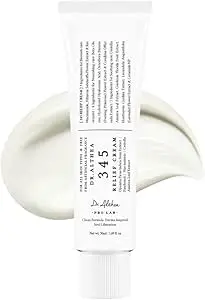
    Dr. Althea 345 Relief Cream

    Dr Althea 345 Relief Cream

    Best for: Normal to combination skin that wants a light cream layer

    This type of lightweight cream can be easier to use under makeup than a rich night cream. Apply a small amount and give it time to settle before sunscreen.

    Keep in mind: Product names and packaging can change. Check the current ingredient list if your skin is sensitive.

    Check price on Amazon Japan
    Hydrating lotion option

    Hada Labo Gokujyun Premium Lotion

    Hada Labo Gokujyun Premium Lotion

    Best for: Dehydrated skin that dislikes heavy cream under makeup

    A hydrating lotion can add water without creating the same thick finish as a rich cream. Use less than you would at night and follow with sunscreen.

    Keep in mind: This product can feel quite rich for a lotion. Too many layers may still feel sticky.

    Check price on Amazon Japan
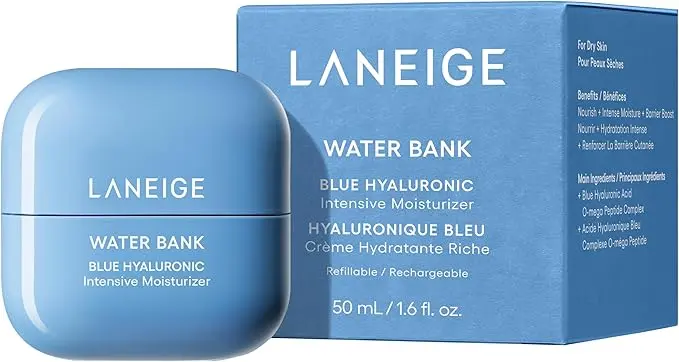
    Water-cream option

    Laneige Water Bank Blue Hyaluronic Cream

    Laneige Water Bank Blue Hyaluronic Cream

    Best for: Combination skin and people who prefer a fresher finish

    A water-cream texture may feel more comfortable than a dense moisturizer, especially in warm weather or under long-wear makeup.

    Keep in mind: If your skin is very dry, use it over a hydrating lotion or add a little more only to dry areas.

    Check price on Amazon Japan

    How to moisturize before makeup

    1. Start with less than you think you need.
      You can always add a little more to dry areas.
    2. Press instead of rubbing.
      This helps avoid disturbing the layers underneath.
    3. Give the product a moment to settle.
      There is no universal waiting time, but the skin should not still feel wet or overly slippery.
    4. Apply sunscreen in an even layer.
      Do not reduce sunscreen just to improve makeup texture.
    5. Keep foundation thin at first.
      Build coverage only where you need it.
    Dry cheeks and an oily T-zone? Use less moisturizer in the center of the face and a little more around the cheeks or mouth. Your whole face does not need the same amount.

    What to do when foundation pills

    Pilling does not automatically mean one product is bad. It often happens because too much product has been layered, the formulas do not sit well together, or the skin is being rubbed too much.

    • Use fewer skincare layers the next time.
    • Reduce the amount of moisturizer or primer.
    • Press foundation on with a sponge instead of dragging it across the skin.
    • Test your sunscreen and foundation together before an important day.
    • If one combination always pills, stop forcing it and change one layer.

    Common questions

    Do I need moisturizer and primer?

    Not always. Moisturizer cares for the skin, while primer mainly changes the way makeup looks or wears. If sunscreen and foundation already sit well, you may not need primer.

    Can sunscreen replace moisturizer?

    Sometimes, especially for oily or normal skin. If your sunscreen already feels moisturizing enough, adding another cream may be unnecessary.

    How long should I wait before foundation?

    There is no exact rule. Wait until the surface no longer feels wet or very slippery. This may take a minute or several minutes depending on the products and amount used.

    Why does makeup still look dry after moisturizer?

    The skin may need gentler cleansing, more consistent hydration, or less powder. Foundation can also emphasize texture even when the skin is moisturized.

    What is the best moisturizer texture before makeup?

    The best texture is the lightest one that still keeps your skin comfortable. For many people, that means a lotion, gel cream, or a thin layer of regular cream.

    The MonoMemo Take

    You probably do not need a special “makeup moisturizer.” You need the right amount of the right texture for your skin.

    Good makeup prep should make the skin feel comfortable not coated.

    This article is for general skincare education and does not replace advice from a dermatologist or makeup professional.

    Affiliate disclaimer: This post contains affiliate links. MonoMemo may earn a small commission if you purchase through them, at no extra cost to you.
  • Japanese & Korean Skin Essences

    Japanese & Korean Skin Essences


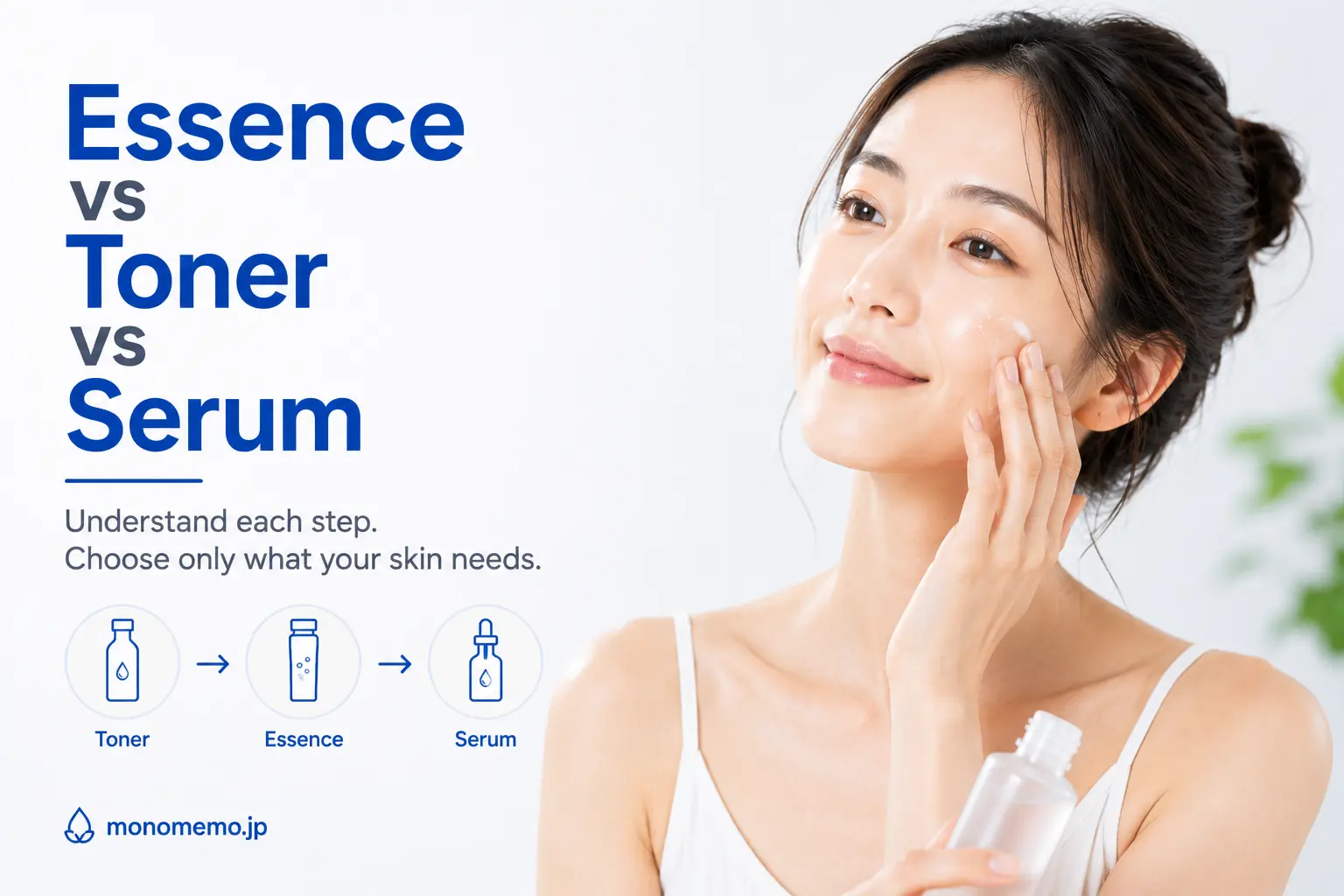
    What Is an Essence?

    Toner, essence, and serum sound like three different steps but skincare labels are not always that simple.

    If you have ever looked at a Japanese or Korean skincare shelf and wondered whether an essence is just a fancy toner, you are not alone. The confusing part is that there is no universal rule for what an essence must be.

    Quick answer

    An essence is usually a lightweight leave-on product used after cleansing and before heavier treatments or cream. It often focuses on hydration, softness, and a smoother-looking texture.

    But the name alone does not tell you everything. Some essences feel like watery toners, while others are closer to light serums.

    Do not build your routine around labels alone. Look at the texture, ingredients, and what your skin actually needs.

    Toner vs essence vs serum

    Toner

    Usually the thinnest step. Modern toners often add light hydration, while some also include exfoliating or soothing ingredients.

    Essence

    Usually a light treatment layer for hydration, softness, and overall skin condition. It may overlap with toner or serum.

    Serum

    Often more concentrated and chosen for a specific concern, such as uneven tone, fine lines, or breakouts.

    The easiest way to think about it is this: toner is often the lightest, serum is often the most targeted, and essence usually sits somewhere in between. But individual products can break that pattern.

    Do you actually need an essence?

    Not necessarily. Essence is optional, not a required skincare step.

    It can be useful if your skin feels dehydrated, tight, dull, or rough and you want to add moisture without jumping straight to a heavy cream. It can also make a routine feel more comfortable when one moisturizer is not enough.

    You may not need one if your toner, serum, and moisturizer already keep your skin comfortable. Adding more layers is not automatically better.

    Where does essence go in a routine?

    A common order is to move from the thinnest texture to the thickest:

    Cleanser → Toner → Essence → Serum → Moisturizer → Sunscreen

    This order is flexible. A product called “first essence” may be used immediately after cleansing, while a thicker essence may fit better after toner. Follow the product directions when they differ.

    You do not need every step shown above. A simple routine can be cleanser, one hydrating product, moisturizer, and sunscreen.

    Four Japanese and Korean essence-style products

    These products are not identical, and some are marketed as lotions or first essences. They are included because they can fill a similar lightweight, hydrating step in a routine.

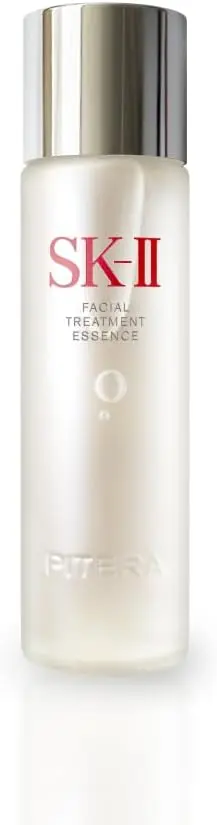
    Premium fermented essence

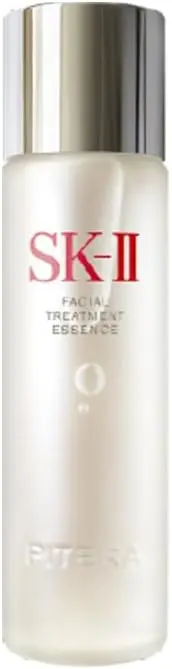
    SK-II Facial Treatment Essence

    SK-II Facial Treatment Essence bottle

    Best for: People who want a lightweight premium essence and do not mind the price

    This famous Japanese essence has a thin, watery texture and is built around SK-II’s proprietary fermented ingredient, Pitera. It is often used to support a smoother, brighter-looking complexion.

    Keep in mind: It is expensive, and fermented formulas do not suit everyone. Patch testing is sensible if your skin is reactive.

    Check price on Amazon Japan
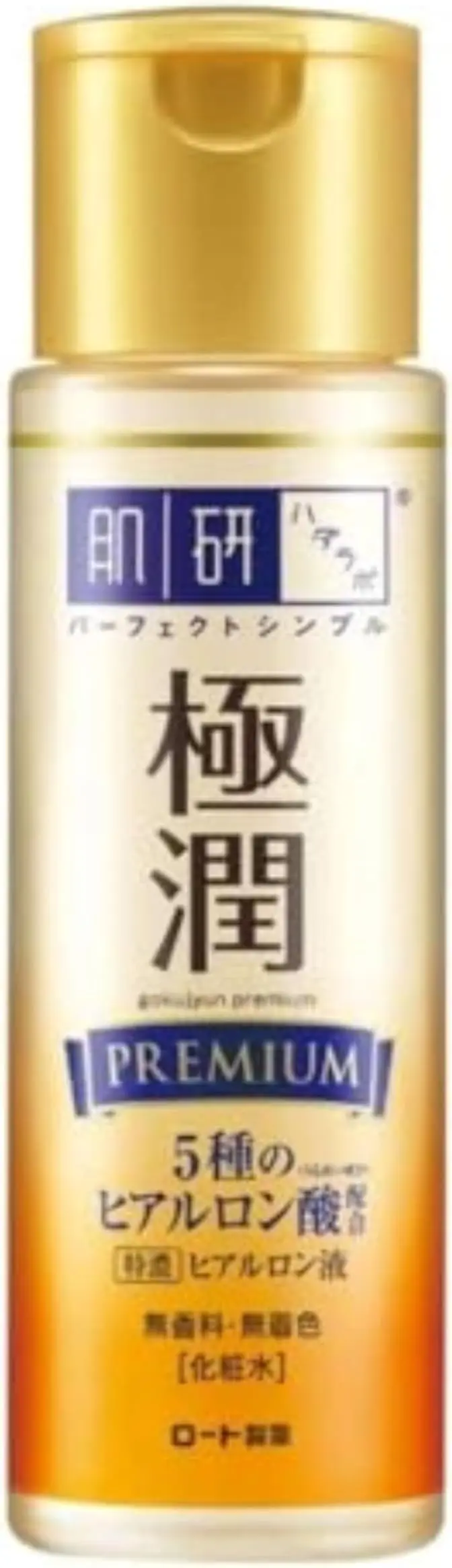
    Rich hydrating lotion

    Hada Labo Gokujyun Premium Lotion

    Hada Labo Gokujyun Premium Lotion bottle

    Best for: Dry or dehydrated skin that wants a simple hydrating layer

    In Japan, “lotion” usually means a watery hydrating step rather than a body lotion. This formula is richer than many toners and can work like an essence in a simple routine.

    Keep in mind: It can feel sticky if you use too much. Start with a small amount and add more only if needed.

    Check price on Amazon Japan
    Classic first essence

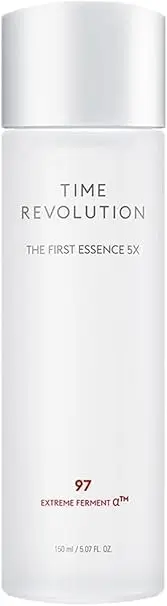
    MISSHA Time Revolution First Treatment Essence

    MISSHA Time Revolution First Treatment Essence bottle

    Best for: People who like very light fermented skincare

    This Korean first essence has a watery texture designed for use near the beginning of a routine. It adds light hydration without the weight of a traditional serum.

    Keep in mind: Fermented products can be a matter of personal preference, especially for sensitive or breakout-prone skin.

    Check price on Amazon Japan
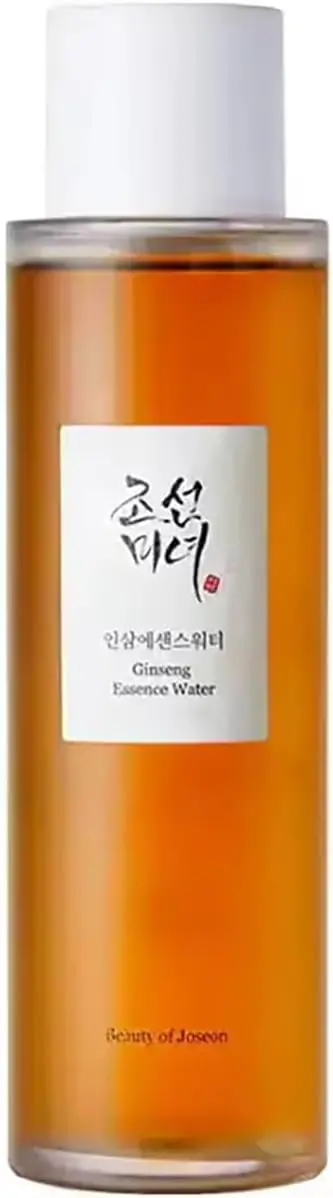
    Light ginseng essence water

    Beauty of Joseon Ginseng Essence Water

    Beauty of Joseon Ginseng Essence Water bottle

    Best for: Normal, dry, or combination skin that wants light hydration

    This watery Korean essence is easy to layer and can replace a separate toner for some routines. It is a practical option when you want hydration without a thick finish.

    Keep in mind: Do not expect one essence to transform the skin overnight. Its main value is consistent, comfortable hydration.

    Check price on Amazon Japan

    How to choose the right essence

    If your skin is dry or dehydrated, look for humectants such as glycerin or hyaluronic acid, and follow with moisturizer to help reduce water loss.

    If your skin is oily, choose a thin, watery formula and avoid adding several hydrating layers just because a routine tells you to.

    If your skin is sensitive, start with a simple formula and be cautious with strong fragrance, exfoliating acids, or several fermented products at once.

    If dullness is your main concern, an essence may add temporary plumpness and glow, but targeted ingredients and daily sunscreen usually matter more over time.

    How to use essence without overcomplicating your routine

    • Apply a small amount to clean skin or after toner.
    • Pat or gently spread it instead of repeatedly rubbing.
    • One layer is usually enough. Add another only if your skin still feels tight.
    • Follow with serum only when you have a specific concern to target.
    • Seal with moisturizer when your skin needs it.
    • Use sunscreen in the morning.

    Common questions

    Can I use essence without toner?

    Yes. If the essence provides enough hydration and feels comfortable on clean skin, it can replace toner.

    Do I need both essence and serum?

    No. Essence is usually used for light hydration and overall skin comfort, while serum is often chosen for a more specific concern. Use both only when each product has a clear purpose.

    Can I use essence every day?

    Most simple hydrating essences can be used daily. Products with exfoliating acids or other strong active ingredients may need a different schedule.

    Should essence go before or after serum?

    Essence usually goes before serum because it is often thinner. When the essence is thicker than your serum, follow the texture from thinnest to thickest instead.

    Is essence good for oily skin?

    It can be. A watery essence may provide enough hydration without a heavy cream, but oily skin does not automatically need an extra step.

    The MonoMemo Take

    Essence is not the secret step that every routine is missing. It is simply one more way to add light hydration.

    Choose it because your skin needs it—not because a ten-step routine says it belongs there.

    This article is for general skincare education and does not replace advice from a dermatologist.

    Affiliate disclaimer: This post contains affiliate links. MonoMemo may earn a small commission if you purchase through them, at no extra cost to you.
  • Cleansing Balm

    Cleansing Balm


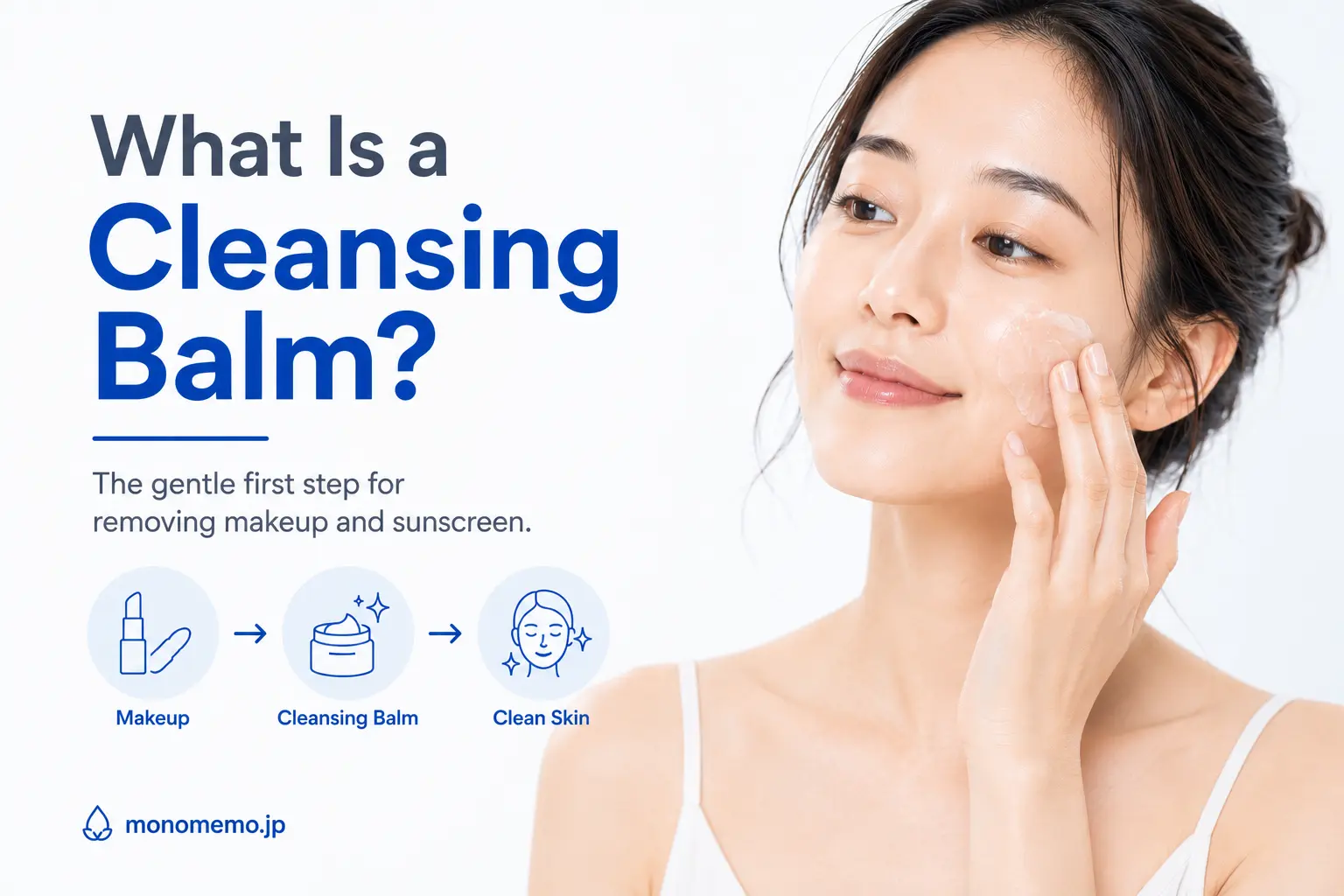
    What Is a Cleansing Balm?

    A simple guide to how cleansing balms work, who needs one, and how to use them without leaving residue behind.

    Cleansing balm looks rich and heavy in the jar, but it melts into an oil-like texture on the skin. Its main job is to dissolve makeup, sunscreen, and oil-based buildup before your regular cleanser.

    Quick answer

    A cleansing balm is a solid oil-based cleanser used on dry skin. It breaks down makeup and sunscreen, then turns milky when you add water so it can rinse away.

    It is especially useful for long-wear makeup, water-resistant sunscreen, or anyone who prefers a less runny alternative to cleansing oil.

    Why are cleansing balms so popular?

    The appeal is mostly practical. Balms are easy to control, less messy than liquid oils, and comfortable to massage over the skin.

    They also fit naturally into double cleansing. The balm removes oil-based products first, while a gentle water-based cleanser removes sweat and any remaining residue.

    A cleansing balm is not automatically gentler than every other cleanser. Fragrance, essential oils, and poor rinsing can still irritate the skin or leave it feeling coated.

    Who may benefit from a cleansing balm?

    A cleansing balm may be helpful if you regularly wear foundation, waterproof eye makeup, long-wear lipstick, or water-resistant sunscreen.

    It can also suit dry or normal skin that feels tight after stronger foaming cleansers. The balm step can make makeup removal feel less harsh, especially when you avoid rubbing with cotton pads.

    Sensitive skin can use cleansing balms too, but simpler fragrance-free formulas are usually the safer place to start.

    Who may not need one?

    You may not need a balm if you wear little or no makeup and your sunscreen already comes off easily with your regular cleanser.

    Very oily or breakout-prone skin can still use one, but rinsing matters. A balm that leaves a waxy film may feel uncomfortable or contribute to clogged-feeling skin for some people.

    How to use a cleansing balm correctly

    1. Start with dry hands and a dry face. Water can stop the balm from spreading and dissolving makeup properly.
    2. Scoop out a small amount. You usually need less than you think.
    3. Massage gently for 30 to 60 seconds. Focus on sunscreen, foundation, and long-wear makeup.
    4. Add a little water. The balm should turn cloudy or milky. This step is called emulsifying.
    5. Rinse thoroughly. Keep rinsing until the skin no longer feels slippery or coated.
    6. Follow with a gentle cleanser if needed. This is especially useful after heavy makeup or water-resistant sunscreen.
    The most common mistake is skipping emulsification. Adding water before rinsing helps the balm lift away instead of leaving a greasy film.

    Cleansing balm vs cleansing oil vs micellar water

    Cleansing balm

    Best when you want a rich texture, less mess, and strong makeup removal in a travel-friendly jar.

    Cleansing oil

    Usually spreads faster and may rinse more easily, but the liquid texture can feel messier.

    Micellar water

    Convenient for light makeup, but removing long-wear products may require more rubbing with cotton pads.

    None is automatically better. The best choice is the one that removes your makeup and sunscreen without stinging, excessive rubbing, or residue.

    Japanese and Korean cleansing balms to know

    These are popular balm cleansers with different textures and finishes. Choose based on your skin, makeup habits, and tolerance for fragrance rather than popularity alone.

    Classic K-beauty pick

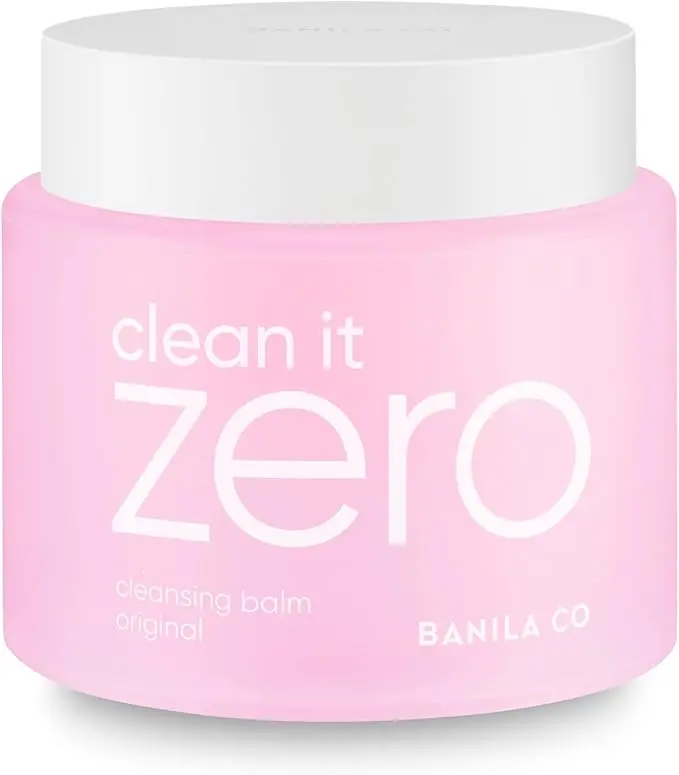
    Banila Co Clean It Zero

    Banila Co Clean It Zero cleansing balm jar

    Best for: Heavy makeup and people who want a soft, fast-melting texture

    One of the best-known Korean cleansing balms. It melts quickly and is designed to remove long-wear makeup without the mess of a liquid oil.

    Keep in mind: Different versions have different formulas and fragrance levels, so check the exact variant before buying.

    Check price on Amazon Japan
    Popular everyday balm

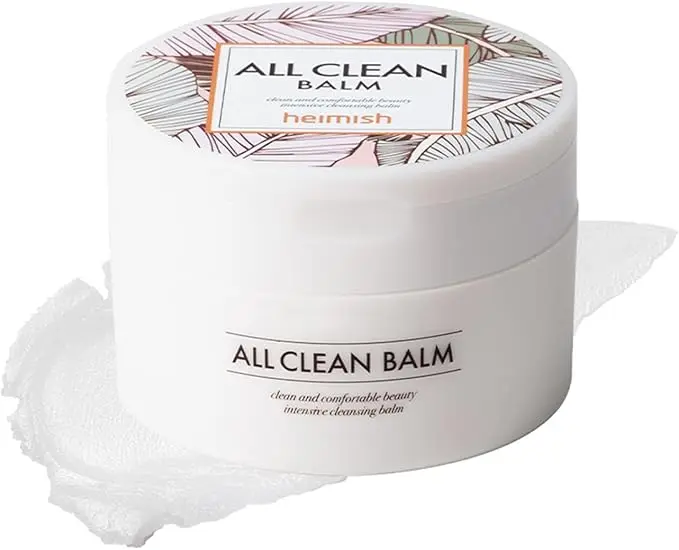
    Heimish All Clean Balm

    Heimish All Clean Balm jar

    Best for: Normal or combination skin and routine makeup removal

    This balm has a soft sherbet-like texture and rinses into a milky emulsion. It is a practical option for everyday sunscreen and makeup.

    Keep in mind: This product is often described online as fragrance-free, but formulas may contain aromatic plant oils. Check the current ingredient list if fragrance bothers your skin.

    Check price on Amazon Japan
    Soft rice-based formula

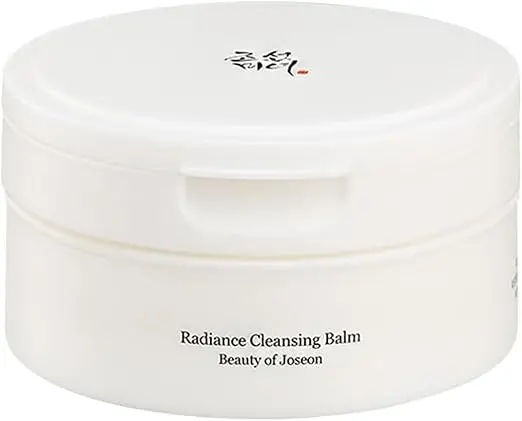
    Beauty of Joseon Radiance Cleansing Balm

    Beauty of Joseon Radiance Cleansing Balm jar

    Best for: Dry or normal skin that prefers a smooth, cushioned texture

    This Korean balm is known for a soft texture and a comfortable finish. It removes makeup and sunscreen while keeping the cleansing step from feeling harsh.

    Keep in mind: Rice and ginseng extracts sound appealing, but the product’s main value is still cleansing—not long-term treatment.

    Check price on Amazon Japan
    Japanese multitasking balm

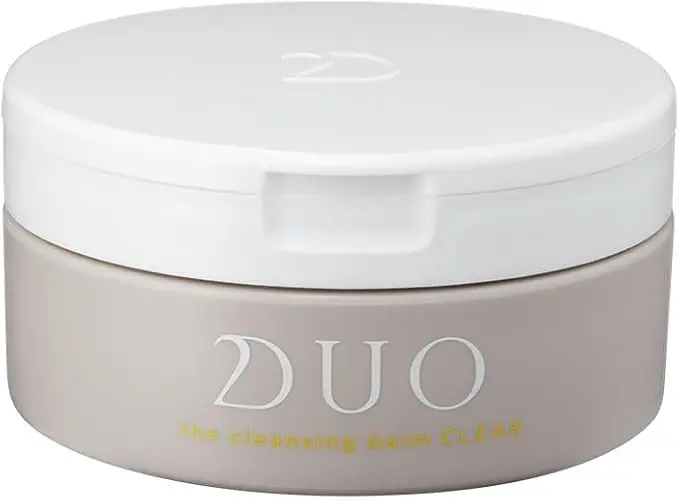
    DUO The Cleansing Balm

    DUO The Cleansing Balm jar

    Best for: People who want a popular Japanese balm with a rich feel

    DUO is one of Japan’s best-known cleansing balm lines. The original version is marketed as a multitasking cleanser with a dense, melting texture.

    Keep in mind: Claims such as exfoliating, massage, and treatment benefits are secondary. Judge the product mainly by how well it cleanses and rinses.

    Check price on Amazon Japan
    Pore-focused DUO option

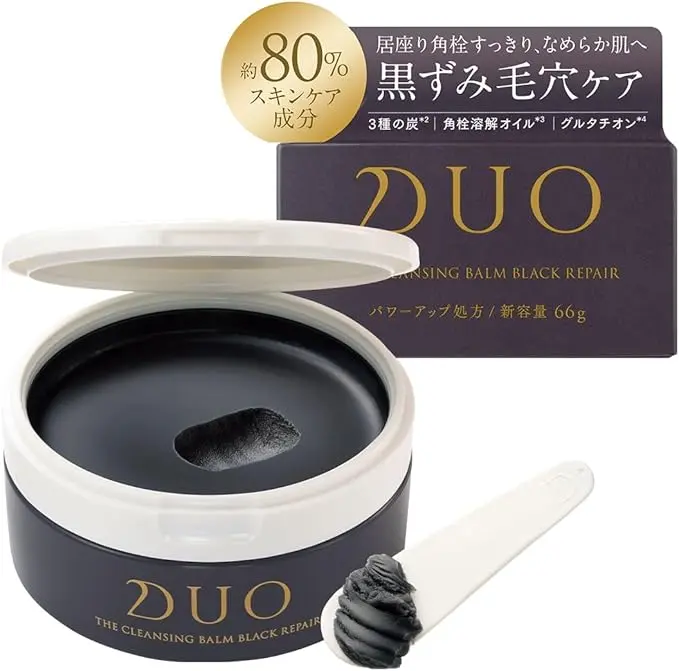
    DUO The Cleansing Balm Black Repair

    DUO The Cleansing Balm Black Repair jar

    Best for: Oily areas and people who prefer a charcoal-style pore-care formula

    This version is positioned for visible blackheads and rough-feeling pores. It can remove makeup and surface oil, but it cannot permanently shrink pores.

    Keep in mind: Blackheads are influenced by oil, dead skin, and pore structure. A cleanser alone may not be enough.

    Check price on Amazon Japan
    Japanese clear-finish balm

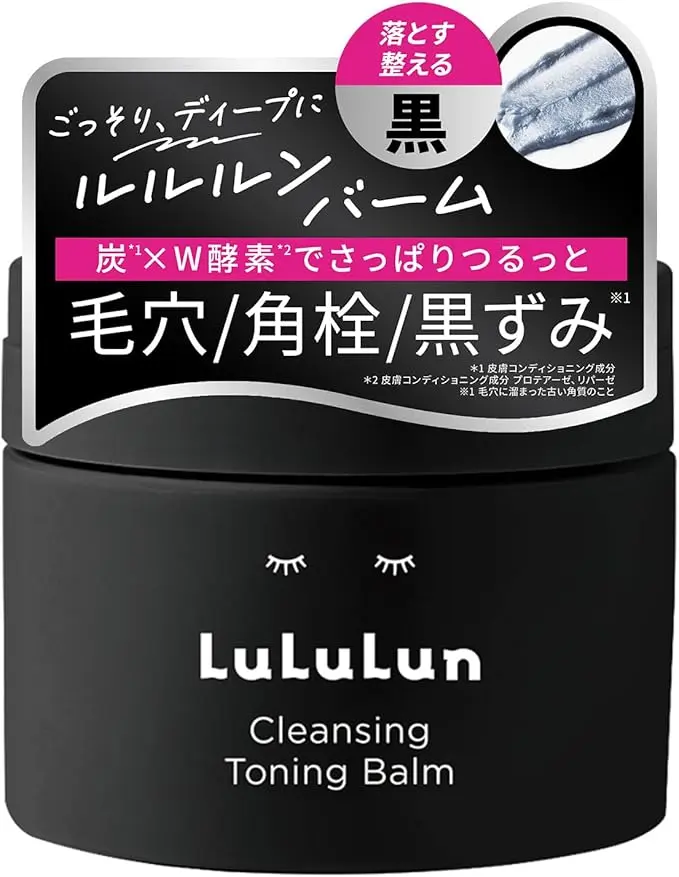
    Lululun Cleansing Toning Balm

    Lululun Cleansing Toning Balm jar

    Best for: People who prefer a fresh finish and a Japanese drugstore-style option

    This balm combines makeup removal with a fresh, clear-feeling finish. It may appeal to people who dislike a rich or oily after-feel.

    Keep in mind: “Toning” is mostly a marketing description here. The product should still be judged first as a cleanser.

    Check price on Amazon Japan

    How to choose the right cleansing balm

    For dry skin, look for a balm that rinses clean without leaving the face tight. A comfortable finish matters more than long ingredient lists.

    For oily or acne-prone skin, choose a formula that emulsifies quickly and does not leave a waxy coating. Always rinse thoroughly.

    For sensitive skin, simpler fragrance-free or low-fragrance formulas are usually easier to test. Avoid assuming that “natural” oils are automatically gentle.

    For heavy makeup, prioritize good slip and fast breakdown of waterproof products. Eye makeup may still need a separate remover if the balm stings.

    Common cleansing balm mistakes

    • Applying it to wet skin before it has dissolved makeup.
    • Using too much product and making rinsing harder.
    • Rubbing aggressively around the eyes.
    • Skipping the emulsifying step.
    • Assuming a balm can remove blackheads permanently.
    • Continuing to use a formula that leaves burning, itching, or persistent congestion.

    Common questions

    Do I need to double cleanse after a cleansing balm?

    Not always. If the balm rinses clean and your skin feels comfortable, a second cleanser may not be necessary. Heavy makeup, water-resistant sunscreen, or visible residue are good reasons to follow with a gentle cleanser.

    Can cleansing balm clog pores?

    Any product can feel congesting if it does not suit your skin or is not rinsed well. The balm format itself does not automatically clog pores.

    Can I use cleansing balm every day?

    Yes, when you need to remove makeup or sunscreen and the formula does not irritate your skin. You do not need to use it on bare-skin days if your regular cleanser is enough.

    Is cleansing balm good for oily skin?

    It can be. Oil-based cleansers dissolve makeup and sunscreen regardless of skin type. Choose one that emulsifies well and does not leave a heavy film.

    Can cleansing balm remove blackheads?

    It may loosen surface oil and make pores look cleaner temporarily, but it does not permanently remove or shrink blackheads.

    The MonoMemo Take

    A cleansing balm is useful when it makes removal easier—not because every routine needs two cleansers.

    The best balm melts makeup quickly, rinses clean, and leaves your skin feeling normal rather than stripped or coated.

    This article is for general skincare education and does not replace advice from a dermatologist.

    Affiliate disclaimer: This post contains affiliate links. MonoMemo may earn a small commission if you purchase through them, at no extra cost to you.
  • Eye Creams

    Eye Creams


    Best Eye Creams by Age: 20s, 30s, 40s & 50s

    A practical guide to choosing Japanese and Korean eye care based on dryness, fine lines, dark circles, and sensitivity.

    Age can help narrow your options, but it should not make the final decision. The best eye cream is the one that matches your main concern and your skin’s tolerance.

    Quick answer

    In your 20s, basic hydration is usually enough. In your 30s, you may want to add early wrinkle care. In your 40s, firmness and visible lines often become a bigger priority. In your 50s and beyond, richer textures may feel more comfortable.

    But a dry 25-year-old may need more moisture than an oily 45-year-old. Use age as a guide not a rule.

    20s Lightweight hydration and prevention
    30s Early fine lines and dullness
    40s Visible wrinkles, firmness, and dryness
    50s+ Richer moisture and mature-skin support

    Do you really need a separate eye cream?

    Not always. A gentle face moisturizer can work around the eyes if it does not sting and gives you enough hydration.

    A separate eye cream makes more sense when you want a lighter texture, a richer texture, or a targeted ingredient designed for the delicate eye area.

    Eye cream is not automatically stronger than face cream. The main differences are usually texture, packaging, and how the formula is designed to feel around the eyes.

    Japanese vs Korean eye creams

    Japanese eye creams often lean toward simple hydration, comfortable textures, and long-term daily use. Korean eye products frequently combine several goals in one formula, such as hydration, brightening, peptides, ginseng, or retinal.

    Neither category is automatically better. Check the exact product rather than choosing by country alone.

    Best eye creams for your 20s

    In your 20s, the main goal is usually keeping the eye area comfortable and hydrated. Strong anti-aging products are optional, not required.

    Choose light hydration if your skin is normal or oily. Choose a creamier formula if concealer settles into dry lines.

    Simple Japanese hydration

    Hada Labo Gokujyun Hyaluronic Eye Cream

    Hada Labo Gokujyun Hyaluronic Eye Cream

    Best for: Dryness, dehydration, and a simple routine

    A moisture-focused option for people who want comfort without introducing a strong active.

    Keep in mind: Hydration can soften the look of fine lines caused by dryness, but it will not erase expression lines.

    Check price on Amazon Japan

    Best eye creams for your 30s

    In your 30s, fine lines may become easier to notice, especially when the eye area is dry. This is a reasonable time to consider retinal, retinol, peptides, or brightening care if your skin tolerates them.

    Hydration and brighter-looking skin

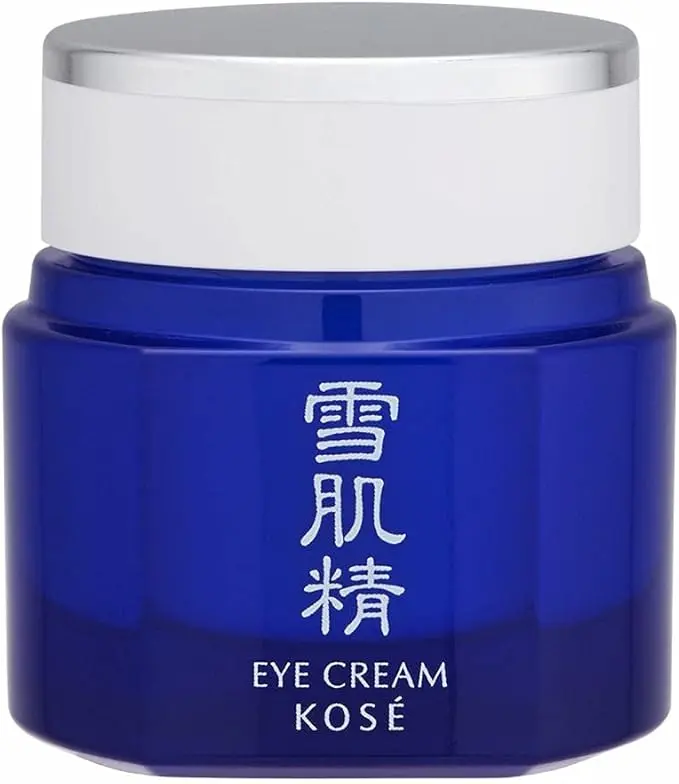
    Kose Sekkisei Eye Cream

    Kose Sekkisei Eye Cream

    Best for: Dryness and a tired or dull-looking eye area

    A Japanese option for people who want moisture with a brighter-looking finish.

    Keep in mind: Cosmetic brightening can improve the look of dullness, but it may not change genetic or structural dark circles.

    Check price on Amazon Japan
    Retinal eye serum

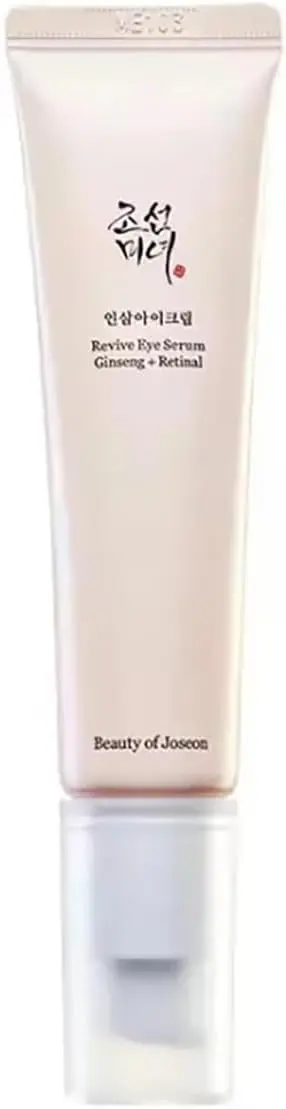
    Beauty of Joseon Revive Eye Serum

    Beauty of Joseon Revive Eye Serum

    Best for: Early visible lines and people ready to try retinal

    A popular Korean eye serum that combines ginseng with retinal for more active wrinkle care.

    Keep in mind: Start slowly. Retinal may cause dryness or irritation, especially close to the lash line.

    Check price on Amazon Japan

    Best eye creams for your 40s

    In your 40s, visible lines, dryness, and loss of firmness may become more noticeable. Look for formulas that you can use consistently rather than the most aggressive formula available.

    Affordable Japanese option

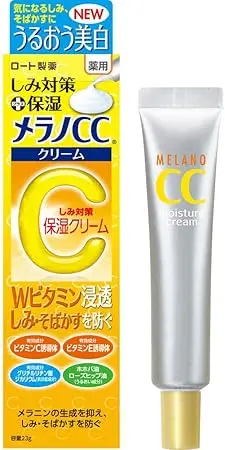
    Rohto Melano CC Eye Cream

    Rohto Melano CC Eye Cream

    Best for: Dull-looking skin and budget-conscious routines

    A practical Japanese option for people who want targeted eye care without moving into a luxury price range.

    Keep in mind: Vitamin-based formulas cannot fully correct dark circles caused by facial structure, thin skin, or shadows.

    Check price on Amazon Japan
    Moisture and comfort

    Mizon Snail Repair Eye Cream

    Mizon Snail Repair Eye Cream

    Best for: Dryness and a softer, more comfortable eye area

    A Korean eye cream with a smooth texture that may suit skin that feels dry or less supple.

    Keep in mind: Snail mucin can support hydration, but “repair” does not mean it can reverse deep wrinkles.

    Check price on Amazon Japan

    Best eye creams for your 50s and beyond

    Mature skin often feels drier, so richer textures may become more comfortable. Look for moisture, a pleasant finish, and an active level your skin can tolerate.

    Targeted Japanese wrinkle care

    Shiseido Elixir Enriched Wrinkle Cream

    Shiseido Elixir Enriched Wrinkle Cream

    Best for: Mature skin and targeted wrinkle care

    A richer Japanese treatment for people who want focused care around visible lines.

    Keep in mind: Confirm the current product version and active ingredient before buying, since names and formulas can vary by market.

    Check price on Amazon Japan
    Luxury Korean eye cream

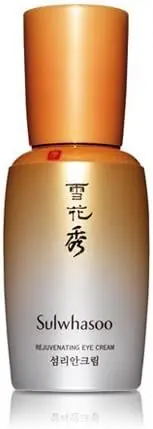
    Sulwhasoo Concentrated Ginseng Eye Cream

    Sulwhasoo Concentrated Ginseng Eye Cream

    Best for: Rich moisture and a luxury skincare experience

    A premium Korean eye cream with a dense texture for people who enjoy traditional ginseng-based skincare.

    Keep in mind: The price reflects the brand and experience as much as the formula. A less expensive moisturizer may still hydrate well.

    Check price on Amazon Japan

    How to choose by concern

    For dryness: Look for humectants, emollients, and a texture that stays comfortable under makeup.

    For fine lines: Hydration helps dry lines. Retinoids or peptides may be useful for more targeted care.

    For dark circles: First identify the type. Pigmentation, shadows, thin skin, and visible blood vessels need different approaches.

    For puffiness: A cool compress and sleep habits may matter more than a cream. Caffeine can temporarily improve the look for some people.

    For sensitive skin: Start with a simple, fragrance-free moisturizer before trying strong actives.

    How to apply eye cream

    • Use a very small amount for both eyes.
    • Tap gently around the orbital bone instead of rubbing.
    • Avoid placing strong actives too close to the lash line.
    • Use sunscreen during the day, especially when using retinoids.
    • Stop if you develop persistent burning, swelling, or irritation.

    Common questions

    What age should I start using eye cream?

    There is no required age. Start when the eye area needs more hydration or when you want targeted care that your regular moisturizer does not provide.

    Can I use face moisturizer around my eyes?

    Yes, if it does not sting and gives you enough hydration. Avoid strong acids, harsh fragrance, or products that migrate into the eyes.

    Can eye cream remove dark circles?

    Sometimes it can improve pigmentation or dryness, but it cannot fully correct shadows caused by facial structure, hollowness, or very thin skin.

    Can I use retinol or retinal around the eyes?

    Yes, when the product is designed for that area. Start slowly, use a small amount, and stop if irritation continues.

    Is a more expensive eye cream always better?

    No. Texture, packaging, fragrance, and brand positioning affect price. A simple formula may work better for your skin.

    The MonoMemo Take

    Choose eye cream by concern first and age second.

    A formula you can use consistently without irritation is more useful than an expensive product filled with actives your skin cannot tolerate.

    This article is for general skincare education and does not replace medical advice.

    Affiliate disclaimer: This post contains affiliate links. MonoMemo may earn a small commission if you purchase through them, at no extra cost to you.
  • Face Masks

    Face Masks

    Do Face Masks Really Work?

    What sheet masks can realistically do, how Japanese and Korean masks differ, and which products may suit your skin.

    Face masks can make skin feel softer, calmer, and more hydrated. But most of the visible effect is temporary, not a permanent transformation.

    Quick answer

    Sheet masks work best as an occasional hydration boost. They can temporarily improve dryness, comfort, and glow, especially when the formula suits your skin.

    They cannot permanently shrink pores, lift the face, or replace a consistent skincare routine.

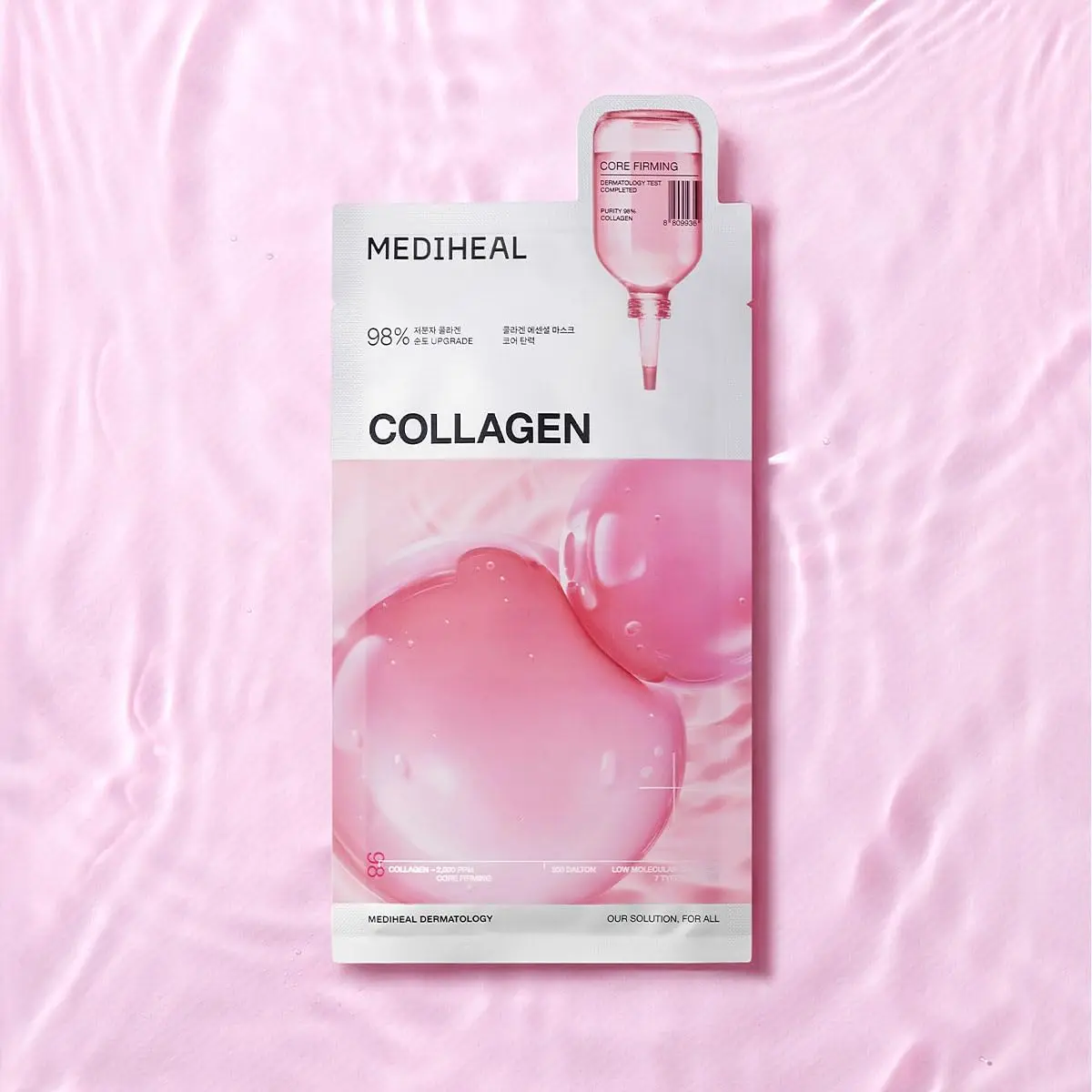
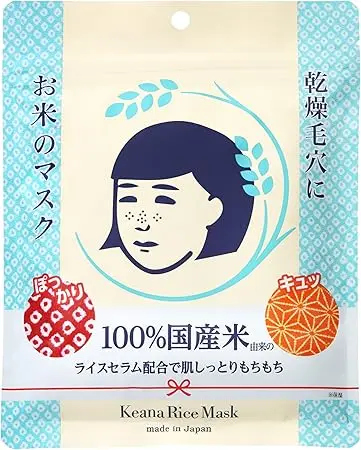
    Dry skin Mediheal Collagen or Keana Nadeshiko Rice Mask
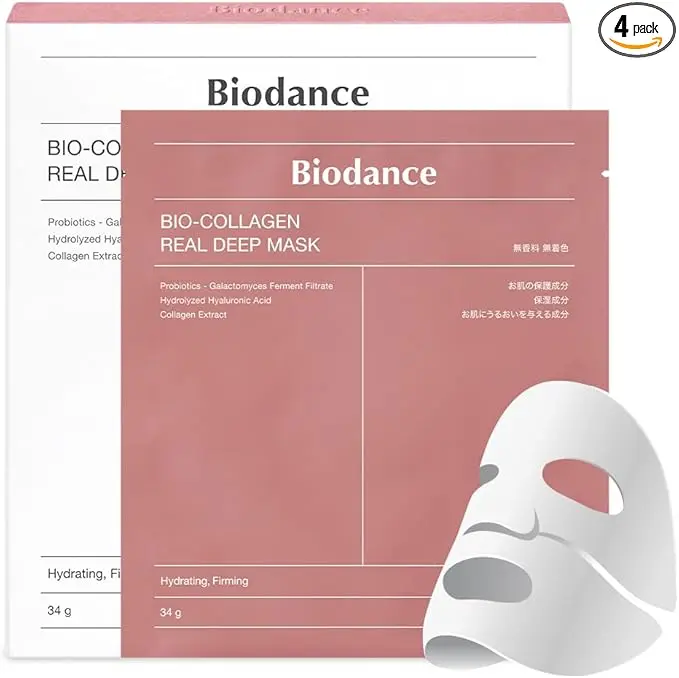
    Firmness and a plump look Biodance Bio-Collagen Real Deep Mask
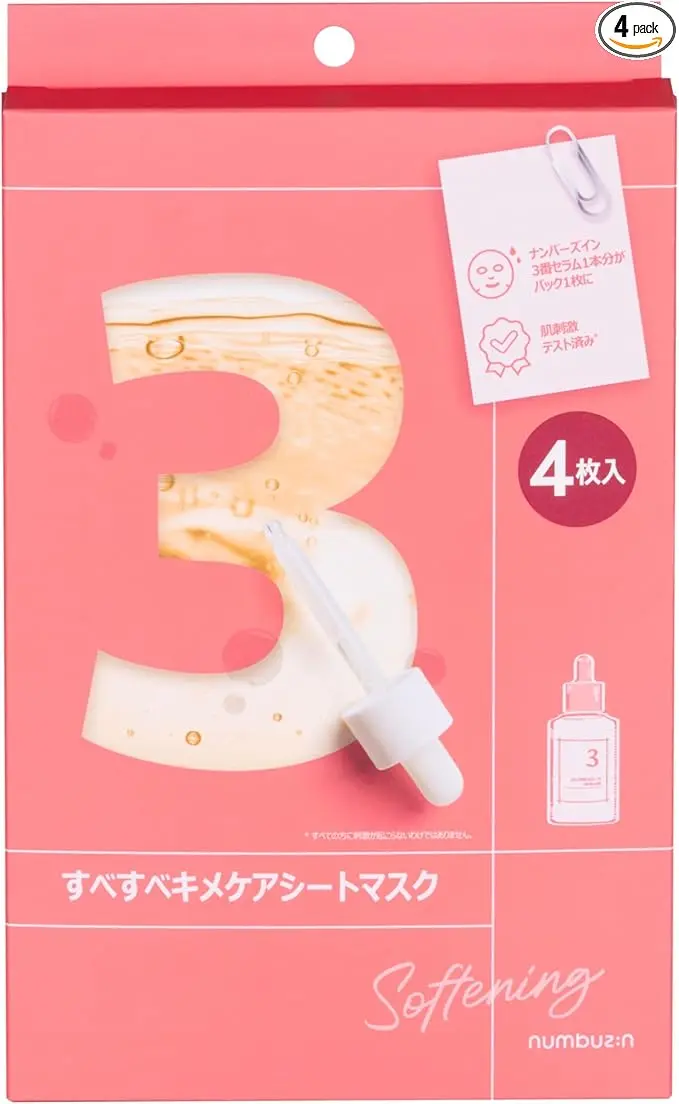
    Rough texture and visible pores Numbuzin No.3 Sheet Mask
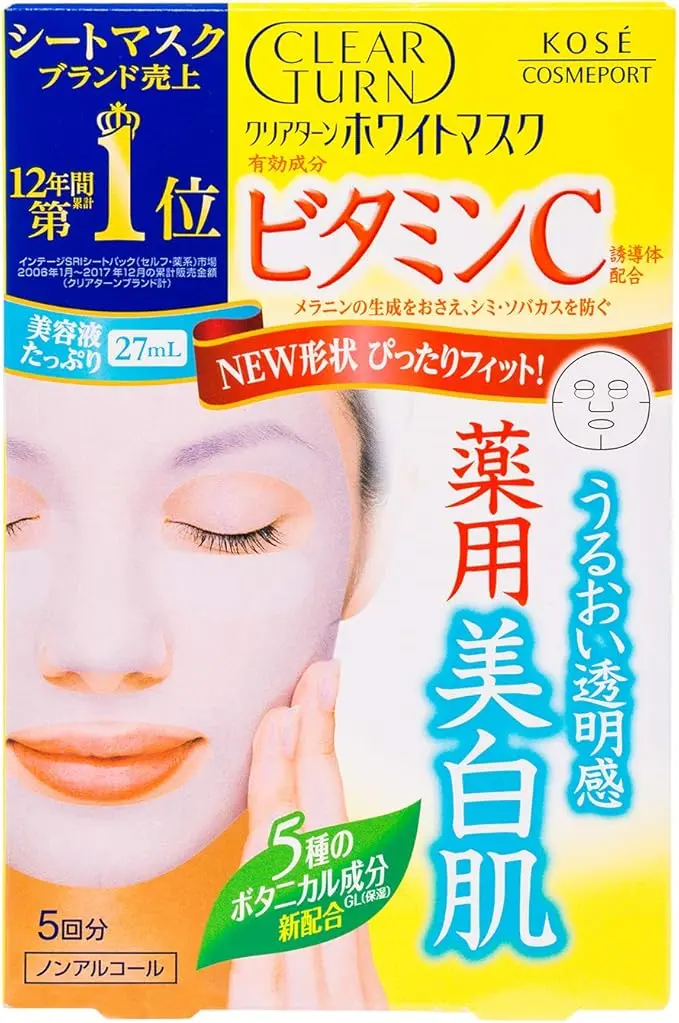
    Dull-looking skin Kose Clear Turn Vitamin C Mask

    What can a face mask actually do?

    Most sheet masks hold a water-based serum against the skin for several minutes. This reduces evaporation and helps the surface of the skin feel more hydrated.

    That extra hydration can temporarily make fine lines look softer and the skin look smoother. Calming ingredients may also reduce the feeling of dryness or tightness.

    The key word is temporary. A sheet mask can improve how your skin looks and feels for a while, but it does not rebuild collagen or permanently change pore size after one use.

    Japanese vs Korean face masks

    Japanese masks

    Often designed for simple, regular hydration. Multipack formats are common, and the textures are usually practical rather than luxurious.

    Korean masks

    Often focus on targeted concerns, trend ingredients, and a more intensive skincare experience. Hydrogel and single-use premium masks are especially common.

    These are broad patterns, not strict rules. A Japanese mask can be active and a Korean mask can be very simple. The ingredient list and your skin response matter more than the country.

    How to choose a face mask

    For dry skin: Look for humectants and barrier-supportive ingredients, such as glycerin, hyaluronic acid, ceramides, or rice-based extracts.

    For oily or acne-prone skin: Choose a lightweight formula and avoid assuming that tea tree or “pore care” will automatically prevent breakouts.

    For sensitive skin: Fragrance-free or low-fragrance formulas are usually easier to test. Stop if the mask stings or causes redness.

    For dull-looking skin: Brightening ingredients may help the skin look fresher, but they need repeated use and sunscreen support.

    For firmness: A hydrating mask can make skin look plumper temporarily. It cannot lift sagging skin or replace proven long-term treatments.

    Japanese and Korean face masks to know

    Hydrating Korean sheet mask

    Mediheal Collagen Essential Mask

    Mediheal Collagen Essential Korean sheet mask

    Best for: Dryness and a temporary plump-looking finish

    A moisture-focused sheet mask for skin that feels dry or looks tired. It is designed to leave the skin feeling softer and more comfortable.

    Keep in mind: Topical collagen mainly works as a moisturizing ingredient. It does not replace lost collagen deep in the skin.

    Check price on Amazon Japan
    Premium hydrogel mask

    Biodance Bio-Collagen Real Deep Mask

    Biodance Bio-Collagen Real Deep hydrogel face mask

    Best for: Special-care nights and a temporarily fuller-looking finish

    A hydrogel-style mask for people who enjoy a longer, more intensive mask experience. The occlusive format can leave the skin looking very hydrated.

    Keep in mind: The “glass skin” effect is mostly hydration and surface smoothness. Results are not permanent.

    Check price on Amazon Japan
    Popular Japanese multipack

    Ishizawa Lab Keana Nadeshiko Rice Mask

    Ishizawa Lab Keana Nadeshiko Japanese rice sheet mask

    Best for: Everyday hydration and rough, dry-feeling skin

    A well-known Japanese multipack mask with a simple, practical approach to moisture.

    Keep in mind: “Pore care” here mostly means improving dryness and surface texture, not changing pore structure.

    Check price on Amazon Japan
    Affordable brightening mask

    Kose Clear Turn Vitamin C Mask

    Kose Clear Turn Vitamin C Japanese sheet mask

    Best for: Dull-looking skin and budget-friendly routine care

    A practical Japanese multipack for people who want hydration with a brighter-looking finish.

    Keep in mind: A mask may improve temporary glow, but consistent sunscreen and a daily routine matter more for uneven tone.

    Check price on Amazon Japan

    How to use a sheet mask correctly

    1. Cleanse first. Apply the mask to clean skin.
    2. Follow the stated time. Longer is not always better.
    3. Remove it before it dries completely. A dried-out sheet can feel tight and uncomfortable.
    4. Pat in the remaining serum. Do not rub aggressively.
    5. Finish with moisturizer if needed. This is especially helpful for dry skin.
    Do not sleep in a regular sheet mask unless the product specifically says it is designed for overnight use.

    Common face mask mistakes

    • Leaving the mask on until it becomes dry.
    • Using a strongly fragranced mask on already irritated skin.
    • Applying masks too often when the skin is sensitive.
    • Expecting a mask to remove blackheads or permanently tighten pores.
    • Using exfoliating masks together with several other strong actives.
    • Skipping moisturizer when the skin still feels dry afterward.

    Common questions

    Are face masks really effective?

    Yes, mainly for temporary hydration, comfort, and glow. Their effect is usually supportive rather than transformative.

    Can I use a face mask every day?

    Some gentle hydrating masks can be used frequently, but daily use is not necessary. Sensitive skin may do better with less frequent use.

    Are Korean masks better than Japanese masks?

    No. Korean masks often offer more targeted or trend-focused formats, while Japanese masks often prioritize practical hydration. The better option depends on the exact formula.

    Should I wash my face after a sheet mask?

    Usually not. Pat in the remaining serum and add moisturizer if your skin needs it. Wash it off if the instructions say to or if the product causes discomfort.

    When should I use a face mask?

    Use it after cleansing and before moisturizer. A hydrating mask can be used at night or before makeup when you want a smoother-looking finish.

    The MonoMemo Take

    Face masks are useful when you treat them as a short-term hydration boost not a miracle treatment.

    Choose the formula that leaves your skin calm and comfortable. The best mask is not the most dramatic one; it is the one your skin actually enjoys.

    This article is for general skincare education and does not replace advice from a dermatologist.

    Affiliate disclaimer: This post contains affiliate links. MonoMemo may earn a small commission if you purchase through them, at no extra cost to you.
  • Snail Mucin vs. Rice Ferment

    Snail Mucin vs. Rice Ferment

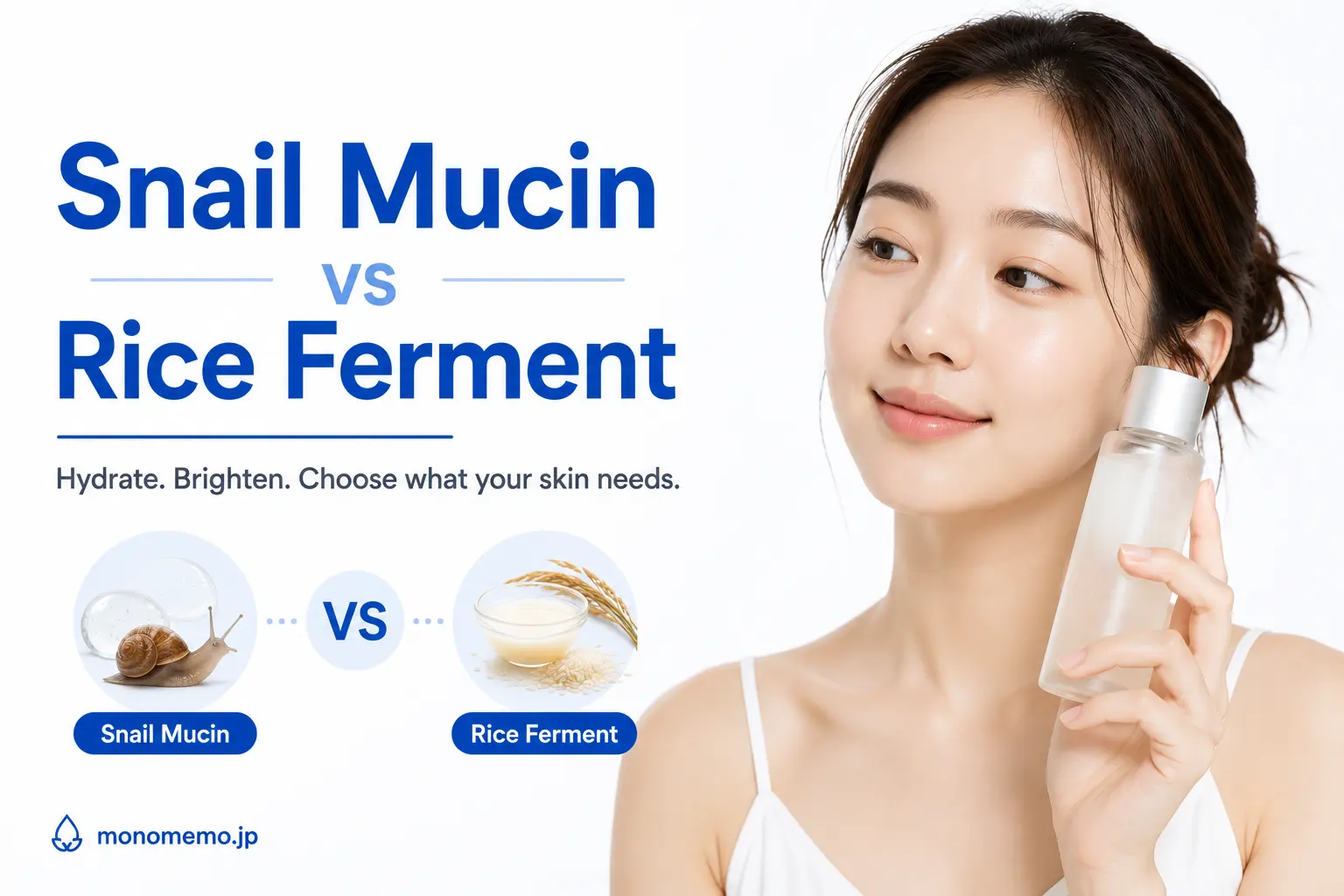
    Snail Mucin vs Rice Ferment

    Which ingredient is better for hydration, glow, sensitive skin, and everyday use?

    Snail mucin and rice ferment are often compared as Korean versus Japanese skincare ingredients. But the better choice depends more on your skin goal than the country on the label.

    Quick answer

    Choose snail mucin when your skin feels dry, tight, or rough and you want a cushiony hydrating layer.

    Choose rice ferment when you prefer a lighter essence and want smoother, brighter-looking skin over time.

    Dry or dehydrated skinSnail mucin is usually the more comfortable choice.
    Dull or uneven-looking toneRice ferment is often the better fit.
    Sticky textures bother youA watery rice-ferment essence may feel easier to use.
    You want both benefitsUse rice ferment first, then add snail mucin if you need more hydration.

    What is snail mucin?

    Snail mucin is the filtered secretion used in many Korean essences, serums, and creams. It is valued mainly for its humectant and soothing feel.

    In a well-formulated product, it can help the skin feel softer, more comfortable, and less dry. Many formulas also include ingredients such as glycerin, hyaluronic acid, panthenol, or allantoin.

    Snail mucin does not “repair” the skin overnight. Its most dependable benefit is hydration and surface comfort.

    What is rice ferment?

    “Rice ferment” is a broad category rather than one single ingredient. Products may use fermented rice extract, rice water, rice bran, yeast ferment, or galactomyces-derived filtrates.

    These formulas are often lightweight and marketed for smoother texture, brightness, and daily conditioning. The actual effect depends heavily on the specific ferment and the rest of the formula.

    Not every ferment essence is a true rice product. SK-II, for example, is based on a galactomyces-derived ferment filtrate rather than a simple rice extract.

    Snail mucin vs rice ferment: the real difference

    The biggest difference is the kind of experience each ingredient gives your skin. Snail mucin usually feels richer and more cushioning, while rice ferment is often lighter and easier to layer.

    For hydration, snail mucin usually has the advantage. Its gel-like texture helps the skin feel softer and less tight, which makes it especially useful for dry or dehydrated skin.

    For a lightweight routine, rice ferment is often easier to use. Most ferment essences have a watery texture that absorbs quickly and sits well under other products.

    For dull-looking skin, rice ferment may be the better match. These formulas are often chosen for smoother texture and a brighter-looking finish, although results depend on the exact ferment and formula.

    Texture is also an important difference. Snail mucin can feel elastic, slippery, or slightly sticky. Rice ferment usually feels more like a toner or first essence.

    Neither option is automatically better for sensitive skin. The complete formula matters more than the headline ingredient. Fragrance, alcohol, preservatives, and added actives can all affect how your skin responds.

    There is also an ethical difference: snail mucin is animal-derived and is not vegan. Rice-ferment products are usually more compatible with a vegan routine, but the full ingredient list should still be checked.

    Which one is better for your skin?

    Choose snail mucin if…

    • Your skin feels dehydrated or tight.
    • You like gel essences and layered hydration.
    • Your barrier feels dry or uncomfortable.
    • You want a plumper-looking finish.

    Choose rice ferment if…

    • You prefer a light, watery texture.
    • Your skin looks dull or uneven.
    • You want an easy daily first-essence step.
    • You dislike sticky skincare.

    What about sensitive or acne-prone skin?

    Neither ingredient is automatically safe for every sensitive skin type. Fragrance, alcohol, preservatives, and other actives in the complete formula may matter more than the hero ingredient.

    Snail mucin may feel soothing for some people, but others can react to the product. Rice-ferment products can also irritate sensitive skin depending on the formula.

    Patch test the finished product—not just the headline ingredient. Stop using it if you notice persistent burning, swelling, itching, or worsening redness.

    Can snail mucin fade acne marks?

    Snail mucin can improve hydration, which may make irritated or rough skin look healthier. But it is not one of the most proven ingredients for fading post-acne marks.

    For uneven tone, ingredients such as niacinamide, azelaic acid, vitamin C, retinoids, and daily sunscreen generally have a clearer role.

    Can you use snail mucin and rice ferment together?

    Yes. They are usually easy to layer because neither category is inherently exfoliating.

    1. Apply the lighter rice-ferment toner or essence first.
    2. Follow with snail mucin while the skin is still slightly damp.
    3. Seal everything in with moisturizer if needed.
    4. Use sunscreen during the day.

    You do not need both. Add the second product only if it gives your skin a clear benefit.

    Products to consider

    Best-known snail essence

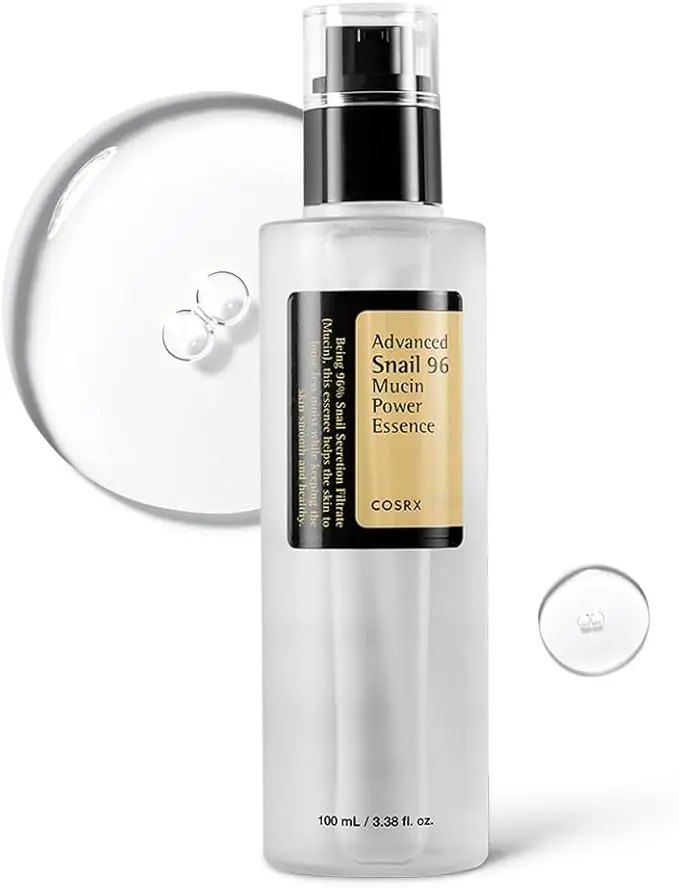
    COSRX Advanced Snail 96 Mucin Power Essence

    COSRX Advanced Snail 96 Mucin Power Essence bottle

    Best for: Dehydration, rough texture, and layered hydration

    A simple, concentrated snail essence with a slippery gel texture. It works best as a hydrating step rather than a complete moisturizer.

    Keep in mind: The finish can feel sticky, especially if too much is applied.

    Check price on Amazon Japan
    Light snail ampoule

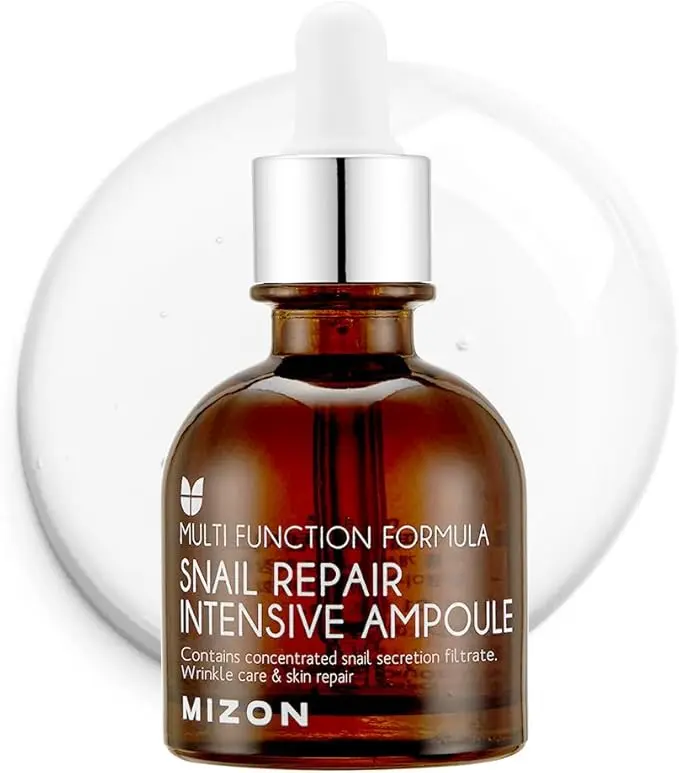
    Mizon Snail Repair Intensive Ampoule

    Mizon Snail Repair Intensive Ampoule bottle

    Best for: Lightweight hydration and rough-feeling skin

    A thinner snail-based ampoule for people who want a less heavy texture than some gel essences.

    Keep in mind: Check the full ingredient list if your skin is sensitive to fragrance or botanical extracts.

    Check price on Amazon Japan
    Premium ferment essence

    SK-II Facial Treatment Essence

    SK-II Facial Treatment Essence bottle

    Best for: Lightweight conditioning and a smoother-looking finish

    A watery essence based on a proprietary galactomyces-derived ferment filtrate. It is closer to a premium ferment essence than a basic rice extract.

    Keep in mind: It is expensive, and the result may be subtle rather than dramatic.

    Check price on Amazon Japan
    Brightening lotion alternative

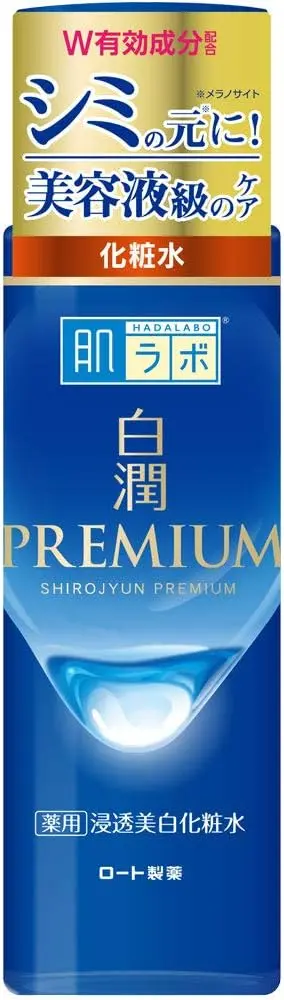
    Hada Labo Shirojyun Premium Lotion

    Hada Labo Shirojyun Premium brightening lotion bottle

    Best for: Hydration and uneven-looking tone

    This is not a rice-ferment product. It is included as a practical Japanese brightening alternative built around tranexamic acid and hyaluronic acid.

    Keep in mind: Do not present it as a rice ferment. Its role here is as an alternative for people whose main goal is brighter-looking skin.

    Check price on Amazon Japan

    Common questions

    Which is better: snail mucin or rice ferment?

    Snail mucin is usually better for richer hydration, while rice ferment is often better for a lightweight essence step and brighter-looking skin.

    Can I use snail mucin and rice ferment together?

    Yes. Apply the lighter rice-ferment essence first, then use snail mucin if you want more hydration.

    Is snail mucin good for sensitive skin?

    It can be, but it is not guaranteed to suit everyone. Patch test the complete product and stop if it causes persistent irritation.

    Is rice ferment moisturizing enough?

    Many ferment essences are lightweight. Dry skin usually needs a moisturizer on top.

    Is snail mucin vegan?

    No. Snail mucin is an animal-derived ingredient, so it is not suitable for a vegan skincare routine.

    The MonoMemo Take

    Snail mucin is the better choice when your skin wants more cushion and hydration. Rice ferment makes more sense when you want a light essence and a smoother, brighter-looking finish.

    Do not choose by trend alone. Choose the texture and function your routine is actually missing.

    This article is for general skincare education and does not replace advice from a dermatologist.

    Affiliate disclaimer: This post contains affiliate links. MonoMemo may earn a small commission if you purchase through them, at no extra cost to you.
  • Skin Boosters

    Skin Boosters

    What Is a Skin Booster?

    How Korean and Japanese booster serums differ and what they can realistically do at home.

    “Skin booster” sounds clinical, but on a skincare label it usually means something much simpler: a hydrating essence, ampoule, or serum designed to make the skin look fresher and feel more comfortable.

    Quick answer

    At-home skin boosters can support hydration, softness, glow, and a smoother-looking finish. They do not work like injectable skin boosters and cannot deliver ingredients into deeper layers of the skin.

    Korean formulas often highlight ingredients such as PDRN, peptides, propolis, or multiple humectants. Japanese formulas are more often sold as lotions, essences, or firming serums rather than using the “skin booster” label.

    What does “skin booster” actually mean?

    In topical skincare, “skin booster” is mostly a marketing category. There is no single official formula, texture, or concentration that every booster must follow.

    A booster may be a watery first serum, a concentrated ampoule, or a richer treatment product. What matters is the ingredient list and the role it plays in your routine not the word “booster” on the front.

    A booster is not automatically stronger than a serum. Sometimes it is simply a serum positioned as an extra hydration or glow step.

    How is it different from a regular serum?

    Often, there is very little practical difference. Both boosters and serums can contain humectants, peptides, niacinamide, botanical extracts, and barrier-supporting ingredients.

    Boosters are usually marketed as a flexible first treatment step. They tend to have lighter textures so they can be layered under another serum or moisturizer.

    Choose a hydrating booster When your skin feels tight, dull, or dehydrated.
    Choose a peptide formula When you want a smoother, more supported-looking finish.
    Choose a propolis ampoule When you like nourishing textures and a dewy look.
    Choose a brightening serum When uneven-looking tone matters more than the “booster” label.

    Popular booster ingredients explained

    PDRN

    PDRN is widely promoted in Korean beauty as a recovery-focused ingredient. Topical formulas may help support hydration and skin comfort, but they should not be compared directly with medical injections.

    Peptides

    Peptides are used in many firming and smoothing formulas. Their effect depends on the peptide type, concentration, stability, and the rest of the product.

    EGF-style formulas

    Products marketed around EGF or growth-factor-inspired technology often target mature or tired-looking skin. Cosmetic claims should be viewed more cautiously than clinical treatment claims.

    Hyaluronic acid

    Hyaluronic acid is one of the most dependable ingredients for temporary surface hydration and a plumper-looking finish.

    Propolis

    Propolis is common in Korean ampoules designed for glow and comfort. It may not suit people with allergies to bee-derived ingredients.

    Niacinamide

    Niacinamide can support the skin barrier and improve the appearance of uneven tone. Higher percentages are not always better for sensitive skin.

    Korean vs Japanese skin boosters

    Korean skincare uses the word “booster” more freely. You will often see ampoules built around trending ingredients such as PDRN, peptides, propolis, or multi-molecular hyaluronic acid.

    Japanese brands are less likely to use “skin booster” as a product category. Similar products may be sold as a lotion, essence, pre-serum, medicated brightening lotion, or firming serum.

    This does not mean one country makes stronger products. It is mainly a difference in naming, texture preferences, and marketing.

    At-home boosters vs clinic skin boosters

    At-home products sit on the surface of the skin and work through cosmetic ingredients. They can improve hydration, softness, and the way the skin looks and feels.

    Injectable skin boosters are medical or aesthetic procedures performed in a clinic. They place materials below the skin surface and involve different benefits, risks, costs, and recovery considerations.

    A topical ampoule is not a needle-free version of an injectable treatment. Products using words such as “Rejuran,” “PDRN,” or “clinic-inspired” should still be judged as ordinary cosmetics.

    How to choose the right booster

    Start with the problem you are trying to solve. The ingredient trend is less important than whether the formula fits your skin and routine.

    1. For dehydration: Look for glycerin, hyaluronic acid, panthenol, beta-glucan, or ceramides.
    2. For dullness: Consider niacinamide, vitamin C derivatives, tranexamic acid, or gentle ferment formulas.
    3. For a firmer look: Peptides and well-formulated moisturizing serums may help the skin look smoother.
    4. For sensitive skin: Prioritize a short, fragrance-free formula over a long list of trendy actives.

    Products to consider

    PDRN-focused ampoule

    Rejuran Turnover Ampoule

    Rejuran Turnover Ampoule bottle

    Best for: Lightweight hydration and people curious about topical PDRN skincare

    A Korean ampoule positioned around PDRN-inspired recovery care. Treat it as a cosmetic hydrating product rather than an alternative to an injectable treatment.

    Keep in mind: Check the current ingredient list and concentration on the packaging before publishing a specific percentage claim.

    Check price on Amazon Japan
    Peptide-focused ampoule

    Mediheal E.G.T Ampoule

    Mediheal EGT Ampoule bottle

    Best for: A smoother-looking finish and lightweight daily layering

    A Korean ampoule marketed around elasticity and peptide-style care. It fits best as a supporting serum rather than a dramatic anti-aging treatment.

    Keep in mind: Product names and formulas can change, so confirm the current ingredient list before describing it as an EGF formula.

    Check price on Amazon Japan
    Glow-focused ampoule

    CNP Propolis Energy Ampoule

    CNP Propolis Energy Ampoule bottle

    Best for: Dry, dull-looking skin and a dewy finish

    A nourishing ampoule for people who enjoy propolis-based skincare and a more luminous finish.

    Keep in mind: Avoid propolis products if you have a known sensitivity to bee-derived ingredients.

    Check price on Amazon Japan
    Japanese firming serum

    Dr. Ci:Labo Enrich-Lift Serum

    Dr. Ci Labo Enrich Lift Serum bottle

    Best for: Mature skin and a moisturized, smoother-looking finish

    A Japanese serum aimed at firmness and age-related dryness. It is better understood as a traditional firming serum than a Korean-style booster ampoule.

    Keep in mind: Confirm the exact current product name and formula on the retailer page before publishing.

    Check price on Amazon Japan
    Rich Japanese treatment

    Obagi Derma Power X Treatment

    Obagi Derma Power X skincare treatment

    Best for: Dry, mature skin that prefers richer treatment textures

    A richer Japanese anti-aging treatment rather than a lightweight booster. It belongs here as an example of how Japanese brands often use different category names for intensive care.

    Keep in mind: Avoid specific “stem cell extract” claims unless the current official ingredient list clearly supports them.

    Check price on Amazon Japan

    How to use a skin booster

    1. Cleanse your skin and apply toner if you use one.
    2. Apply the booster from thinnest to thickest texture.
    3. Follow with another serum only if your skin needs it.
    4. Finish with moisturizer.
    5. Use sunscreen every morning.

    If the booster already contains several active ingredients, keep the rest of the routine simple. More layers do not always mean better results.

    Common questions

    Can I use a skin booster every day?

    Many hydrating boosters can be used daily. Follow the product directions and reduce use if your skin becomes irritated.

    Do I use a booster before or after serum?

    Apply products from thinnest to thickest. A watery booster usually goes before a thicker serum, but it can also replace the serum step.

    Can a topical booster replace injections?

    No. At-home skincare works on the skin surface and cannot reproduce the delivery or effects of an injectable procedure.

    Do I really need a separate booster?

    No. If your current serum and moisturizer already keep your skin comfortable, a booster may only add another unnecessary layer.

    Are PDRN skincare products worth it?

    They may be enjoyable hydrating products, but expectations should stay realistic. Topical PDRN cosmetics are not equivalent to injectable PDRN treatments.

    The MonoMemo Take

    A skin booster is useful when it fills a clear gap usually extra hydration, a lighter treatment layer, or a more comfortable finish.

    Do not buy one because it sounds more advanced than a serum. Read the formula, choose for your actual concern, and keep your expectations cosmetic.

    This article is for general skincare education and does not replace advice from a dermatologist or licensed medical professional.

    Affiliate disclaimer: This post contains affiliate links. MonoMemo may earn a small commission if you purchase through them, at no extra cost to you.
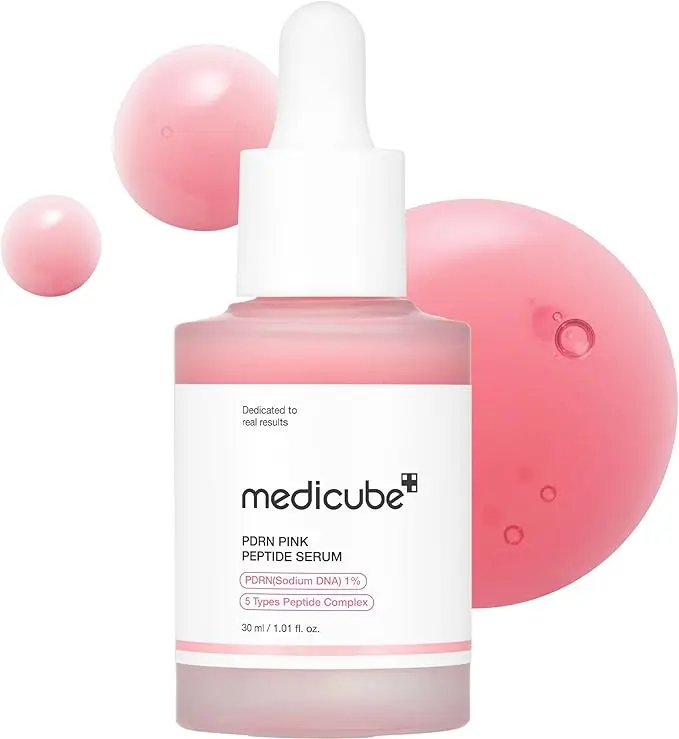
  • Retinol

    Retinol

    Why Is Retinol Less Common in Japanese Skincare?

    What Japanese brands often use instead and when retinol is still the better choice.

    Japanese skincare does use retinol, but it is often less visible than in Western or Korean beauty. The difference is not that Japan “avoids” retinol completely it is that many brands build routines around gentler daily care.

    Quick answer

    Japanese skincare often emphasizes hydration, barrier support, brightening, and long-term consistency. That is why ingredients such as tranexamic acid, vitamin C derivatives, ceramides, niacinamide, and antioxidants may appear more often than strong retinol products.

    Retinol is still available in Japan, especially in targeted wrinkle-care products. It is simply not the only path to smoother or brighter-looking skin.

    Does Japanese skincare really avoid retinol?

    Not exactly. Japanese brands sell both pure retinol and retinol-derivative products, especially in wrinkle-care creams and anti-aging lines.

    What is different is the wider skincare culture. Many Japanese routines focus first on cleansing gently, maintaining hydration, protecting the barrier, and using sunscreen consistently.

    Japan does not reject retinol. It simply treats it as one targeted option rather than the center of every anti-aging routine.

    Why does retinol feel less dominant?

    Retinol can be effective, but it can also cause dryness, peeling, redness, and increased sensitivity especially when introduced too quickly.

    Japanese skincare often favors products that are easy to use every day and less likely to disrupt the routine. This creates more space for moisturizing, brightening, and barrier-support ingredients.

    Packaging and regulation also shape how products are marketed. Japanese brands may focus on approved quasi-drug claims such as wrinkle improvement or brightening rather than promoting high percentages as a selling point.

    What Japanese skincare often uses instead

    Tranexamic acidOften used in Japanese brightening products to target the appearance of dark spots and uneven tone.
    Vitamin C derivativesUsed for dullness, uneven-looking tone, and antioxidant support with formulas designed for regular use.
    CeramidesHelp support the skin barrier and reduce moisture loss, which can make the skin look smoother and healthier.
    NiacinamideCan support the barrier and improve the appearance of uneven tone and fine lines.
    Astaxanthin and other antioxidantsUsed to help protect against oxidative stress and support a more resilient-looking complexion.
    Peptides and rich moisturizersOften used to improve the appearance of dryness-related fine lines and give mature skin a smoother finish.
    These are not exact substitutes for retinol. They target different problems and usually work more gradually.

    What can these alternatives realistically do?

    Ceramides and humectants can improve dryness and help the skin look plumper. Tranexamic acid and vitamin C derivatives can support brighter-looking, more even skin.

    Niacinamide and peptides may help with texture and the appearance of fine lines. Antioxidants can support the skin against environmental stress.

    None of these ingredients reproduces every benefit of retinol. Retinol still has a stronger role in cell turnover, fine-line care, and acne management for people who tolerate it.

    When retinol is still the better choice

    Retinol may make more sense when your main concern is persistent texture, visible fine lines, or acne and clogged pores.

    The key is to introduce it slowly, use a moisturizer, and wear sunscreen every morning. Sensitive skin may need a lower-strength product or a less frequent schedule.

    Gentle does not always mean weak, and strong does not always mean better. The best ingredient is the one your skin can use consistently.

    Japanese retinol products to consider

    Targeted wrinkle cream

    Shiseido Retinol Wrinkle White Cream

    Shiseido retinol wrinkle cream tube

    Best for: Targeted fine-line care and people who want a Japanese pure-retinol product

    A targeted wrinkle-care cream from Shiseido built around retinol. It is better suited to focused areas than to aggressive full-face use from the first day.

    Keep in mind: Start slowly and follow the current package directions. Product names and formulas can vary by market.

    Check price on Amazon Japan
    Budget-friendly retinol care

    SANA Nameraka Honpo Wrinkle Gel Cream N

    SANA Nameraka Honpo Wrinkle Gel Cream jar

    Best for: Daily moisturizing and beginner-friendly anti-aging care

    A richer all-in-one style moisturizer from a popular Japanese drugstore line. It is designed more for comfortable daily care than for high-intensity retinoid treatment.

    Keep in mind: Confirm the current ingredient list before describing the exact retinol type or concentration.

    Check price on Amazon Japan

    Japan vs Korea: which approach is better?

    Neither country has one single skincare philosophy. Both Japanese and Korean brands make gentle products, strong actives, minimalist formulas, and trend-driven launches.

    Korean beauty often introduces new ingredients and textures quickly. Japanese skincare is often associated with consistency, hydration, and long-term routine building.

    The better choice depends on your skin, not the country. Sensitive skin may prefer a simple Japanese-style routine, while someone comfortable with actives may enjoy a more treatment-focused Korean or Western routine.

    Common questions

    Can I use a Japanese retinol product every day?

    Not automatically. Daily use depends on the product, strength, and your tolerance. Start slowly and follow the package directions.

    Is Japanese skincare effective without retinol?

    Yes, depending on your goal. Hydration, barrier support, brightening, and antioxidant care do not require retinol.

    Are retinol alternatives as effective as retinol?

    Not for every concern. Alternatives may be gentler and more comfortable, but retinol has a stronger role in fine-line, texture, and acne care.

    Which alternative is best for sensitive skin?

    Ceramides, panthenol, glycerin, and low-strength niacinamide are often easier starting points than strong retinol.

    Can I combine retinol with tranexamic acid or ceramides?

    Usually yes. Ceramides can support comfort, and tranexamic acid can be used in the same routine if your skin tolerates the combination.

    The MonoMemo Take

    Japanese skincare does not avoid retinol completely. It simply gives more attention to hydration, barrier support, and brightening ingredients that are easier to use consistently.

    Choose retinol when you need what retinol does best. Choose gentler alternatives when comfort, consistency, and barrier health matter more.

    This article is for general skincare education and does not replace advice from a dermatologist. Avoid retinoids during pregnancy unless your medical professional says otherwise.

    Affiliate disclaimer: This post contains affiliate links. MonoMemo may earn a small commission if you purchase through them, at no extra cost to you.
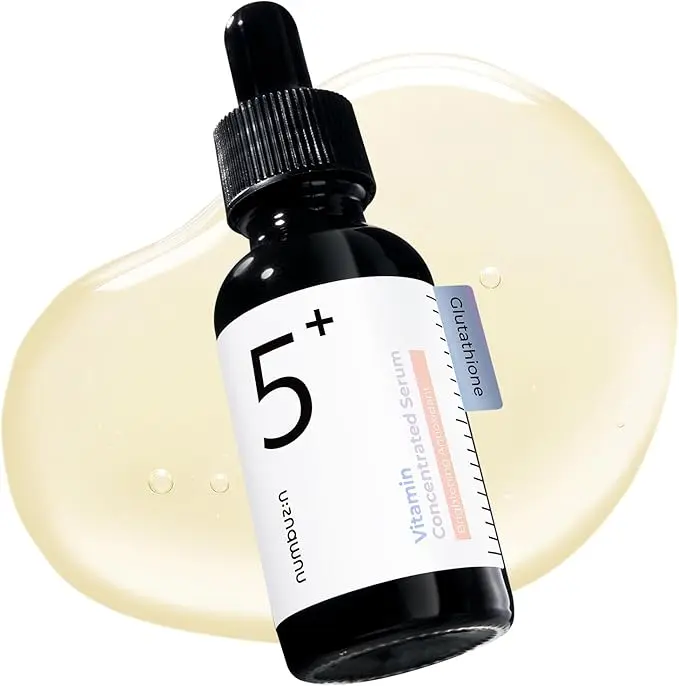
  • Collagen vs Retinol

    Collagen vs Retinol

    Collagen vs Retinol: What Is the Real Difference?

    One mainly moisturizes the surface. The other changes how skin behaves over time.

    Collagen and retinol are often placed in the same “anti-aging” category, but they do not work in the same way. Topical collagen mainly helps skin feel hydrated and look temporarily plumper, while retinol has stronger evidence for fine lines, texture, and long-term collagen support.

    Quick answer

    Choose a collagen cream when your main goal is moisture, softness, and a smoother-looking surface. Choose retinol when you want to target fine lines, uneven texture, acne, or visible sun damage.

    You can use both in the same routine because collagen skincare can act as a moisturizing step after retinol.

    What does topical collagen actually do?

    Collagen is a structural protein naturally found in the skin. It helps give the deeper layers of skin strength and support.

    However, collagen applied in a cream does not simply replace the collagen already inside your skin. Most topical collagen products work mainly as moisturizers and film-formers. They can reduce dryness and make the surface look smoother or temporarily plumper.

    The important distinction: collagen in your skin provides structure, but collagen in a cosmetic usually provides surface hydration and softness.

    What does retinol do?

    Retinol is a vitamin A derivative and a type of retinoid. Once processed by the skin, it influences cell turnover and signaling pathways linked with collagen production.

    With consistent use, retinol can improve the appearance of fine lines, rough texture, uneven tone, and some forms of acne. It usually needs weeks or months not a few nights to produce visible results.

    Retinol can also cause dryness, peeling, redness, or stinging, especially when used too often at the beginning.

    Collagen vs retinol at a glance

    Topical Collagen

    Main role: Hydration and surface conditioning

    Best for: Dryness, tightness, temporary plumpness

    Results: Usually immediate but mostly cosmetic and temporary

    Irritation risk: Generally low, depending on the full formula

    Retinol

    Main role: Cell turnover and long-term skin remodeling

    Best for: Fine lines, texture, acne, uneven tone

    Results: Gradual, usually requiring consistent use

    Irritation risk: Moderate, especially during the adjustment period

    Which one should you choose?

    Choose a collagen moisturizer if:

    • Your skin feels dry, tight, or uncomfortable.
    • You want a richer cream that makes skin look soft and dewy.
    • You are not ready to manage retinol irritation.
    • Your priority is comfort rather than active wrinkle treatment.

    Choose retinol if:

    • You want to target fine lines or rough texture.
    • You have mild acne or clogged pores.
    • You want a better-studied active for photoaging.
    • You are willing to start slowly and use sunscreen consistently.
    Collagen is not the “gentle version” of retinol. It is a different type of ingredient with a different job.

    Can you use collagen and retinol together?

    Yes. There is no general conflict between a topical collagen moisturizer and retinol. In fact, a moisturizing cream may help reduce the dry or tight feeling that sometimes comes with retinol.

    1. Cleanse gently and let your skin dry.
    2. Apply a small amount of retinol at night.
    3. Follow with your collagen cream or another plain moisturizer.
    4. Wear broad-spectrum sunscreen every morning.

    Very sensitive skin can also use the “sandwich” method: moisturizer, retinol, then another thin layer of moisturizer.

    Collagen moisturizers to consider

    Japanese all-in-one gel

    Dr.Ci:Labo Aqua Collagen Gel Enrich-Lift EX

    Dr.Ci:Labo Aqua Collagen Gel Enrich-Lift EX jar

    Best for: Dry or mature skin and people who prefer an easy all-in-one moisturizer

    A rich Japanese gel-cream designed to combine several moisturizing steps in one product. Its main practical benefit is hydration and a smoother, more cushioned skin feel.

    Keep in mind: “Collagen” in the product name does not mean it rebuilds lost dermal collagen.

    Check price on Amazon Japan
    Rich Korean moisturizer

    Medicube Triple Collagen Cream

    Medicube Triple Collagen Cream jar

    Best for: Dry or dull-looking skin that benefits from a richer, glossy finish

    A Korean moisturizer formulated around collagen ingredients, niacinamide, and emollients. It is better understood as a hydrating and conditioning cream than as a substitute for retinol.

    Keep in mind: Rich creams may feel heavy on oily or acne-prone skin. Check the current ingredient list if you are sensitive to fragrance or plant extracts.

    Check price on Amazon Japan

    How to start retinol safely

    • Begin with the lowest practical strength.
    • Use it two nights per week at first.
    • Apply only a pea-sized amount for the whole face.
    • Avoid layering several irritating actives on the same night.
    • Increase frequency only when your skin feels comfortable.
    • Use sunscreen every morning.

    Stop and simplify your routine if you develop persistent burning, swelling, or severe peeling.

    Common questions

    Which is better for wrinkles: collagen or retinol?

    Retinol has stronger evidence for improving fine lines over time. Topical collagen mainly hydrates the surface and can make lines look temporarily softer.

    Can collagen cream stimulate collagen production?

    A cosmetic may contain other ingredients that support the appearance of firm skin, but topical collagen itself mainly acts as a moisturizer and film-former.

    Can I use collagen cream after retinol?

    Yes. A collagen cream can be used as the moisturizing step after retinol, provided the overall formula suits your skin.

    Which is easier for sensitive skin?

    A simple collagen moisturizer is usually easier to tolerate. Retinol requires a slower introduction and may not suit every sensitive-skin routine.

    Can I use retinol during pregnancy?

    Retinoids are generally avoided during pregnancy. Ask your medical professional for pregnancy-safe skincare guidance.

    The MonoMemo Take

    Collagen creams are useful moisturizers, but they should not be marketed as if they rebuild the skin’s internal collagen network.

    Retinol is the stronger treatment ingredient. Collagen is the comfort step. Use one or both according to the job you actually need done.

    Sources

    This article is for general skincare education and does not replace medical advice. Retinoids are generally avoided during pregnancy; ask your healthcare professional for personalized guidance.

    Affiliate disclaimer: This post contains affiliate links. MonoMemo may earn a small commission if you purchase through them, at no extra cost to you.
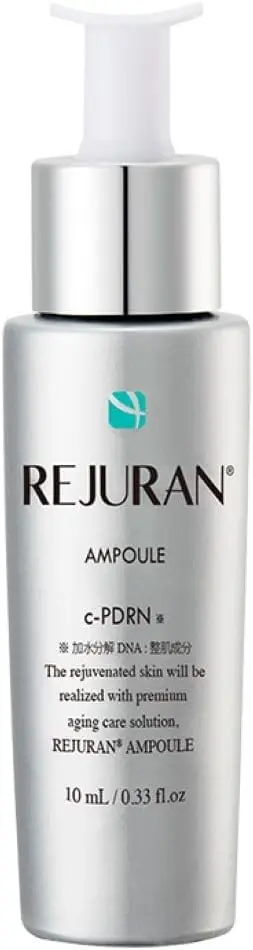
  • Toner

    Toner

    Do You Really Need a Toner?

    Toner can be useful, but it is not a required step for everyone.

    Toner often appears between cleansing and serum, which can make it feel essential. In reality, a good toner is an optional support step not the foundation of a skincare routine.

    Quick answer

    You do not need toner if your cleanser, moisturizer, and sunscreen already keep your skin comfortable. A toner can still be useful when you want lightweight hydration, gentle soothing, or a carefully chosen exfoliating step.

    What does toner actually do?

    Modern toners are very different from the harsh, alcohol-heavy formulas many people remember. Most now fall into one of three groups:

    • Hydrating toners: add lightweight moisture with humectants such as glycerin or hyaluronic acid.
    • Soothing toners: focus on comfort with ingredients such as panthenol, allantoin, or centella.
    • Exfoliating toners: use acids such as AHA, BHA, or PHA to loosen dead surface cells.
    Toner does not “open pores,” permanently balance the skin’s pH, or make every serum absorb better. Its value depends on the formula and what your routine is missing.

    Japanese lotion vs Korean toner

    Japanese Lotion

    In Japan, keshosui is often translated as “lotion,” although its texture is usually watery. These products commonly focus on hydration, softness, and preparing the skin for emulsion or cream.

    Korean Toner

    Korean toners cover a wider range of textures and purposes. Some are watery and soothing, while others exfoliate or feel closer to a lightweight essence.

    The difference is mostly about product culture and naming. A Japanese lotion and a Korean toner may perform almost the same job if their ingredient lists are similar.

    When toner may be worth using

    • Your skin feels dry or tight after cleansing.
    • You prefer several thin hydrating layers instead of one heavy cream.
    • You want a soothing step during periods of mild sensitivity.
    • You need a separate exfoliating product and can use it without irritation.
    • You enjoy the step and it helps you stay consistent with your routine.

    When you can skip it

    • Your moisturizer already keeps your skin comfortable.
    • Your serum provides enough hydration.
    • Your routine feels crowded or expensive.
    • Your skin becomes irritated when you layer too many products.
    • You are simplifying a damaged or reactive skin-barrier routine.
    A shorter routine is not an incomplete routine. Cleanser, moisturizer, and sunscreen can be enough for many people.

    How to choose the right type

    For dry or dehydrated skin:

    Look for glycerin, hyaluronic acid, amino acids, beta-glucan, or panthenol. Apply moisturizer afterward to help reduce water loss.

    For sensitive skin:

    Choose a simple formula with fewer fragrance ingredients and avoid strong exfoliating acids during flare-ups. “Alcohol-free” can be helpful, but the entire formula matters more than one label.

    For oily or acne-prone skin:

    Choose a lightweight hydrating toner or a carefully formulated BHA product if clogged pores are your concern. Avoid using an exfoliating toner simply because your skin feels oily.

    For dull or rough skin:

    A mild AHA or PHA toner may help, but start slowly. Exfoliating toner should not be treated like a harmless hydration step.

    Recommended Japanese toners

    Simple hydration

    Hada Labo Gokujyun Hyaluronic Lotion

    Hada Labo Gokujyun Hyaluronic Lotion bottle

    Best for: Normal, dry, or dehydrated skin that wants straightforward lightweight moisture

    A well-known Japanese hydrating lotion with multiple forms of hyaluronic acid. It works best as a moisture layer under cream rather than as a complete moisturizer on its own.

    Keep in mind: Apply moisturizer afterward if your skin is dry, especially in air-conditioned or low-humidity environments.

    Check price on Amazon Japan
    Dry sensitive skin

    Curél Moisture Lotion III Enrich

    Curél Moisture Lotion III Enrich bottle

    Best for: Dry, easily irritated skin that prefers a richer hydrating lotion

    A Japanese lotion designed for dry, sensitive skin. It adds a comfortable hydration layer before moisturizer without functioning as an exfoliating toner.

    Keep in mind: Product lines and ingredient lists can change, so check the current packaging if you have known sensitivities.

    Check price on Amazon Japan
    Minimal routine

    Muji Sensitive Skin Toning Water High Moisture

    Muji Sensitive Skin Toning Water High Moisture bottle

    Best for: People who want a simple, comfortable hydration step with a light texture

    A straightforward Japanese toning water for daily moisture. It fits well into routines that avoid strong actives and heavy textures.

    Keep in mind: “Sensitive skin” labeling does not guarantee that every formula will suit every reactive skin type.

    Check price on Amazon Japan

    Recommended Korean toners

    Layered hydration

    Isntree Hyaluronic Acid Toner

    Isntree Hyaluronic Acid Toner bottle

    Best for: Dehydrated skin that likes a slightly more substantial hydrating toner

    A Korean toner built around humectants for a plumper, more hydrated skin feel. It can be used in one layer; multiple layers are optional, not necessary.

    Keep in mind: Humectant-heavy products may still need a moisturizer on top, particularly in dry conditions.

    Check price on Amazon Japan
    Gentle daily toner

    Etude SoonJung pH 5.5 Relief Toner

    Etude SoonJung pH 5.5 Relief Toner bottle

    Best for: Sensitive or easily irritated skin that wants a light, calming layer

    A lightweight Korean toner commonly chosen for simple, low-irritation routines. It is better suited to soothing and hydration than exfoliation.

    Keep in mind: Patch testing is still sensible if your skin reacts easily.

    Check price on Amazon Japan
    Light soothing care

    Round Lab 1025 Dokdo Toner

    Round Lab 1025 Dokdo Toner bottle

    Best for: Normal, combination, or mildly sensitive skin that prefers a very watery toner

    A light Korean toner designed to add moisture without a heavy finish. It suits routines where a richer toner would feel sticky or excessive.

    Keep in mind: Very dry skin may need a richer serum or cream afterward.

    Check price on Amazon Japan

    How to use toner

    1. Cleanse your face gently.
    2. Apply toner with clean hands or a soft cotton pad.
    3. Use serum next if your routine includes one.
    4. Finish with moisturizer.
    5. Apply sunscreen in the morning.

    Hydrating toner can usually be used daily. Exfoliating toner should be introduced more carefully and should not automatically be used every day.

    Common questions

    Can I skip toner if I use serum?

    Yes. If your serum and moisturizer already provide enough hydration, toner is optional.

    Should I use toner every day?

    A gentle hydrating toner can usually be used daily. Exfoliating toners should be used according to their strength, your skin tolerance, and the rest of your routine.

    Does toner help products absorb better?

    Applying products to slightly damp skin can sometimes improve spreadability, but toner is not required for a serum or moisturizer to work.

    Should toner go before moisturizer?

    Yes. Toner is usually applied after cleansing and before serum, emulsion, or moisturizer.

    What is the best toner for sensitive skin?

    Look for a simple hydrating formula and avoid strong fragrance or exfoliating acids during periods of irritation. The full formula matters more than any single “sensitive skin” claim.

    The MonoMemo Take

    Toner is useful when it solves a specific problem: light hydration, soothing, or controlled exfoliation.

    Do not add it because a routine diagram says you should. Add it because your skin has a reason to need it.

    This article provides general skincare information and does not replace medical advice. Stop using a product if you develop persistent burning, swelling, or a worsening rash.

    Affiliate disclaimer: This post contains affiliate links. MonoMemo may earn a small commission if you purchase through them, at no extra cost to you.
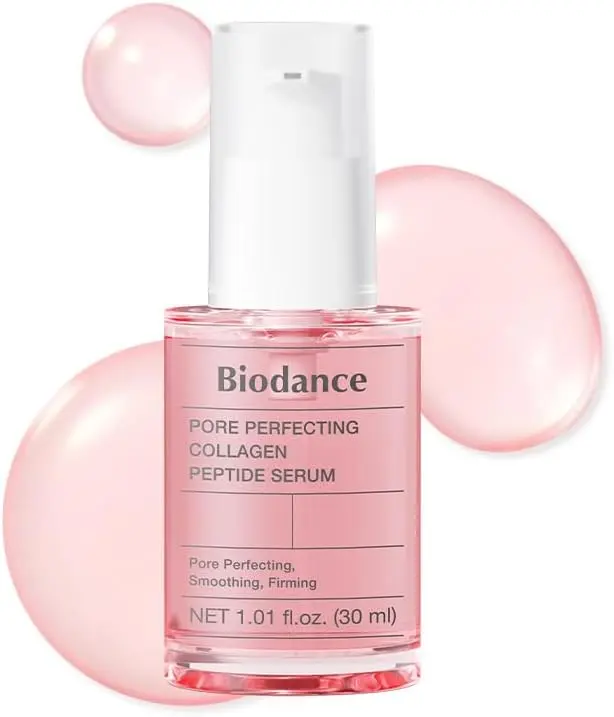
  • Retinol Guide

    Retinol Guide

    Best Retinol Products from Japan and Korea

    Six options for beginners, dry skin, wrinkles, texture, and experienced retinol users.

    The best retinol product is not always the strongest one. A formula you can use consistently without damaging your skin barrier is usually the better choice.

    Quick answer

    Beginners should start with a gentle serum or cream and use it only two nights per week. Dry skin often does better with a moisturizing cream, while experienced users may prefer a more concentrated retinol formula.

    What retinol can and cannot do

    Retinol is a vitamin A derivative used to improve the appearance of fine lines, rough texture, uneven tone, and some forms of acne. It works gradually, so visible changes usually take weeks or months of consistent use.

    Retinol is not an overnight fix. It can also cause dryness, peeling, redness, or stinging when introduced too quickly.

    More irritation does not mean better results. If your skin is constantly inflamed, your routine is too aggressive.

    Who should use retinol?

    • People concerned about fine lines or uneven texture
    • People with mild acne or clogged pores
    • People looking for a well studied long-term skincare active
    • People who are willing to use sunscreen consistently

    Who should be more careful?

    • Very sensitive or reactive skin
    • Active eczema, dermatitis, or a damaged skin barrier
    • People already using several strong exfoliating products
    • Pregnant users, who are generally advised to avoid retinoids

    How to start safely

    • Use a pea-sized amount for the whole face.
    • Start with two nights per week.
    • Apply to dry skin after cleansing.
    • Follow with moisturizer.
    • Avoid layering several irritating actives on the same night.
    • Wear sunscreen every morning.

    Top retinol picks

    Best for beginners

    Anua Retinol 0.3% Serum

    Anua Retinol 0.3% Serum bottle

    Best for: New retinol users who want a serum format

    A Korean retinol serum positioned as a more approachable option for users starting vitamin A skincare. Its serum texture makes it easy to place between cleansing and moisturizer.

    Keep in mind: A 0.3% retinol product can still irritate sensitive skin. Start slowly rather than assuming “beginner-friendly” means irritation-free.

    Check price on Amazon Japan
    Best for targeted wrinkle care

    Elixir Enriched Wrinkle Cream

    Elixir Enriched Wrinkle Cream tube

    Best for: Targeted use around visible expression lines

    A well-known Japanese wrinkle-care cream designed for focused application rather than full-face serum use. It may suit users who prefer a richer cream texture around specific areas.

    Keep in mind: Start with a small amount and avoid placing it too close to the eyes unless the current instructions specifically allow it.

    Check price on Amazon Japan
    Best for dry skin

    Hada Labo Gokujyun Alpha Lift Cream

    Hada Labo Gokujyun Alpha Lift Cream jar

    Best for: Dry or mature skin that prefers a cushioned cream texture

    A richer Japanese cream that combines moisture-focused care with an anti-aging positioning. It is easier to fit into a dry-skin routine than a lightweight oil or fast-drying serum.

    Keep in mind: Check the current ingredient list and product claims before presenting it as a pure retinol treatment.

    Check price on Amazon Japan
    Best all-in-one option

    Sana Nameraka Honpo Wrinkle Gel Cream

    Sana Nameraka Honpo Wrinkle Gel Cream jar

    Best for: People who want fewer skincare steps

    A practical Japanese gel-cream for users who prefer an all-in-one format. It focuses on moisture and wrinkle-care support without requiring a long routine.

    Keep in mind: An all-in-one product may not provide enough moisture for very dry skin or enough active strength for experienced retinoid users.

    Check price on Amazon Japan
    Best for texture-focused routines

    SOME BY MI Retinol Intense Reactivating Serum

    SOME BY MI Retinol Intense Reactivating Serum bottle

    Best for: Users focused on rough texture and uneven-looking pores

    A multi-active Korean serum that combines retinoid-style care with a broader texture-focused formula. It may appeal to users who prefer one serum addressing several visible concerns.

    Keep in mind: Multi-active formulas can be harder to troubleshoot if irritation occurs. Introduce it without other new actives.

    Check price on Amazon Japan
    Best for experienced users

    COSRX The Retinol 0.5 Oil

    COSRX The Retinol 0.5 Oil bottle

    Best for: Users who already tolerate retinol and prefer an oil texture

    A stronger retinol option in an oil base. It is better suited to users who already understand how their skin reacts to retinoids.

    Keep in mind: Do not choose this simply because the percentage is higher. A lower-strength product used consistently can be more effective than a stronger product that causes repeated irritation.

    Check price on Amazon Japan

    How these products were selected

    The list includes different textures, strengths, and routine styles rather than ranking products only by concentration. The goal is to help readers match a product to their experience level, skin type, and tolerance.

    • Clear use case
    • Practical texture for the target skin type
    • Availability through Amazon Japan
    • Reasonable fit within Japanese or Korean skincare routines

    Common questions

    How often should beginners use retinol?

    Start with two nights per week. Increase slowly only when your skin remains comfortable for several weeks.

    Can retinol be used with vitamin C?

    Yes, but sensitive skin may do better using vitamin C in the morning and retinol at night.

    Can retinol be used with exfoliating acids?

    They can exist in the same routine, but using them on separate nights often reduces irritation.

    How long does retinol take to work?

    Texture and acne changes may appear within several weeks, while fine-line improvement often requires a few months of consistent use.

    Should I moisturize after retinol?

    Yes. Moisturizer can reduce dryness and make retinol easier to tolerate.

    Can I use retinol during pregnancy?

    Retinoids are generally avoided during pregnancy. Ask your healthcare professional for pregnancy-safe skincare guidance.

    The MonoMemo Take

    Choose retinol by tolerance, not ego.

    The right product is the one you can use consistently while keeping your skin calm, moisturized, and protected from the sun.

    This article provides general skincare education and does not replace medical advice. Stop using retinol if you develop persistent burning, swelling, or severe peeling.

    Affiliate disclaimer: This post contains affiliate links. MonoMemo may earn a small commission if you purchase through them, at no extra cost to you.
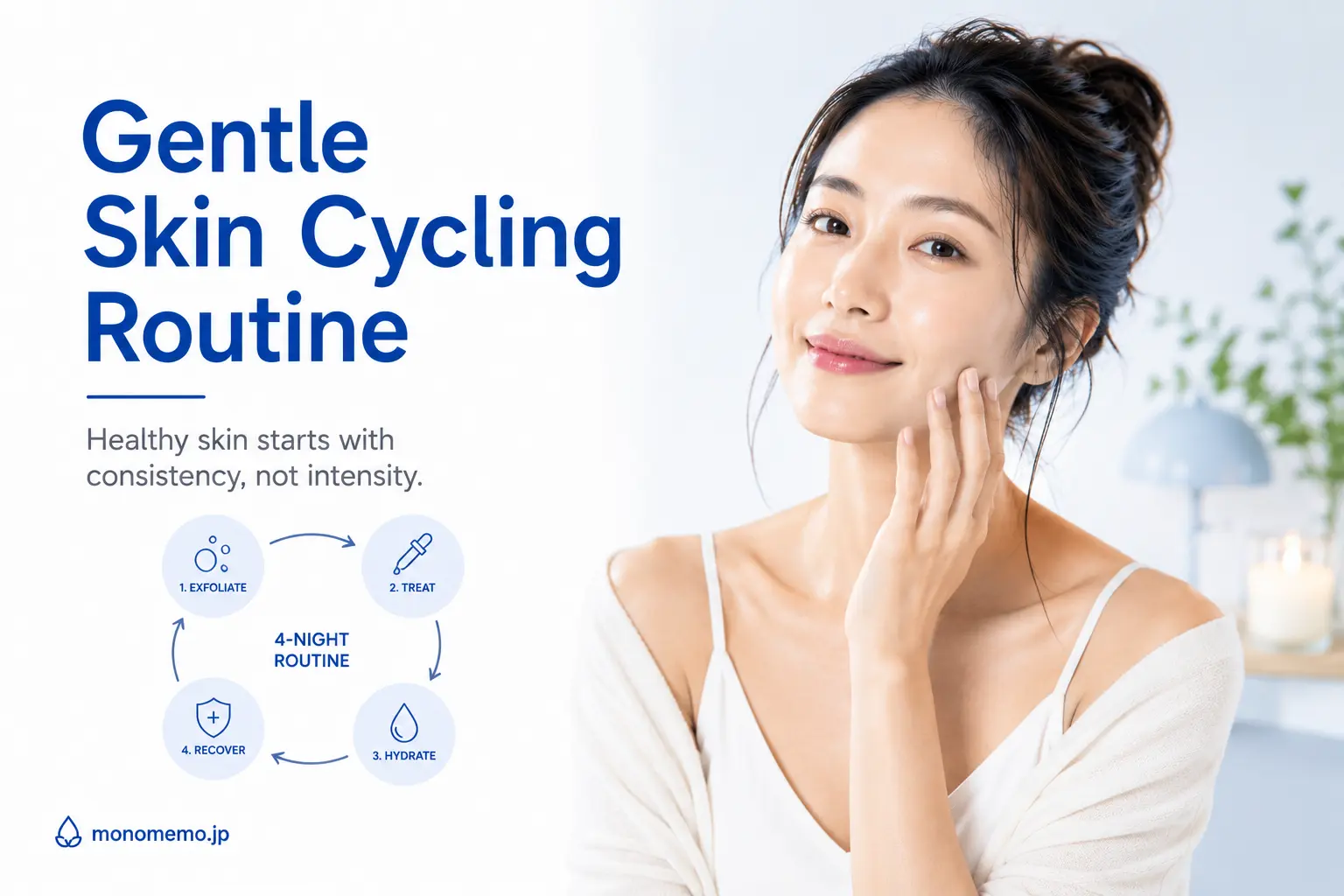
  • Minimalist Skincare

    Minimalist Skincare

    Minimalist Skincare for Every Skin Type

    A simple four-step routine for oily, dry, combination, and sensitive skin.

    A minimalist routine is not about using nothing. It is about using only what your skin actually needs.

    Quick answer

    Most people can build an effective routine around cleanser, moisturizer, sunscreen, and one optional treatment step. Your skin type changes the texture and strength of those products not the basic structure.

    What minimalist skincare really means

    Minimalist skincare removes unnecessary steps, overlapping ingredients, and products you only use because social media told you to. The goal is a routine that is easy to follow, easy to afford, and gentle enough to use consistently.

    Simple does not mean incomplete. A short routine can still support hydration, acne care, barrier health, and sun protection.

    The four essential steps

    • Cleanser: removes sunscreen, makeup, oil, and daily buildup.
    • Optional treatment: targets a specific concern such as acne, redness, dryness, or uneven tone.
    • Moisturizer: reduces water loss and supports the skin barrier.
    • Sunscreen: protects against UV damage and helps prevent dark spots and premature aging.

    Toner and serum are optional. They can be useful, but they are not automatically essential.

    Identify your skin type

    Oily skin Frequent shine, visible oil, clogged pores, or acne.
    Dry skin Tightness, flaking, roughness, or discomfort after cleansing.
    Combination skin An oily T-zone with normal or dry cheeks.
    Sensitive skin Frequent stinging, redness, itching, or reactions to new products.

    Minimalist routine for oily skin

    Choose lightweight textures and gentle cleansing. Oily skin still needs moisture drying it out can make the routine harder to tolerate.
    Step 1 · Cleanser

    Hada Labo Gokujyun Foaming Cleanser

    Best for: Daily cleansing without a heavy after-feel

    A simple foaming cleanser that suits users who want an easy, low-maintenance first step.

    Keep in mind: If your skin feels tight after washing, use less product or cleanse only once in the evening.

    Check price on Amazon Japan
    Step 2 · Optional toner

    Anua Heartleaf 77% Soothing Toner

    Best for: Lightweight soothing care

    A watery toner for users who enjoy an extra calming step without adding a rich texture.

    Keep in mind: Toner is optional. Skip it if your cleanser and moisturizer already keep your skin comfortable.

    Check price on Amazon Japan
    Step 3 · Optional serum

    iUNIK Tea Tree Relief Serum

    Best for: Oily skin that wants a light treatment step

    A lightweight serum positioned for soothing and oil-prone routines.

    Keep in mind: Tea tree can still irritate reactive skin. Patch test before full-face use.

    Check price on Amazon Japan

    Minimalist routine for dry skin

    Prioritize gentle cleansing, hydration, and a richer moisturizer. Dry skin usually benefits more from barrier support than from adding several active serums.
    Step 1 · Cleanser

    Curel Foaming Wash

    Best for: Dry or easily irritated skin

    A gentle foaming cleanser designed for skin that becomes tight or uncomfortable after washing.

    Keep in mind: Very dry skin may not need a morning cleanse. Rinsing with water can be enough.

    Check price on Amazon Japan
    Step 2 · Hydrating lotion

    Hada Labo Gokujyun Lotion Moist

    Best for: Adding lightweight hydration before cream

    A hydrating Japanese lotion that layers easily under moisturizer without replacing it.

    Keep in mind: Humectants work best when followed with moisturizer, especially in dry weather.

    Check price on Amazon Japan
    Step 3 · Optional ampoule

    Pyunkang Yul Moisture Ampoule

    Best for: Dry skin that wants a concentrated moisture step

    A thicker ampoule that can help make a dry-skin routine feel more cushioned.

    Keep in mind: Skip this step if your lotion and moisturizer already provide enough comfort.

    Check price on Amazon Japan
    Step 4 · Moisturizer

    Curel Moisturizing Face Cream

    Best for: Barrier-focused moisture

    A richer Japanese cream for skin that needs lasting comfort without a complicated routine.

    Keep in mind: Use less during humid weather and more when the skin feels tight.

    Check price on Amazon Japan

    Minimalist routine for combination skin

    Treat different areas differently when needed. You do not have to apply the same amount of moisturizer to your forehead and cheeks.
    Step 1 · Cleanser

    Senka Perfect Whip Acne Care

    Best for: Combination skin that prefers a foaming cleanser

    A cleanser aimed at users dealing with oilier areas and occasional clogged pores.

    Keep in mind: Foaming cleansers can feel drying on the cheeks. Stop if your skin feels stripped.

    Check price on Amazon Japan
    Step 2 · Optional toner

    Anua Heartleaf 77% Soothing Toner

    Best for: Light hydration across oily and dry areas

    A watery option that adds a small amount of hydration without making the T-zone feel heavy.

    Keep in mind: Toner is not required. Keep it only if it makes your routine more comfortable.

    Check price on Amazon Japan
    Step 3 · Optional serum

    Beauty of Joseon Calming Serum

    Best for: Combination skin with occasional redness

    A lightweight green tea and panthenol serum for users who want a soothing treatment step.

    Keep in mind: Apply only where needed if your T-zone becomes congested easily.

    Check price on Amazon Japan

    Minimalist routine for sensitive skin

    Keep the routine short and introduce one new product at a time. Sensitive skin often benefits more from consistency than from frequent product changes.
    Step 3 · Optional serum

    Round Lab Mugwort Calming Serum

    Best for: Redness-prone skin that tolerates botanical extracts

    A calming serum for users who want one optional treatment step in an otherwise basic routine.

    Keep in mind: Botanical does not automatically mean non-irritating. Patch test first.

    Check price on Amazon Japan
    Step 4 · Moisturizer

    Curel Intensive Moisture Cream

    Best for: Sensitive, dry, or barrier-weakened skin

    A richer moisturizer focused on comfort and barrier support.

    Keep in mind: If your skin is very reactive, start with only cleanser, moisturizer, and sunscreen before adding toner or serum.

    Check price on Amazon Japan

    Common minimalist skincare mistakes

    • Calling a routine minimalist while using several overlapping serums
    • Skipping moisturizer because the skin is oily
    • Changing products before giving the routine enough time
    • Adding strong actives before establishing a basic routine
    • Using too little sunscreen
    • Keeping a product that repeatedly causes stinging or redness

    Frequently asked questions

    Do I need toner in a minimalist routine?

    No. Toner is optional. Keep it only if it adds hydration, soothing, or another clear benefit your routine is missing.

    Can I mix Japanese and Korean skincare brands?

    Yes. Products do not need to come from the same brand. Focus on how the formulas work together and how your skin responds.

    How many products should a minimalist routine have?

    Three to four products are enough for many people: cleanser, moisturizer, sunscreen, and one optional treatment step.

    How long should I test a new routine?

    Give a basic routine several weeks unless a product causes clear irritation. Acne and pigmentation treatments usually need longer.

    Should I use sunscreen indoors?

    It depends on your exposure. Sunscreen matters most when you receive meaningful daylight through windows or spend time outside.

    Can a simple routine improve acne?

    A simple routine may reduce irritation and support consistency, but persistent or severe acne may require a proven acne treatment or professional care.

    The MonoMemo Take

    A good minimalist routine feels almost boring—and that is often why it works.

    Keep the essentials, remove the overlap, and add only one treatment when your skin gives you a clear reason.

    This article provides general skincare information and does not replace medical advice. Seek professional care for persistent irritation, severe acne, eczema, or unexplained skin changes.

    Affiliate disclaimer: This post contains affiliate links. MonoMemo may earn a small commission if you purchase through them, at no extra cost to you.
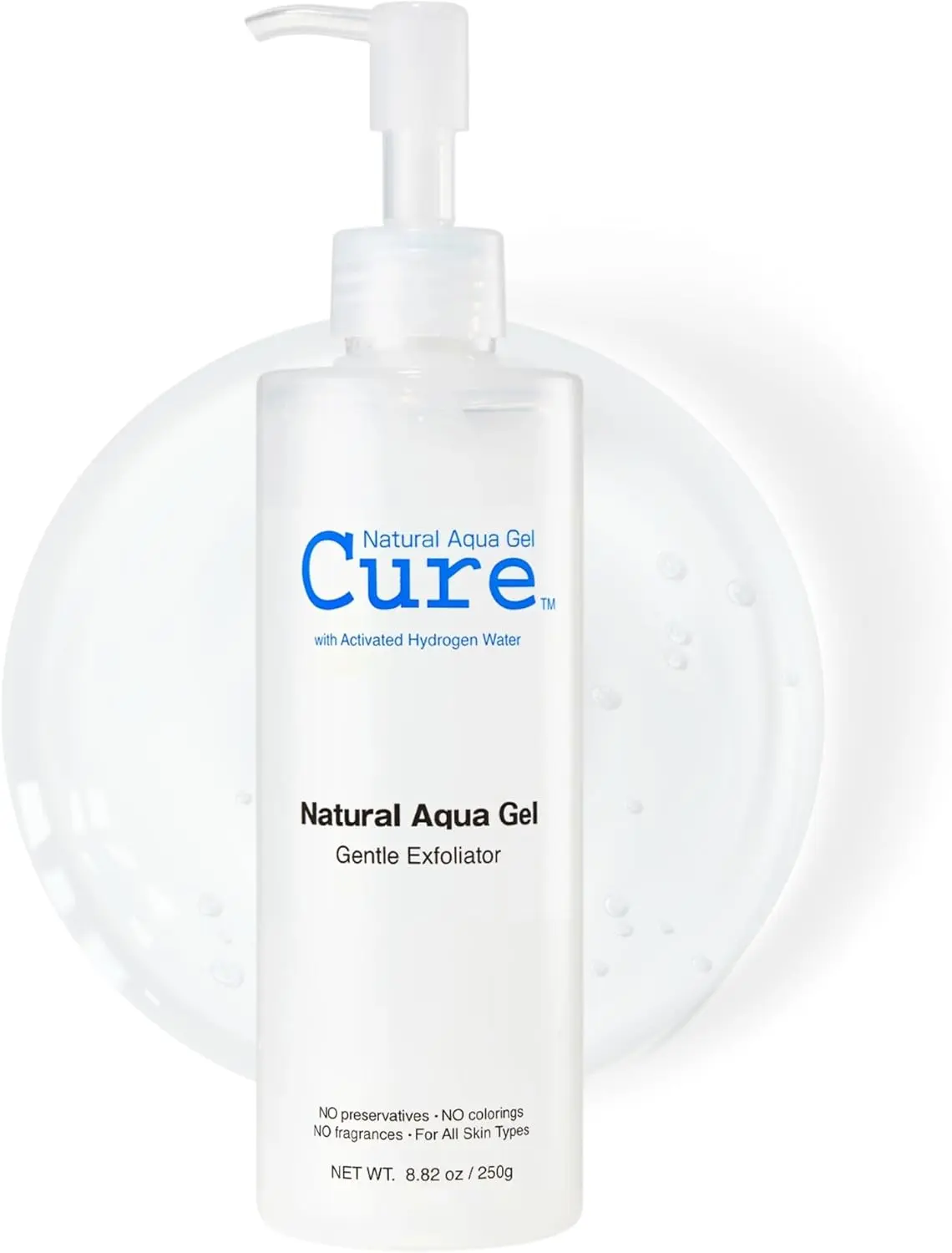
  • Mineral vs Chemical Sunscreens

    Mineral vs Chemical Sunscreens

    Mineral vs. Chemical Sunscreen

    How to choose a Japanese or Korean sunscreen for sensitive, acne-prone, or easily irritated skin.

    The best sunscreen is not automatically mineral or chemical. It is the one that gives you reliable protection without making your skin miserable.

    Quick answer

    Mineral sunscreen uses zinc oxide, titanium dioxide, or both. Chemical sunscreen uses organic UV filters, while hybrid formulas combine the two. Mineral formulas can be a good starting point for very reactive skin, but chemical and hybrid sunscreens often feel lighter and may be easier to wear every day.

    What is the real difference?

    Mineral and chemical filters both protect the skin mainly by absorbing ultraviolet radiation and converting it into a small amount of heat. Mineral filters also scatter and reflect part of that radiation.

    This is more accurate than the common explanation that mineral sunscreen only “reflects” UV while chemical sunscreen “absorbs” it.

    The label matters more than the marketing name. Check the active UV filters or full ingredient list to determine whether a sunscreen is mineral, chemical, or hybrid.

    Key differences at a glance

    Mineral sunscreens use zinc oxide, titanium dioxide, or both as their UV filters. They are often a useful starting point for people with very sensitive or easily irritated skin. Depending on the formula, they may feel slightly thicker and can leave a visible white cast, especially on deeper skin tones.

    Chemical sunscreens use organic UV filters such as Uvinul A Plus, Uvinul T150, Tinosorb S, avobenzone, or octinoxate. They usually feel lighter, spread more easily, and leave little to no visible residue, which can make them easier to wear every day or under makeup.

    Hybrid sunscreens combine mineral and chemical UV filters in the same formula. They are designed to balance strong UV protection with a more wearable texture and may reduce some common drawbacks of fully mineral formulas, such as a noticeable white cast.

    For sensitive or acne-prone skin, the filter category alone does not tell the whole story. Fragrance, alcohol, richer emollients, and the overall texture may have a bigger effect on irritation, comfort, or breakouts.

    Instead of choosing only by the words mineral, chemical, or hybrid, look at the complete formula, the finish, and how your own skin responds with regular use.

    Which type should you choose?

    Choose mineral when…

    Your skin stings easily, you react to many UV filters, or you prefer zinc oxide and titanium dioxide.

    Choose chemical when…

    You want a lighter, clearer finish that layers easily under makeup and feels comfortable in humid weather.

    Choose hybrid when…

    You want some mineral filters but prefer a more wearable finish than many fully mineral formulas provide.

    For acne-prone skin…

    Focus on the complete formula, not only the filter type. Heavy texture, fragrance, alcohol, or another ingredient may be the real trigger.

    What about sunscreen during pregnancy?

    Zinc oxide and titanium dioxide have the strongest established safety data among sunscreen filters in the United States. Some people therefore prefer mineral sunscreen during pregnancy.

    That does not mean every chemical sunscreen has been proven unsafe. Pregnancy advice should be individualized, especially if you have allergies, a skin condition, or concerns about a specific ingredient.

    Best mineral and mineral-forward options

    Best chemical and hybrid options

    Skin Aqua UV Moisture Gel SPF50+ bottle
    Chemical · Japan

    Skin Aqua UV Moisture Gel SPF50+

    Best for: Lightweight daily protection in humid weather

    A fluid Japanese gel that spreads quickly and feels less heavy than many cream sunscreens.

    Keep in mind: Check the current ingredient list if your skin reacts to alcohol or fragrance.

    Check price on Amazon Japan
    Anessa Perfect UV Sunscreen Mild Milk SPF50+ bottle
    Hybrid or formula-dependent · Japan

    Anessa Perfect UV Sunscreen Mild Milk SPF50+

    Best for: Sensitive skin that needs water-resistant protection

    A mild milk designed for stronger outdoor use while aiming for a gentler feel.

    Keep in mind: Anessa formulas can vary by market and reformulation. Confirm the current package if filter type matters to you.

    Check price on Amazon Japan

    How to use sunscreen correctly

    • Choose broad-spectrum protection with SPF 30 or higher.
    • Apply generously to all exposed skin.
    • Put it on before outdoor exposure so you have time to apply an even layer.
    • Reapply about every two hours outdoors and after swimming, sweating, or towel drying.
    • Use hats, shade, and protective clothing alongside sunscreen.

    Frequently asked questions

    Why does sunscreen sting my eyes?

    Sweat, product migration, fragrance, alcohol, or a particular UV filter can cause eye irritation. Try a more water-resistant formula or use a mineral sunscreen around the eye area.

    Do I need sunscreen indoors?

    It depends on your UV exposure. Sunscreen is more useful indoors when you spend meaningful time beside bright windows because UVA can pass through glass. Ordinary screen use alone is not a strong reason for most people to wear sunscreen.

    Is mineral sunscreen always better for sensitive skin?

    No. Mineral sunscreen is often a good starting point, but the complete formula matters. A mineral product can still feel drying or irritating, while a well-formulated chemical sunscreen may be comfortable.

    Can sunscreen cause acne?

    Any sunscreen can contribute to breakouts if the texture or other ingredients do not suit your skin. Filter type alone does not determine whether a product is non-comedogenic.

    Does mineral sunscreen work immediately?

    Sunscreen protection begins once an even film is formed on the skin. Applying before going outside is still sensible because it gives you time to cover every area properly.

    Do Japanese and Korean mineral sunscreens leave a white cast?

    Some do and some do not. Modern formulas can reduce visible cast, but zinc oxide and titanium dioxide may still appear pale, especially on deeper skin tones.

    The MonoMemo Take

    Do not choose sunscreen by fear-based labels.

    Choose the formula you can apply generously, wear comfortably, and reapply consistently. Daily use matters more than whether the front of the bottle says mineral, chemical, or hybrid.

    References

    Medical disclaimer: This article provides general skincare information and does not replace medical advice. Ask a qualified healthcare professional about pregnancy, allergies, skin disease, or persistent sunscreen reactions.

    Affiliate disclaimer: This post contains affiliate links. MonoMemo may earn a small commission if you purchase through them, at no extra cost to you.
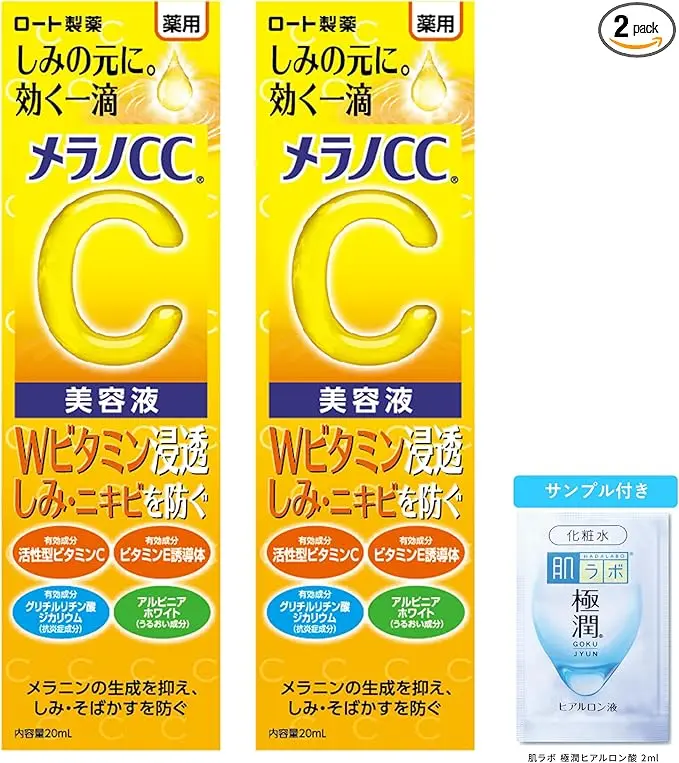
  • Skincare Tips

    Skincare Tips

    Skincare Actives: What Can You Use Together?

    A practical guide to combining retinol, vitamin C, niacinamide, AHA, BHA, and hydrating ingredients without overwhelming your skin.

    Skincare combinations are often presented as strict rules. In reality, most ingredients are not chemically “forbidden” together. The bigger concern is how much irritation your skin can handle in one routine.

    Quick answer

    Niacinamide and hyaluronic acid are generally easy to combine with other ingredients. Retinol, AHA, BHA, and strong vitamin C formulas may be more irritating, so beginners should introduce them separately.

    You do not need every active. Choose one ingredient that matches your main concern, use it consistently, and support it with moisturizer and daily sunscreen.

    Three rules that make actives easier

    Rule 1

    Start with one treatment

    Add one new active at a time. This makes it easier to see whether it helps or causes irritation.

    Rule 2

    Separate irritating ingredients

    Retinol and exfoliating acids can technically appear in the same routine, but using them on different nights is easier for most beginners.

    Rule 3

    Protect the skin barrier

    Gentle cleansing, moisturizer, and sunscreen are not optional support steps. They help your skin tolerate active ingredients.

    Rule 4

    Do not chase tingling

    Burning is not proof that a product is working. Persistent redness, peeling, soreness, or itching means your routine is too aggressive.

    Sensitive skin notice: If you have eczema, rosacea, a damaged skin barrier, or frequent reactions, begin with a basic cleanser, moisturizer, and sunscreen. Introduce treatment products only after your skin feels stable.

    Patch testing can help identify a reaction before you use a product across your entire face.

    Combinations that usually work well

    Generally compatible

    Niacinamide + Retinol

    Niacinamide supports the skin barrier and can sit comfortably beside retinol in many routines. It may be especially useful when dryness is a concern.

    Generally compatible

    Vitamin C + Sunscreen

    Vitamin C can be used before sunscreen in the morning. Sunscreen remains the essential step; vitamin C is an optional treatment for concerns such as uneven tone.

    Generally compatible

    Niacinamide + Vitamin C

    Modern formulas can be used together. The old claim that these ingredients automatically cancel each other out does not reflect normal cosmetic use.

    Generally compatible

    Hyaluronic Acid + Most Actives

    Hyaluronic acid is a hydrating ingredient rather than an exfoliating acid. It can usually be layered with retinol, vitamin C, niacinamide, AHA, or BHA.

    Combinations that need more care

    Higher irritation risk

    Retinol + AHA or BHA

    This combination is not universally forbidden, but it can increase dryness, peeling, and irritation. Most beginners will do better by alternating nights.

    Higher irritation risk

    Vitamin C + AHA or BHA

    Some experienced users tolerate them together. Sensitive skin may sting or become irritated, especially when using low-pH vitamin C and a strong exfoliant.

    Higher irritation risk

    Retinol + Strong Vitamin C

    They can be used in the same overall routine, but separating vitamin C into the morning and retinol into the evening is simpler and often more comfortable.

    Use carefully

    Retinol on Damp Skin

    Damp skin may increase product penetration and make retinol feel more irritating. Beginners should let the skin dry before applying it.

    A useful distinction: “Can these ingredients be used together?” and “Should your skin use them together?” are not the same question. A technically compatible combination can still be too irritating for you.

    A simple morning routine

    Morning: protect and support

    1. Gentle cleanser or water rinse
    2. Hydrating toner or serum, if needed
    3. Vitamin C or niacinamide, if it matches your goal
    4. Moisturizer
    5. Broad-spectrum sunscreen

    You do not need a vitamin C serum for sunscreen to work. Skip it if it stings, causes redness, or makes your routine harder to maintain.

    A simple evening routine

    Option 1: Retinol night

    1. Gentle cleanser
    2. Hydrating toner or serum
    3. Retinol on dry skin
    4. Moisturizer

    Option 2: Exfoliation night

    1. Gentle cleanser
    2. AHA or BHA
    3. Hydrating serum, if desired
    4. Moisturizer

    Start once weekly. Increase only when your skin remains comfortable. More frequent exfoliation is not automatically more effective.

    Option 3: Recovery night

    1. Gentle cleanser
    2. Hydrating toner or serum
    3. Niacinamide, if tolerated
    4. Moisturizer

    Recovery nights are useful between stronger treatments. A routine without retinol or acids is not a wasted night.

    A beginner-friendly weekly plan

    Monday

    Retinol night

    Tuesday

    Recovery routine

    Wednesday

    Recovery routine

    Thursday

    AHA or BHA night

    Friday

    Recovery routine

    Weekend

    Retinol once, only if your skin is comfortable

    This is only a starting example. Very sensitive skin may need fewer active nights, while experienced users may gradually tolerate more.

    Product options for a simple routine

    Curel Foaming Facial Wash

    Best for: A gentle cleansing step

    A simple option when you want to remove sunscreen without adding another strong treatment product.

    Check price on Amazon Japan

    Hada Labo Gokujyun Premium Lotion

    Best for: Adding hydration around active nights

    A rich hydrating lotion that can help reduce the tight feeling caused by a dry routine.

    Check price on Amazon Japan

    Melano CC Intensive Anti-Spot Essence

    Best for: An optional morning vitamin C step

    Consider it when uneven tone is a main concern and your skin tolerates vitamin C.

    Check price on Amazon Japan

    COSRX BHA Blackhead Power Liquid

    Best for: Occasional exfoliation for clogged pores

    Begin slowly and use it on a separate night from retinol while you learn how your skin responds.

    Check price on Amazon Japan

    The Ordinary Niacinamide 10% + Zinc 1%

    Best for: Oiliness and a simple niacinamide step

    Ten percent may feel strong for some sensitive skin types. A lower-strength niacinamide formula can be a better starting point if this one stings.

    Check price on Amazon Japan

    Curel Moisture Facial Cream

    Best for: Supporting dry or sensitive skin

    A straightforward moisturizer for active nights and recovery routines.

    Check price on Amazon Japan

    Bioré UV Aqua Rich Watery Essence SPF50+

    Best for: Lightweight daily sun protection

    A wearable sunscreen can make it easier to stay consistent while using retinol or exfoliating acids.

    Check price on Amazon Japan

    Pregnancy note: Topical retinoids are generally avoided during pregnancy. Speak with your doctor about retinoids if you are pregnant, planning pregnancy, or breastfeeding.

    This warning includes prescription retinoids and is also a sensible precaution for cosmetic retinol products.

    Frequently asked questions

    Can I use niacinamide with retinol?

    Yes. They are commonly used in the same routine. Niacinamide may also support hydration and barrier comfort around retinol use.

    Can I use vitamin C with niacinamide?

    Yes. Modern skincare formulas can generally be layered together. Separate them only when the combination feels irritating or pills on the skin.

    Can I use retinol and AHA or BHA together?

    Some experienced users tolerate them in the same routine, but the combination raises the risk of irritation. Alternating nights is the safer and simpler starting approach.

    How often should I use AHA or BHA?

    Begin once weekly. Increase only if your skin remains calm, comfortable, and free from persistent peeling or soreness.

    How often should a beginner use retinol?

    Start one or two nights per week with a low-strength product. Increase gradually rather than beginning with nightly use.

    What should I do if my skin becomes irritated?

    Pause retinol, acids, and other irritating treatments. Use a gentle cleanser, moisturizer, and sunscreen until the skin feels normal again. Restart one product at a lower frequency.

    Do I need several active ingredients?

    No. One well-chosen active used consistently can be more useful than a complicated routine that repeatedly irritates your skin.

    The MonoMemo Take

    The best active combination is not the one with the most ingredients.

    Choose one main treatment, give it time, and keep the rest of the routine calm. Consistency usually does more for the skin than stacking every trending serum into the same night.

    References

    Medical disclaimer: This article provides general skincare information and does not replace diagnosis or treatment from a qualified healthcare professional.

    Affiliate disclaimer: This post contains affiliate links. MonoMemo may earn a small commission if you purchase through them, at no extra cost to you.
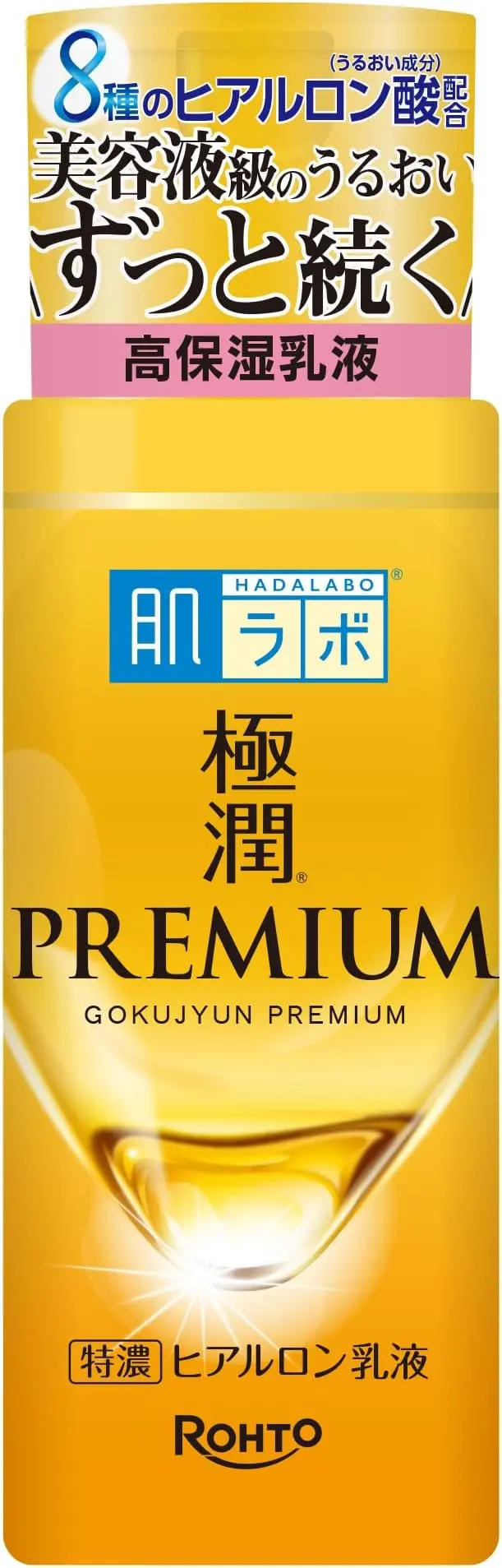
  • Best Japanese & Korean Sunscreens

    Best Japanese & Korean Sunscreens

    Best Japanese and Korean Sunscreens for Sensitive Skin

    Six comfortable sunscreen options for different skin types, finishes, and daily routines.
    Sensitive skin does not need a single “perfect” sunscreen. It needs a formula that gives reliable protection and feels comfortable enough for you to apply generously every day.
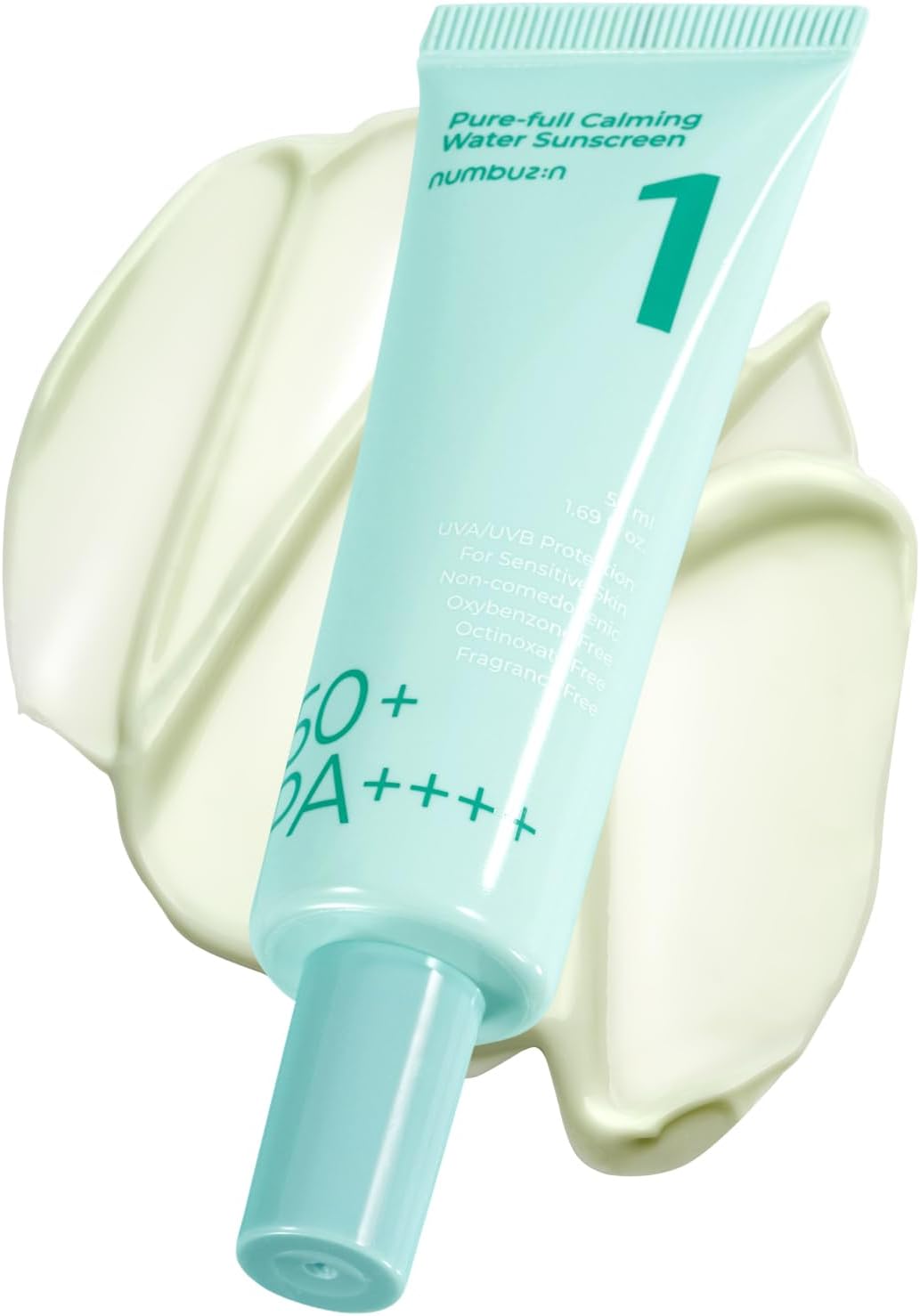
    Quick answer

    Anessa Perfect UV Mild Milk is the most sensitivity-focused option in this list. Round Lab Birch Juice is the better match for dry skin, while Bioré UV Aqua Rich suits readers who prioritize a light, invisible finish.

    No sunscreen is guaranteed to work for every reactive skin type. Check the current ingredient list and patch test when your skin is easily irritated.

    How we chose these sunscreens

    We looked at more than the SPF number. A sunscreen for sensitive skin also needs a texture people can realistically wear, a finish that suits the intended skin type, and clear usage information.

    High UV protection

    Every product in this guide is marketed with high UVA and UVB protection in its listed market.

    Wearable texture

    Heavy or uncomfortable sunscreen is harder to apply in an adequate amount and harder to reapply.

    Different skin needs

    We included milky, watery, moisturizing, primer-like, and dewy finishes rather than pretending one texture fits everyone.

    Conservative claims

    “Sensitive skin” is not a guarantee of zero irritation. Individual reactions can depend on the full formula.

    Important: Product formulas can change by country and reformulation. Always check the current packaging and ingredient list before purchasing, especially when you avoid fragrance, alcohol, or a specific UV filter.

    What makes sunscreen easier for sensitive skin?

    Labels such as “mild,” “mineral,” “chemical,” or “for sensitive skin” can be useful starting points, but they do not predict every reaction. The complete formula and the condition of your skin barrier matter more than one marketing term.

    Fragrance and alcohol

    Some reactive skin types prefer fragrance-free or alcohol-free formulas. Others tolerate them without difficulty.

    Texture

    Dry skin may prefer a creamier finish. Oily skin may be more comfortable with a watery essence or light milk.

    White cast

    A visible cast varies by formula, skin tone, and the amount applied. Thin essences are often more transparent, but texture alone does not guarantee an invisible finish.

    Water resistance

    Daily indoor use and outdoor sports do not require the same formula. Choose water resistance based on sweat, swimming, and activity.

    Best Japanese and Korean sunscreen picks

    Anessa Perfect UV Mild Milk sunscreen bottle

    Anessa Perfect UV Mild Milk SPF50+ PA++++

    Best for: A sensitivity-focused, water-resistant milk

    Why we like it

    Anessa positions this formula specifically for sensitive skin and children. The current Japanese product information describes it as fragrance-free, colorant-free, ethanol-free, and made without parabens or mineral oil. It is also designed for the face and body.

    Keep in mind

    It is a two-phase milk, so it needs to be shaken well. Milk formulas can also feel drier or more noticeable than watery essences on some skin types.

    Check price on Amazon Japan
    Ihada UV Milk sunscreen bottle

    Ihada UV Milk SPF50+ PA++++

    Best for: Readers who prefer a simple Japanese drugstore option

    Why we like it

    Ihada is a Japanese skincare line built around easily irritated and unstable-feeling skin. This UV milk is a practical option for readers who already prefer the brand’s straightforward approach.

    Keep in mind

    “Medicated” in Japan means the product is regulated as a quasi-drug with approved active ingredients. It does not mean the sunscreen is a medical treatment or that irritation is impossible.

    Check price on Amazon Japan
    Biore UV Aqua Rich Watery Essence sunscreen tube

    Bioré UV Aqua Rich Watery Essence SPF50+ PA++++

    Best for: A light daily finish with minimal visible residue

    Why we like it

    This is one of Japan’s best-known watery sunscreens. Kao emphasizes fast spreading and a more even UV film in the current version, making it appealing for people who dislike thick sunscreen.

    Keep in mind

    A lightweight texture does not automatically make a product ideal for highly reactive skin. Check the current ingredient list if you avoid alcohol or fragrance.

    Check price on Amazon Japan
    KuSu sunscreen makeup base cream tube

    KuSu Sunscreen Makeup Base Cream Colorless SPF50 PA++++

    Best for: Combining sunscreen and makeup prep

    Why we like it

    This type of sunscreen-primer hybrid can simplify the morning routine when you want a smoother base before foundation.

    Keep in mind

    Makeup-base claims do not replace correct sunscreen application. You still need to use enough product for the labeled protection, which may be more than you normally apply as primer.

    Check price on Amazon Japan
    Round Lab Birch Juice Moisturizing Sun Cream tube

    Round Lab Birch Juice Moisturizing Sun Cream

    Best for: Dry skin and a moisturizer-like finish

    Why we like it

    Round Lab describes the current formula as lightweight, moisturizing, fast-absorbing, non-greasy, and suitable under makeup. It is a better match for readers who find matte sunscreen uncomfortable.

    Keep in mind

    The exact product name and SPF labeling can vary by market. Confirm that the Amazon listing matches the formula and region you intend to purchase.

    Check price on Amazon Japan
    Numbuzin No.1 Dewy Glow Sun Essence tube

    Numbuzin No.1 Dewy Glow Sun Essence SPF50+ PA++++

    Best for: A fresh, dewy finish

    Why we like it

    This is the finish-focused option in the list. It suits readers who want sunscreen to leave the skin looking more luminous rather than matte.

    Keep in mind

    A dewy finish may feel too rich on very oily skin or in humid weather. It is also sensible to verify the current formula when shopping through a marketplace listing.

    Check price on Amazon Japan

    How to choose the right one

    Choose Anessa when…

    You want the most sensitivity-focused and outdoor-friendly option in this particular list.

    Choose Bioré when…

    You dislike heavy sunscreen and prioritize a thin, fast-spreading daily texture.

    Choose Round Lab when…

    Your skin feels dry or tight and you want sunscreen to behave more like a light moisturizer.

    Choose KuSu when…

    You want one morning step that also helps prepare the skin for makeup.

    Choose Numbuzin when…

    You enjoy a visibly dewy finish and do not want your sunscreen to look matte.

    Mineral or chemical sunscreen?

    Sensitive skin is often told to choose mineral sunscreen automatically. That can be a useful starting point, but it is not a universal rule. Both mineral and organic UV filters mainly work by absorbing UV energy, and either category can feel comfortable or irritating depending on the complete formula.

    Mineral formulas may suit people who react to certain organic filters, but they can also feel thicker or leave more visible cast. Modern organic and hybrid formulas often feel lighter and more transparent.

    The best category is the one your skin tolerates and you can apply consistently.

    Do not rely on sunscreen alone. Use shade, protective clothing, hats, and sunglasses when UV exposure is strong.

    Reapply according to the product directions, especially after swimming, sweating, toweling, or prolonged outdoor exposure.

    Frequently asked questions

    What sunscreen is best for sensitive skin?

    There is no single best formula for everyone. Start with a fragrance-free or sensitivity-focused product when those features matter to you, and patch test if your skin reacts easily.

    Is Anessa Mild Milk suitable for sensitive skin?

    The current Japanese Anessa product information markets Mild Milk specifically for sensitive skin and describes it as fragrance-free, colorant-free, and ethanol-free. Individual reactions are still possible.

    How can I reduce white cast?

    Look for transparent essences, gels, or modern hybrid formulas. Apply the correct total amount in two thinner layers rather than aggressively rubbing one thick layer.

    Can sunscreen replace makeup primer?

    Some formulas work well under makeup, but you must still apply enough sunscreen for protection. A very thin primer-like layer may not be enough.

    Is SPF50 necessary every day?

    Your ideal protection depends on UV exposure, time outdoors, weather, clothing, and application habits. High-protection formulas can provide a useful margin because people often apply less than the tested amount.

    How often should I reapply sunscreen?

    Follow the label. General public-health guidance commonly recommends reapplication at least every two hours during ongoing sun exposure and sooner after swimming or sweating.

    Can sensitive skin use chemical sunscreen?

    Yes. Many sensitive skin types tolerate organic UV filters. Sensitivity depends on the complete formula, not simply whether the sunscreen is called mineral or chemical.

    Should I patch test sunscreen?

    Patch testing is sensible when you have a history of reactions. Test a small area for several days before applying it across the entire face.

    The MonoMemo Take

    The most elegant sunscreen is not automatically the best one, and the mildest-looking label is not a guarantee.

    Choose by comfort, finish, and real-life use. The sunscreen you can apply generously and wear consistently is usually the more useful choice.

    References

    Medical disclaimer: This article provides general skincare information and does not replace advice from a dermatologist or other qualified healthcare professional.

    Affiliate disclosure: This post contains affiliate links. MonoMemo may earn a small commission if you purchase through them, at no extra cost to you.