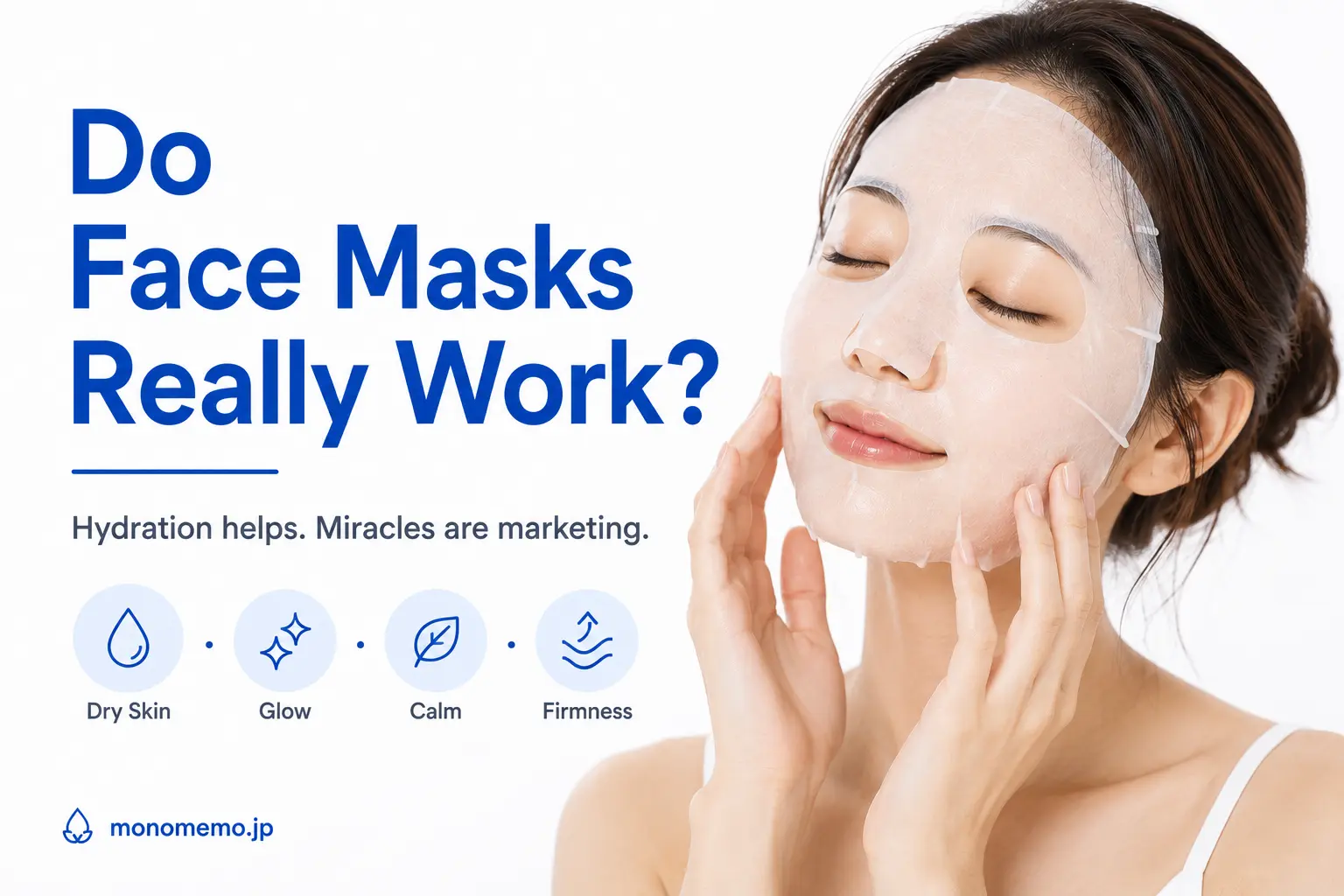
Do Face Masks Really Work?
What sheet masks can realistically do, how Japanese and Korean masks differ, and which products may suit your skin.
Face masks can make skin feel softer, calmer, and more hydrated. But most of the visible effect is temporary, not a permanent transformation.
Sheet masks work best as an occasional hydration boost. They can temporarily improve dryness, comfort, and glow, especially when the formula suits your skin.
They cannot permanently shrink pores, lift the face, or replace a consistent skincare routine.
What can a face mask actually do?
Most sheet masks hold a water-based serum against the skin for several minutes. This reduces evaporation and helps the surface of the skin feel more hydrated.
That extra hydration can temporarily make fine lines look softer and the skin look smoother. Calming ingredients may also reduce the feeling of dryness or tightness.
Japanese vs Korean face masks
Japanese masks
Often designed for simple, regular hydration. Multipack formats are common, and the textures are usually practical rather than luxurious.
Korean masks
Often focus on targeted concerns, trend ingredients, and a more intensive skincare experience. Hydrogel and single-use premium masks are especially common.
These are broad patterns, not strict rules. A Japanese mask can be active and a Korean mask can be very simple. The ingredient list and your skin response matter more than the country.
How to choose a face mask
For dry skin: Look for humectants and barrier-supportive ingredients, such as glycerin, hyaluronic acid, ceramides, or rice-based extracts.
For oily or acne-prone skin: Choose a lightweight formula and avoid assuming that tea tree or “pore care” will automatically prevent breakouts.
For sensitive skin: Fragrance-free or low-fragrance formulas are usually easier to test. Stop if the mask stings or causes redness.
For dull-looking skin: Brightening ingredients may help the skin look fresher, but they need repeated use and sunscreen support.
For firmness: A hydrating mask can make skin look plumper temporarily. It cannot lift sagging skin or replace proven long-term treatments.
Japanese and Korean face masks to know
Mediheal Collagen Essential Mask
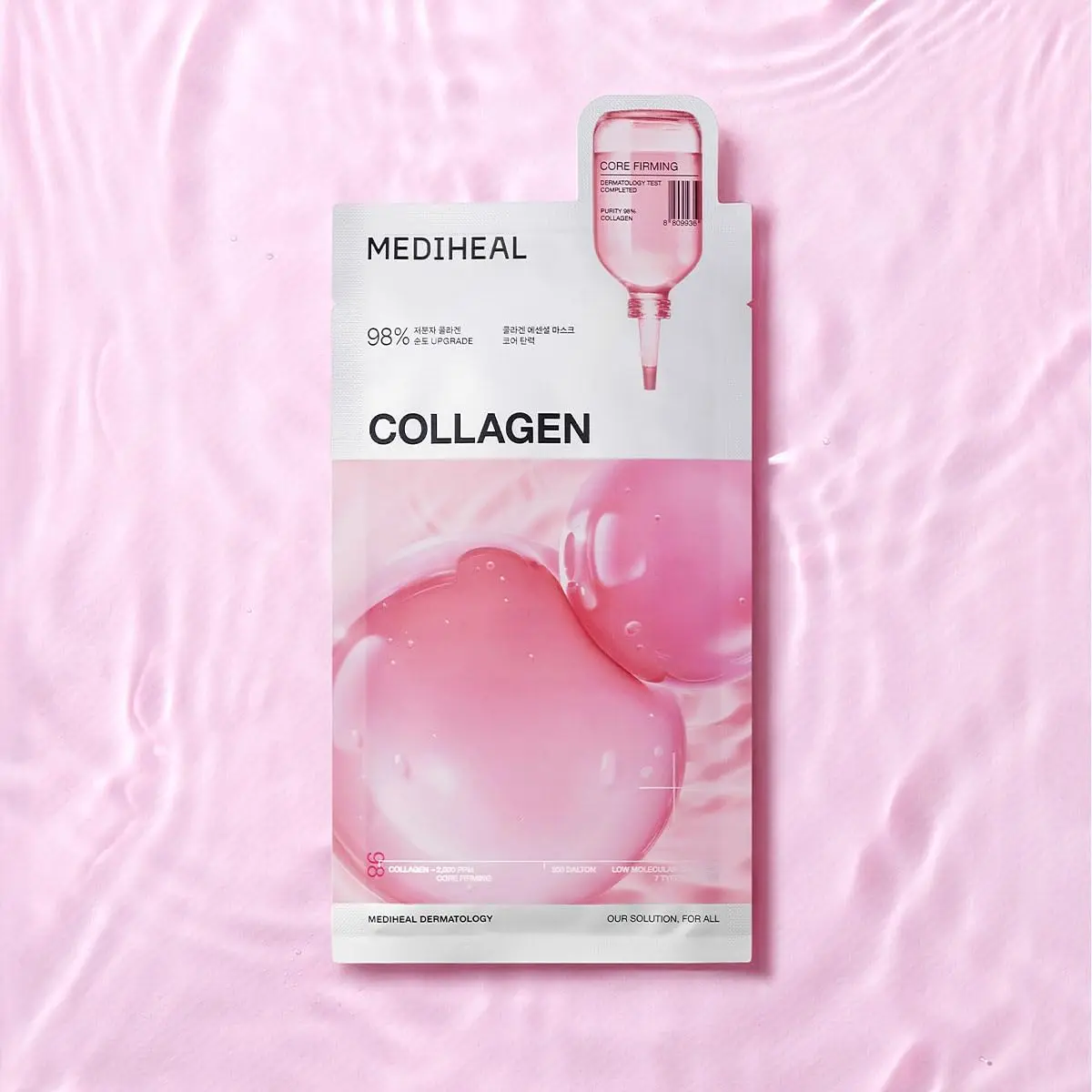
Best for: Dryness and a temporary plump-looking finish
A moisture-focused sheet mask for skin that feels dry or looks tired. It is designed to leave the skin feeling softer and more comfortable.
Keep in mind: Topical collagen mainly works as a moisturizing ingredient. It does not replace lost collagen deep in the skin.
Check price on Amazon JapanBiodance Bio-Collagen Real Deep Mask
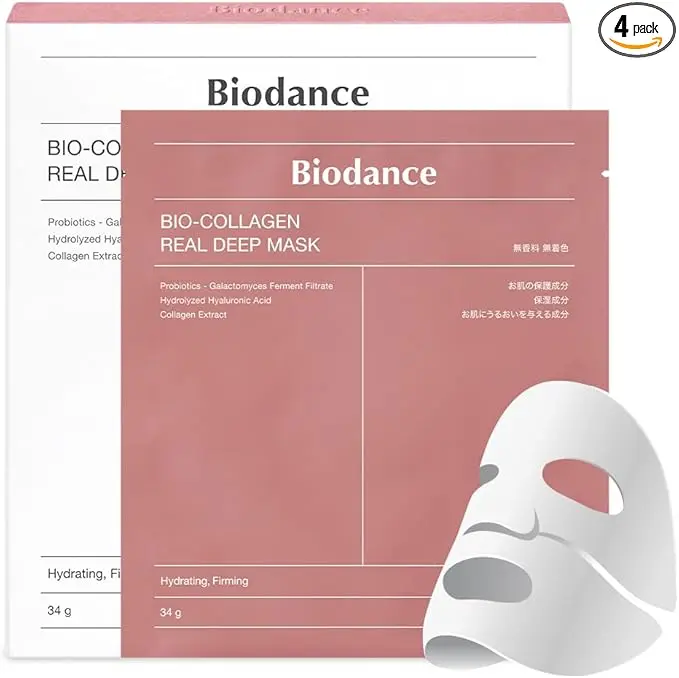
Best for: Special-care nights and a temporarily fuller-looking finish
A hydrogel-style mask for people who enjoy a longer, more intensive mask experience. The occlusive format can leave the skin looking very hydrated.
Keep in mind: The “glass skin” effect is mostly hydration and surface smoothness. Results are not permanent.
Check price on Amazon JapanNumbuzin No.3 Pore Softening Sheet Mask
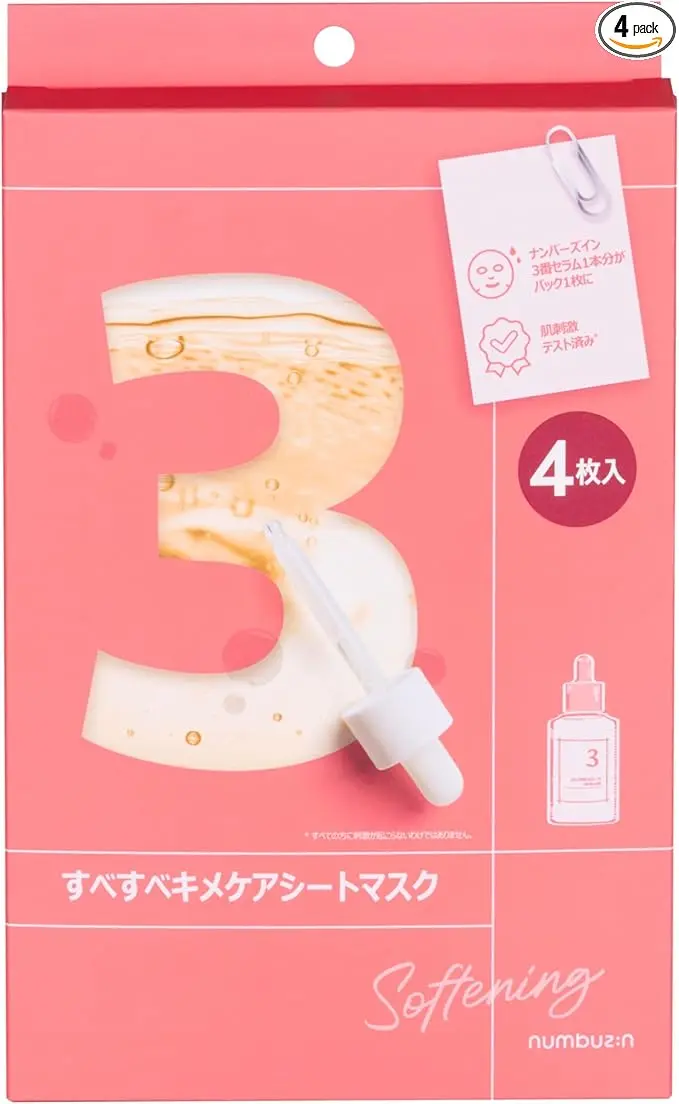
Best for: Rough-feeling texture and visible pores
A targeted sheet mask for people who want the skin to feel smoother and more hydrated.
Keep in mind: Hydration can make pores look less noticeable temporarily, but a mask cannot permanently shrink them.
Check price on Amazon JapanIshizawa Lab Keana Nadeshiko Rice Mask
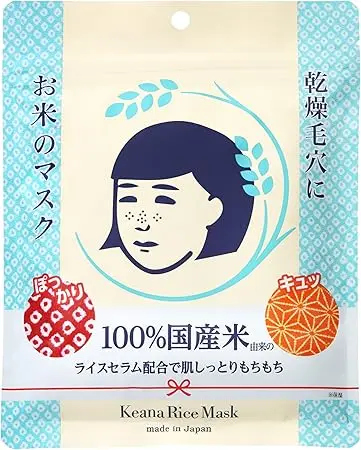
Best for: Everyday hydration and rough, dry-feeling skin
A well-known Japanese multipack mask with a simple, practical approach to moisture.
Keep in mind: “Pore care” here mostly means improving dryness and surface texture, not changing pore structure.
Check price on Amazon JapanKose Clear Turn Vitamin C Mask
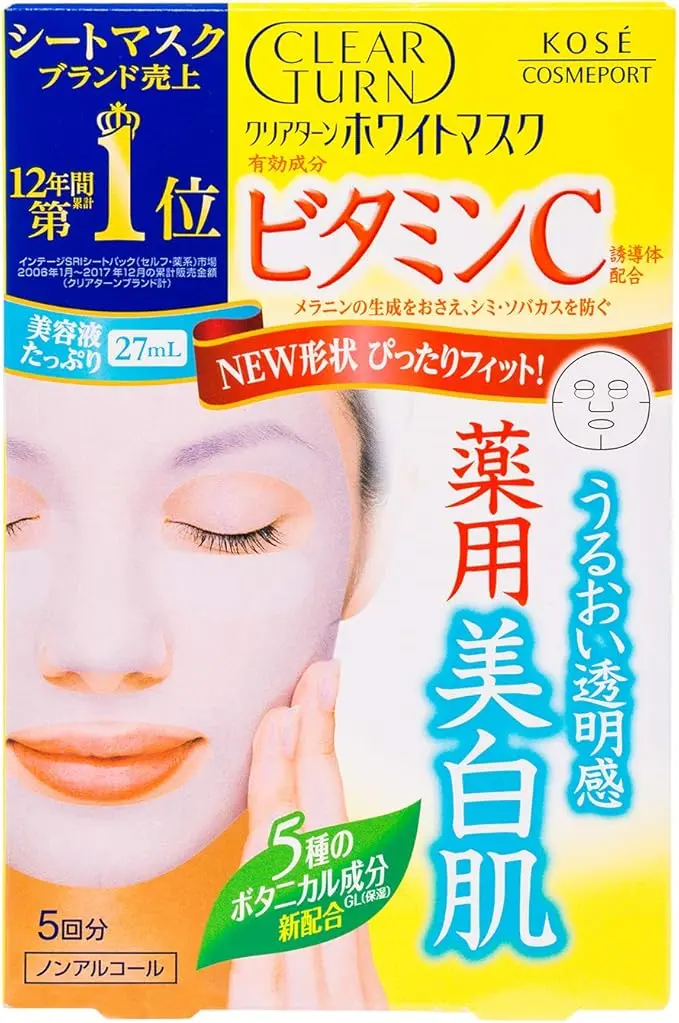
Best for: Dull-looking skin and budget-friendly routine care
A practical Japanese multipack for people who want hydration with a brighter-looking finish.
Keep in mind: A mask may improve temporary glow, but consistent sunscreen and a daily routine matter more for uneven tone.
Check price on Amazon JapanHow to use a sheet mask correctly
- Cleanse first. Apply the mask to clean skin.
- Follow the stated time. Longer is not always better.
- Remove it before it dries completely. A dried-out sheet can feel tight and uncomfortable.
- Pat in the remaining serum. Do not rub aggressively.
- Finish with moisturizer if needed. This is especially helpful for dry skin.
Common face mask mistakes
- Leaving the mask on until it becomes dry.
- Using a strongly fragranced mask on already irritated skin.
- Applying masks too often when the skin is sensitive.
- Expecting a mask to remove blackheads or permanently tighten pores.
- Using exfoliating masks together with several other strong actives.
- Skipping moisturizer when the skin still feels dry afterward.
Common questions
Are face masks really effective?
Yes, mainly for temporary hydration, comfort, and glow. Their effect is usually supportive rather than transformative.
Can I use a face mask every day?
Some gentle hydrating masks can be used frequently, but daily use is not necessary. Sensitive skin may do better with less frequent use.
Are Korean masks better than Japanese masks?
No. Korean masks often offer more targeted or trend-focused formats, while Japanese masks often prioritize practical hydration. The better option depends on the exact formula.
Should I wash my face after a sheet mask?
Usually not. Pat in the remaining serum and add moisturizer if your skin needs it. Wash it off if the instructions say to or if the product causes discomfort.
When should I use a face mask?
Use it after cleansing and before moisturizer. A hydrating mask can be used at night or before makeup when you want a smoother-looking finish.
The MonoMemo Take
Face masks are useful when you treat them as a short-term hydration boost not a miracle treatment.
Choose the formula that leaves your skin calm and comfortable. The best mask is not the most dramatic one; it is the one your skin actually enjoys.
This article is for general skincare education and does not replace advice from a dermatologist.
Affiliate disclaimer: This post contains affiliate links. MonoMemo may earn a small commission if you purchase through them, at no extra cost to you.
Leave a Reply