
Collagen vs Retinol: What Is the Real Difference?
One mainly moisturizes the surface. The other changes how skin behaves over time.
Collagen and retinol are often placed in the same “anti-aging” category, but they do not work in the same way. Topical collagen mainly helps skin feel hydrated and look temporarily plumper, while retinol has stronger evidence for fine lines, texture, and long-term collagen support.
Choose a collagen cream when your main goal is moisture, softness, and a smoother-looking surface. Choose retinol when you want to target fine lines, uneven texture, acne, or visible sun damage.
You can use both in the same routine because collagen skincare can act as a moisturizing step after retinol.
What does topical collagen actually do?
Collagen is a structural protein naturally found in the skin. It helps give the deeper layers of skin strength and support.
However, collagen applied in a cream does not simply replace the collagen already inside your skin. Most topical collagen products work mainly as moisturizers and film-formers. They can reduce dryness and make the surface look smoother or temporarily plumper.
What does retinol do?
Retinol is a vitamin A derivative and a type of retinoid. Once processed by the skin, it influences cell turnover and signaling pathways linked with collagen production.
With consistent use, retinol can improve the appearance of fine lines, rough texture, uneven tone, and some forms of acne. It usually needs weeks or months not a few nights to produce visible results.
Retinol can also cause dryness, peeling, redness, or stinging, especially when used too often at the beginning.
Collagen vs retinol at a glance
Topical Collagen
Main role: Hydration and surface conditioning
Best for: Dryness, tightness, temporary plumpness
Results: Usually immediate but mostly cosmetic and temporary
Irritation risk: Generally low, depending on the full formula
Retinol
Main role: Cell turnover and long-term skin remodeling
Best for: Fine lines, texture, acne, uneven tone
Results: Gradual, usually requiring consistent use
Irritation risk: Moderate, especially during the adjustment period
Which one should you choose?
Choose a collagen moisturizer if:
- Your skin feels dry, tight, or uncomfortable.
- You want a richer cream that makes skin look soft and dewy.
- You are not ready to manage retinol irritation.
- Your priority is comfort rather than active wrinkle treatment.
Choose retinol if:
- You want to target fine lines or rough texture.
- You have mild acne or clogged pores.
- You want a better-studied active for photoaging.
- You are willing to start slowly and use sunscreen consistently.
Can you use collagen and retinol together?
Yes. There is no general conflict between a topical collagen moisturizer and retinol. In fact, a moisturizing cream may help reduce the dry or tight feeling that sometimes comes with retinol.
- Cleanse gently and let your skin dry.
- Apply a small amount of retinol at night.
- Follow with your collagen cream or another plain moisturizer.
- Wear broad-spectrum sunscreen every morning.
Very sensitive skin can also use the “sandwich” method: moisturizer, retinol, then another thin layer of moisturizer.
Collagen moisturizers to consider
Dr.Ci:Labo Aqua Collagen Gel Enrich-Lift EX
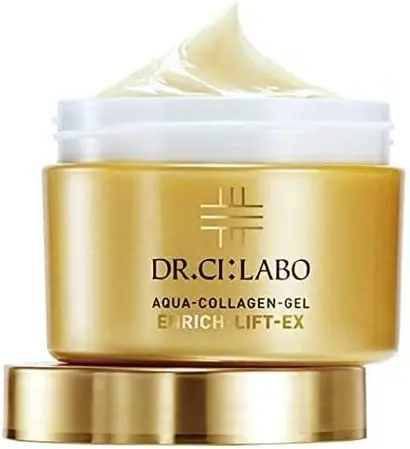
Best for: Dry or mature skin and people who prefer an easy all-in-one moisturizer
A rich Japanese gel-cream designed to combine several moisturizing steps in one product. Its main practical benefit is hydration and a smoother, more cushioned skin feel.
Keep in mind: “Collagen” in the product name does not mean it rebuilds lost dermal collagen.
Check price on Amazon JapanMedicube Triple Collagen Cream
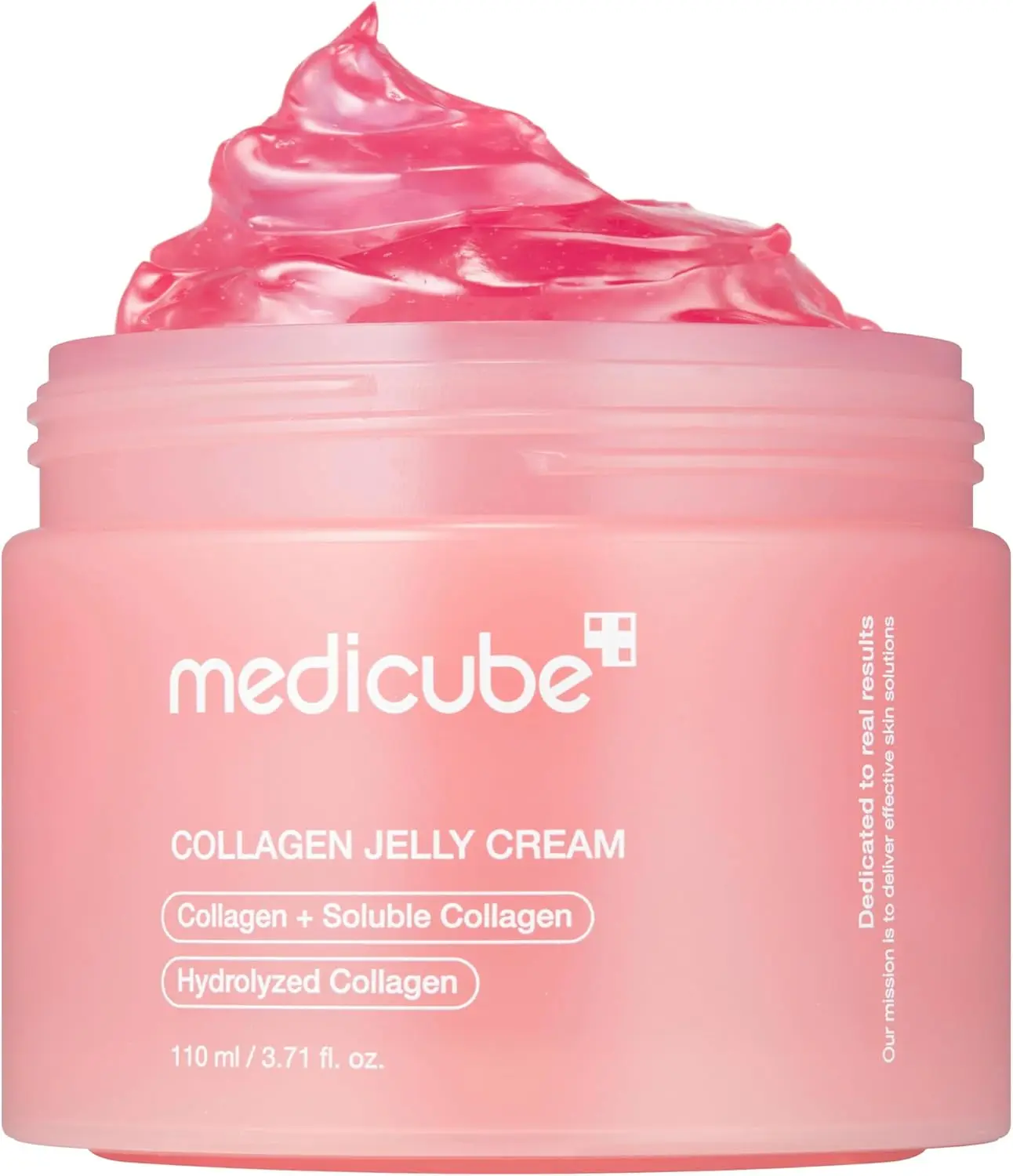
Best for: Dry or dull-looking skin that benefits from a richer, glossy finish
A Korean moisturizer formulated around collagen ingredients, niacinamide, and emollients. It is better understood as a hydrating and conditioning cream than as a substitute for retinol.
Keep in mind: Rich creams may feel heavy on oily or acne-prone skin. Check the current ingredient list if you are sensitive to fragrance or plant extracts.
Check price on Amazon JapanHow to start retinol safely
- Begin with the lowest practical strength.
- Use it two nights per week at first.
- Apply only a pea-sized amount for the whole face.
- Avoid layering several irritating actives on the same night.
- Increase frequency only when your skin feels comfortable.
- Use sunscreen every morning.
Stop and simplify your routine if you develop persistent burning, swelling, or severe peeling.
Common questions
Which is better for wrinkles: collagen or retinol?
Retinol has stronger evidence for improving fine lines over time. Topical collagen mainly hydrates the surface and can make lines look temporarily softer.
Can collagen cream stimulate collagen production?
A cosmetic may contain other ingredients that support the appearance of firm skin, but topical collagen itself mainly acts as a moisturizer and film-former.
Can I use collagen cream after retinol?
Yes. A collagen cream can be used as the moisturizing step after retinol, provided the overall formula suits your skin.
Which is easier for sensitive skin?
A simple collagen moisturizer is usually easier to tolerate. Retinol requires a slower introduction and may not suit every sensitive-skin routine.
Can I use retinol during pregnancy?
Retinoids are generally avoided during pregnancy. Ask your medical professional for pregnancy-safe skincare guidance.
The MonoMemo Take
Collagen creams are useful moisturizers, but they should not be marketed as if they rebuild the skin’s internal collagen network.
Retinol is the stronger treatment ingredient. Collagen is the comfort step. Use one or both according to the job you actually need done.
Sources
- American Academy of Dermatology: Retinoid or retinol?
- American Academy of Dermatology: Ways to firm sagging skin
- Retinoids: Active molecules influencing skin structure formation
- Use of retinoids in topical anti-aging treatments
This article is for general skincare education and does not replace medical advice. Retinoids are generally avoided during pregnancy; ask your healthcare professional for personalized guidance.
Affiliate disclaimer: This post contains affiliate links. MonoMemo may earn a small commission if you purchase through them, at no extra cost to you.
Leave a Reply