
How to Repair a Damaged Skin Barrier
A simple routine for skin that suddenly feels tight, red, dry, or sensitive.
When everything starts to sting, the answer is usually not another active ingredient. Your skin may need fewer products, gentler cleansing, and more consistent moisture.
Pause retinoids, exfoliating acids, scrubs, and harsh cleansers.
Use a mild cleanser, a simple moisturizer, and sunscreen.
Give your skin time before adding strong products back.
What a “damaged skin barrier” usually means
The outer layer of your skin helps hold water in and keep irritants out. When it is stressed, the skin may lose moisture more easily and react to products that used to feel fine.
Common triggers include over-cleansing, strong exfoliation, frequent retinoid use, hot water, cold weather, dry indoor air, and mixing too many active ingredients.
Signs your routine may be too harsh
A simple barrier-support routine
- Use lukewarm water and a mild cleanser only when needed.
- Apply moisturizer while the skin is still slightly damp.
- Choose fragrance-free or low-fragrance products when possible.
- Use sunscreen every morning.
- Pause strong actives until the skin feels calm again.
Five Japanese and Korean products to consider
You do not need all five. Choose one moisturizer first, then add a lotion or emulsion only if your skin still feels dry.
Curél Intensive Moisture Cream
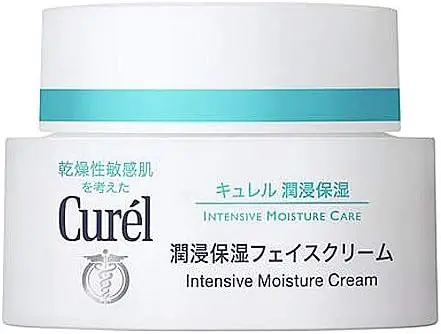
Best for: Dry, tight, sensitive-feeling skin
This cream gives dry skin a more protected, comfortable feel without requiring a complicated routine.
Keep in mind: It supports moisture and comfort, but it does not medically “repair” every cause of irritation.
Check price on Amazon JapanDr. Jart+ Cicapair Tiger Grass Cream
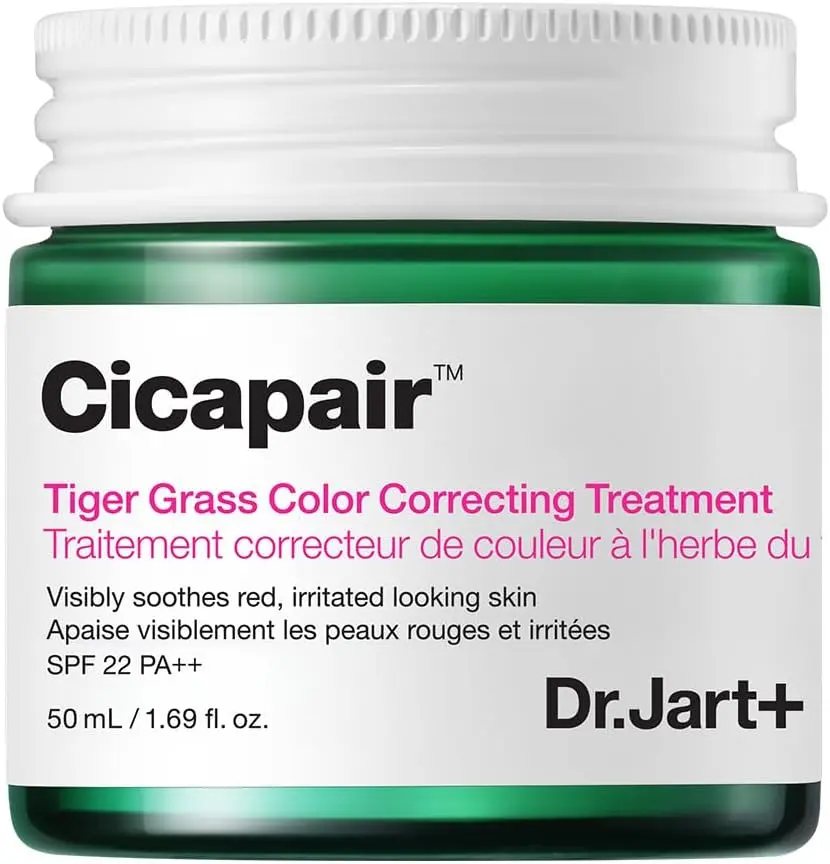
Best for: Redness and stressed-looking skin
This richer cream may help the skin feel calmer and more protected when it looks red or easily irritated.
Keep in mind: Persistent redness may be rosacea or dermatitis and should not be treated with skincare alone.
Check price on Amazon JapanMinon Amino Moist Charge Lotion
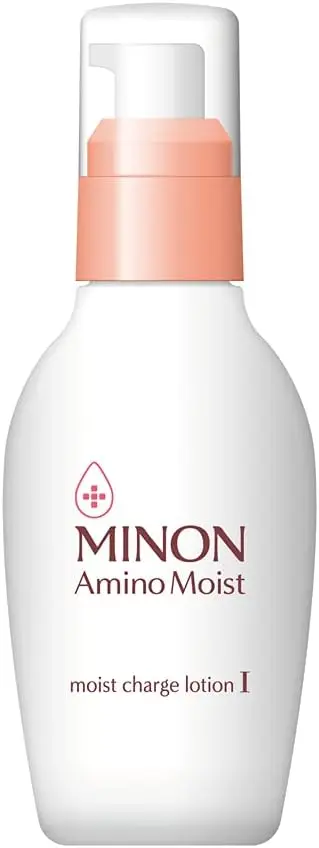
Best for: Dehydrated skin that dislikes heavy creams
This lotion adds a light layer of moisture before cream and may help skin feel less tight.
Keep in mind: A lotion alone may not be enough if your skin is very dry. Follow with moisturizer.
Check price on Amazon JapanEtude SoonJung 2x Barrier Intensive Cream
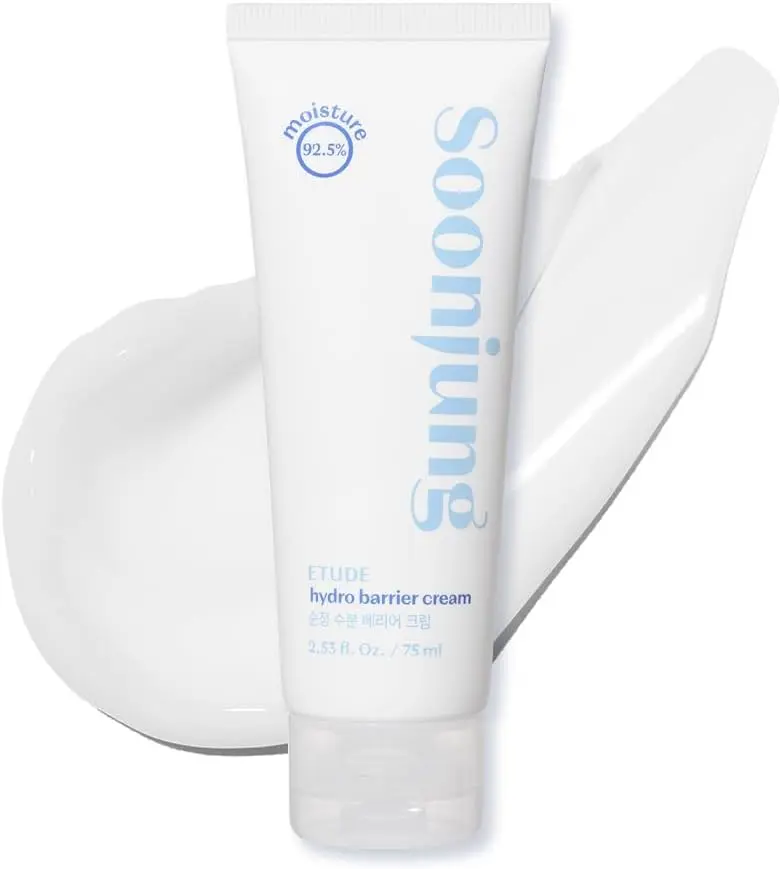
Best for: Minimal routines and easily irritated skin
This cream focuses on moisture and comfort without adding many extra steps to the routine.
Keep in mind: “Barrier cream” is a skincare description, not a guarantee of instant recovery.
Check price on Amazon JapanIHADA Medicated Emulsion
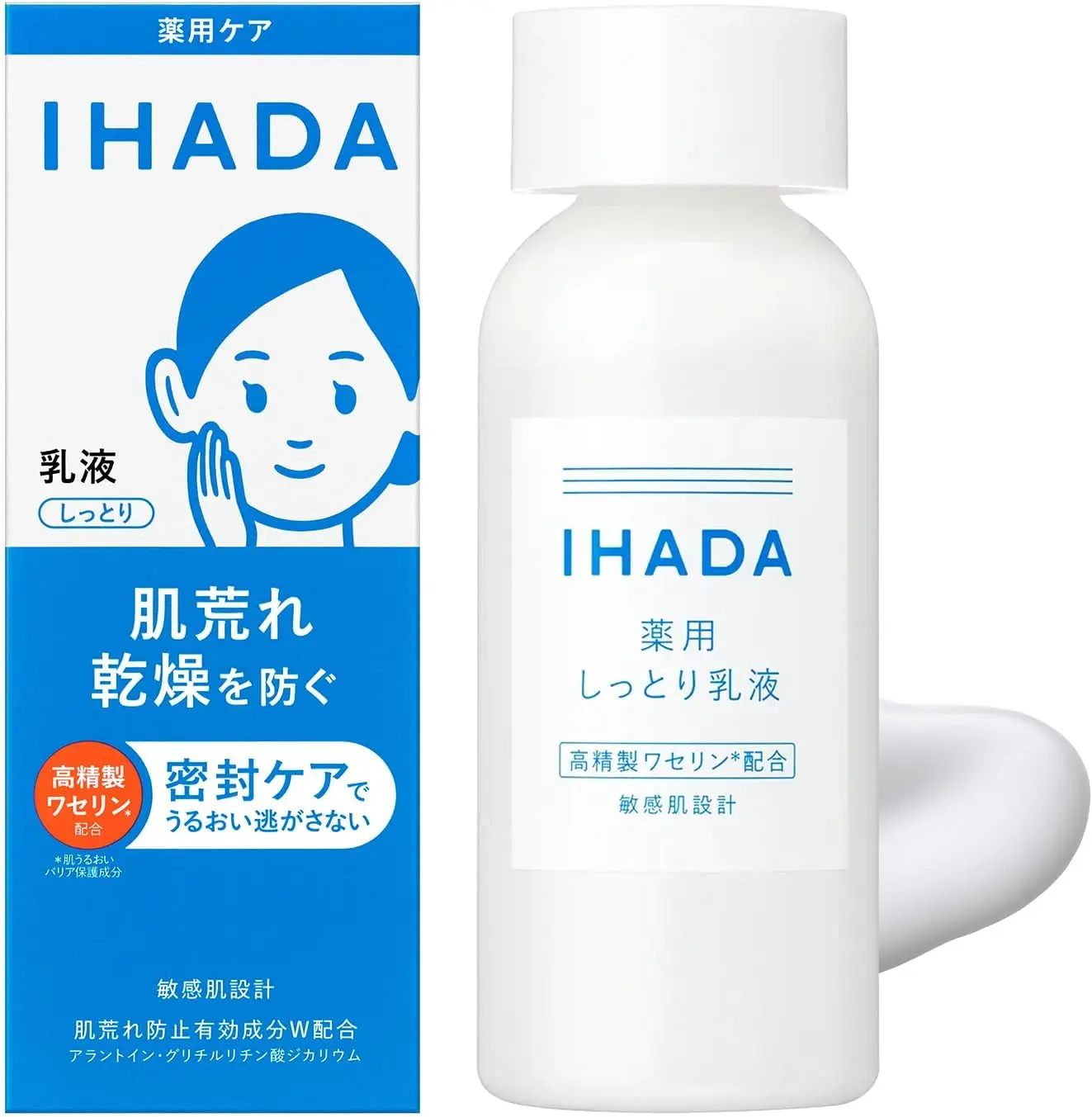
Best for: Rough, unstable, or easily irritated skin
This emulsion offers a lighter alternative to a thick cream and may suit people who want moisture without a heavy finish.
Keep in mind: “Medicated” in Japan refers to a regulated quasi-drug claim. It does not mean the product treats a diagnosed skin condition.
Check price on Amazon JapanWhat to pause while your skin is irritated
- Retinol, retinal, and strong acne treatments
- AHA, BHA, PHA, and peeling products
- Scrubs, cleansing brushes, and rough washcloths
- Strong fragrance or essential oils
- Hot water and long cleansing routines
Add active ingredients back one at a time only after your skin feels calm and comfortable again.
How long does recovery take?
Mild irritation may improve within days after removing the trigger. More severe dryness or inflammation can take longer.
Do not keep testing new products while your skin is still burning or peeling. Consistency is more useful than constantly changing the routine.
Common questions
How do I know if my skin barrier is damaged?
Common signs include tightness, stinging, redness, flaking, and products suddenly feeling uncomfortable. These signs can also overlap with skin conditions, so persistent symptoms need medical advice.
Can I use retinol while my skin is irritated?
Pause it until your skin feels calm again. Restart slowly and use it less often at first.
Do I need ceramides?
No single ingredient is required. Ceramides can be useful, but a simple moisturizer that your skin tolerates is more important.
Should I stop cleansing completely?
Not necessarily. Use a mild cleanser when needed and avoid over-washing. Water alone may be enough in the morning for some people.
When should I see a dermatologist?
Seek medical advice if you have swelling, cracking, bleeding, severe itching, spreading rash, eye-area involvement, or symptoms that do not improve.
The MonoMemo Take
Skin barrier care is usually about subtraction, not addition.
Remove the products that are causing stress, keep the routine simple, and let your skin become comfortable before you start chasing results again.
Sources
- General dermatology guidance on dry skin, moisturizers, irritant contact dermatitis, and gentle cleansing
- Official manufacturer and retailer pages for product claims and directions
This article is for general skincare education and does not replace medical advice.
Affiliate disclaimer: This post contains affiliate links. MonoMemo may earn a small commission if you purchase through them, at no extra cost to you.
Leave a Reply