Why Is Retinol Less Common in Japanese Skincare?
What Japanese brands often use instead and when retinol is still the better choice.
Japanese skincare does use retinol, but it is often less visible than in Western or Korean beauty. The difference is not that Japan “avoids” retinol completely it is that many brands build routines around gentler daily care.
Japanese skincare often emphasizes hydration, barrier support, brightening, and long-term consistency. That is why ingredients such as tranexamic acid, vitamin C derivatives, ceramides, niacinamide, and antioxidants may appear more often than strong retinol products.
Retinol is still available in Japan, especially in targeted wrinkle-care products. It is simply not the only path to smoother or brighter-looking skin.
Does Japanese skincare really avoid retinol?
Not exactly. Japanese brands sell both pure retinol and retinol-derivative products, especially in wrinkle-care creams and anti-aging lines.
What is different is the wider skincare culture. Many Japanese routines focus first on cleansing gently, maintaining hydration, protecting the barrier, and using sunscreen consistently.
Why does retinol feel less dominant?
Retinol can be effective, but it can also cause dryness, peeling, redness, and increased sensitivity especially when introduced too quickly.
Japanese skincare often favors products that are easy to use every day and less likely to disrupt the routine. This creates more space for moisturizing, brightening, and barrier-support ingredients.
Packaging and regulation also shape how products are marketed. Japanese brands may focus on approved quasi-drug claims such as wrinkle improvement or brightening rather than promoting high percentages as a selling point.
What Japanese skincare often uses instead
What can these alternatives realistically do?
Ceramides and humectants can improve dryness and help the skin look plumper. Tranexamic acid and vitamin C derivatives can support brighter-looking, more even skin.
Niacinamide and peptides may help with texture and the appearance of fine lines. Antioxidants can support the skin against environmental stress.
None of these ingredients reproduces every benefit of retinol. Retinol still has a stronger role in cell turnover, fine-line care, and acne management for people who tolerate it.
When retinol is still the better choice
Retinol may make more sense when your main concern is persistent texture, visible fine lines, or acne and clogged pores.
The key is to introduce it slowly, use a moisturizer, and wear sunscreen every morning. Sensitive skin may need a lower-strength product or a less frequent schedule.
Japanese retinol products to consider
Shiseido Retinol Wrinkle White Cream
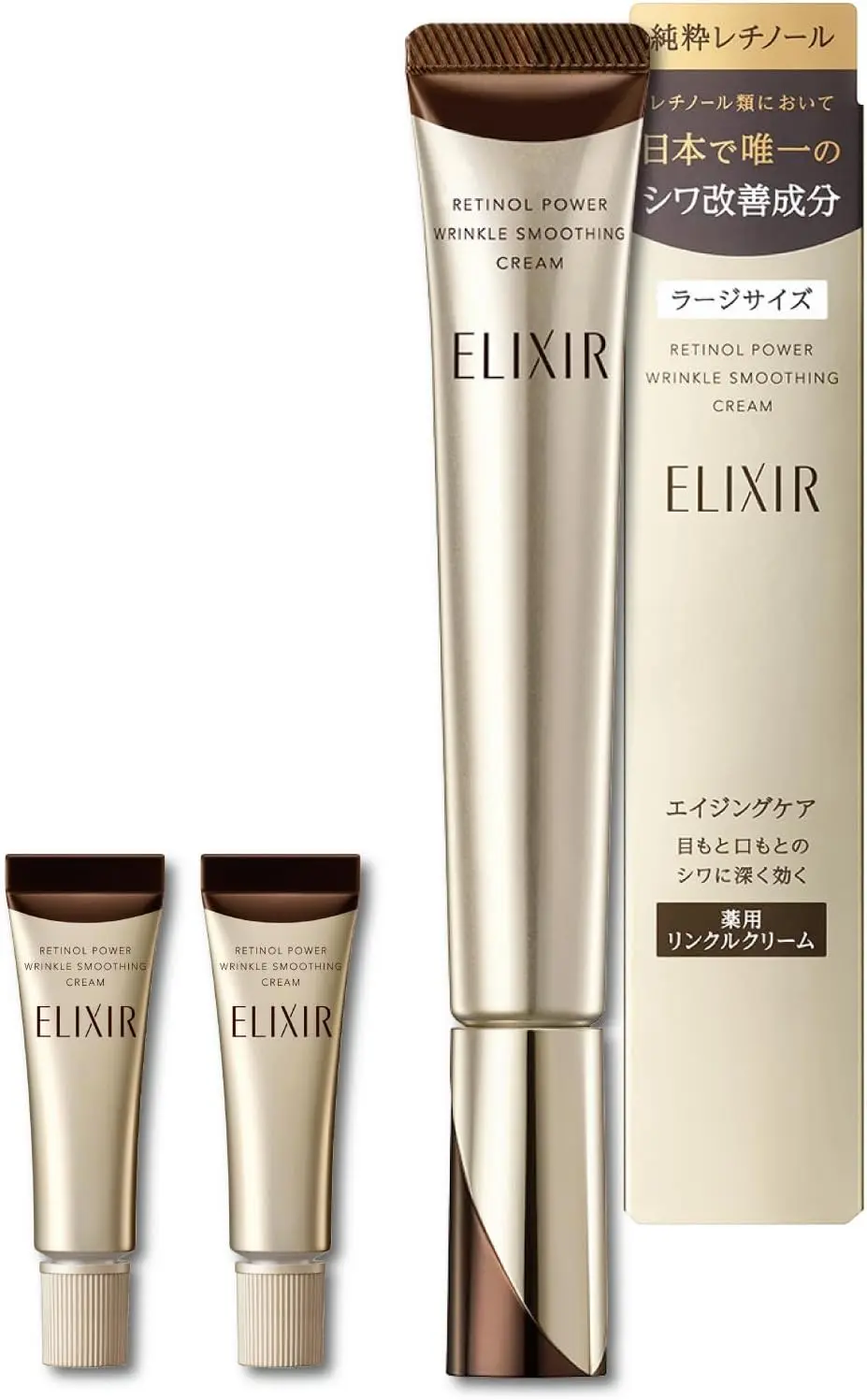
Best for: Targeted fine-line care and people who want a Japanese pure-retinol product
A targeted wrinkle-care cream from Shiseido built around retinol. It is better suited to focused areas than to aggressive full-face use from the first day.
Keep in mind: Start slowly and follow the current package directions. Product names and formulas can vary by market.
Check price on Amazon JapanSANA Nameraka Honpo Wrinkle Gel Cream N
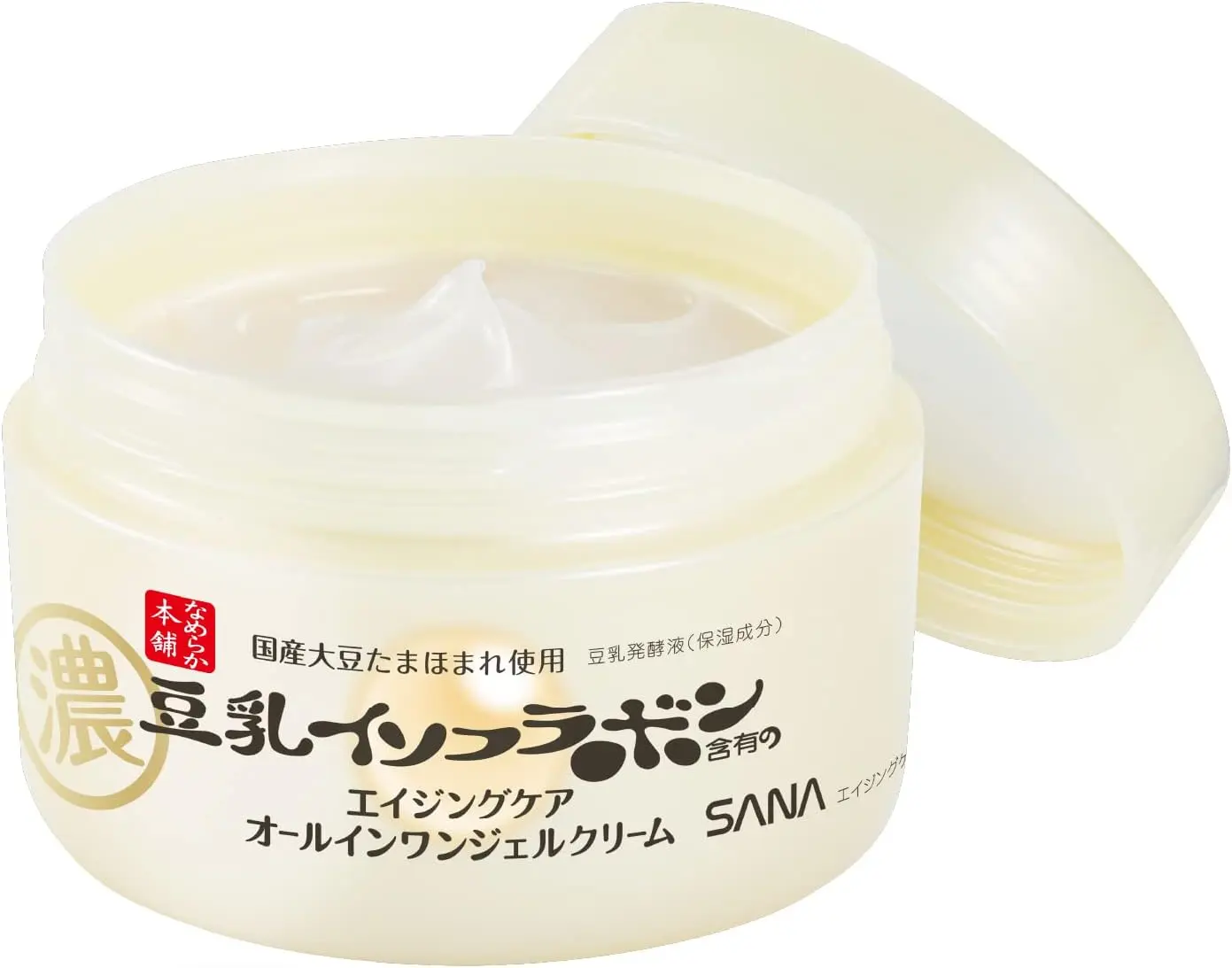
Best for: Daily moisturizing and beginner-friendly anti-aging care
A richer all-in-one style moisturizer from a popular Japanese drugstore line. It is designed more for comfortable daily care than for high-intensity retinoid treatment.
Keep in mind: Confirm the current ingredient list before describing the exact retinol type or concentration.
Check price on Amazon JapanJapan vs Korea: which approach is better?
Neither country has one single skincare philosophy. Both Japanese and Korean brands make gentle products, strong actives, minimalist formulas, and trend-driven launches.
Korean beauty often introduces new ingredients and textures quickly. Japanese skincare is often associated with consistency, hydration, and long-term routine building.
The better choice depends on your skin, not the country. Sensitive skin may prefer a simple Japanese-style routine, while someone comfortable with actives may enjoy a more treatment-focused Korean or Western routine.
Common questions
Can I use a Japanese retinol product every day?
Not automatically. Daily use depends on the product, strength, and your tolerance. Start slowly and follow the package directions.
Is Japanese skincare effective without retinol?
Yes, depending on your goal. Hydration, barrier support, brightening, and antioxidant care do not require retinol.
Are retinol alternatives as effective as retinol?
Not for every concern. Alternatives may be gentler and more comfortable, but retinol has a stronger role in fine-line, texture, and acne care.
Which alternative is best for sensitive skin?
Ceramides, panthenol, glycerin, and low-strength niacinamide are often easier starting points than strong retinol.
Can I combine retinol with tranexamic acid or ceramides?
Usually yes. Ceramides can support comfort, and tranexamic acid can be used in the same routine if your skin tolerates the combination.
The MonoMemo Take
Japanese skincare does not avoid retinol completely. It simply gives more attention to hydration, barrier support, and brightening ingredients that are easier to use consistently.
Choose retinol when you need what retinol does best. Choose gentler alternatives when comfort, consistency, and barrier health matter more.
This article is for general skincare education and does not replace advice from a dermatologist. Avoid retinoids during pregnancy unless your medical professional says otherwise.
Affiliate disclaimer: This post contains affiliate links. MonoMemo may earn a small commission if you purchase through them, at no extra cost to you.
Leave a Reply