Category: Beauty & Skincare

  • Under Eye Patches

    Under Eye Patches

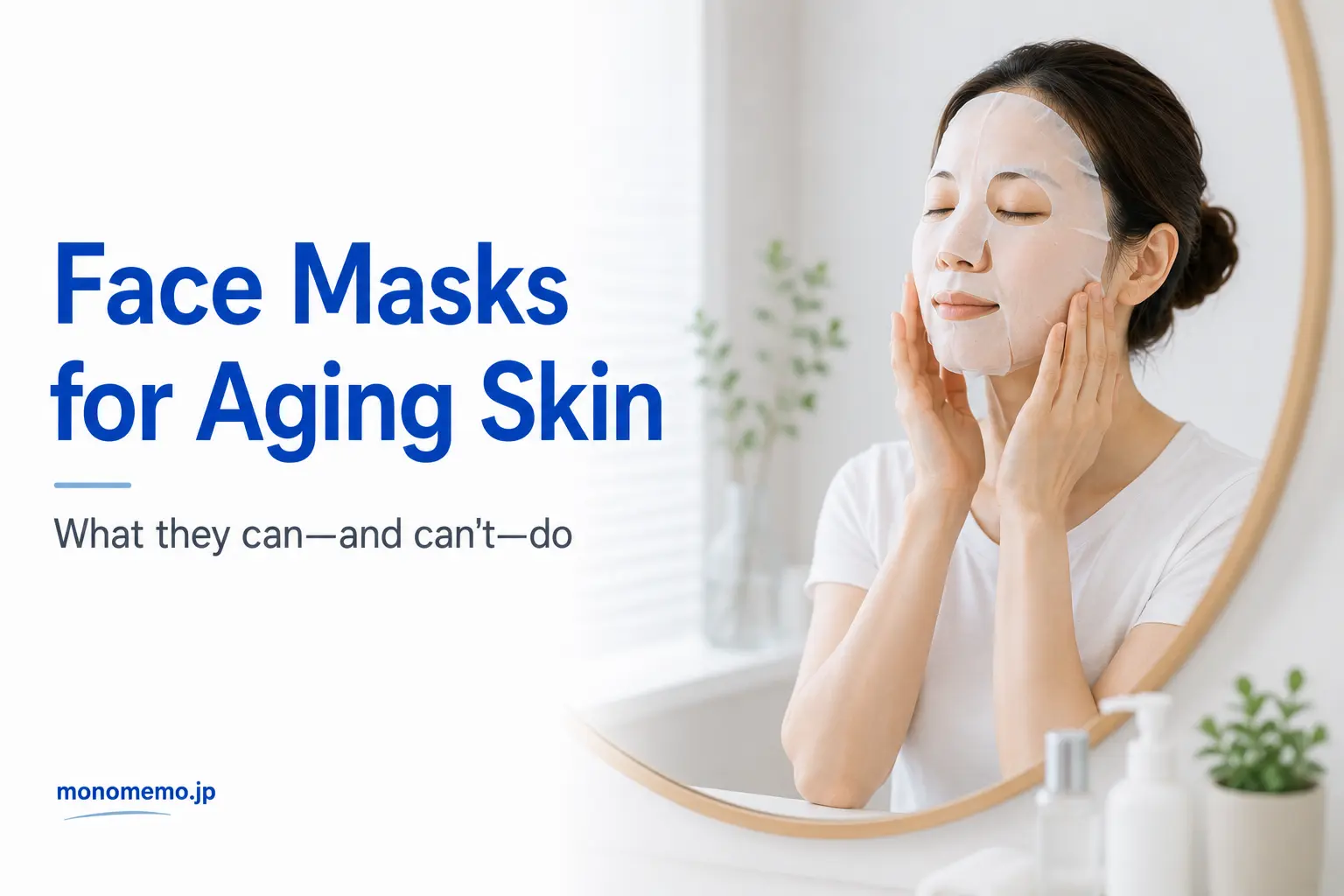
    Do Under-Eye Patches Actually Work? Best Korean & Japanese Eye Patches for 2026

    Under-eye patches can make tired, dry eyes look noticeably fresher but their effects are mostly temporary. The right patch can hydrate, cool puffiness, soften the look of fine lines, and create a smoother base before concealer.

    Quick Answer: Yes, eye patches can work but think temporary hydration and smoothing, not permanent treatment.

    They’re most useful for dry under eyes, temporary puffiness, dehydration lines, and pre-makeup prep. They won’t permanently remove genetic dark circles, deep wrinkles, or structural eye bags.

    Are Under Eye Patches Actually Worth It?

    They can be, especially if your under eyes look dry, tired, or puffy. Hydrogel and essence soaked patches create a short occlusive treatment that helps keep hydrating ingredients close to the skin.

    The key is having realistic expectations. Think of eye patches as a quick treatment step rather than a permanent fix.

    Before makeup? Yes. Use hydrating patches for around 10–20 minutes, remove them, gently pat in the remaining essence, and let the skin settle before applying concealer.

    Best Korean Eye Patches

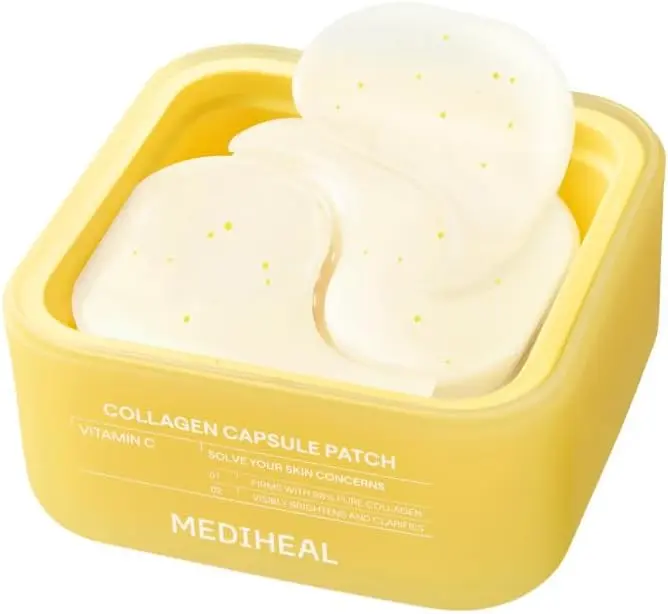
    MEDIHEAL Collagen Capsule Eye Patch

    MEDIHEAL Collagen Capsule Eye Patch

    Best for: Overall eye care

    A convenient hydrogel treatment for dry, tired-looking under-eyes. The collagen-focused formula is especially useful when you want extra hydration and a temporarily smoother, plumper look.

    👉 Buy on Amazon Japan
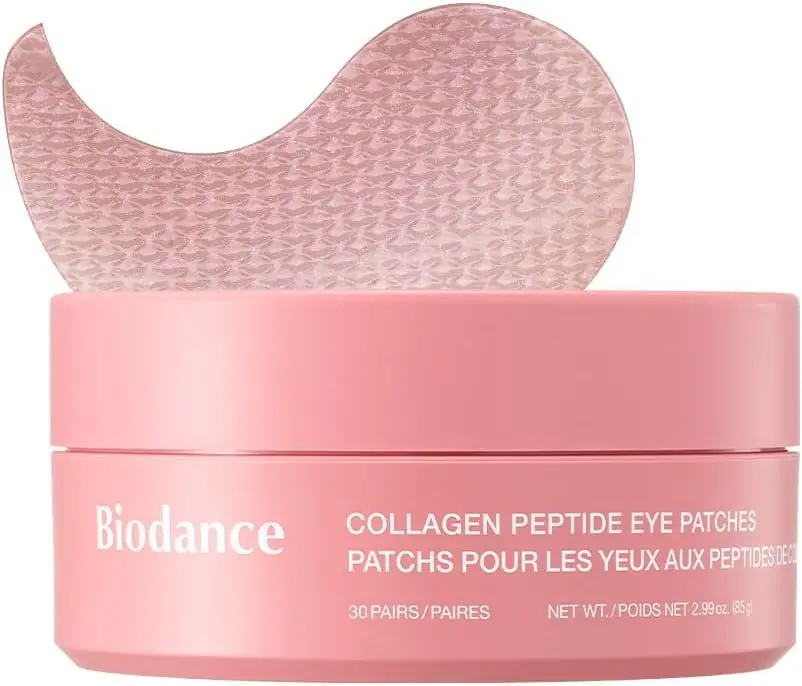
    BIODANCE Collagen Peptide Eye Patches

    BIODANCE Collagen Peptide Eye Patches

    Best for: Fine lines + firmness

    A newer Korean pick combining collagen, peptides, and caffeine. It makes the most sense for dehydrated fine lines and under-eyes that look puffy or tired.

    👉 Buy on Amazon Japan
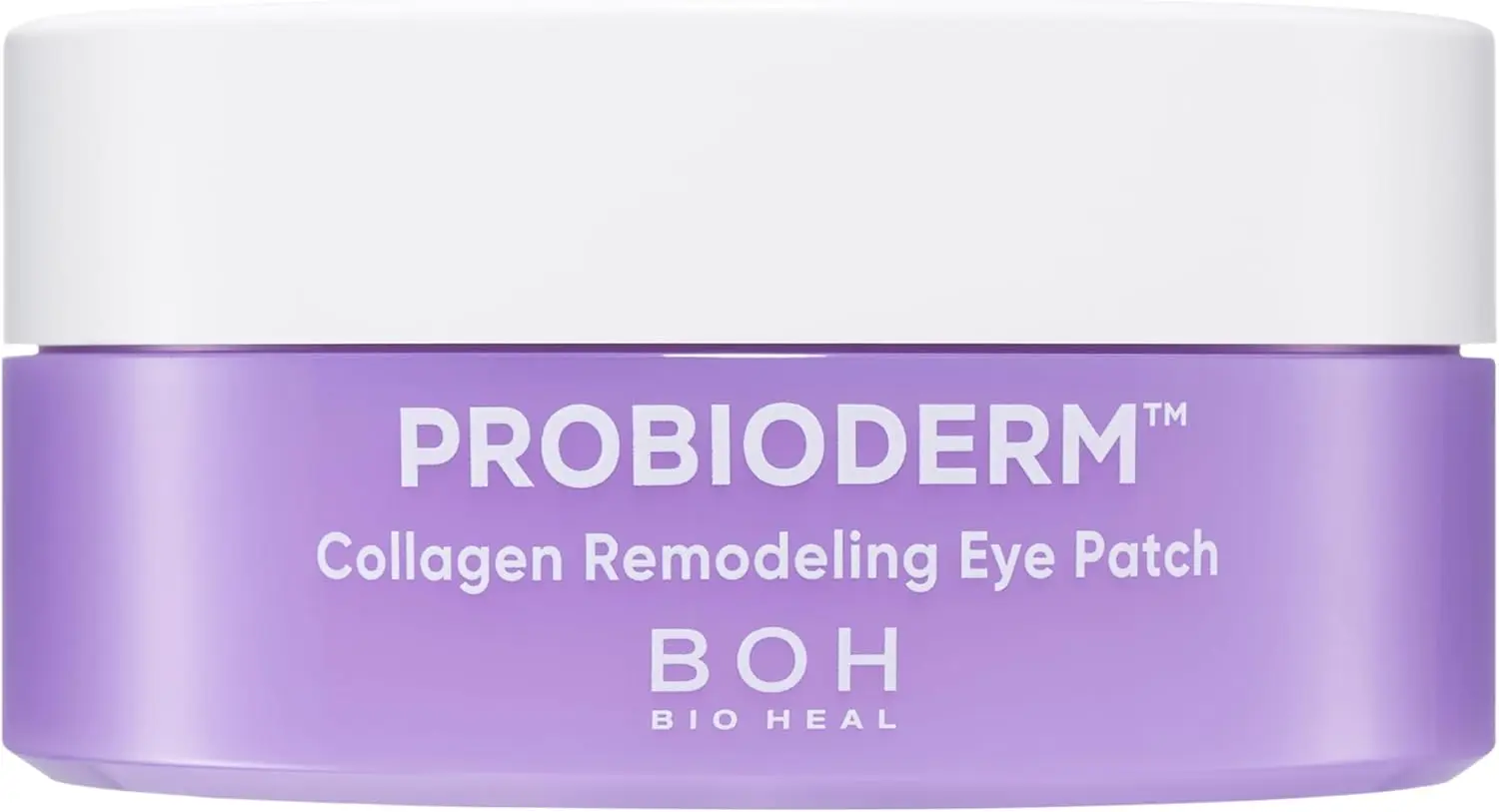
    BIOHEAL BOH Probioderm Collagen Remodeling Eye Patch

    BIOHEAL BOH Probioderm Collagen Remodeling Eye Patch

    Best for: Firmness + mature-looking under-eyes

    A more treatment-focused option for under-eyes that look less firm or show fine dehydration lines. It fits the current Korean trend toward collagen, peptides, and elasticity-focused eye care.

    👉 Buy on Amazon Japan
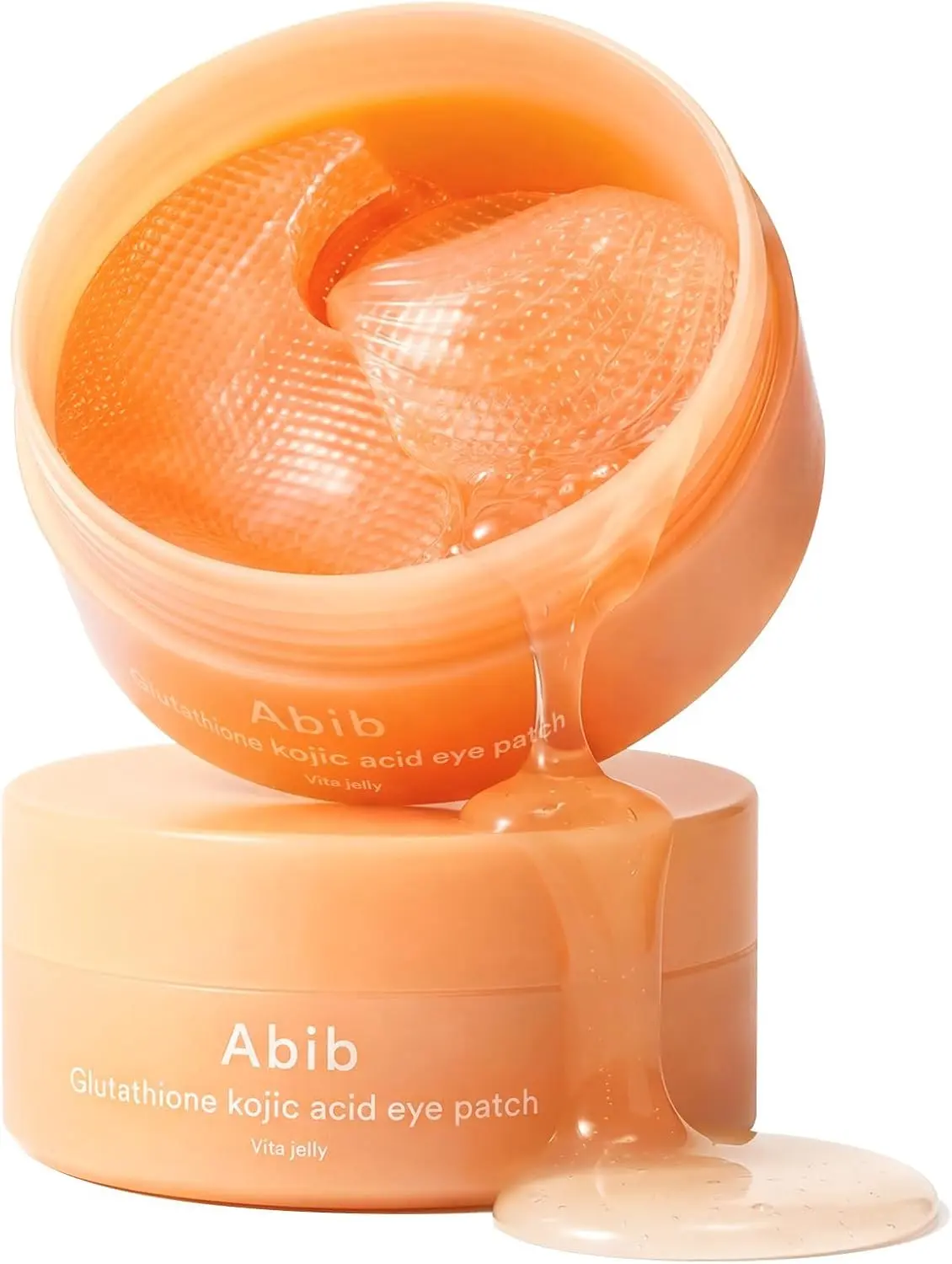
    Abib Glutathione Kojic Acid Eye Patch

    Abib Glutathione Kojic Acid Eye Patch

    Best for: Dullness + dark-circle appearance

    The brightening-focused option in this list. It makes more sense when dull, uneven-looking under-eyyes are your main concern rather than puffiness or fine lines.

    👉 Buy on Amazon Japan
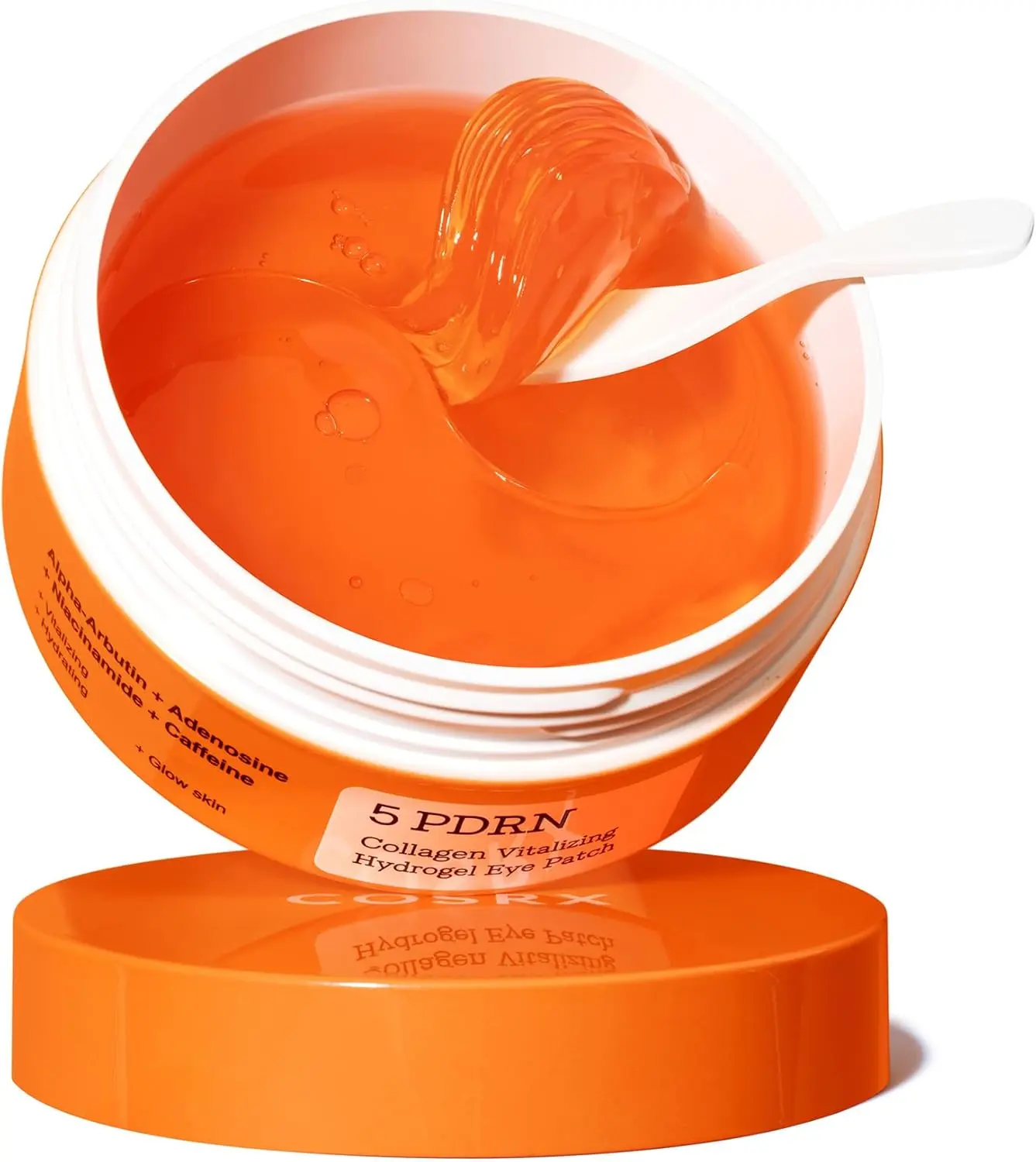
    COSRX Peptide Collagen Hydrogel Eye Patch

    COSRX Peptide Collagen Hydrogel Eye Patch

    Best for: Puffy + dehydrated under-eyes

    A versatile option combining hydration-focused care with peptides and caffeine. It’s a good fit when you want temporary plumping, hydration, and a fresher-looking eye area in one step.

    👉 Buy on Amazon Japan

    Best Japanese Eye Masks

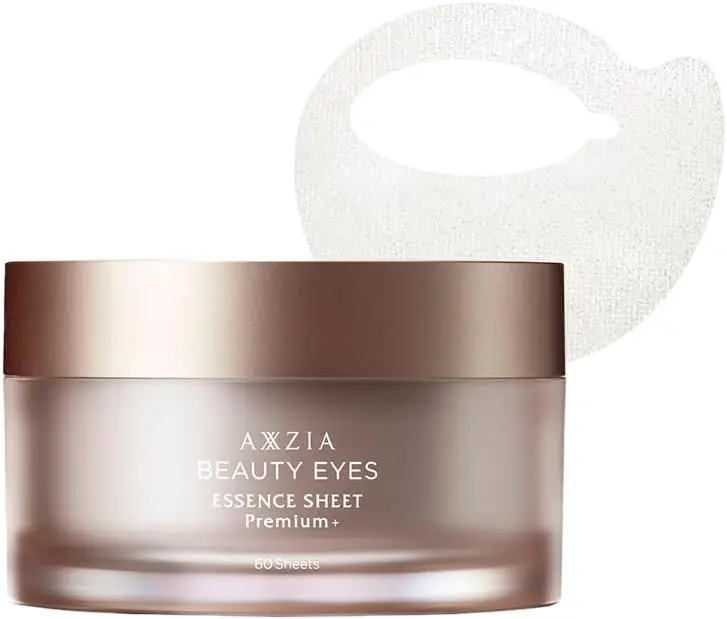
    AXXZIA Beauty Eyes Essence Sheet Premium Plus

    AXXZIA Beauty Eyes Essence Sheet Premium Plus

    Best for: Premium Japanese eye care

    Unlike typical crescent-shaped hydrogel patches, AXXZIA uses a larger sheet designed to cover more of the eye area. It’s a strong pick when hydration and smoother-looking skin are the priority.

    👉 Buy on Amazon Japan
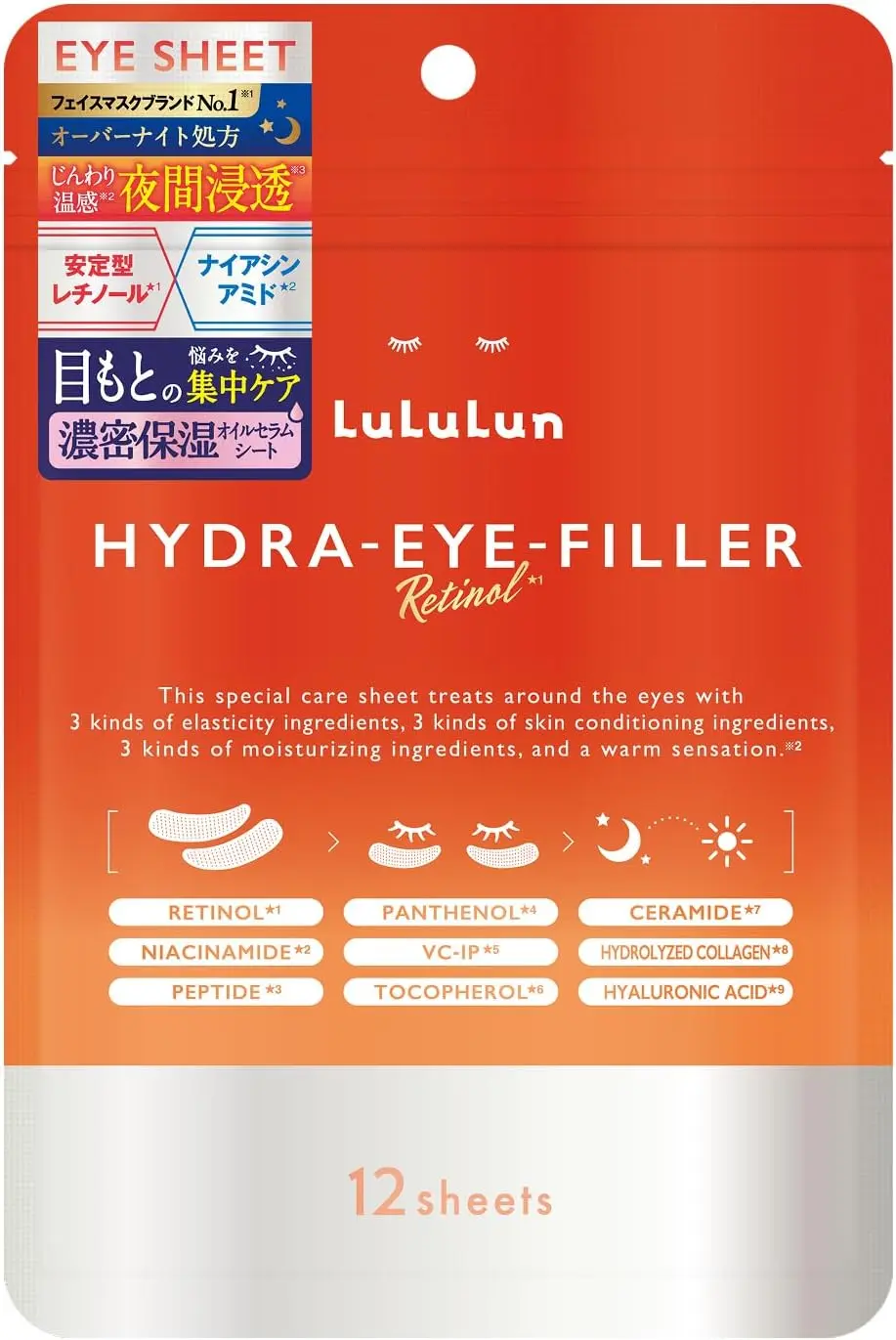
    LuLuLun Hydra Eye Filler

    LuLuLun Hydra Eye Filler

    Best for: Intensive hydration

    A Japanese eye-area treatment designed around moisture retention. It’s especially appealing when dryness makes concealer settle into fine dehydration lines.

    👉 Buy on Amazon Japan
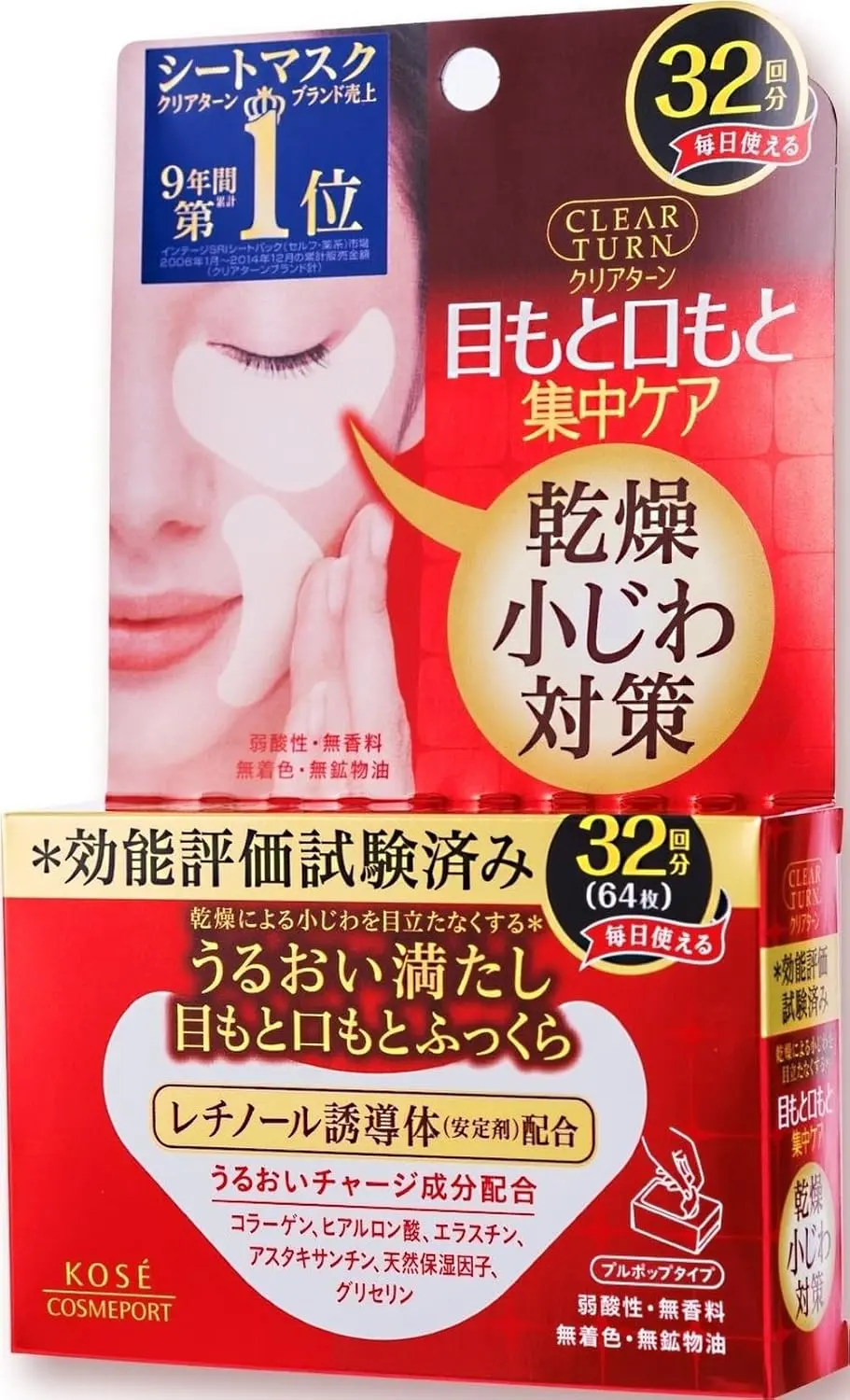
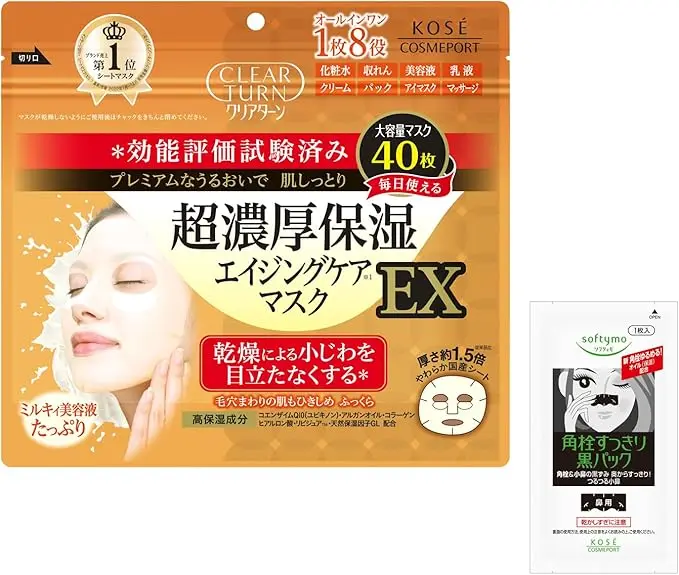
    KOSE Clear Turn Eye Zone Mask

    KOSE Clear Turn Eye Zone Mask

    Best for: Budget Japanese pick

    A simple drugstore option for adding extra moisture around the eyes without paying premium eye-mask prices. Best for repeat use when you’re mainly looking for hydration rather than an intensive active treatment.

    👉 Buy on Amazon Japan

    Which One Should You Choose?

    Fine lines + firmness: BIODANCE or BIOHEAL BOH

    Puffiness + tired-looking eyes: COSRX

    Dullness + dark-circle appearance: Abib

    Very dry under-eyes: LuLuLun

    Premium Japanese option: AXXZIA

    Affordable everyday option: KOSE Clear Turn

    FAQ

    Do eye patches permanently remove wrinkles?

    No. Hydration and occlusion can temporarily make fine lines look softer and skin look plumper, but eye patches aren’t a permanent wrinkle treatment.

    Can eye patches help dark circles?

    They may temporarily improve the appearance of dull or dehydrated under-eyes. Genetic, vascular, or structural dark circles usually need more than a patch.

    Can I use eye patches before makeup?

    Yes. Hydrating patches can be particularly useful before concealer. Remove them first, gently pat in excess essence, and give the skin a few minutes before applying makeup.

    How often can I use under-eye patches?

    Follow the individual product instructions. Many hydrating patches can be used several times per week, while stronger active formulas may need less frequent use.

    MonoMemo Take

    Eye patches make the most sense as a quick hydration and makeup-prep treatment, not as a replacement for a complete eye-care routine.

    For a modern Korean option, BIODANCE stands out for hydration and fine lines. For Japanese eye care, AXXZIA offers a more premium experience, while KOSE Clear Turn is the easier budget choice.

    Affiliate Disclosure: This post contains affiliate links. If you purchase through these links, MonoMemo may earn a small commission at no extra cost to you.

    Disclaimer: This article is for general skincare information only and is not medical advice. If you experience persistent irritation, swelling, or an allergic reaction around the eyes, stop using the product and consult a qualified healthcare professional.
  • Toner Pads

    Toner Pads

    Are Toner Pads Worth It? Korean Toner Pads Explained + Best Picks by Skin Type

    Korean toner pads are everywhere right now, but that doesn’t mean everyone needs them.

    Their biggest advantage isn’t that they’re magically better than toner. It’s convenience: depending on the formula, one pad can hydrate, calm, gently exfoliate, or work as a quick mini mask.

    Quick Answer:
    Toner pads can be worth it if you want a fast, targeted skincare step. But if you already have a toner and serum that work well, you probably don’t need to add them just because they’re trending.

    Not All Toner Pads Do the Same Thing

    Hydrating & Calming Pads
    Best for dehydration, sensitivity, redness, and quick pre-makeup hydration.
    Exfoliating & Pore Pads
    Better for clogged pores, excess oil, rough texture, and blackheads.
    Brightening & Treatment Pads
    Designed more for dullness, post-acne marks, and uneven-looking tone.

    When Toner Pads Are Actually Worth Buying

    They’re worth it if you want:
    • a faster morning routine
    • targeted hydration on dry areas
    • a quick mini mask before makeup
    • gentle pore or texture care
    • one product that replaces a separate toner step

    Best Korean Toner Pads by Skin Type

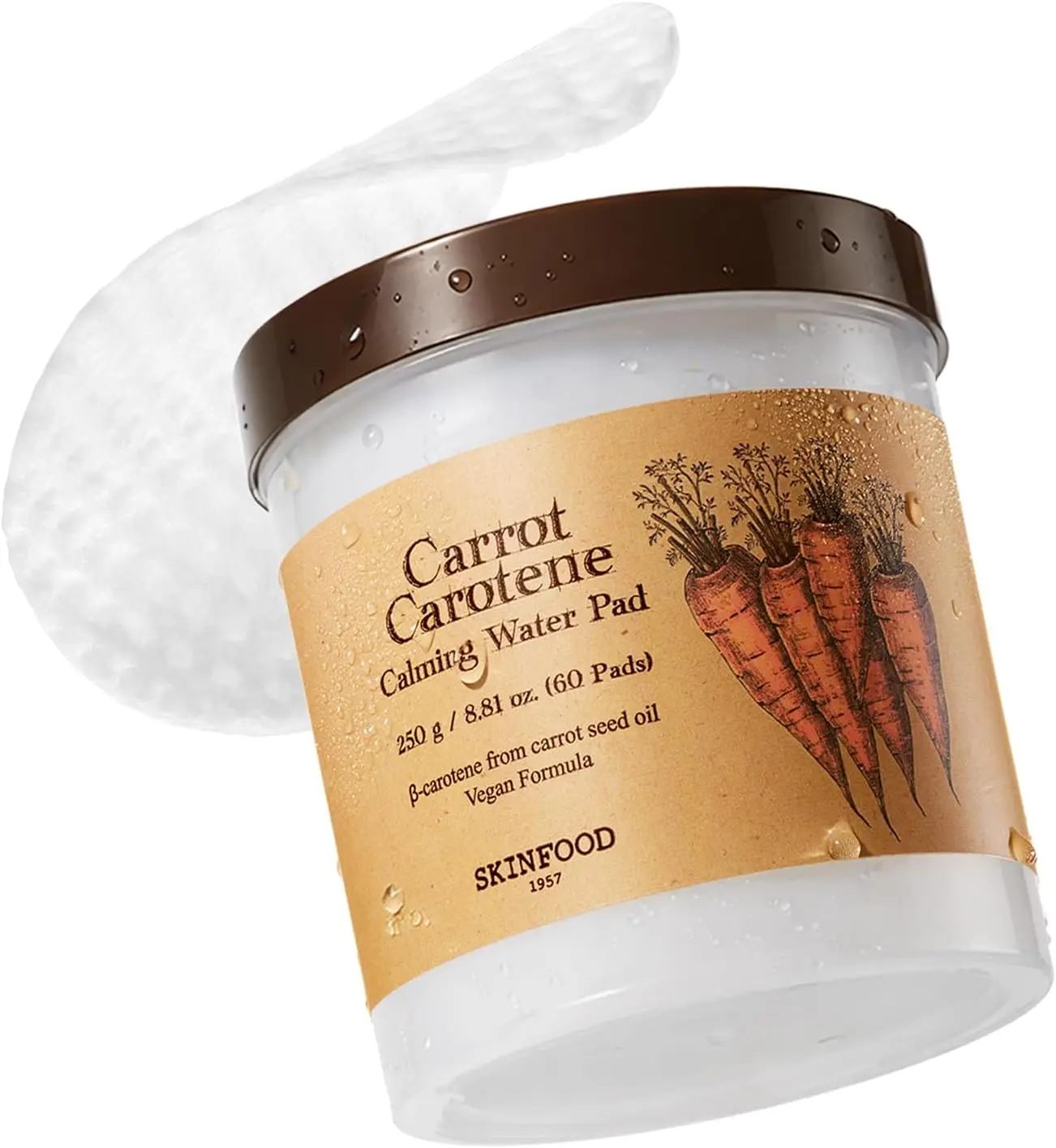
    SKINFOOD Carrot Carotene Calming Water Pad

    Best Overall for Calming

    A soothing, hydration-focused option for skin that feels easily irritated or uncomfortable.

    The soft pads can also be left on dry areas for a few minutes instead of repeatedly wiping the skin.

    Best for: sensitive, dehydrated, or easily irritated skin.

    👉 Buy on Amazon Japan

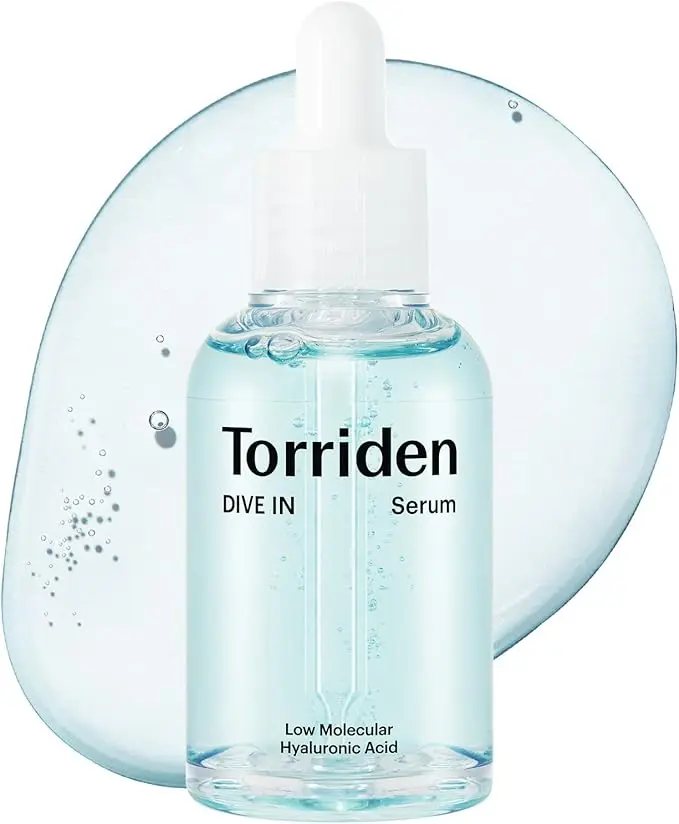
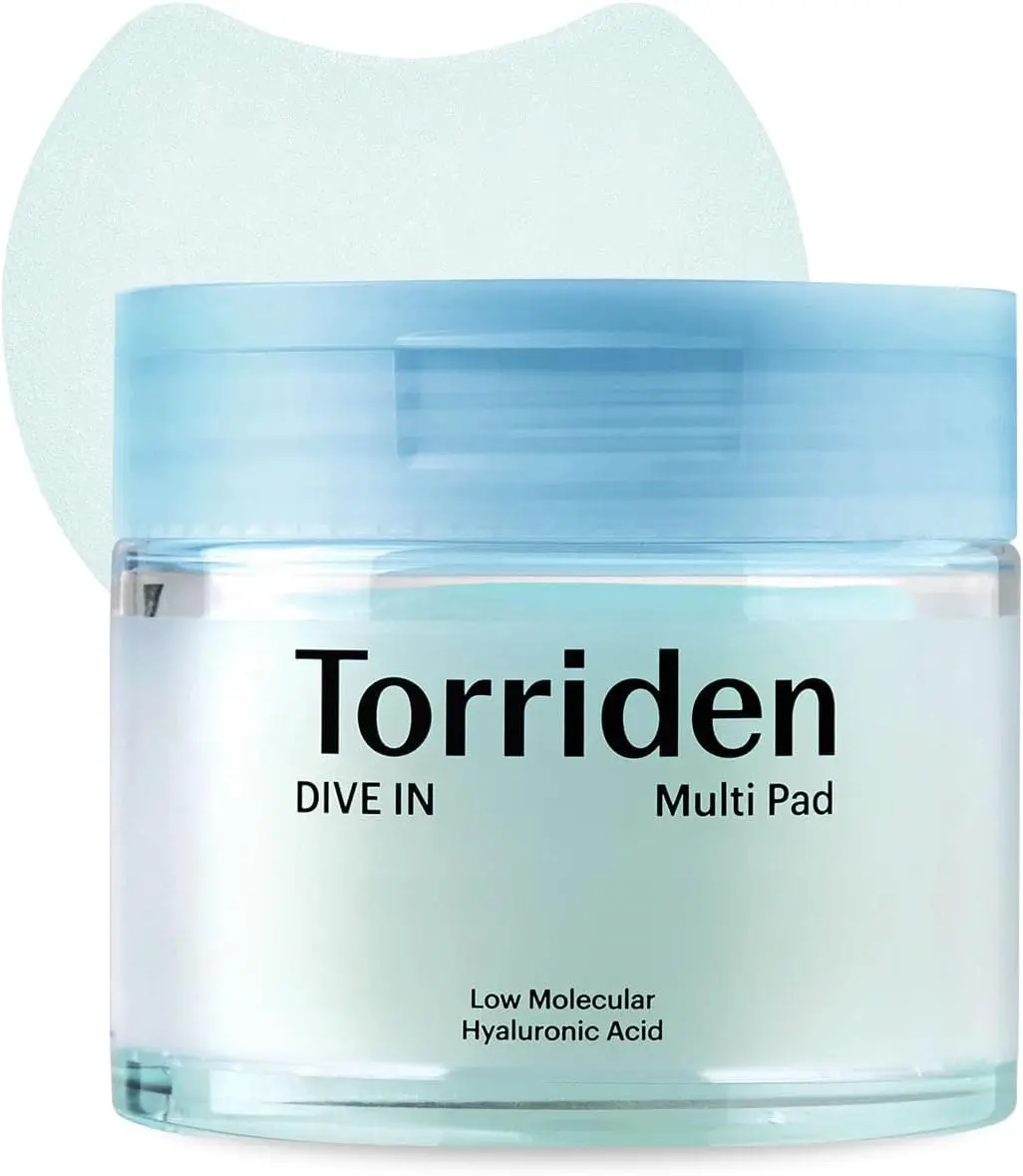
    Torriden DIVE IN Low Molecular Hyaluronic Acid Multi Pad

    Best for Dehydrated Skin

    A hydration-first pad for skin that feels tight, dry, or uncomfortable without needing exfoliation.

    It also makes sense before makeup: place the pads on dry areas for a few minutes, remove them, and let the remaining essence absorb.

    Best for: dehydrated, tight-feeling, or combination skin.

    👉 Buy on Amazon Japan

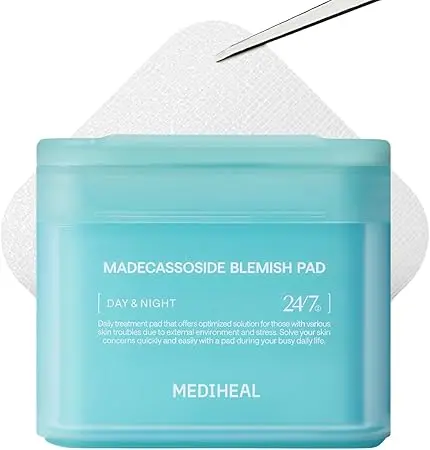
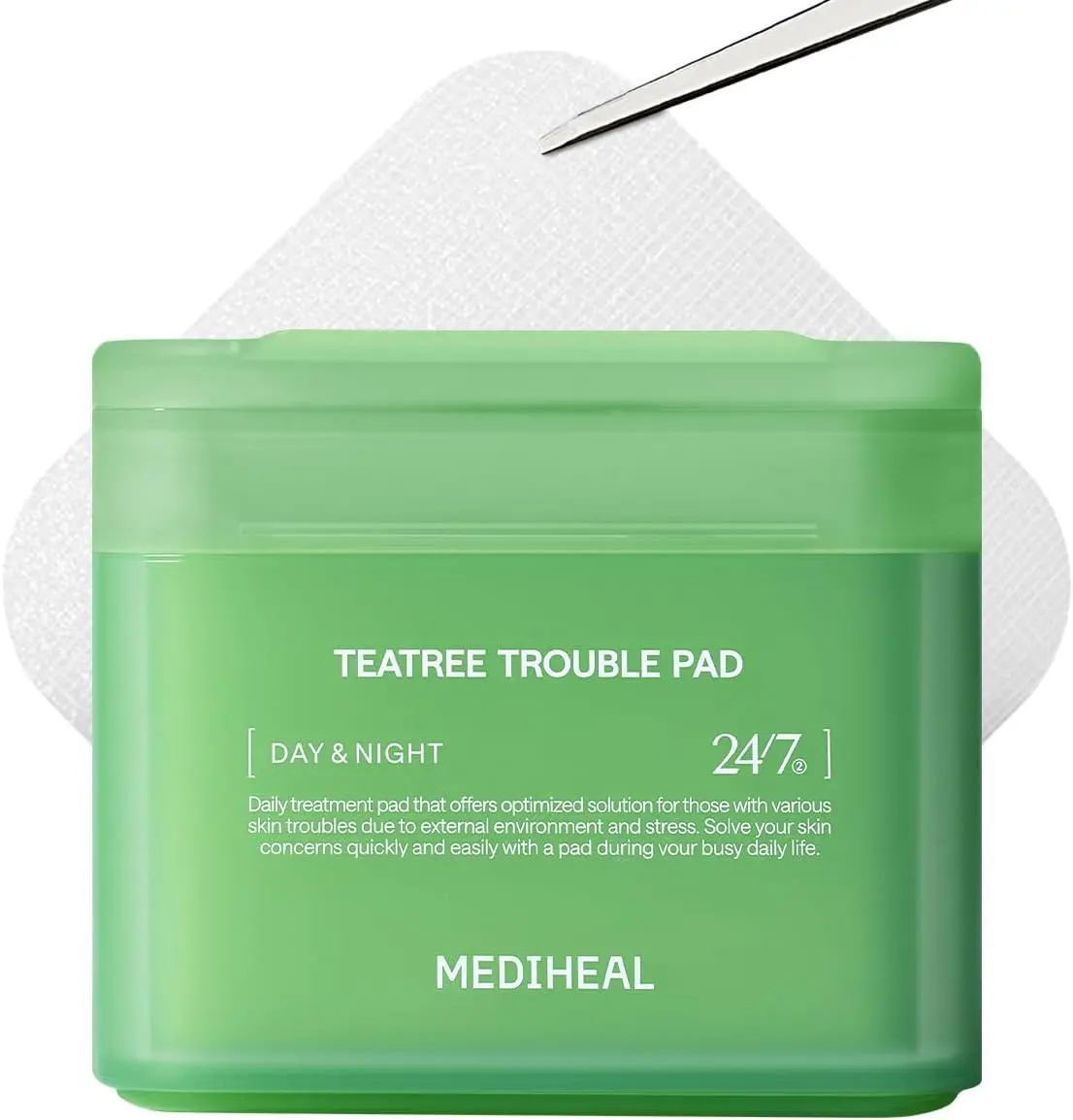
    MEDIHEAL Tea Tree Trouble Pad

    Best for Oily & Breakout-Prone Skin

    A better fit for oily or blemish-prone skin that still needs calming rather than aggressive scrubbing.

    Use light pressure and avoid rubbing inflamed areas repeatedly.

    Best for: oily, breakout-prone, or easily congested skin.

    👉 Buy on Amazon Japan

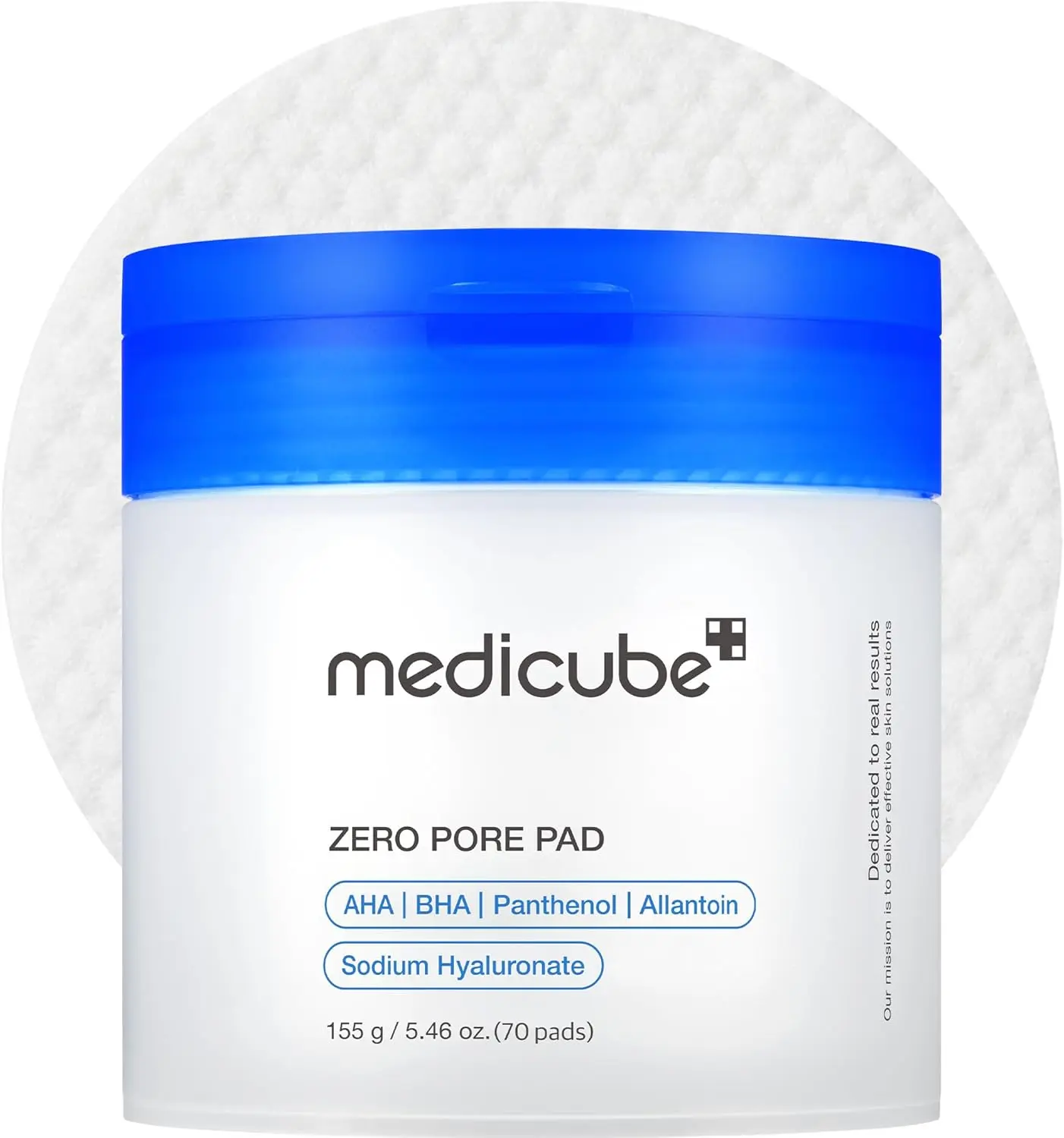
    Medicube Zero Pore Pad 2.0

    Best for Pores & Texture

    This is more treatment-focused than the hydrating pads above.

    It makes more sense if visible pores, oiliness, or uneven texture are your main concerns rather than dryness.

    Best for: oily areas, rough texture, and clogged-looking pores.

    Keep in mind: if you already use retinol or exfoliating acids, don’t automatically add this every day.

    👉 Buy on Amazon Japan

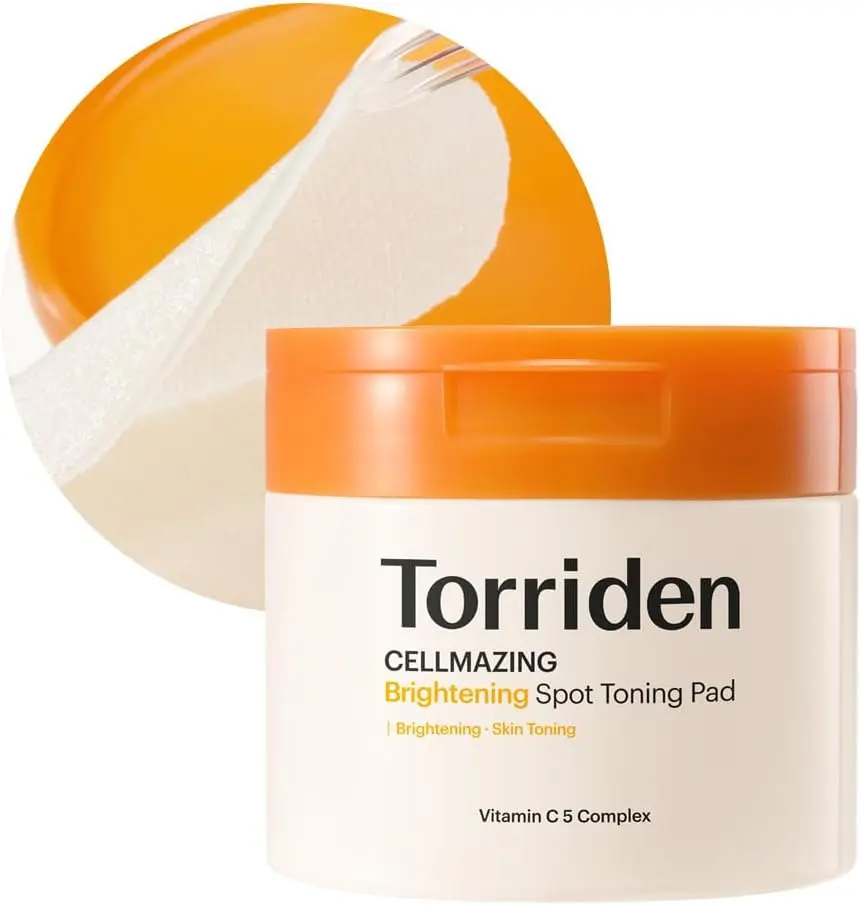
    Torriden CELLMAZING Brightening Spot Toning Pad

    Best for Dark Spots & Dullness

    A treatment-focused option for people who care more about uneven-looking tone and dullness than basic hydration.

    It can be useful if you want a brightening step without adding another separate toner to your routine.

    Best for: dullness, uneven tone, and post-blemish marks.

    👉 Buy on Amazon Japan

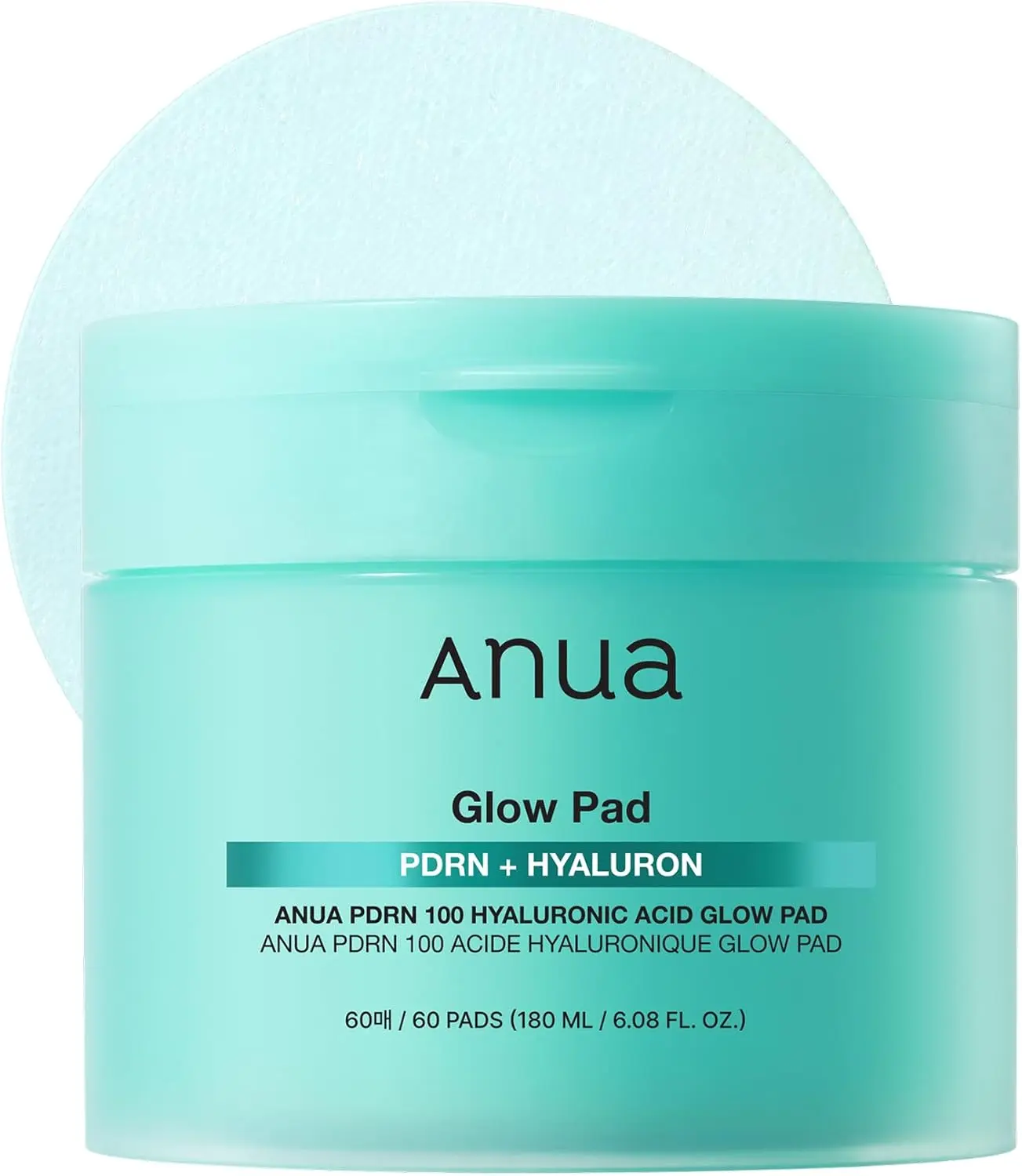
    Anua PDRN 100 Hyaluronic Acid Glow Pad

    Best Trending Pick for Glow

    A newer option that combines the PDRN trend with a more familiar hydration focus.

    I’d choose it for someone who wants plumper-looking, hydrated skin rather than pore exfoliation.

    Best for: dehydration, glow, and plump-looking skin.

    Keep in mind: don’t buy it only because PDRN is trending. If your goal is simple hydration, a basic hydrating pad may already be enough.

    👉 Buy on Amazon Japan

    Which One Fits Your Skin?

    Sensitive or easily irritated: SKINFOOD Carrot Carotene
    Dry or dehydrated: Torriden DIVE IN
    Oily or breakout-prone: MEDIHEAL Tea Tree Trouble Pad
    Pores and rough texture: Medicube Zero Pore Pad 2.0
    Dark spots and dullness: Torriden CELLMAZING
    Hydration + glow: Anua PDRN Glow Pad

    Toner Pads vs Toner vs Serum

    You probably don’t need all three.

    Choose toner pads
    If convenience, targeted application, or mini masking matters to you.
    Choose liquid toner
    If you mainly want simple hydration across the entire face.
    Choose serum
    If you want a more concentrated treatment step for one specific concern.

    Can You Use Toner Pads Every Day?

    It depends on the formula.

    Simple hydrating or calming pads may fit into a daily routine if your skin tolerates them.

    Exfoliating pads are different. If the formula contains exfoliating acids, start slowly instead of assuming daily use is better.

    And regardless of the product, don’t scrub your face with the pad.

    Are Toner Pads Good Before Makeup?

    Hydrating toner pads can be useful before makeup, especially when your cheeks or under-eye area feel dehydrated.

    Instead of wiping repeatedly, leave a hydrating pad on the area for a few minutes, remove it, let the essence absorb, then continue with moisturizer and sunscreen if needed.

    Best pre-makeup pick from this list:
    Torriden DIVE IN Multi Pad

    So, Are Toner Pads Actually Worth It?

    Yes, but mostly as a convenience product, not an essential skincare step.

    The best toner pad isn’t necessarily the most viral one. It’s the one that replaces or simplifies something your skin already needs.

    If your current toner and serum work perfectly, keep them.

    If you want faster hydration, targeted pore care, soothing, brightening, or a quick pre-makeup mini mask, toner pads start making much more sense.

    FAQ

    Do toner pads replace toner?
    Yes, they can. You don’t necessarily need to use liquid toner afterward.
    Do toner pads go before serum?
    Usually yes: cleanser → toner pad → serum → moisturizer.
    Can toner pads be used as a mini mask?
    Hydrating pads often can. Leave them on for a few minutes rather than waiting until the pad dries completely.
    Should I use toner pads in the morning or at night?
    Hydrating pads work at either time. Exfoliating pads may be easier to manage at night, especially if you use other active ingredients.
    Do I need toner pads if I already use toner?
    No. If your toner already does what you need, adding toner pads is optional.

    MonoMemo Take

    Toner pads are useful when they make your routine simpler or more targeted.

    They’re less useful when they become just another layer added because social media says you need one.

    Choose by skin concern not by which tub is currently viral.

    Continue Reading

    Do You Really Need a Toner?
    See whether toner deserves a place in your routine at all.
    How to Repair Your Skin Barrier
    Helpful if toner pads sting or your skin feels over exfoliated.
    How to Combine Skincare Actives
    Avoid overloading exfoliating pads with retinol, acids, or other strong actives.

    Affiliate Disclosure: This article contains affiliate links. MonoMemo may earn a small commission if you purchase through them, at no extra cost to you.

    Disclaimer: This content is for general skincare information only and is not medical advice. If you have persistent irritation, eczema, rosacea, or another skin condition, consult a qualified healthcare professional.
  • Dry & Dehydrated Skin Problems

    Dry & Dehydrated Skin Problems

    Why Does My Skin Feel Tight After Skincare? 7 Common Reasons

    If your face feels tight even after skincare, it doesn’t always mean you need a heavier cream. The problem may be your cleanser, dehydration, too many actives, or simply using the wrong textures.

    Quick Answer:
    Tight skin usually means your routine is removing too much, adding too little hydration, or not holding onto moisture well enough. Start by simplifying your routine before adding more products.

    7 Common Reasons Your Skin Feels Tight

    1. Your cleanser is too harsh

    If your skin already feels tight immediately after washing, the cleanser may be stripping too much oil. Use lukewarm water and avoid over-cleansing.

    2. Your skin is dehydrated

    Even oily skin can lack water. If your face feels tight but gets shiny later, dehydration may be part of the problem.

    3. You’re hydrating, but not sealing it in

    A watery serum can feel good at first, but dry skin may still need a lotion or moisturizer afterward.

    4. Your skin barrier is stressed

    Tightness plus stinging, redness, flaking, or burning often means your routine is too aggressive. Reduce acids and retinol for a few days.

    5. Your skincare texture doesn’t match your skin

    A heavy cream may be too much for oily skin, while a watery serum may not be enough for very dry skin. Texture matters.

    6. You’re waiting too long after cleansing

    Don’t wait until your face feels dry and uncomfortable before applying hydration. Use your next step while skin still feels comfortable.

    7. Your morning routine has too many layers

    More products can mean more pilling under sunscreen and makeup. Aim for enough hydration, not the maximum number of steps.

    What to change first:
    For the next 5–7 days, keep it simple: gentle cleanse → hydrating serum → moisturizer if needed → sunscreen. If your skin stings or flakes, reduce strong actives temporarily.

    5 Hydrating Picks That Fit Different Routines

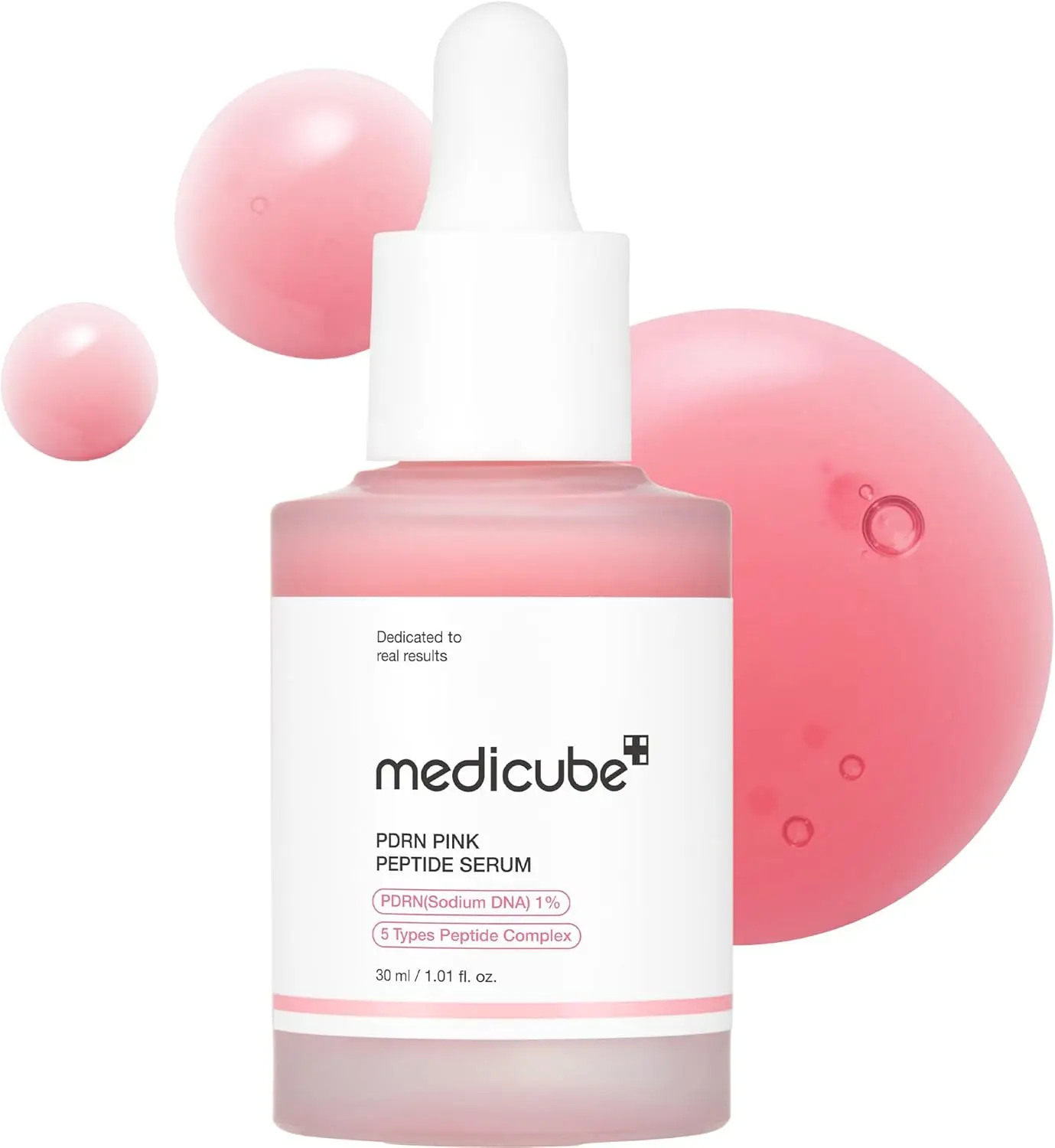
    Medicube Ultra Light PDRN Pink Peptide Serum

    Best Before Makeup

    A light option for dehydrated skin when you don’t want a heavy layer under sunscreen or foundation.

    Good for: combination, oily-dehydrated, or normal skin.

    👉 Buy on Amazon Japan|アマゾンで見る

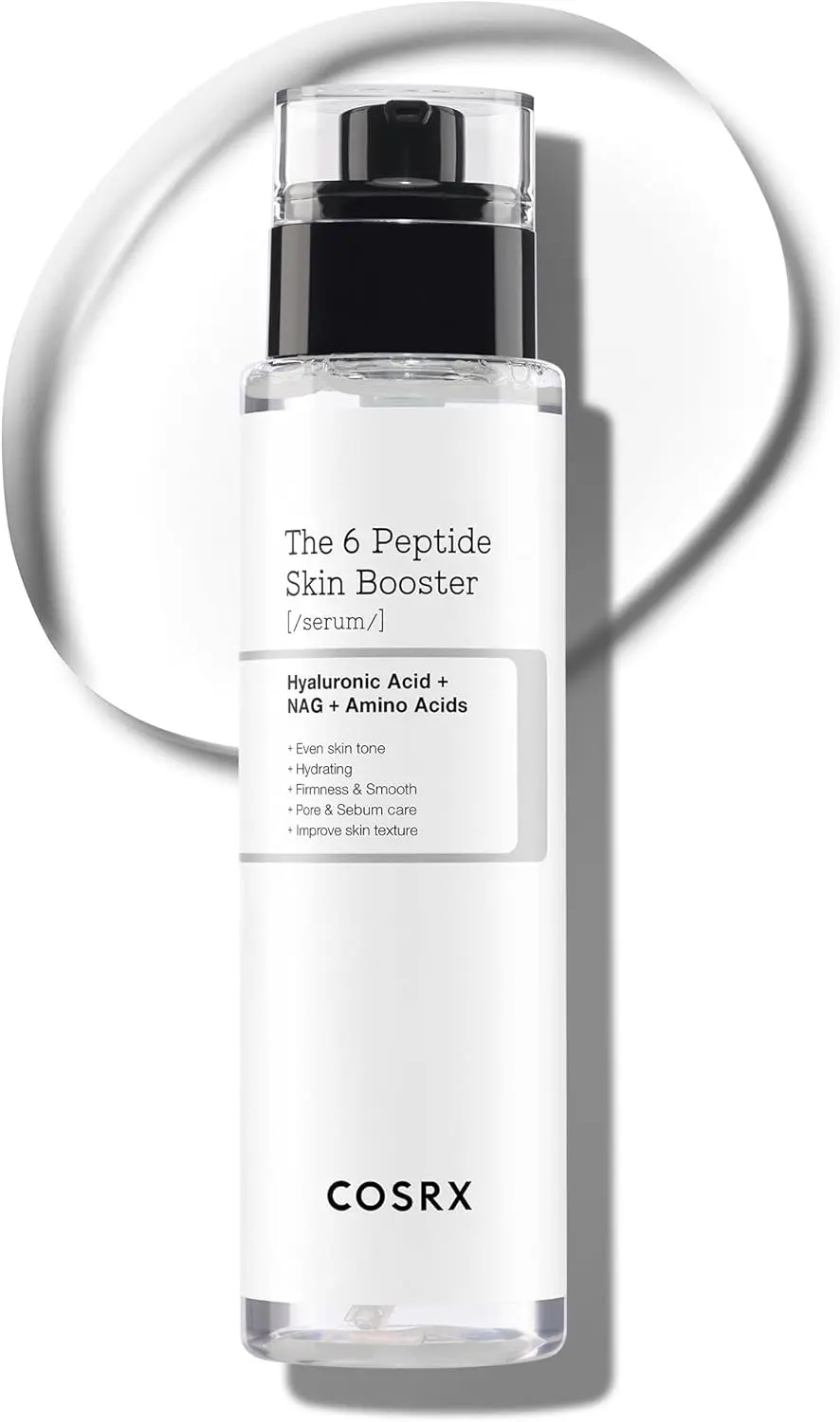
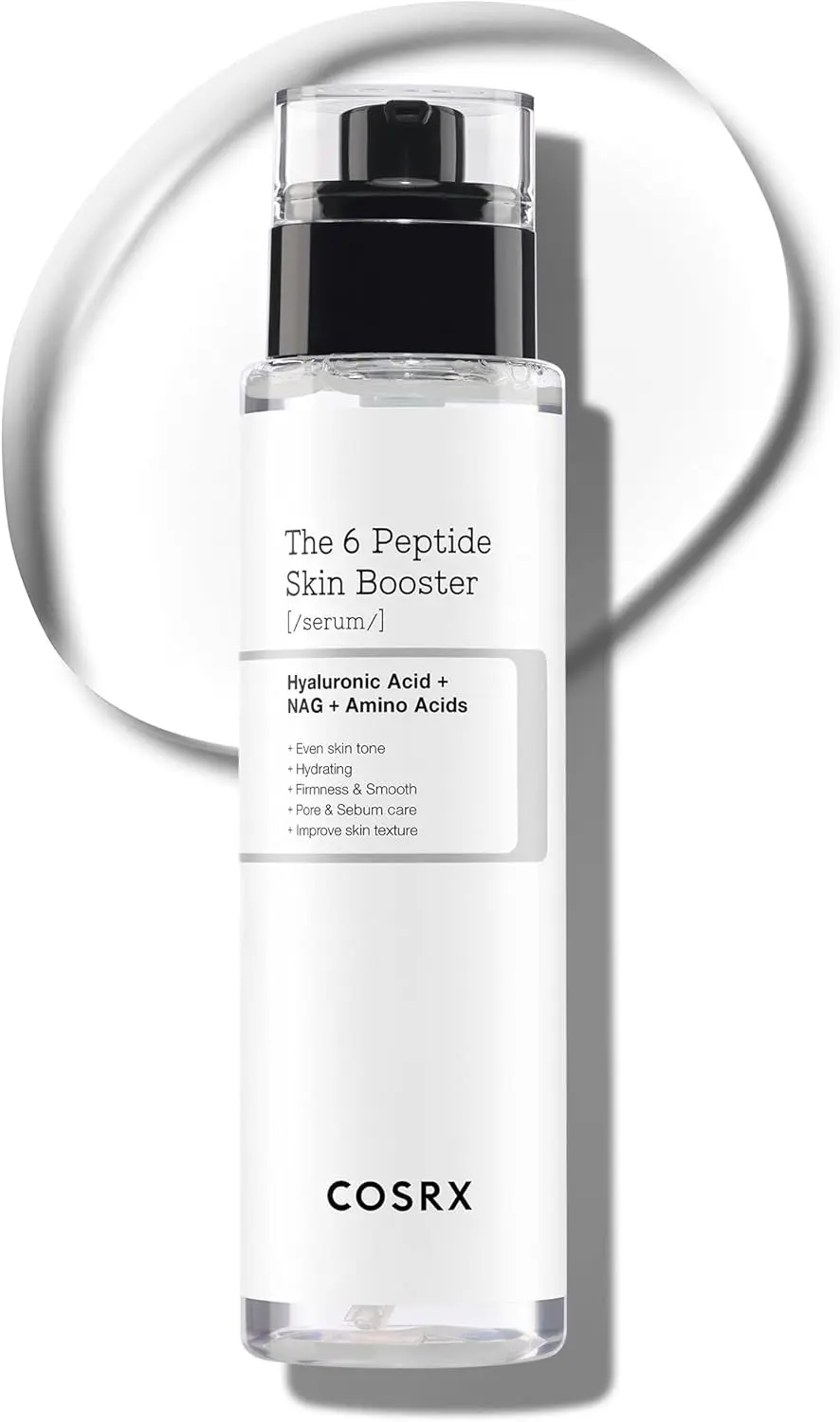
    COSRX The 6 Peptide Skin Booster Serum

    Best Lightweight Hydration

    A thin, booster-style serum for people who want hydration without adding another heavy skincare layer.

    Good for: oily, combination, normal, or dehydrated skin.

    👉 Buy on Amazon Japan|アマゾンで見る

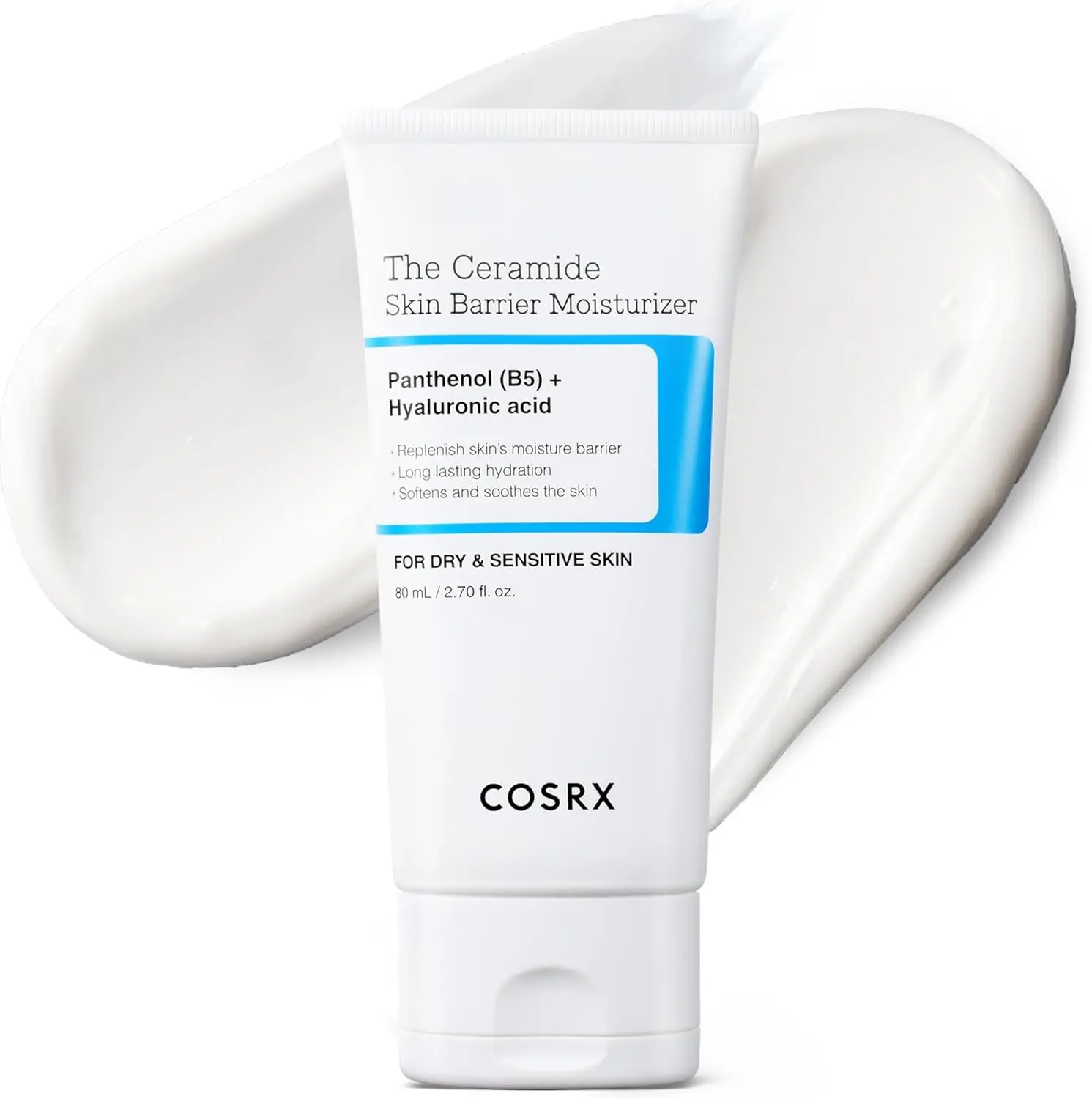
    COSRX The Ceramide Skin Barrier Moisturizer

    Best for Barrier Stress

    Better suited to tightness that comes with dryness, flaking, or a stressed-feeling skin barrier.

    Good for: dry, sensitive, or over-exfoliated skin.

    👉 Buy on Amazon Japan|アマゾンで見る

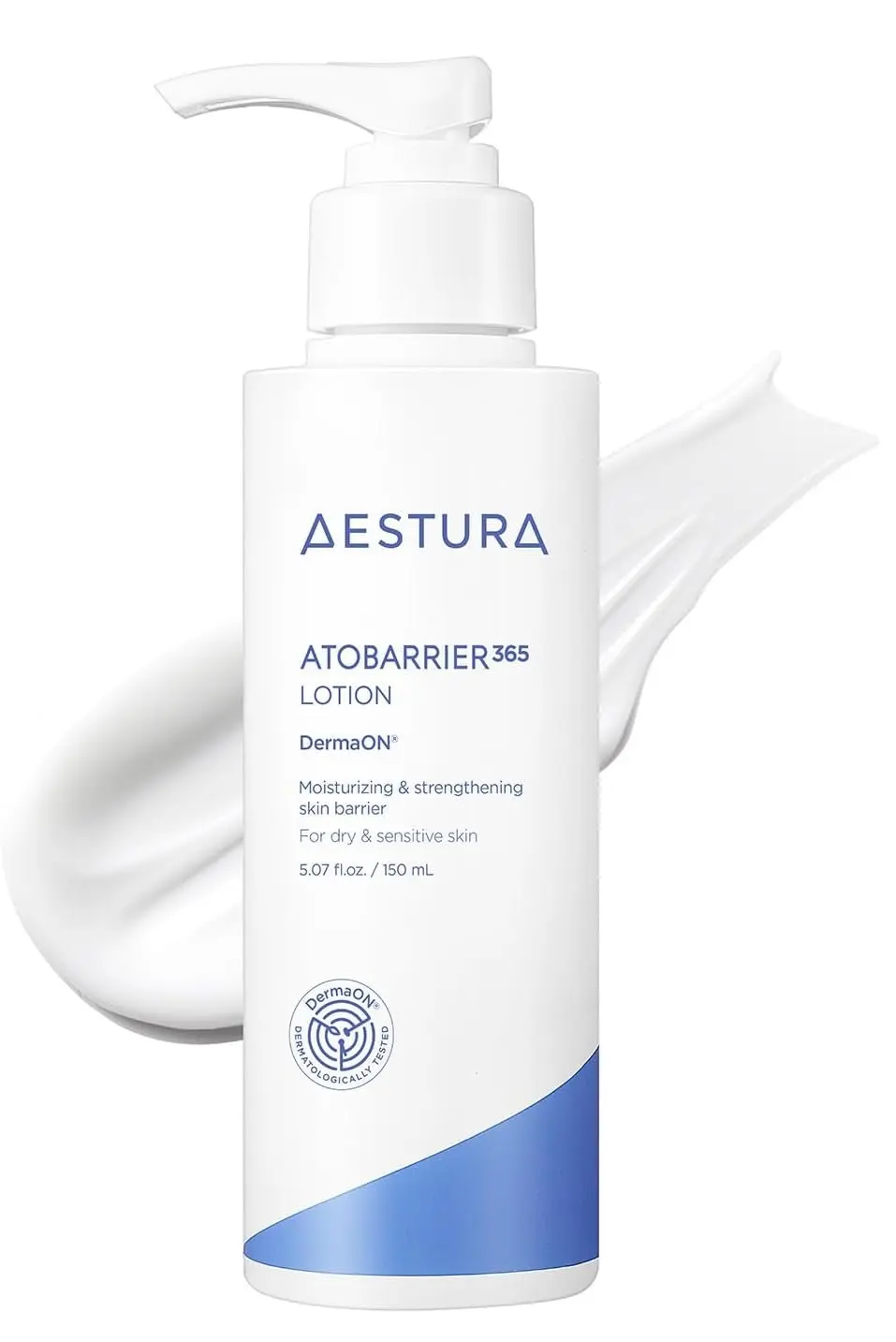
    AESTURA Atobarrier 365 Lotion

    Best for Dry Skin Without Heavy Cream

    A useful middle ground when a serum isn’t enough but a rich cream feels too heavy.

    Good for: normal-to-dry or dehydrated skin.

    👉 Buy on Amazon Japan|アマゾンで見る

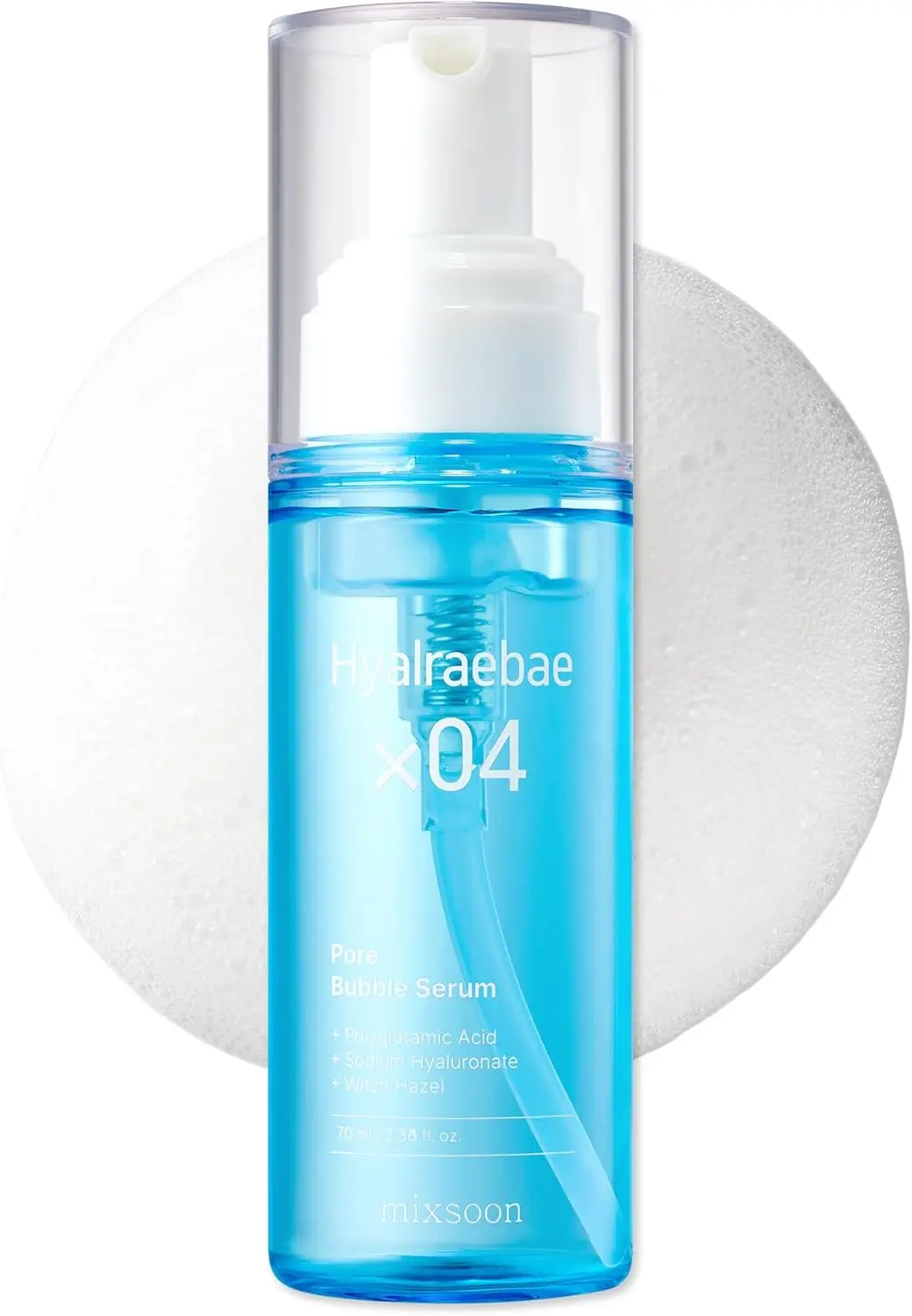
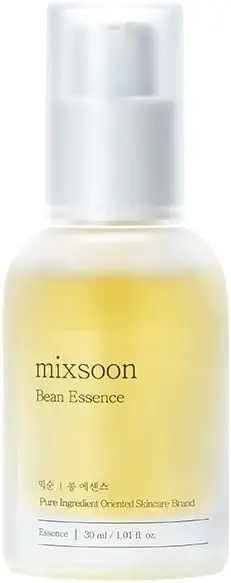
    Mixsoon Hyalraebae Pore Bubble Serum

    Best for Makeup Prep

    A lighter skin-prep option for people who want hydration without a rich finish before makeup.

    Good for: normal, combination, or dehydrated skin.

    👉 Buy on Amazon Japan|アマゾンで見る

    Which One Fits Your Routine?

    Tight but oily later: COSRX The 6 Peptide Skin Booster Serum
    Lightest option before makeup: Medicube Ultra Light PDRN Pink Peptide Serum
    Dry, flaky, or barrier-stressed: COSRX The Ceramide Skin Barrier Moisturizer
    Serum isn’t enough, cream feels too heavy: AESTURA Atobarrier 365 Lotion
    Hydration + makeup prep: Mixsoon Hyalraebae Pore Bubble Serum

    Simple Morning Routine Before Makeup

    For most people, this is enough:

    Gentle cleanse → Hydrating serum → Light moisturizer if needed → Sunscreen → Makeup

    If makeup starts pilling, don’t automatically add more moisturizer. Try using less product and fewer layers first.

    FAQ

    Can oily skin still feel tight?

    Yes. Oily skin can still be dehydrated, especially after cleansing.

    Does tight skin mean my barrier is damaged?

    Not always. But tightness with burning, redness, or flaking can be a sign your routine is too aggressive.

    Should I use serum or moisturizer before makeup?

    Use only what your skin needs. Oily skin may need just a light serum, while dry skin often benefits from a thin moisturizer too.

    MonoMemo Take

    If your skin feels tight, first ask when it happens.

    Right after cleansing? Check your cleanser.
    After actives? Simplify your routine.
    Comfortable at first but tight later? You may need better moisture retention.

    More skincare isn’t always more hydration. The best routine is the one that keeps your skin comfortable without making everything underneath sunscreen and makeup too heavy.

    Continue Reading

    How to Repair Your Skin Barrier
    For tightness that comes with sensitivity, redness, or flaking.
    Morning Face Wash Guide
    See whether cleansing is contributing to morning tightness.
    How to Combine Skincare Actives
    Avoid overloading your routine with retinol, acids, and vitamin C.

    Affiliate Disclosure: This article contains affiliate links. MonoMemo may earn a small commission if you purchase through them, at no extra cost to you.

    Disclaimer: This content is for general skincare information only and is not medical advice. Persistent burning, rash, swelling, or severe irritation should be evaluated by a qualified healthcare professional.
  • Premium Sunscreen

    Premium Sunscreen

    Beyond Sunscreen: 7 Premium Japanese UV Products Worth Trying

    Japanese UV care gets much more interesting once you move beyond the usual drugstore sunscreens.

    These products are designed to do more than protect your skin. Some feel like a proper day cream. Some work like a makeup primer. Others focus on daytime dryness, dullness, or the appearance of fine lines.

    They are also more expensive than products like Bioré or Skin Aqua, so I do not think the price makes sense for everyone. The real value comes from finding one that can replace another step in your morning routine.

    Premium UV care is most useful when it makes your routine simpler not just more expensive.

    Quick answer: Choose KANEBO if you want a rich day cream, ELIXIR for the easiest all-in-one morning step, DECORTÉ or ASTALIFT for tone correction, ORBIS for mature skin, SOFINA iP for daytime dryness, and SUQQU if makeup finish matters most.

    Which One Fits Your Routine?

    If you want the richest, most skincare-like option, KANEBO Cream in Day II is the obvious pick.

    For a simpler morning routine, ELIXIR Day Care Revolution is the most practical because it can replace several separate layers.

    Choose DECORTÉ Sun Shelter Tone Up CC if visible brightening and color correction matter more than an invisible finish.

    ORBIS Wrinkle Bright UV Protector makes the most sense for dry or mature skin, while SOFINA iP Skin Care UV 01 is better for skin that feels dehydrated during the day.

    If makeup finish is your priority, SUQQU Protecting Day Cream is the most polished choice.

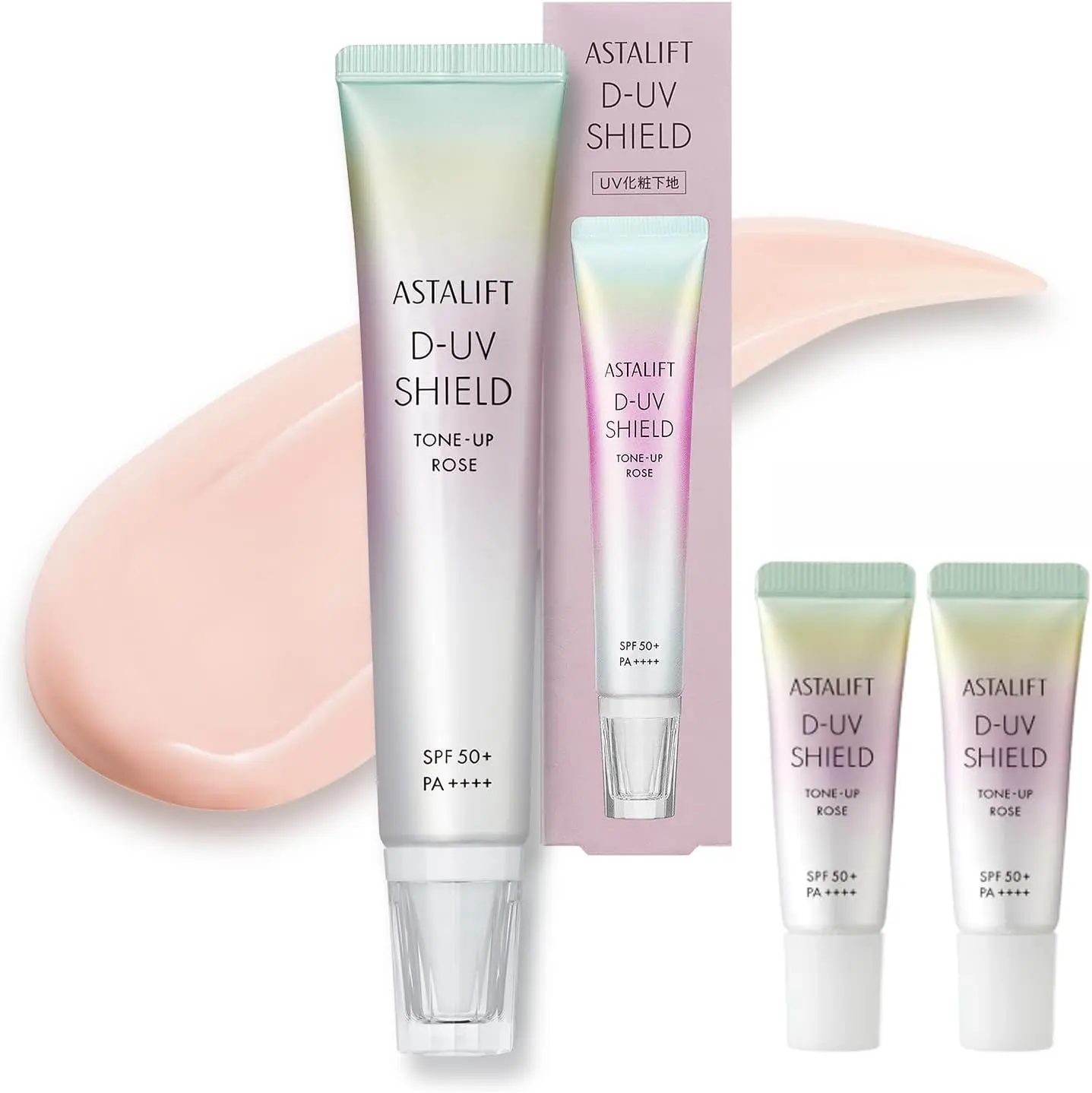
    ASTALIFT D-UV Shield Tone Up sits between skincare and a brightening makeup base.

    Best for Dry Skin

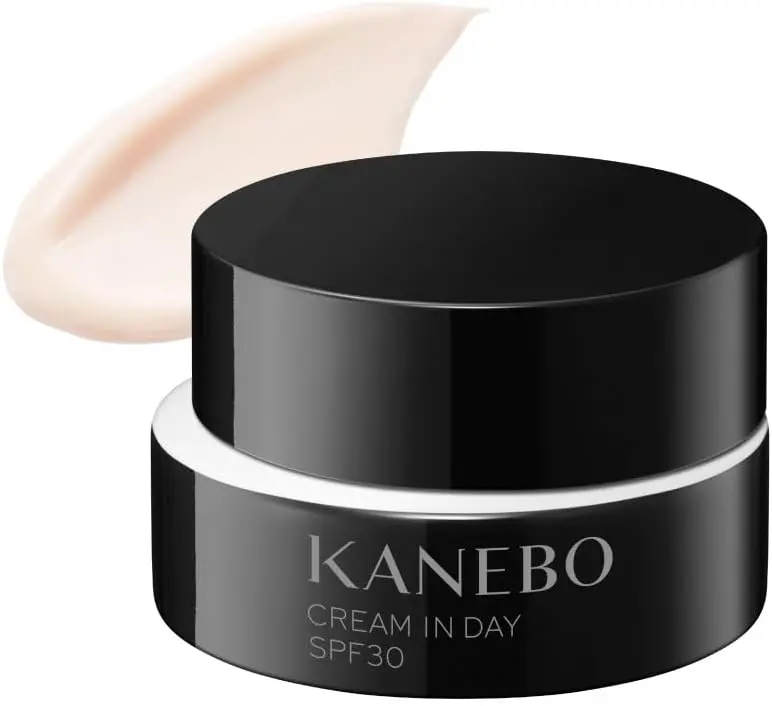
    KANEBO Cream in Day II

    Rich day cream · Dewy finish · Best for normal to dry skin

    KANEBO feels more like a premium moisturizer than a typical sunscreen. It has the rich, comfortable texture and soft glow you would expect from a luxury day cream.

    It makes the most sense for dry skin, especially if high-protection sunscreens often leave your face looking flat or feeling tight.

    The main limitation is that it is not the most practical option for a long outdoor day. This is better suited to everyday city wear than intense sun, sport, or the beach.

    Choose it if: you already use a rich morning cream and want your UV step built into the same product.
    👉 Buy on Amazon Japan |アマゾンで見る
    Best All-in-One

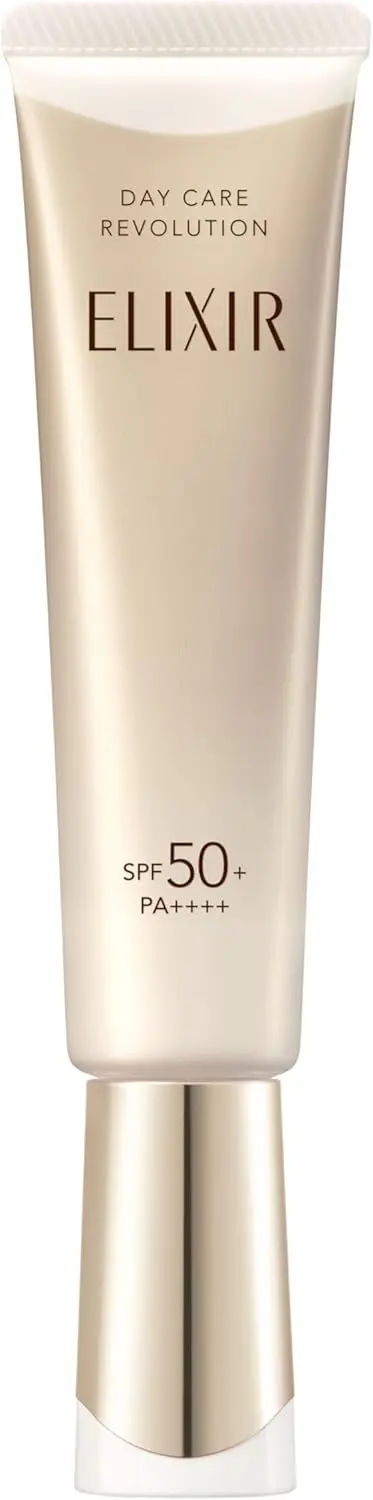
    ELIXIR Day Care Revolution

    UV emulsion · Makeup base · Best for a simple morning routine

    ELIXIR is the easiest product here to understand. It is designed to replace several separate morning layers, including daytime emulsion, sunscreen, and makeup base.

    That can be especially useful when foundation starts to pill or feel heavy after too many skincare products.

    There are different ELIXIR Day Care Revolution versions, so check the exact product variation before ordering.

    Choose it if: you want fewer products between your morning serum and makeup.
    👉 Buy on Amazon Japan |アマゾンで見る
    Best Tone-Up Base

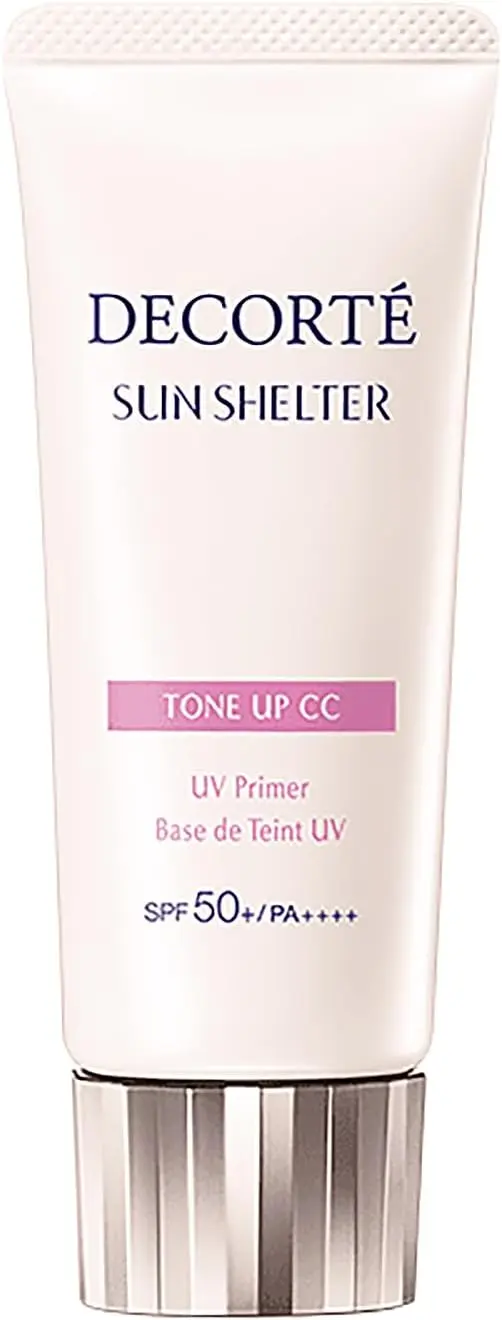
    DECORTÉ Sun Shelter Multi Protection Tone Up CC

    Lavender tone · Color correction · Best under makeup

    DECORTÉ is closer to a color-correcting primer than an invisible sunscreen. The lavender tone is designed to make dull or tired-looking skin appear brighter and clearer.

    On lighter makeup days, it may reduce how much foundation you feel you need.

    The same brightening effect can look too pale on some complexions, so this is not the safest blind buy if you normally avoid tone-up bases.

    Choose it if: you already like lavender primers and want UV protection in the same step.
    👉 Buy on Amazon Japan |アマゾンで見る
    Best for Mature Skin

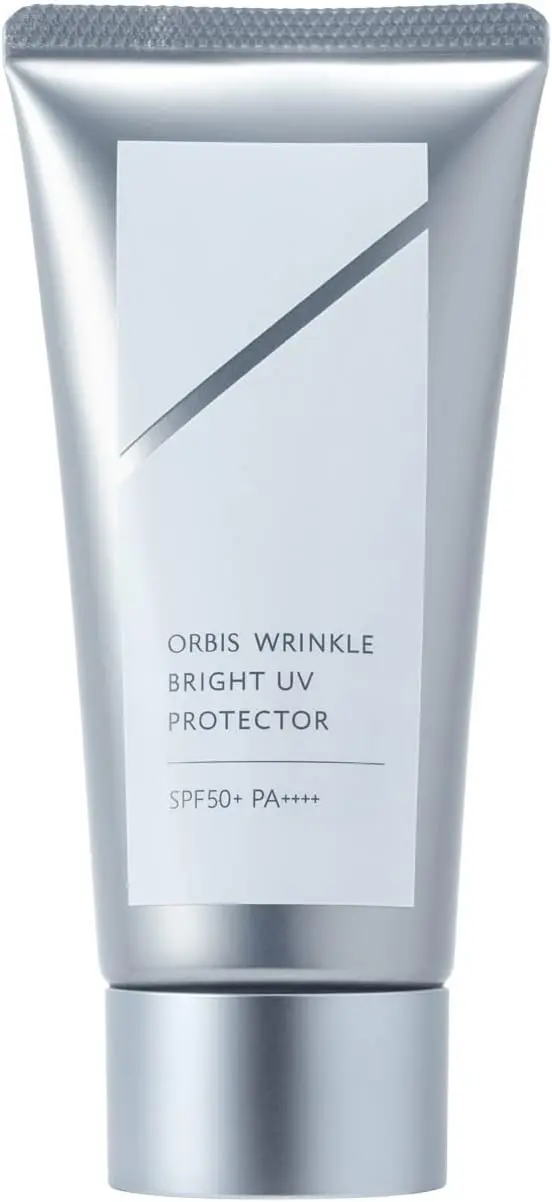
    ORBIS Wrinkle Bright UV Protector

    Quasi-drug · Creamy finish · Best for normal to dry skin

    ORBIS is the most treatment-focused product in this guide. It combines high UV protection with Japanese quasi-drug wrinkle and brightening positioning.

    The texture is better suited to normal, dry, or mature skin than to someone looking for a very light summer gel.

    It may feel too rich for oily skin in humid weather, but that same creaminess can be helpful during winter or in air-conditioned rooms.

    Choose it if: you want a moisturizing daytime anti-aging product, not just an elegant sunscreen.
    👉 Buy on Amazon Japan |アマゾンで見る
    Best Luxury Finish

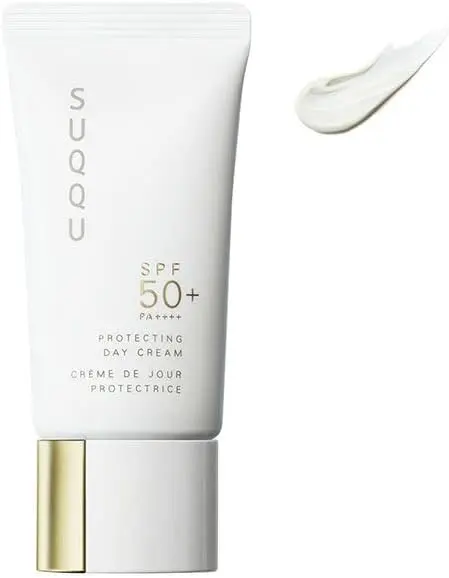
    SUQQU Protecting Day Cream

    Luxury makeup base · Refined glow · Best for foundation days

    SUQQU is not the most practical or affordable option here. Its appeal is the way it prepares the skin for makeup.

    It creates a smooth, softly luminous base without making the sunscreen layer feel separate from the rest of the makeup.

    The small size means it makes more sense as a face-only product than something you apply generously to the neck and body.

    Choose it if: you already spend money on premium primers and care most about foundation finish.
    👉 Buy on Amazon Japan |アマゾンで見る
    Best Skincare-Led Tone-Up

    ASTALIFT D-UV Shield Tone Up

    Tone-up UV base · Brightening finish · Best for dull-looking skin

    ASTALIFT sits between a skincare product and a brightening makeup base. It gives the skin a more even, polished appearance without feeling as makeup-led as a traditional color-correcting CC product.

    It is a useful alternative to DECORTÉ if you like a tone-up effect but want a product with a stronger skincare identity.

    Like any brightening UV base, it may look too noticeable on some skin tones. The tone-up effect should be part of the reason you choose it.

    Choose it if: you want a brighter base but find lavender CC products too makeup-focused.
    👉 Buy on Amazon Japan |アマゾンで見る
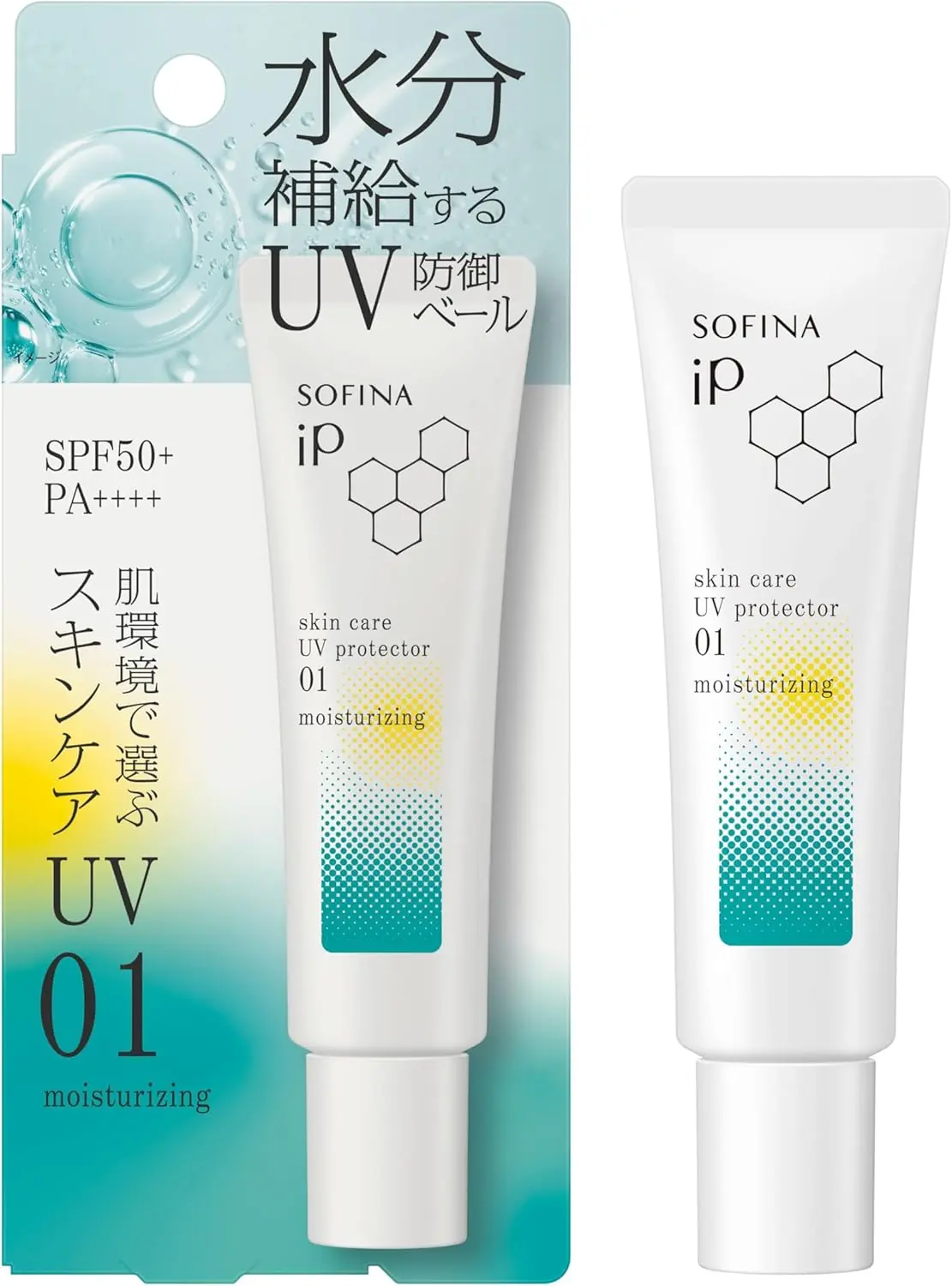
    Best for Daytime Dryness

    SOFINA iP Skin Care UV 01

    Moisturizing UV care · Natural finish · Best for dehydrated skin

    SOFINA iP is designed for skin that starts the morning comfortable but feels dry after several hours in air conditioning or a low-humidity environment.

    Unlike DECORTÉ and ASTALIFT, it is not mainly trying to visibly brighten or correct the complexion. Its focus is comfort, hydration, and everyday UV protection.

    The moisturizing feel may be too rich for very oily skin in humid weather, and the formula may not suit people who are sensitive to fragrance.

    Choose it if: your sunscreen looks fine in the morning, but your skin feels dry and uncomfortable by the afternoon.
    👉 Buy on Amazon Japan |アマゾンで見る

    Are Premium Japanese UV Products Worth It?

    They can be, but not because a higher price automatically means better sun protection.

    The extra cost usually goes toward texture, makeup compatibility, skincare claims, packaging, or the ability to replace another morning product.

    ELIXIR and SOFINA iP are the easiest options to justify for daily use. KANEBO and SUQQU make more sense when the luxurious texture or makeup finish is the main reason you want them.

    For long outdoor exposure: use an appropriate water-resistant sunscreen, apply enough, and reapply when needed. A premium texture does not replace correct sunscreen use.

    Frequently Asked Questions

    Are these better than Bioré or Anessa?

    Not necessarily. Drugstore sunscreens may be more practical for outdoor use, generous application, and frequent reapplication. Premium UV products mainly offer a more skincare-like or makeup-friendly finish.

    Which one is best for dry skin?

    KANEBO has the richest day-cream feel. SOFINA iP is the more practical choice for skin that becomes dry or dehydrated during the day.

    Which one is best under makeup?

    SUQQU is the luxury choice for a refined base. DECORTÉ and ASTALIFT are better when you also want visible tone correction.

    Which product can replace moisturizer?

    KANEBO is the strongest candidate for dry skin. ELIXIR and SOFINA iP may also replace a separate daytime moisturizer depending on your skin and the season.

    Are tone-up UV products suitable for every skin tone?

    No. Lavender, pink, or brightening bases can look too pale on some complexions. Tone-up products should be treated as makeup products rather than universally invisible sunscreens.

    MonoMemo Take

    I would not pay premium prices for SPF alone.

    I would pay when the product solves a problem I normally have with sunscreen too many morning layers, dryness, poor makeup texture, or a dull finish.

    ELIXIR and SOFINA iP are the easiest everyday recommendations. KANEBO, SUQQU, DECORTÉ, and ASTALIFT make more sense when texture or finish is the main reason you are interested.

    Continue Reading

  • Ceramide Cream

    Ceramide Cream

    Can Ceramide Cream Cause Acne?

    You were trying to help your skin, not make it worse.

    Maybe your face felt dry after using retinol. Maybe your cleanser left it tight and uncomfortable. So you bought a ceramide cream—the kind everyone says is good for a damaged skin barrier.

    Then a few days later, a couple of new pimples appeared.

    And suddenly, the moisturizer became the main suspect.

    Quick answer: Ceramides themselves usually do not cause acne. If a ceramide cream seems to break you out, the full formula, the texture, or another change in your routine is more likely to be the reason.

    So why did your skin break out?

    A moisturizer is not one ingredient. It is a recipe.

    Ceramides are only one part of that recipe. The cream may also contain oils, waxes, silicones, fragrance, preservatives, and ingredients that make it feel thick or silky.

    Your skin does not read ingredient lists. It responds to formulas.

    That is why two ceramide creams can feel completely different. One may become your favorite. Another may feel too heavy after only a few uses.

    Do not judge an ingredient by one product. One bad match does not make the ingredient bad.

    A useful way to think about it:

    Do not judge an ingredient by one product. If one ceramide cream does not work for you, it does not mean all ceramides are bad for your skin.

    What usually causes the problem?

    The cream is too rich

    A thick barrier cream can feel great on very dry skin. But if your skin gets oily or clogged easily, the same cream may feel heavy.

    You are using too much

    More moisturizer is not always better. A small amount may be enough, especially if your skin is oily or combination.

    Another ingredient is irritating your skin

    Fragrance or certain plant extracts may cause itching, redness, or tiny bumps in some people.

    Something else changed at the same time

    A new serum, stress, hormones, hot weather, or a stronger acne treatment may be part of the story.

    Can ceramide cream cause purging?

    Usually, no.

    Purging happens with ingredients that speed up skin renewal, such as retinoids or exfoliating acids. Ceramides do not work that way.

    So if a simple ceramide moisturizer causes new bumps, do not assume your skin is “purging.” It is more likely that the product is too heavy, irritating, or simply not a good match.

    More likely to be clogged pores: small whiteheads or skin-colored bumps that slowly appear where you usually break out.

    More likely to be irritation: itching, burning, redness, swelling, or many similar bumps that appear quickly.

    More likely to be something else: the breakout started after several products changed at once.

    Could ceramides actually help acne-prone skin?

    Yes. This is the part people often miss.

    Acne treatments can leave the skin dry, tight, and sensitive. Retinoids, benzoyl peroxide, and exfoliating acids may all make the skin barrier feel weaker.

    Ceramides help support that barrier. They do not treat acne directly, but they can make your skin feel calmer and more comfortable while you use acne treatments.

    Think of ceramides as part of the support team. They are not there to fight pimples. They are there to help your skin handle the treatment better.

    How can you tell if the cream is the problem?

    Keep it simple. Do not change your whole routine at once.

    Pause the new cream and keep everything else the same. If your skin improves, you can try the cream again later using a smaller amount.

    If the same bumps return, the formula may not suit your skin.

    Stop using it right away if you notice:

    • Burning or strong itching
    • Swelling
    • Blisters
    • A rash that is spreading

    How do you choose the right ceramide moisturizer?

    There is no perfect ceramide cream for everyone.

    If your skin gets oily easily, a light lotion or gel cream may feel better than a thick barrier cream.

    If acne treatments have made your skin dry or flaky, you may need something richer—especially on the driest areas.

    For oily skin

    Choose a lightweight texture and start with a small amount.

    For combination skin

    Use a thin layer over the face, then add more only where your skin feels dry.

    For dry, acne-prone skin

    A richer cream may help, especially if your acne treatment causes peeling or tightness.

    A “non-comedogenic” label can be helpful, but it is not a promise. Your skin may still react differently from someone else’s.

    💙 MonoMemo Take

    Your skin does not need a perfect ingredient.

    It needs a formula that feels right. If one ceramide cream does not work for you, that does not mean ceramides are the problem. Sometimes your skin is simply asking for a better match.

    FAQ

    Can ceramides clog pores?

    Ceramides themselves are not usually considered pore-clogging. But a rich cream may contain other ingredients that feel too heavy for some acne-prone skin.

    Can oily skin use ceramides?

    Yes. Oily skin still needs a healthy skin barrier. A lightweight lotion or gel cream is often the easiest place to start.

    Can I use ceramide cream with retinol?

    Yes. A gentle moisturizer can help with the dryness and irritation that retinol sometimes causes.

    Should I stop using the cream if I break out?

    Pause it and watch your skin. If the bumps improve and return when you try the cream again, the formula may not be right for you.

    How long should I wait before trying it again?

    Wait until your skin has settled. Then try a small amount on a limited area before using it all over your face again.

    The bottom line

    If your skin breaks out after using a ceramide cream, do not panic.

    It does not automatically mean ceramides are the problem. More often, your skin is reacting to the complete formula—or simply asking for something that suits it a little better.

    One bad match does not mean you need to avoid ceramides forever.

    Sometimes your skin is not asking for a different ingredient. It is asking for a better match.

    Finding the right moisturizer is rarely about chasing one perfect ingredient. It is about finding the formula your skin feels comfortable with.

    Related reading

    Best Ceramide Moisturizers in Japan for Dry and Sensitive Skin

    A simple guide to choosing a Japanese ceramide moisturizer that fits your skin.

    Affiliate Disclosure: This article may contain affiliate links, including links to Amazon Japan. If you purchase through these links, MonoMemo may earn a small commission at no extra cost to you.

    Medical Disclaimer: This article provides general skincare information and is not medical advice. See a dermatologist if your acne is painful, severe, or not improving, or if you develop swelling, blistering, or a widespread rash.

  • Ceramide Moisturizers

    Ceramide Moisturizers

    Best Ceramide Moisturizers in Japan for Dry & Sensitive Skin

    Looking for a ceramide moisturizer but not sure which one to choose?

    If your skin often feels dry, tight, or easily irritated, a ceramide moisturizer can be one of the simplest ways to support your skin barrier.

    The hard part is not deciding whether ceramides are useful. It is finding a formula that feels right for your skin.

    Your skin does not need the most expensive moisturizer.

    It needs one that keeps your skin comfortable day after day.

    Instead of listing dozens of products, this guide focuses on four ceramide moisturizers that suit different needs from a lightweight Japanese cream to richer Korean formulas for very dry skin.

    Quick Picks

    Best overall barrier cream

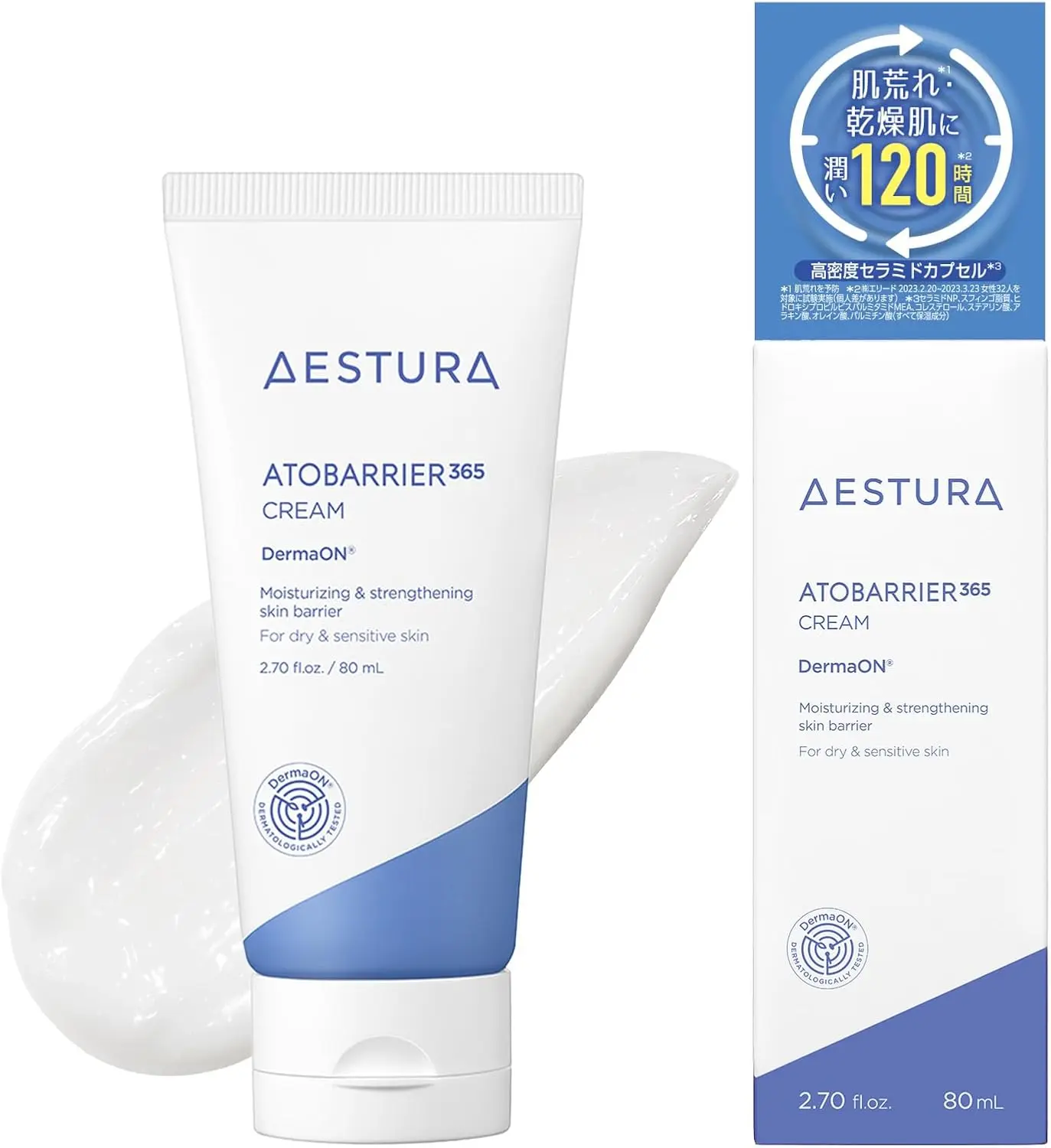
    Aestura Atobarrier 365 Cream

    Best value for face and body

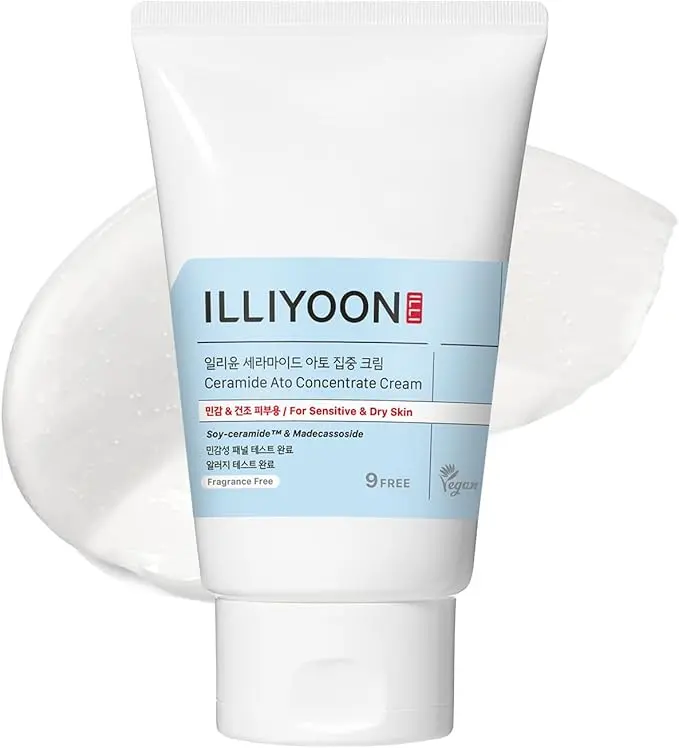
    Illiyoon Ceramide Ato Concentrate Cream

    Lightweight Japanese option

    Curél Intensive Moisture Cream

    Richest option for very dry skin

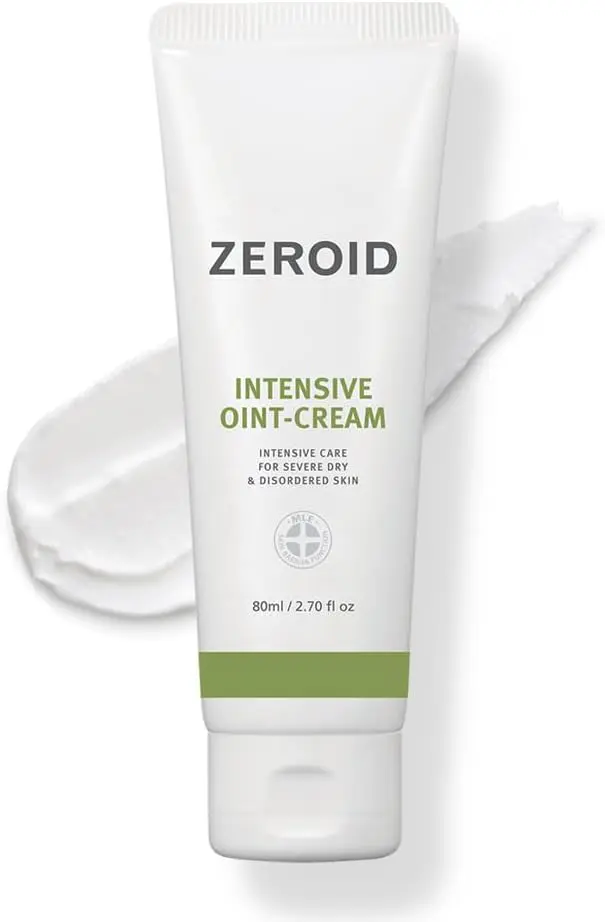
    ZEROID Intensive Oint Cream

    How these products were chosen

    Each moisturizer was selected for its barrier-focused formula, texture, reputation, availability in Japan, and the type of skin it suits best.

    The goal was not to recommend as many products as possible. It was to make the choice easier.

    Aestura Atobarrier 365 Cream for dry and sensitive skin

    Best for: dry, sensitive, or barrier-weakened skin.

    Why it stands out: Aestura is the most balanced choice in this list. The cream feels rich enough for dry skin without being as heavy as a traditional ointment-style moisturizer.

    Good to know: This is a strong everyday option if your skin often feels tight after cleansing, becomes uncomfortable in winter, or needs more support while using retinol.

    Check Price on Amazon Japan →
    Illiyoon Ceramide Ato Concentrate Cream for face and body

    Best for: anyone who wants one practical moisturizer for both face and body.

    Why it stands out: Illiyoon gives you a generous amount of product and works well on larger dry areas, including the neck, arms, and legs.

    Good to know: The texture is richer than a lotion, so oily skin may prefer using a smaller amount or keeping it for nighttime.

    Check Price on Amazon Japan →
    Curél Intensive Moisture Cream Japanese moisturizer for sensitive skin

    Best for: sensitive skin and anyone who prefers a lighter Japanese moisturizer.

    Why it stands out: Curél is easy to find in Japan and has a soft, comfortable texture that works well for daily use.

    Good to know: This is the lightest-feeling option in the list. Very dry skin may need a more protective layer on top during colder months.

    Check Price on Amazon Japan →
    ZEROID Intensive Oint Cream for very dry and rough skin

    Best for: very dry, rough, or uncomfortable skin.

    Why it stands out: ZEROID is the richest option here. It gives dry areas a more protective, cushioned feel than the other creams in this guide.

    Good to know: It may feel too heavy for oily skin or daytime use. Think of it as a targeted nighttime cream for dry cheeks, rough patches, or colder weather.

    Check Price on Amazon Japan →

    How to use a ceramide moisturizer

    Apply it after toner, essence, or serum. You only need enough to leave your skin comfortable not coated.

    If your skin is very dry, apply the cream while your face is still slightly damp. In the morning, finish with sunscreen.

    Oily or combination skin may prefer a thin layer over the whole face, with a little extra only on dry areas.

    FAQ

    Can I use a ceramide cream every day?

    Yes. Most ceramide moisturizers are made for daily use. If yours feels too rich, use less or apply it only at night.

    Can I use ceramides with retinol?

    Yes. Ceramide moisturizers can help make retinol dryness and irritation easier to manage.

    Are ceramides better than hyaluronic acid?

    They do different jobs. Hyaluronic acid helps attract water, while ceramides help support the barrier that keeps that moisture from escaping.

    Can ceramide cream cause acne?

    Ceramides themselves are unlikely to be the problem. But a rich formula may feel too heavy for some acne-prone skin.

    💙 MonoMemo Take

    Dry skin does not always need a heavier cream. Sometimes it simply needs the right amount of the right formula.

    The bottom line

    There is no single best ceramide moisturizer for everyone.

    Choose the texture that matches how dry your skin feels and how much richness you enjoy.

    The right cream should leave your skin comfortable not heavy.

    Related reading

    Affiliate Disclosure: This article contains affiliate links, including links to Amazon Japan. If you purchase through these links, MonoMemo may earn a small commission at no extra cost to you.

    Medical Disclaimer: This article is for general skincare information only and is not medical advice. If you have eczema, severe irritation, allergies, or a diagnosed skin condition, please consult a dermatologist.

  • Moisturizer

    Moisturizer

    Why Is Your Skin Still Dry After Moisturizer?

    You bought the moisturizer.

    You used it exactly as directed.

    But somehow, your skin still feels tight, flaky, or uncomfortable.

    So what is going on?

    Your moisturizer may not be failing.

    Your skin may simply be asking for something different.

    The real cause may be your skin barrier, your cleanser, the air around you, or a formula that simply does not fit your skin.

    First, is your skin dry or dehydrated?

    Before buying another moisturizer, it helps to ask one simple question.

    Is your skin actually dry…

    or is it dehydrated?

    They can feel very similar, but they do not always need the same solution.

    Dry skin usually lacks oil. Dehydrated skin lacks water.

    That is why some people can feel greasy and tight at the same time. The skin may produce oil on the surface while still feeling uncomfortable underneath.

    Your skin barrier may be letting moisture escape

    Imagine filling a bucket with a small hole in the bottom.

    You can keep adding water, but it will still leak out.

    That is what a weakened skin barrier can feel like.

    Your moisturizer may soften the surface for a while, but the dryness returns because your skin is not holding onto moisture very well.

    This often happens after over-exfoliating, using strong acne treatments, washing too often, or layering too many active ingredients at once.

    Your cleanser may be doing too much

    A cleanser should remove dirt, oil, and sunscreen.

    It should not leave your face feeling squeaky, tight, or uncomfortable.

    If your skin feels dry the moment you rinse, your cleanser may be removing more than your skin can easily replace.

    Hot water and washing too often can make that feeling worse.

    Do You Really Need to Wash Your Face in the Morning?

    A simple guide to deciding whether morning cleansing is helping or drying out your skin.

    Your moisturizer may not match your skin

    Not every moisturizer works for every skin type.

    A light gel can feel perfect on oily skin but disappear too quickly on very dry skin.

    A thick cream can feel comforting on dry cheeks but too heavy across an oily T-zone.

    The goal is to find a texture that keeps your skin comfortable without making it feel coated.

    Your skin does not care what a product is called. It only cares how the finished formula feels.

    Your skin may need water before it needs more cream

    If your skin is dehydrated, another layer of heavy cream may not be the missing step.

    A hydrating toner, lotion, essence, or serum under your moisturizer may feel more comfortable without making your routine heavier.

    The air around you may be drying your skin out

    Sometimes your routine is fine.

    The room is the problem.

    Heating, air conditioning, cold weather, and low indoor humidity can make your skin lose water faster than usual.

    In that situation, a humidifier, shorter hot showers, and applying moisturizer while your skin is still slightly damp may help more than buying a completely new routine.

    What should you try first?

    Start with the smallest change that matches what your skin is telling you.

    If your skin feels tight after washing…

    Try a gentler cleanser and cooler water.

    If your skin feels oily and dry…

    Add a light hydrating layer before moisturizer.

    If your cheeks stay rough…

    Use a richer cream or balm only on those areas.

    If the dryness gets worse indoors…

    Think about humidity, heating, and air conditioning.

    Products that may help

    Each product below makes sense for a different kind of dryness.

    Curél Intensive Moisture Cream

    Best for: dry, sensitive skin that needs barrier support.

    Curél feels light and comfortable, which makes it a good option when your skin feels tight but you do not enjoy heavy creams.

    Keep in mind: Very dry skin may need something richer during colder months.

    Check Price on Amazon Japan →

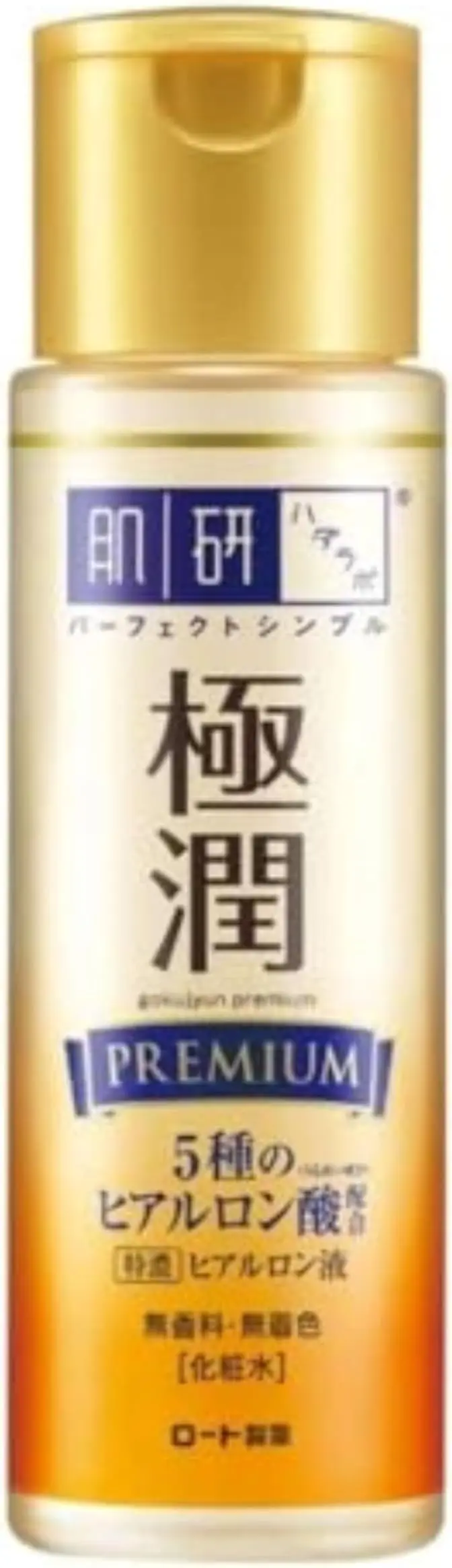
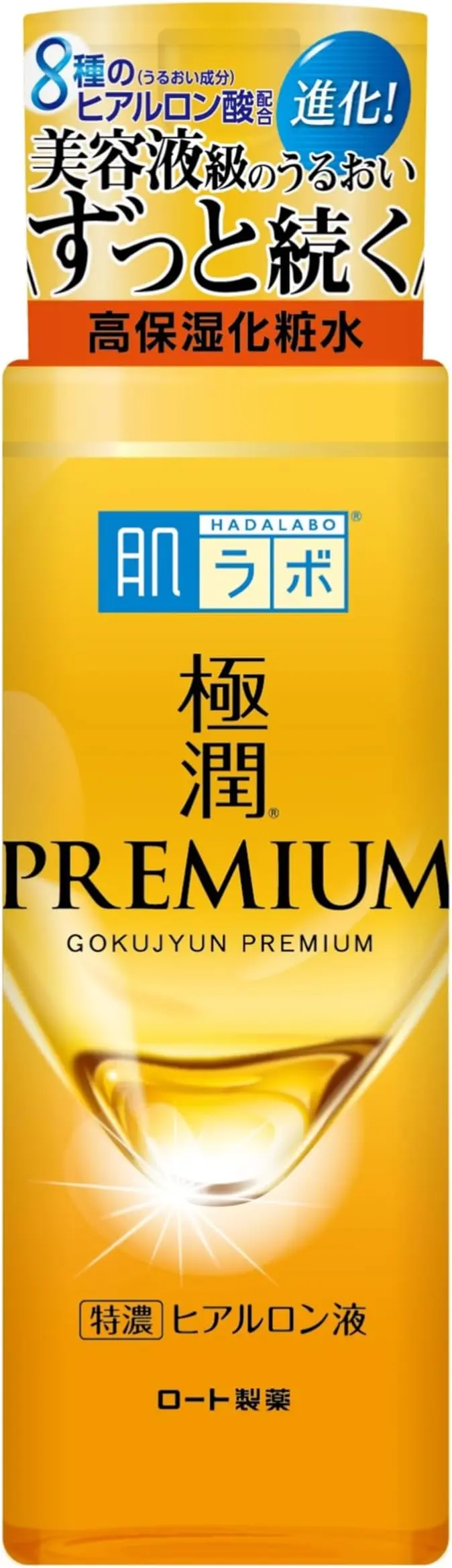
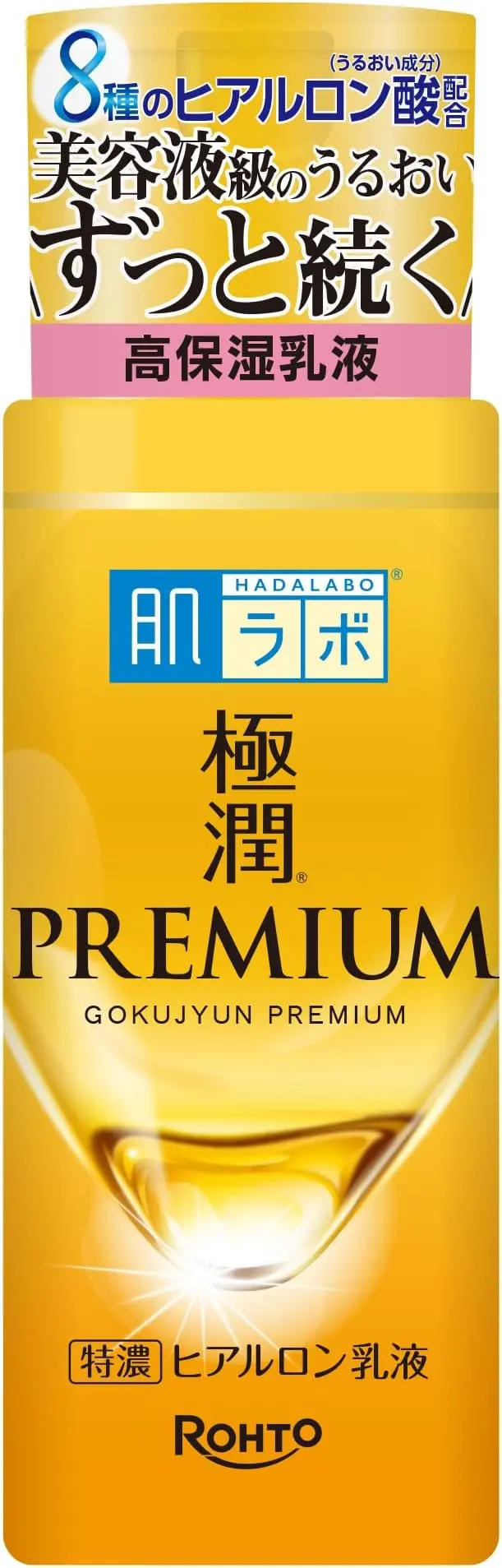
    Hada Labo Gokujyun Premium Lotion

    Best for: dehydrated skin that feels tight but may still become oily.

    This adds a lightweight layer of hydration before moisturizer, which can help if more cream only makes your skin feel heavy.

    Keep in mind: It works best under a cream or lotion, not as a full replacement for one.

    Check Price on Amazon Japan →

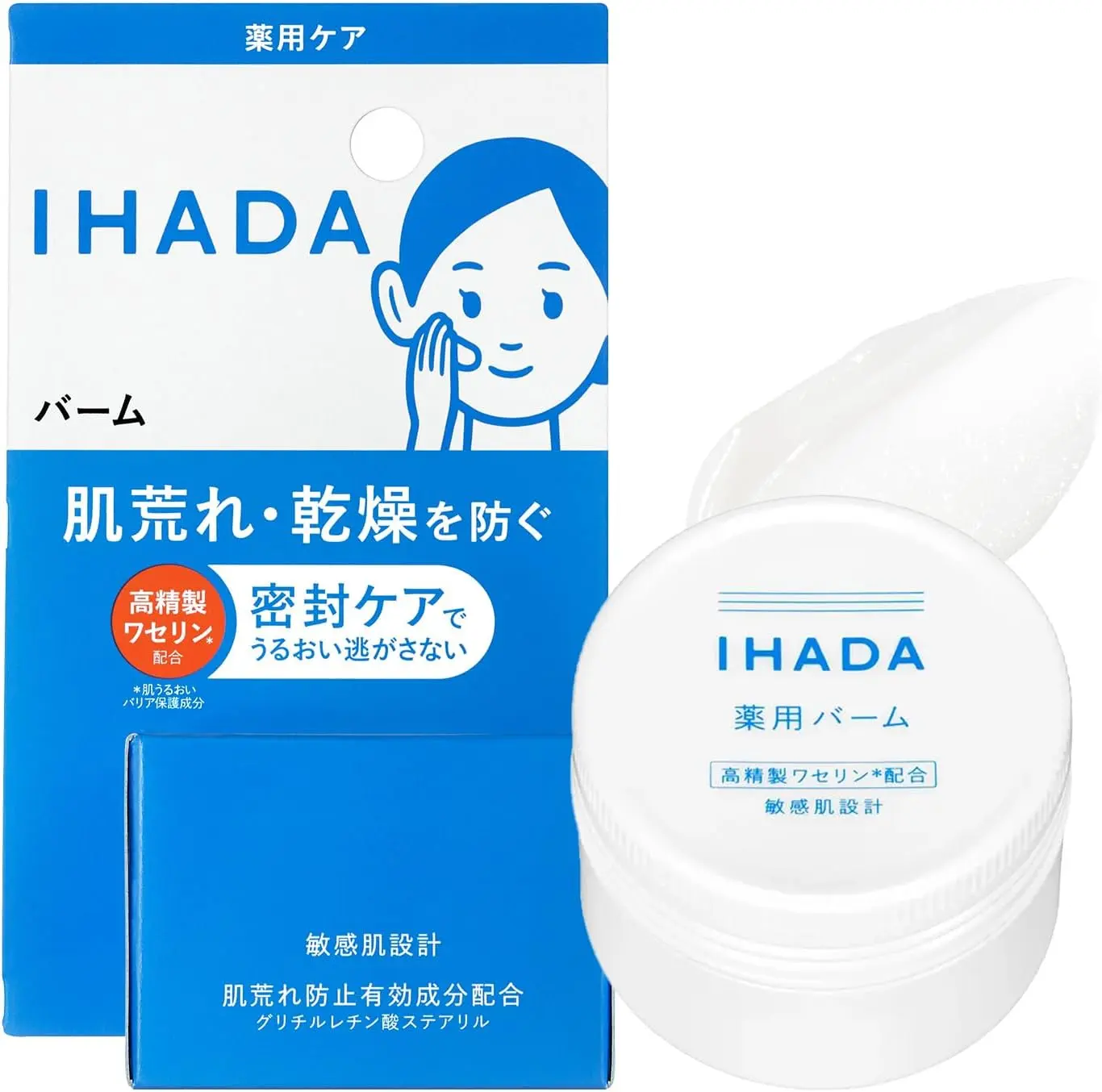
    IHADA Medicated Balm

    Best for: rough patches, dry cheeks, or areas that need extra protection.

    IHADA gives dry spots a more protective layer without forcing you to use a heavy cream across your whole face.

    Keep in mind: Use it only where needed if your skin becomes oily easily.

    Check Price on Amazon Japan →

    FAQ

    Why does my skin feel dry right after washing?

    Your cleanser may be too strong, the water may be too hot, or your skin barrier may already be irritated.

    Can oily skin also be dehydrated?

    Yes. Skin can produce oil while still lacking water, which is why it may feel greasy and tight at the same time.

    Should I use more moisturizer?

    Not always. If the real issue is over-cleansing, dehydration, or dry indoor air, adding more cream may not solve it.

    How long should a moisturizer keep my skin comfortable?

    There is no exact rule, but your skin should not feel tight again within a few minutes. If it does, review your cleanser, hydration step, and moisturizer texture.

    💙 MonoMemo Take

    When moisturizer is not enough, the answer is not always more moisturizer. Sometimes your skin is simply asking for a gentler routine.

    The bottom line

    Before replacing your moisturizer, look at the rest of your routine.

    A gentler cleanser, a light layer of hydration, or better indoor humidity may be the change your skin was missing.

    Good skincare is not always about adding more. Sometimes it is about making the routine easier on your skin.

    Related reading

    Affiliate Disclosure: This article may contain affiliate links, including links to Amazon Japan. If you purchase through these links, MonoMemo may earn a small commission at no extra cost to you.

    Medical Disclaimer: This article provides general skincare information and is not medical advice. If you have persistent irritation, eczema, bleeding, pain, or severe dryness, please consult a dermatologist.

  • Face wash

    Face wash

    Are You Washing Your Face Too Much? 5 Signs to Watch For

    You wash your face because you want cleaner skin.

    But if your skin feels tight, shiny, irritated, or more breakout-prone afterward, your routine may be doing too much.

    More cleansing does not always mean cleaner skin.

    For many people, washing twice a day is enough. Some dry or sensitive skin types may do better with only water in the morning.

    The goal is not to remove every trace of oil.

    It is to clean your skin without leaving it feeling stripped.

    What happens when you wash too much?

    Your skin depends on natural oils and a healthy barrier to stay comfortable.

    When cleansing becomes too frequent, too hot, or too harsh, that balance can start to break down.

    1. Your skin feels tight after washing

    That clean, squeaky feeling is not always a good sign. It may mean your cleanser is removing more oil than your skin can comfortably replace.

    2. Your face becomes oily again very quickly

    If your skin feels stripped, it may become shinier later. The answer is not always another wash.

    3. Products suddenly sting

    A weakened barrier can make even gentle products feel uncomfortable, especially around the cheeks and nose.

    4. Breakouts seem worse, not better

    Over-cleansing can leave skin dry and irritated, which may make acne feel harder to manage.

    5. Redness and sensitivity keep returning

    Frequent washing, hot water, and rubbing can all make reactive skin feel more fragile.

    Your skin should feel clean after washing not punished.

    How often should you wash your face?

    For most people, once in the morning and once at night is enough.

    But that is a starting point, not a strict rule.

    If your skin is dry or sensitive, rinsing with water in the morning may feel better. If you wake up oily, exercise early, or use a heavy nighttime routine, a gentle cleanser may still make sense.

    Do You Really Need to Wash Your Face in the Morning?

    A simple guide to deciding whether morning cleansing is helping your skin.

    What works best for your skin type?

    Oily skin

    Twice a day often works well, but the cleanser should still feel gentle. More foam does not always mean a better cleanse.

    Dry skin

    Try water only in the morning and a gentle cleanser at night. Moisturize soon after washing.

    Sensitive skin

    Keep cleansing short, use lukewarm water, and avoid scrubbing or rough washcloths.

    Combination skin

    Focus more cleansing on oily areas and use a lighter touch on dry cheeks.

    Small changes that can help

    Use lukewarm water

    Hot water can make dryness and tightness worse.

    Keep the wash short

    You do not need to massage cleanser into your skin for several minutes.

    Let your hands do the work

    Skip harsh brushes, rough cloths, and unnecessary scrubbing.

    Moisturize before your skin feels tight

    Applying moisturizer soon after washing can help your skin hold onto more water.

    FAQ

    Is washing three times a day too much?

    Usually, yes. An extra cleanse after heavy sweating may make sense, but washing three or more times every day can leave skin dry or irritated.

    Can I skip cleanser in the morning?

    Yes. Dry or sensitive skin may feel better with water only. Oily skin or a heavy nighttime routine may still benefit from a gentle cleanser.

    Is cleansing the same as washing your face?

    Not always. An oil or balm cleanser removes makeup and sunscreen, while a face wash removes water-based dirt and sweat. Whether you need both depends on the product.

    Can skin recover from overwashing?

    Often, yes. Reducing cleansing, using a gentler product, and keeping the rest of your routine simple can help. Persistent irritation should be checked by a dermatologist.

    💙 MonoMemo Take

    Cleansing should support your skin, not challenge it. If your face feels worse after washing, doing less may be the better choice.

    The bottom line

    You do not need to wash your face as often as possible.

    You need to wash it often enough to remove what is there without taking away what your skin still needs.

    Clean skin should still feel like comfortable skin.

    Affiliate Disclosure: This article may contain affiliate links. If you purchase through these links, MonoMemo may earn a small commission at no extra cost to you.

    Medical Disclaimer: This article provides general skincare information and is not medical advice. If irritation, redness, pain, or dryness continues, please consult a dermatologist.

  • Morning Routine

    Morning Routine

    A Simple Barrier-Friendly Morning Skincare Routine

    Your morning routine does not need to be long.

    If your skin often feels tight, sensitive, or easily irritated, a few gentle steps are usually enough to help it feel more comfortable throughout the day.

    Short on time?

    Moisturizer and sunscreen are the two steps that matter most. Everything else depends on what your skin actually needs.

    The goal is not to layer as many products as possible.

    It is to keep your skin calm, supported, and protected without making the routine feel like work.

    Step 1 — Cleanse only as much as you need

    Not everyone needs cleanser in the morning.

    If your skin feels comfortable when you wake up, rinsing with lukewarm water may be enough.

    If you wake up oily, exercise early, or use a heavy nighttime routine, a gentle cleanser can help without leaving your face feeling stripped.

    Do You Really Need to Wash Your Face in the Morning?

    How to decide whether your skin needs cleanser or just water.

    Your skin should feel clean after washing—not tight.

    Step 2 — Add hydration only if your skin wants it

    A hydrating toner, lotion, or essence can help if your skin feels tight after cleansing.

    But this step is optional.

    If your skin already feels comfortable, you do not need to add another layer just because a routine says you should.

    Step 3 — Moisturize before your skin feels tight

    Moisturizer helps your skin hold onto water and supports the barrier that keeps irritation out.

    Choose a texture that matches how your skin feels.

    Dry skin may prefer a cream. Oily or combination skin may feel better with a lighter lotion.

    The right moisturizer should make your skin feel comfortable not coated.

    Step 4 — Finish with sunscreen

    Sunscreen is the step that protects everything underneath it.

    Look for broad-spectrum protection with at least SPF 30, and use enough to cover your face, neck, and any other exposed skin.

    The best sunscreen is not the one with the most impressive label.

    It is the one you can wear comfortably every day.

    Products used in this routine

    These are practical examples for each step. You do not need all four if your skin already feels comfortable with less.

    Step 1 — Gentle cleanser

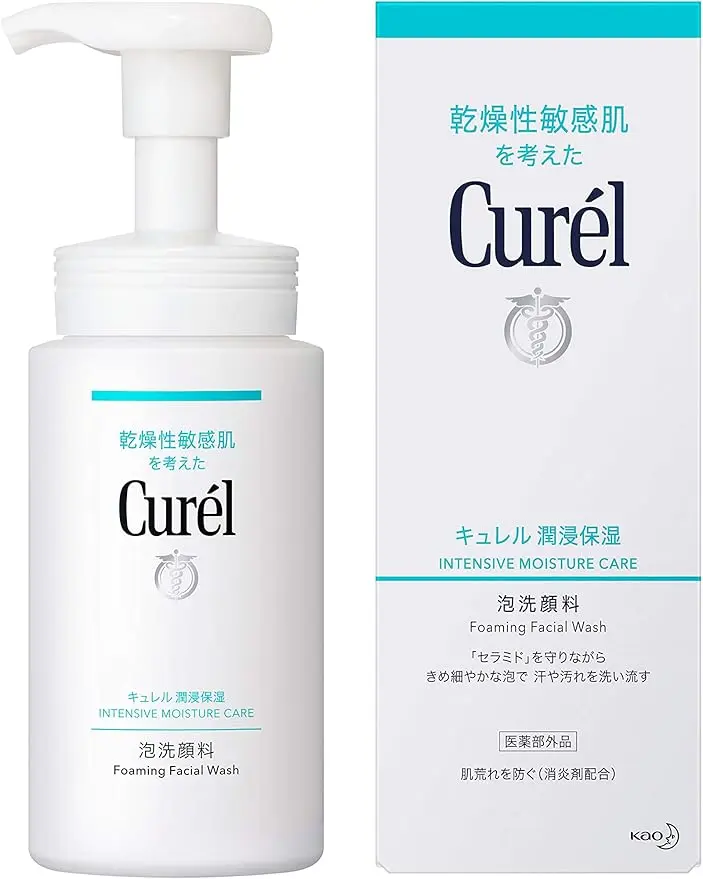
    Curél Foaming Facial Wash for sensitive skin

    Curél Foaming Facial Wash

    Best for: sensitive skin that wants a soft, low-effort morning cleanse.

    This foaming wash is easy to use and feels gentler than many stronger cleansers.

    Keep in mind: Dry skin may not need it every morning.

    Check Price on Amazon Japan →

    Step 2 — Hydrating lotion

    Hada Labo Hyaluronic Acid Lotion for dehydrated skin

    Hada Labo Hyaluronic Acid Lotion

    Best for: skin that feels tight after cleansing but does not want a heavy layer.

    This adds a light layer of hydration before moisturizer.

    Keep in mind: It works best under a cream or lotion, not as a replacement for one.

    Check Price on Amazon Japan →

    Step 3 — Ceramide moisturizer

    Illiyoon Ceramide Ato Concentrate Cream for dry skin

    Illiyoon Ceramide Ato Concentrate Cream

    Best for: dry skin that needs more barrier support.

    Illiyoon gives the routine a richer, more protective finish without requiring extra layers.

    Keep in mind: Oily skin may prefer a smaller amount.

    Check Price on Amazon Japan →

    Step 4 — Daily sunscreen

    Bioré UV Aqua Rich Essence sunscreen

    Bioré UV Aqua Rich Essence

    Best for: anyone who wants a lightweight sunscreen that is easy to use every morning.

    The texture feels less heavy than many traditional sunscreens, which can make daily use easier.

    Keep in mind: Use enough product and reapply when you spend long hours outdoors.

    Check Price on Amazon Japan →

    How to keep the routine simple

    Keep cleansing short

    A gentle wash does not need to last several minutes.

    Do not force every step

    Skip toner or essence if your skin already feels comfortable.

    Apply moisturizer before tightness starts

    Slightly damp skin can make moisturizer feel more comfortable.

    Make sunscreen the final step

    Apply it after moisturizer and before makeup.

    FAQ

    Do I need cleanser every morning?

    Not always. Water may be enough for dry or sensitive skin. A gentle cleanser may suit oily skin or heavier nighttime routines better.

    Is toner necessary?

    No. Toner is optional. Use it when your skin needs extra hydration, not because every routine must include one.

    Can I skip moisturizer if my sunscreen feels hydrating?

    Some oily skin types can. Dry or sensitive skin may still feel better with moisturizer underneath.

    What SPF should I use?

    Broad-spectrum SPF 30 or higher is a practical everyday starting point.

    💙 MonoMemo Take

    A healthy skin barrier does not need more products. It needs a routine gentle enough that you can follow it every day.

    The bottom line

    A good morning routine should leave your skin comfortable, not overloaded.

    Cleanse only when you need to. Add hydration only when it helps. Moisturize, then protect your skin with sunscreen.

    You do not need to do everything every morning. You only need to do what your skin can use.

    Sources

    Affiliate Disclosure: This article contains affiliate links, including links to Amazon Japan. If you purchase through these links, MonoMemo may earn a small commission at no extra cost to you.

    Medical Disclaimer: This article provides general skincare information and is not medical advice. If you have persistent irritation, eczema, allergies, or a diagnosed skin condition, please consult a qualified healthcare professional.
  • Cleansing Oil

    Cleansing Oil

    Cleansing Oil Guide: How to Remove Makeup Without Overdoing It

    What cleansing oil actually does, who needs it, the mistakes that make it feel greasy, and six options worth considering.

    Some people try cleansing oil once, end up with a greasy film, and decide it is not for them. Usually, cleansing oil itself is not the problem. The issue is often the product, using too much, or not rinsing it well.

    What you need to know

    Cleansing oil can help when you wear sunscreen, foundation, waterproof makeup, or anything else that is hard to remove with a regular face wash.

    Put it on dry skin and gently spread it for a short time. Then add a little water. The oil should turn white and milky before you rinse it away. Skipping this step is one of the main reasons cleansing oil can feel greasy.

    Do you actually need a cleansing oil?

    Not everyone does. If you wear little or no makeup and your sunscreen comes off easily, a regular cleanser may be enough. Cleansing oil is more useful when sunscreen or makeup is hard to wash off.

    It is probably worth trying if:

    • You wear sunscreen that is made to stay on through sweat or water most days.
    • You use foundation, makeup that is made to last for many hours, or waterproof mascara.
    • You notice yourself rubbing with cotton pads or cleansing wipes.
    • Your regular cleanser leaves makeup around the hairline, nose, or eyes.

    You may not need it if:

    • You rarely wear makeup or sunscreen that is hard to wash off.
    • Your current face wash already removes everything without rubbing.
    • Your skin is irritated and even a short cleansing routine stings.
    • You tend to rub or massage your face for several minutes.
    Cleansing oil is not automatically gentler just because it is oil-based. A well-productted oil can reduce rubbing, but too much product, too much massage, or an unnecessary second cleanse can still leave skin feeling tight.

    Why cleansing oil can leave your face feeling greasy

    The most common reason is poor the step where you add water and the oil turns milky. Cleansing oils contain ingredients that help the oil mix with water, so makeup and sunscreen can rinse away more easily. When you add a little water, the clear oil should turn cloudy or milky. Gently move it over your skin for a few seconds, then rinse well.

    The second reason is simply using too much. Using more oil does not mean your face will get cleaner. Use only enough so your fingers move smoothly without pulling the skin.

    Three common mistakes

    1. Massaging for too long

    Thirty to sixty seconds is usually plenty. Massaging for too long means more rubbing, especially around the nose and cheeks.

    2. Skipping the step where you add water and the oil turns milky

    Rinsing the clear oil away too quickly can leave some oil, makeup, or sunscreen behind. Add water first and wait until the oil turns milky.

    3. washing first with an oil cleanser and then with a regular face cleanser by default

    A second face wash can help after heavy makeup, but you do not always need it. If your skin already feels clean and comfortable, washing again may only make it feel dry.

    How to choose one without getting confused

    Do not worry too much about a long ingredient list. Start with three simple questions: Does it feel too heavy? Does it rinse away easily? Can it remove the makeup or sunscreen you wear?

    Want the easiest everyday option?
    Choose KOSE Softymo Speedy Cleansing Oil.

    Does your skin often feel reactive?
    Start with FANCL Mild Cleansing Oil.

    Prefer a lighter feel?
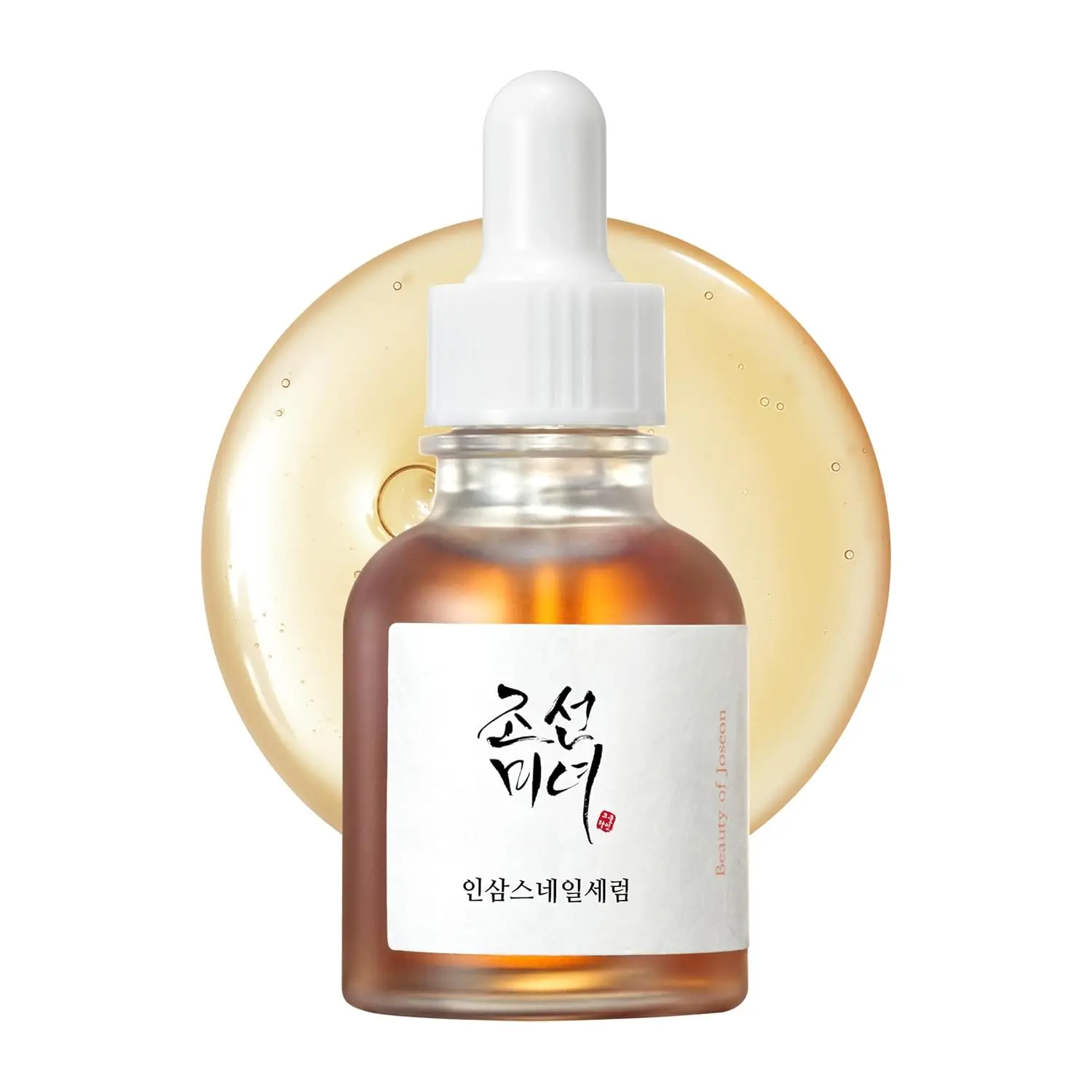
    Try Beauty of Joseon Ginseng Cleansing Oil.

    Wear heavier makeup and enjoy a richer feel?
    Consider Shu Uemura Ultime8∞.

    Six cleansing oils to consider

    Best luxury pick

    Shu Uemura Ultime8∞ Sublime Beauty Cleansing Oil

    Shu Uemura Ultime8 Sublime Beauty Cleansing Oil

    Best for: Heavy makeup and a richer feel while cleansing

    This is the most expensive option in the group. It feels smooth, so your fingers can move over the skin without pulling while you remove makeup that lasts for many hours. The finish feels more substantial than a lightweight drugstore oil, so it makes the most sense if you enjoy a richer the first washing step.

    Keep in mind: Skip it if you mainly wear light sunscreen and want the simplest, lowest-cost option.

    Check price on Amazon Japan

    Best budget pick

    KOSE Softymo Speedy Cleansing Oil

    KOSE Softymo Speedy Cleansing Oil

    Best for: Everyday sunscreen, simple makeup, and quick cleansing

    Softymo Speedy is the practical choice. It spreads quickly, rinses without much fuss, and is easy to use every night without turning cleansing into a project. It is especially useful when you want an affordable oil for daily sunscreen removal.

    Keep in mind: A good starting point if you are new to cleansing oils and do not want to spend much.

    Check price on Amazon Japan

    Best for skin that becomes red, itchy, or uncomfortable easily

    FANCL Mild Cleansing Oil (Additive-Free)

    FANCL Mild Cleansing Oil

    Best for: Skin that feels reactive, easily irritated, or uncomfortable after cleansing

    FANCL is worth considering when your skin becomes red, itchy, or uncomfortable easily and you want a simple cleansing step. It has a smooth texture and is often easier to work with than thicker oils that encourage too much massaging.

    Keep in mind: Even gentle products can bother some people. Try a small amount first if your skin often reacts.

    Check price on Amazon Japan

    Best light-feeling Korean pick

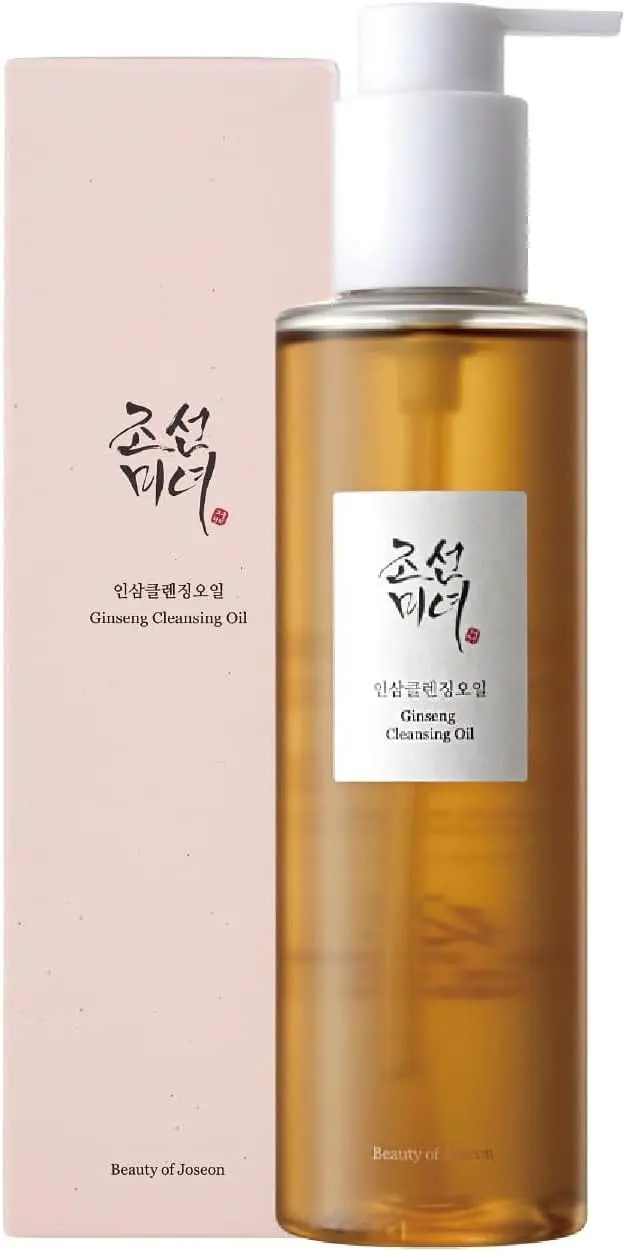
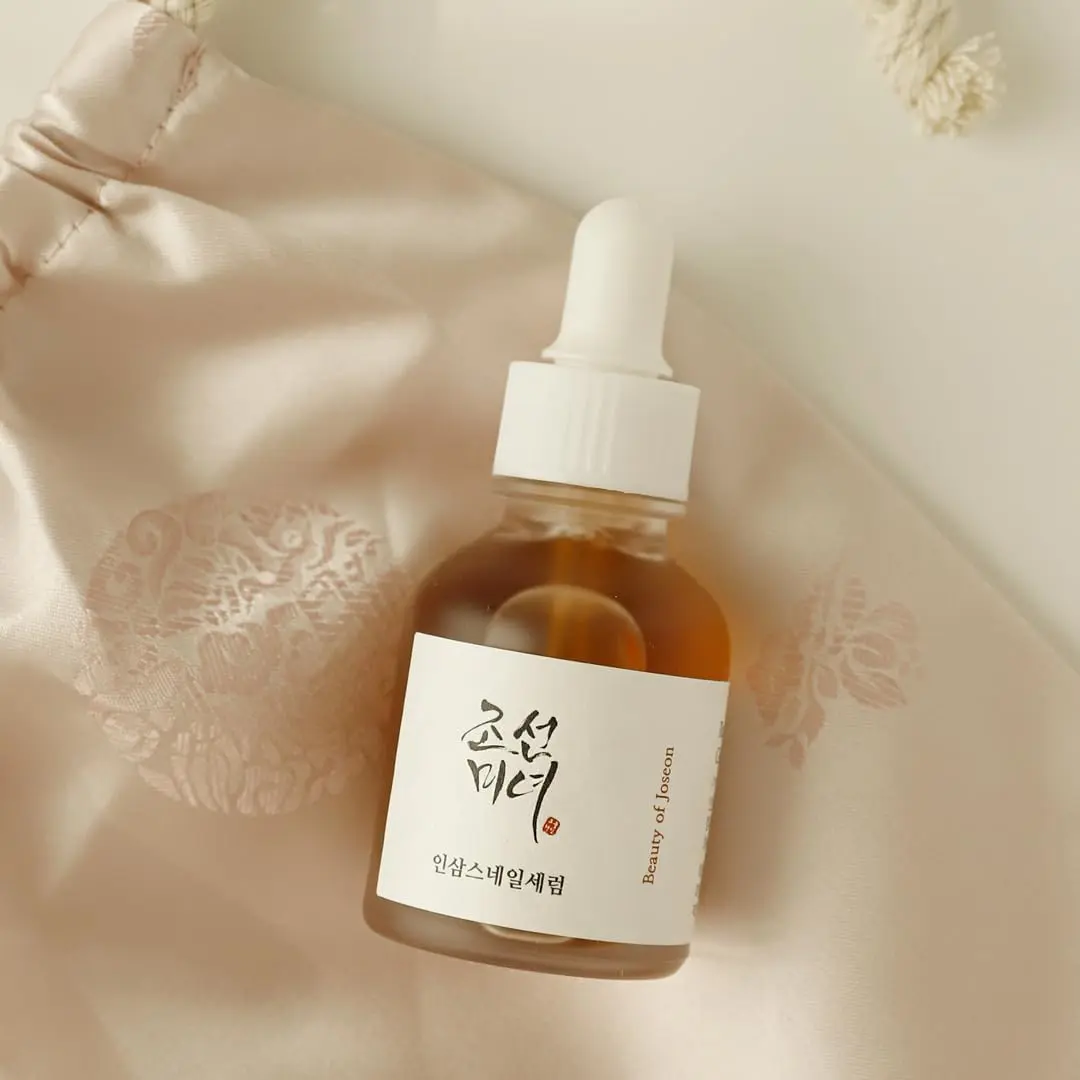
    Beauty of Joseon Ginseng Cleansing Oil

    Beauty of Joseon Ginseng Cleansing Oil

    Best for: Normal or combination skin and people who dislike a thick, greasy feel

    This one feels lighter than many richer cleansing oils. It is a comfortable option when you want an oil cleanser but do not like a thick film sitting on the skin. It suits everyday makeup and sunscreen better than very waterproof makeup that is hard to remove.

    Keep in mind: Choose it because you like the lighter feel—not because the word “ginseng” automatically makes it better.

    Check price on Amazon Japan

    Best for a routine for clogged pores and blackheads

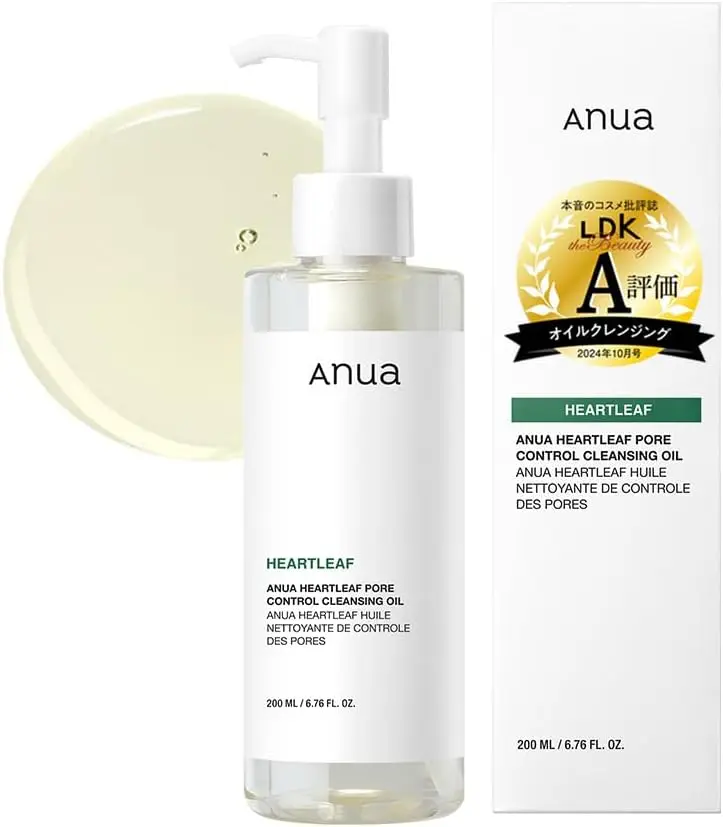
    Anua Heartleaf Pore Control Cleansing Oil

    Anua Heartleaf Pore Control Cleansing Oil

    Best for: skin that clogs easily that still needs a gentle the first washing step

    Anua is sold as a product for pores, but its main job is still simple: it helps loosen sunscreen, makeup, and extra oil so they are easier to rinse away. It can fit into a routine for clogged pores and blackheads, but do not massage for several minutes or try to force blackheads out.

    Keep in mind: Cleansing oil may help remove oil and dirt around pores, but it cannot make pores permanently smaller.

    Check price on Amazon Japan

    Best simple option

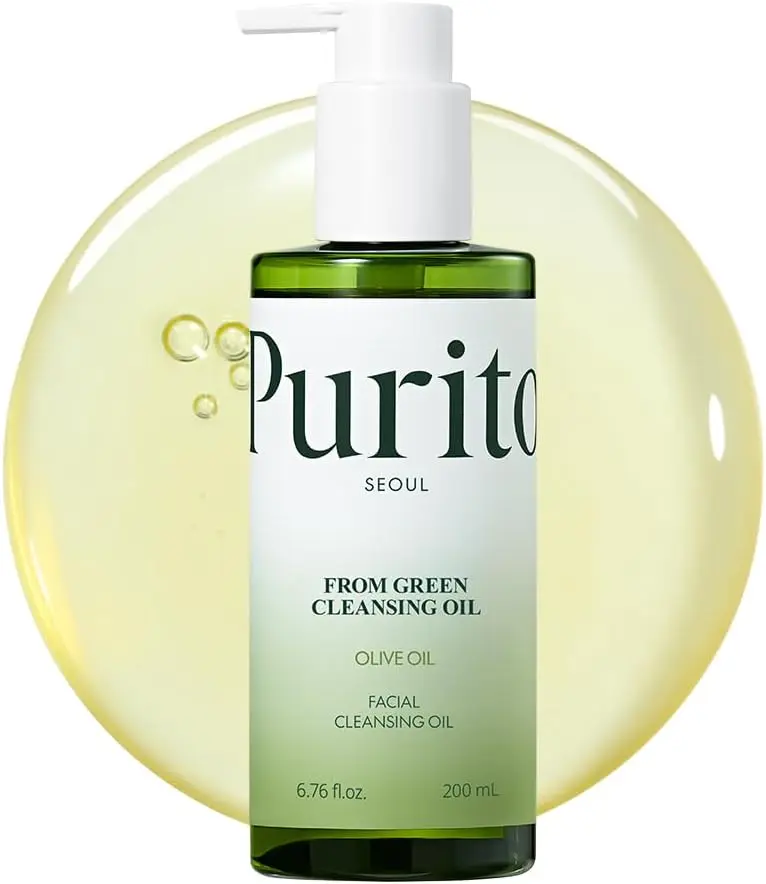
    PURITO From Green Cleansing Oil

    PURITO From Green Cleansing Oil

    Best for: People who prefer a straightforward cleansing oil without a strongly perfumed feel

    PURITO is a sensible choice when you want the the first washing step to feel uncomplicated. It feels smooth enough to remove sunscreen and makeup without hard rubbing. Think of it as a simple cleanser, not a product that treats skin problems.

    Keep in mind: The shorter the massage, the better—especially when your your skin’s natural protective layer feels fragile.

    Check price on Amazon Japan

    How to use cleansing oil step by step

    1. Start with dry hands and a dry face. Water can interfere with the first step, so do not wet the skin first unless the product instructions say otherwise.
    2. Use enough so your fingers move smoothly. Spread it gently over sunscreen and makeup. Your fingers should move easily without pulling the skin.
    3. Massage briefly. Spend a little more time where makeup collects, such as around the nose or hairline. Do not scrub your pores or rub around the eyes for too long.
    4. Add a little water. Keep moving the product over the skin until it looks milky rather than clear.
    5. Rinse thoroughly. Use lukewarm water, not very hot water.
    6. Decide whether you need a second cleanser. Use a regular face wash afterward if heavy makeup or sunscreen is still left on the skin. Skip it when your skin already feels clean and comfortable.

    Can cleansing oil remove blackheads?

    It can help remove sunscreen, makeup, and extra oil around the pores. This may make the skin feel smoother. But it is not a blackhead treatment on its own, and massaging until plugs come out is not a good nightly strategy.

    For blackheads or clogged pores that keep coming back, an ingredient called salicylic acid may help more directly. Cleansing oil has one main job: removing sunscreen and makeup without too much rubbing.

    Frequently asked questions

    Do I need to double cleanse every night?

    No. washing first with an oil cleanser and then with a regular face cleanser is useful after heavier makeup or sunscreen that is hard to wash off, but it is not mandatory. Pay attention to how your skin feels after rinsing. If it feels clean and comfortable, you may not need another wash.

    Can oily or acne-prone skin use cleansing oil?

    Yes. Oily skin can still use a rinse-off oil cleanser. Choose one that does not feel too heavy, add water until it turns milky, and stop using it if your skin keeps becoming irritated or breaking out.

    Should cleansing oil go on wet or dry skin?

    Most cleansing oils should be used with dry hands on a dry face. Check the label because a few products may give different instructions.

    How long should I massage it?

    Usually about 30 to 60 seconds. You need enough time to loosen makeup, not a long massage.

    Why does my skin feel tight afterward?

    You may be rubbing for too long, using very hot water, or washing again with a face wash that is too drying. Try shortening the routine before replacing every product.

    The MonoMemo Take

    A good cleansing oil should make makeup removal easier not turn your evening routine into another treatment step.

    Choose one based on how light or rich it feels and how much makeup you wear. Add water until it turns milky, and do not massage for too long. If your skin feels comfortable afterward, you are probably doing enough.

    Does your skin feel tight after cleansing? Read the your skin’s natural protective layer Repair Guide for a simpler way to calm dryness and irritation.

    Sources

    • Cleveland Clinic — washing first with an oil cleanser and then with a regular face cleanser explained
    • DermNet NZ — Soaps and cleansers
    • Mukhopadhyay, P. (2011) — Cleansers and their role in various dermatological disorders

    This article is for general skincare education and does not replace medical advice.

    Affiliate disclaimer: This post contains affiliate links. MonoMemo may earn a small commission if you purchase through them, at no extra cost to you.

  • Hyaluronic Acid

    Hyaluronic Acid

    How to Layer Hyaluronic Acid Without Making Your Skin Feel Sticky

    A simple guide to using hydrating lotions, serums, and moisturizers in the right order.

    Hyaluronic acid sounds more complicated than it is. Its main job is simple: it helps your skin hold on to water.

    What you need to know

    You do not need several hyaluronic acid products to get good results. One light hydrating product and a moisturizer are often enough.

    If your skin still feels dry, you can add another thin layer. The goal is comfortable skin not the longest routine possible.

    What does “layering” mean?

    Layering simply means putting light skincare products on first and thicker products afterward. You might start with a watery lotion, add a serum, and finish with a moisturizer.

    Think of it like wearing two light blankets instead of one very heavy blanket. Each layer adds a little more moisture without making your face feel covered in a thick cream.

    Do you actually need more than one hyaluronic acid product?

    Usually, no. More layers do not automatically mean better skin. Many people only need one hydrating lotion or serum followed by moisturizer.

    One hydrating layer may be enough if:

    • Your skin feels comfortable after moisturizer.
    • You live in warm or humid weather.
    • Your skin becomes oily or sticky easily.
    • You prefer a short routine.

    An extra layer may help if:

    • Your skin still feels tight after moisturizer.
    • The weather is cold or very dry.
    • Your skin feels dry after using retinol or acne treatments.
    • Makeup looks patchy because your skin is dry.

    The easiest way to layer hyaluronic acid

    1. Cleanse your face. Use a gentle face wash and pat away extra water. Your skin can stay slightly damp.
    2. Apply your lightest hydrating product. This may be a Japanese lotion, toner, or thin serum.
    3. Add a second layer only if you need it. Use a serum or ampoule when your skin still feels dry. An ampoule is simply a more concentrated serum.
    4. Finish with moisturizer. Hyaluronic acid helps attract water, while moisturizer helps stop that water from leaving too quickly.
    5. Use sunscreen in the morning. Hydration does not replace sun protection.

    Why hyaluronic acid sometimes feels sticky

    Stickiness usually comes from using too much product or stacking several products that do the same job. Try using half the amount and waiting a few seconds between layers.

    Your climate matters too. A rich product that feels comfortable in winter may feel heavy in a hot, humid summer.

    A simple fix: choose either a hydrating lotion or a serum, then finish with moisturizer. You do not need a lotion, toner, essence, serum, ampoule, and cream all in the same routine.

    Six hyaluronic acid products to consider

    The best option depends less on impressive ingredient claims and more on how dry your skin feels and how light or rich you want the product to be.

    Best simple first layer
    Hada Labo Gokujyun Hyaluronic Hydrating Lotion
    JapanLotion

    Hada Labo Gokujyun Hyaluronic Hydrating Lotion

    Best for: Normal, combination, or slightly dry skin

    This lightweight lotion is easy to use right after cleansing. It adds water to the skin without feeling heavy, so it works well as the first step in a simple routine.

    Keep in mind: A good choice if you want hydration without adding another thick product.

    Check price on Amazon Japan
    Best for very dry skin
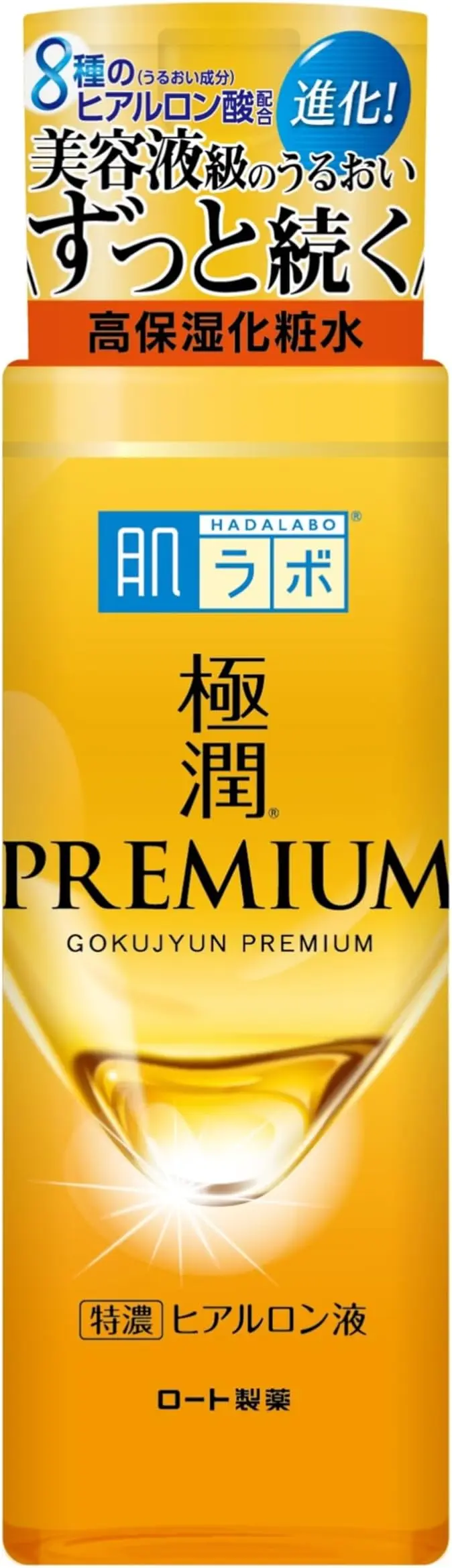
    Hada Labo Gokujyun Premium Hyaluronic Lotion
    JapanRich Lotion

    Hada Labo Gokujyun Premium Hyaluronic Lotion

    Best for: Dry skin, cold weather, or skin that feels tight

    This version feels richer and more cushiony than the regular Hada Labo lotion. It is useful when one light layer is not enough and your skin still feels dry after cleansing.

    Keep in mind: Use a small amount first. Too much can feel sticky, especially in humid weather.

    Check price on Amazon Japan
    Best simple serum
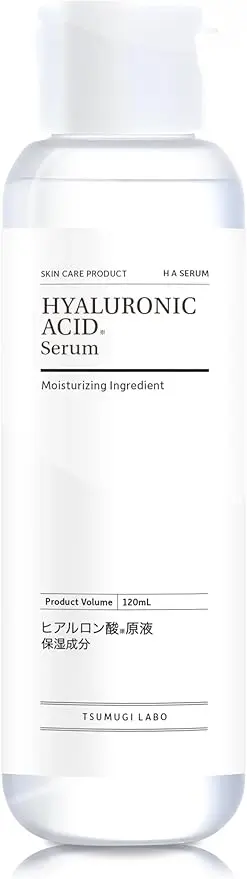
    TSUMUGI Labo Hyaluronic Acid Serum 100%
    JapanSerum

    TSUMUGI Labo Hyaluronic Acid Serum 100%

    Best for: Sensitive-feeling skin or people who prefer fewer extras

    This serum is made for people who want a straightforward hydration step. It can be used after a light lotion or on its own before moisturizer.

    Keep in mind: Even simple products can irritate some people, so try a small amount first if your skin reacts easily.

    Check price on Amazon Japan
    Best light-feeling serum
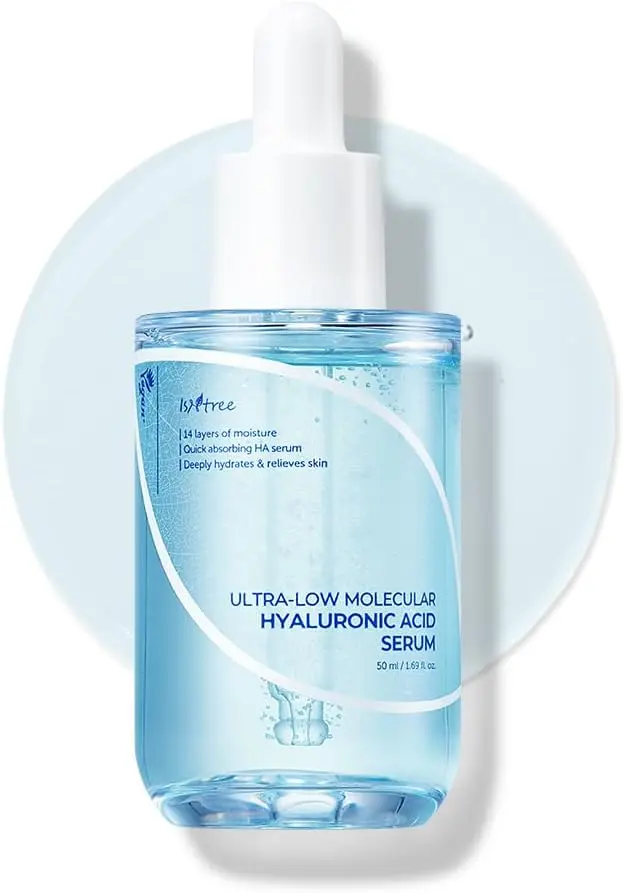
    Isntree Ultra-Low Molecular Hyaluronic Acid Serum
    KoreaSerum

    Isntree Ultra-Low Molecular Hyaluronic Acid Serum

    Best for: Combination skin or anyone who dislikes sticky serums

    This serum feels light and spreads easily. It gives an extra layer of hydration without making the routine feel too heavy.

    Keep in mind: The words “low molecular” sound technical, but the main thing you will notice is the lighter feel.

    Check price on Amazon Japan
    Best for dry, easily irritated skin
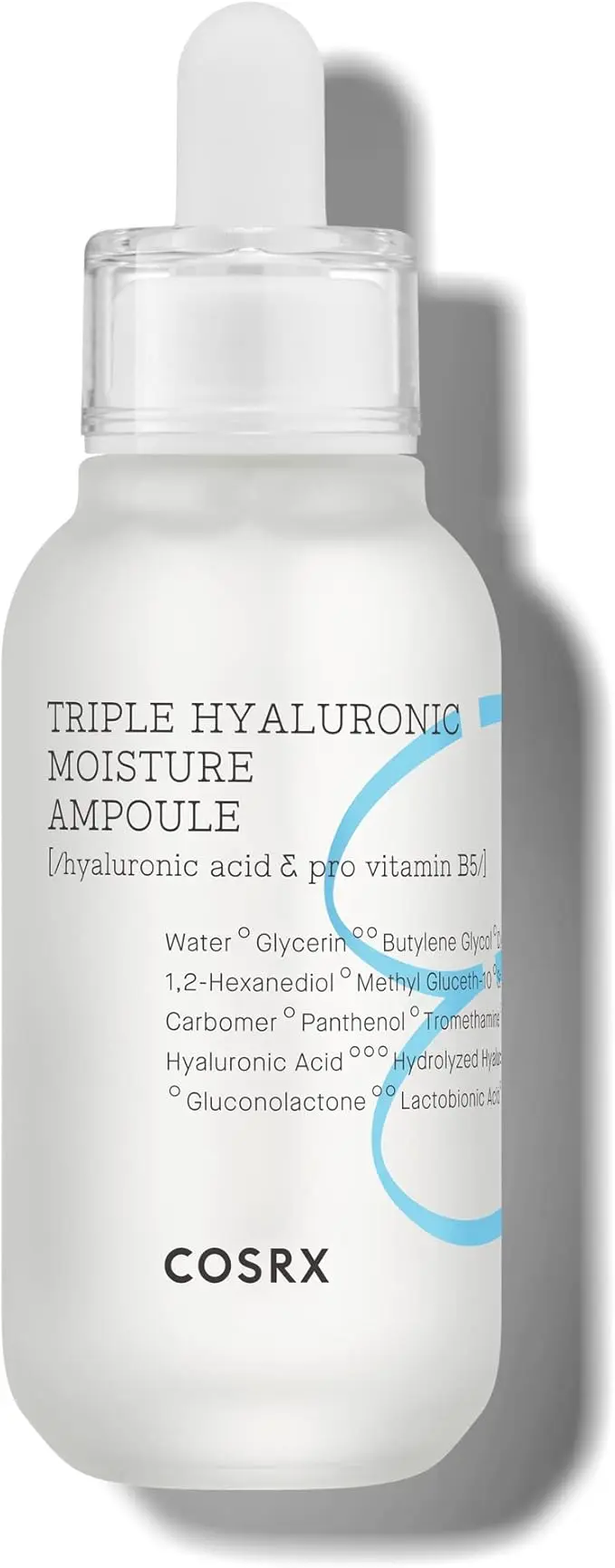
    COSRX Hydrium Triple Hyaluronic Moisture Ampoule
    KoreaAmpoule

    COSRX Hydrium Triple Hyaluronic Moisture Ampoule

    Best for: Skin that feels dry, uncomfortable, or easily upset

    This ampoule combines hyaluronic acid with panthenol, an ingredient that can help skin feel calmer and more comfortable. It works best when you want more than a basic lotion but do not want a heavy cream.

    Keep in mind: An ampoule is simply a concentrated serum. You do not need both an ampoule and another serum unless your skin truly needs more.

    Check price on Amazon Japan
    Best richer Korean option
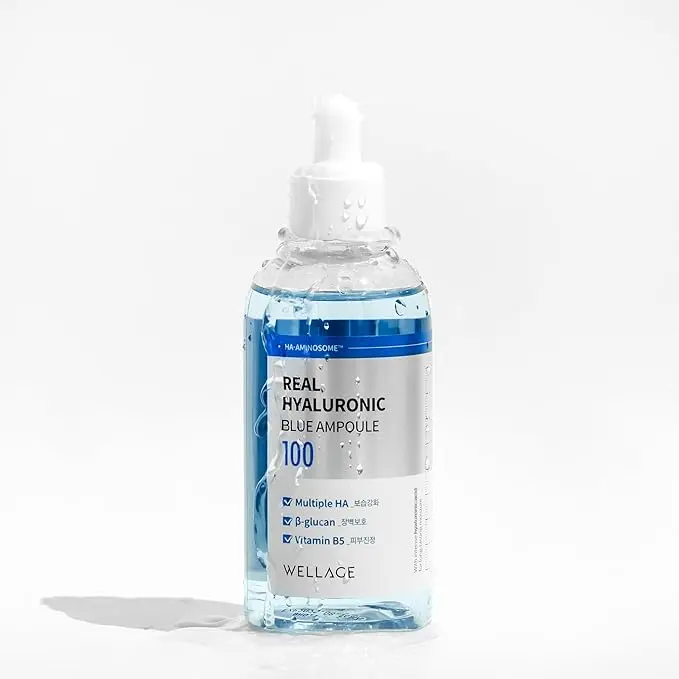
    WELLAGE Real Hyaluronic Blue Ampoule
    KoreaAmpoule

    WELLAGE Real Hyaluronic Blue Ampoule

    Best for: Dry skin that needs a more noticeable hydration step

    This ampoule feels light when you spread it, but it leaves more moisture behind than a very thin serum. It can be useful at night or during dry weather.

    Keep in mind: If your skin already feels comfortable with a lotion and moisturizer, this extra step may not be necessary.

    Check price on Amazon Japan

    Can you use hyaluronic acid with retinol?

    Yes. Hyaluronic acid and retinol can be used in the same routine. Hyaluronic acid adds hydration, while retinol works on concerns such as fine lines, uneven texture, and acne.

    On retinol nights, keep the rest of the routine simple: cleanse, apply retinol as directed, add a hydrating product if needed, and finish with moisturizer.

    Common questions

    Should I apply hyaluronic acid to wet or dry skin?

    Slightly damp skin often works well. Your face should not be dripping wet. Follow with moisturizer so the added water does not dry out too quickly.

    Can oily skin use hyaluronic acid?

    Yes. Choose a light lotion or serum and use a small amount. Oily skin can still lack water, but heavy layering may feel sticky.

    Can I use it in the morning and at night?

    Yes. Use fewer, lighter layers in the morning if you wear makeup or sunscreen. Add a richer layer at night only when your skin needs it.

    Why does hyaluronic acid sometimes make my skin feel drier?

    This can happen when you use it without moisturizer, use too much, or apply it in very dry weather. Try using less and always finish with moisturizer.

    Do I need a toner, lotion, serum, and ampoule?

    No. These products often overlap. Choose one or two steps that make your skin feel comfortable and skip the rest.

    The MonoMemo Take

    Hyaluronic acid works best when you keep it simple.

    Start with one light hydrating product, add another layer only if your skin still feels dry, and always finish with moisturizer. Comfortable skin is a better sign than a seven-step routine.

    Sources

    • Shiseido and Hada Labo product guidance on applying hydrating lotions
    • General dermatology guidance on humectants and moisturizers

    This article is for general skincare education and does not replace medical advice.

    Affiliate disclaimer: This post contains affiliate links. MonoMemo may earn a small commission if you purchase through them, at no extra cost to you.

  • Personalized Skincare

    Personalized Skincare

    Personalized Skincare: How to Build a Routine That Fits Your Skin

    A simple guide to choosing products based on what your skin actually needs not what is trending.

    Personalized skincare sounds high-tech, but the basic idea is simple. Your routine should solve your skin problems, not copy someone else’s shelf.

    What you need to know

    Start with one clear goal. Your skin may need more moisture, help with breakouts, a more even tone, or support for fine lines.

    Then choose one product that matches that goal. Give it time before adding something else.

    What does personalized skincare really mean?

    It does not mean buying a machine, taking an online quiz, or following a complicated routine made by an app. It simply means choosing products based on your own skin and changing the routine when your skin changes.

    Someone with dry, tight skin may need a richer moisturizer. Someone with clogged pores may need a simple salicylic acid product. Someone dealing with uneven tone may choose vitamin C and daily sunscreen.

    The goal is not to build the perfect routine. The goal is to use the fewest products that make your skin feel and look better.

    Start with one main skin goal

    If your skin feels dry or tight

    • Use a gentle face wash.
    • Add a simple hydrating serum if needed.
    • Finish with a moisturizer that feels comfortable.

    If your skin clogs easily

    • Keep the routine light.
    • Consider salicylic acid a few times a week.
    • Avoid adding several heavy products at once.

    If your skin looks dull or uneven

    • Wear sunscreen every morning.
    • Try one brightening product, such as vitamin C.
    • Give it several weeks before judging the result.

    If fine lines are your main concern

    • Use sunscreen daily.
    • Consider retinol if your skin can tolerate it.
    • Keep the rest of the routine gentle and moisturizing.

    How to build your routine step by step

    1. Keep the basics steady. Start with a cleanser, moisturizer, and sunscreen. These are more important than most serums.
    2. Choose one skin concern. Do not try to fix dryness, pores, spots, fine lines, and redness all at once.
    3. Add one treatment product. A serum is optional. Choose it only when it has a clear job in your routine.
    4. Use it for a few weeks. Most products need time. Changing the routine every few days makes it hard to know what is helping.
    5. Watch how your skin feels. Redness, burning, itching, or sudden dryness are signs to stop and simplify.

    Seven serums to consider for different skin goals

    You do not need all seven. The point is to choose the one that best matches your main concern and skip the rest.

    Best balanced daily serum

    Beauty of Joseon Revive Serum (Ginseng + Snail)

    Beauty of Joseon Revive Serum with ginseng and snail mucin
    KoreaDry-looking skin

    Best for: Skin that looks dull, tired, or feels dry

    This serum combines ginseng with snail mucin. In simple terms, it is made to give the skin more moisture and help it look smoother and healthier.

    Keep in mind: A useful all-round option if you want one serum rather than several.

    Check price on Amazon Japan
    Best light support serum

    COSRX RX The 6 Peptide Skin Booster Serum

    COSRX RX The 6 Peptide Skin Booster Serum
    KoreaPeptides

    Best for: People who want smoother-looking skin without a strong treatment

    Peptides are small building blocks used in skincare products that aim to support firmer, smoother-looking skin. This serum feels light and is easy to add to a simple routine.

    Keep in mind: It is not a replacement for retinol, but it may suit people who want a gentler step.

    Check price on Amazon Japan
    Best premium everyday serum

    SHISEIDO Ultimune Power Infusing Serum

    SHISEIDO Ultimune Power Infusing Serum
    JapanPremium

    Best for: People who want one polished, easy-to-use serum

    Ultimune is designed as a daily serum that supports the overall look and feel of the skin. It is less about one specific problem and more about keeping the routine steady and comfortable.

    Keep in mind: This is a costly option, so it makes the most sense if you enjoy the texture and want a premium product.

    Check price on Amazon Japan
    Best affordable brightening option

    Kracie Hadabisei Skin Beauty Brightening Facial Serum

    Kracie Hadabisei brightening facial serum
    JapanUneven tone

    Best for: Skin that looks dull or uneven

    This is a more affordable option for people who want to focus on uneven tone without turning their routine into a long list of products.

    Keep in mind: Brightening products need time. Daily sunscreen matters more than adding several tone-care products.

    Check price on Amazon Japan
    Best focused vitamin C step

    Custom No.333 High-Concentration Vitamin C VC-10

    Custom No.333 VC-10 vitamin C serum
    JapanVitamin C

    Best for: Dullness, uneven tone, or marks left after spots

    Vitamin C is commonly used to support brighter, more even-looking skin. This product makes sense for people who already know that tone is their main concern.

    Keep in mind: Start slowly if your skin stings easily, and wear sunscreen every morning.

    Check price on Amazon Japan
    Best niche option

    V.O.S Conditioning Serum SHIRO

    V.O.S Conditioning Serum SHIRO
    JapanSmoother feel

    Best for: People who enjoy salon-style skincare products

    This is a less familiar serum aimed at people who want the skin to feel smoother and more polished. It is a niche choice rather than an essential one.

    Keep in mind: Do not choose it simply because it sounds professional. Start with a basic serum unless you already know what you want.
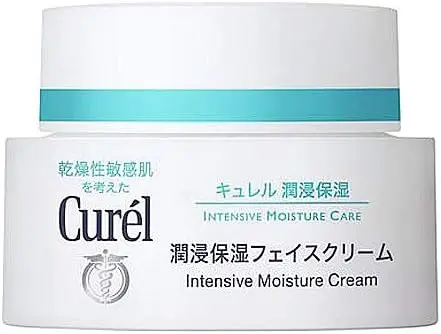
    Check price on Amazon Japan
    Best simple option for men

    SHISEIDO Men Ultimune Power Infusing Serum (50 mL)

    SHISEIDO Men Ultimune serum 50 milliliters
    JapanSimple routine

    Best for: People who want one easy serum and dislike heavy layers

    This version is made for a short, straightforward routine. It gives the skin a light layer of moisture without requiring several extra steps.

    Keep in mind: Skincare does not need to be separated by gender. Choose it for the feel, not the label.

    Check price on Amazon Japan

    Common questions

    Can I use peptides with vitamin C or retinol?

    Usually, yes. But you do not need to combine everything in one routine. Use fewer products if your skin becomes irritated.

    How long should I wait before judging a product?

    Moisturizing products may feel different within days. Changes in tone, texture, or fine lines usually take several weeks. Stop sooner if the product causes burning, swelling, or a rash.

    What should I do if I have sensitive skin?

    Add only one new product at a time. Try a small amount first, keep the rest of the routine simple, and avoid using several strong ingredients together.

    Do I need a serum?

    No. A serum is optional. A good cleanser, moisturizer, and sunscreen can be enough for many people.
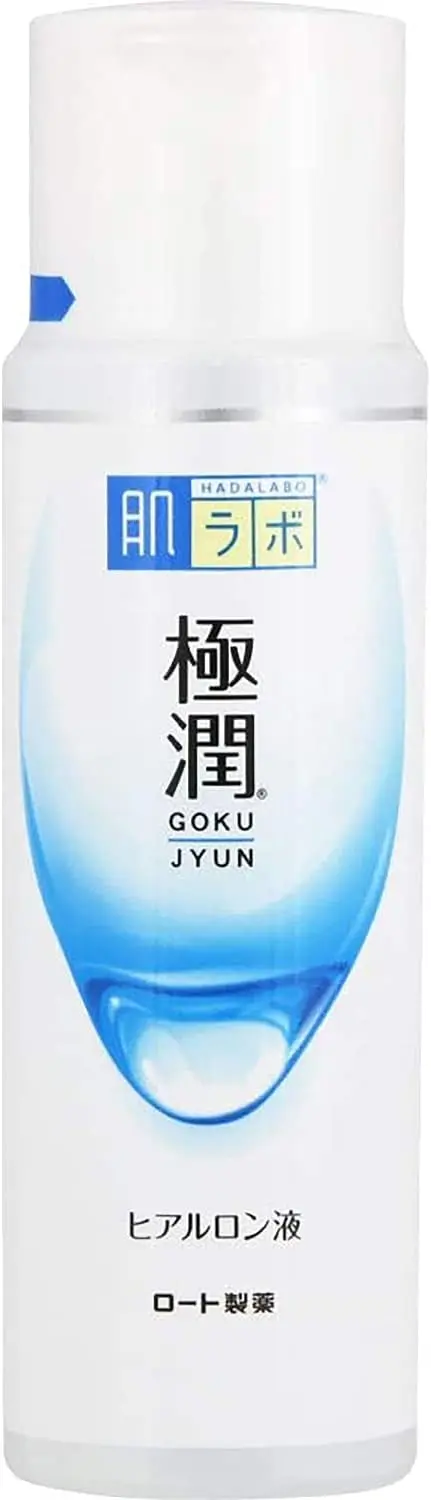
    Should I change my routine every season?

    Only when your skin needs it. You may prefer a lighter moisturizer in humid weather and a richer one in winter, but the whole routine does not need to change.

    The MonoMemo Take

    Personalized skincare is not about having more choices. It is about making fewer, better choices.

    Start with the basics, choose one main goal, and add only one product that supports it. Your skin does not need a complicated routine to be well cared for.

    Sources

    • General dermatology guidance on introducing one active ingredient at a time
    • Official product pages for ingredient lists and directions
    • General consumer guidance on personalized and app-assisted skincare

    This article is for general skincare education and does not replace medical advice.

    Affiliate disclaimer: This post contains affiliate links. MonoMemo may earn a small commission if you purchase through them, at no extra cost to you.

  • Crystal Deodorant

    Crystal Deodorant

    Crystal Deodorant: Does It Really Work for Body Odor?

    What alum deodorant does, what it cannot do, and which crystal sticks are worth considering.

    Crystal deodorant is often sold as a natural, gentle alternative to regular deodorant. It can help with odor but it does not stop sweat, and it is not aluminum-free.

    What you need to know

    Crystal deodorant is usually made from potassium alum, a mineral salt. When you wet the stone and apply it to clean skin, it leaves a very thin layer that makes it harder for odor-causing bacteria to grow.

    It may work well for light or moderate odor, especially if you prefer fragrance-free products. It is less reliable for heavy sweating, very hot weather, or strong body odor.

    What is crystal deodorant?

    Crystal deodorant is a solid mineral stick, usually made from potassium alum. Potassium alum is a type of aluminum salt, but it is different from the ingredients commonly used in many antiperspirants.

    The stone does not block sweat glands. Instead, it helps reduce the bacteria that break down sweat and create odor.

    How does it work?

    It may help with odor

    Sweat itself does not usually smell strong. Odor develops when bacteria on the skin break sweat down. The mineral layer can make the area less friendly to those bacteria.

    It does not stop sweating

    Crystal deodorant is a deodorant, not an antiperspirant. You may still feel wet, especially in summer, during exercise, or when stressed.

    Crystal deodorant is not aluminum-free. Potassium alum contains aluminum. The more accurate claim is that it uses a different aluminum salt from many standard antiperspirants.

    Who may like it and who may not?

    It may suit you if:

    • You prefer fragrance-free body care.
    • Your body odor is usually light or moderate.
    • You do not mind sweating as long as odor is controlled.
    • You want a product that lasts a long time.

    It may not be enough if:

    • You sweat heavily.
    • You need strong protection in hot, humid weather.
    • You want to stay dry as well as odor-free.
    • Your underarms become irritated by mineral salts.

    Benefits and drawbacks

    What people like

    • No added fragrance in many products.
    • One stone can last for months.
    • It does not leave a strong scent on the skin.
    • It can be easy to carry for travel or the gym.

    What to expect

    • It will not keep your underarms dry.
    • It may not last all day for everyone.
    • It can sting after shaving.
    • The stone may crack if dropped.

    Five crystal deodorants to consider

    These products all work in a similar way. Choose based on price, shape, availability, and how comfortable the product feels on your skin.

    Best Japanese pick

    Deonatulle Crystal Stone

    Deonatulle Crystal Stone alum deodorant

    Best for: A simple fragrance-free option for everyday use

    This is a familiar Japanese crystal deodorant with a very simple format. Wet the stone, glide it over clean underarms, and let the skin dry before dressing.

    Keep in mind: It helps with odor, but it does not stop sweating.

    Check price on Amazon Japan
    Best classic option

    CRYSTAL Body Deodorant Stick

    CRYSTAL Body Deodorant Stick mineral deodorant

    Best for: People who want a basic mineral stick with no added scent

    This is one of the best-known crystal deodorant sticks. It is straightforward, long-lasting, and easy to use if you prefer an unscented product.

    Keep in mind: The stone can crack if dropped, so store it carefully.

    Check price on Amazon Japan
    Best for easily irritated underarms

    Crystal Deodorant Sensitive Fragrance-Free

    Crystal Deodorant Sensitive fragrance-free stick

    Best for: People who want a gentle-feeling, fragrance-free option

    This version is aimed at people who prefer a mild, simple deodorant without perfume. It may be more comfortable than heavily scented formulas.

    Keep in mind: Even fragrance-free products can irritate some people. Stop if you notice burning or a rash.

    Check price on Amazon Japan
    Best budget stone

    Thai Crystal Deodorant Stone

    Thai crystal deodorant stone made from alum

    Best for: People who want a long-lasting crystal at a lower cost

    This is a simple alum stone with no extra features. It can last a long time when stored dry and handled carefully.

    Keep in mind: It is not more natural or safer just because it is sold as a stone.

    Check price on Amazon Japan
    Best UK option

    Salt of the Earth Natural Classic Deodorant

    Salt of the Earth Natural Classic mineral deodorant

    Best for: People who want a popular fragrance-free mineral deodorant

    This is a widely known mineral deodorant from the UK. It is designed for simple odor control without adding fragrance.

    Keep in mind: Performance can vary a lot from person to person, especially in hot weather.

    Check price on Amazon Japan

    How to use crystal deodorant correctly

    1. Start with clean skin. It works best after showering, before odor has already developed.
    2. Wet the top of the stone. You can also wet the underarm area instead.
    3. Glide it over the whole area. Use several passes so the skin is evenly covered.
    4. Let the skin dry. Wait before putting on clothes.
    5. Rinse and dry the stone. Store it somewhere dry to help prevent cracking.
    Do not use it on broken or freshly shaved skin if it stings. Wait until the skin feels calm again.

    Common questions

    Does crystal deodorant stop sweat?

    No. It is made to help with odor, not wetness.

    Is crystal deodorant aluminum-free?

    No. Potassium alum is an aluminum salt. It is different from some aluminum compounds used in antiperspirants, but it still contains aluminum.

    Is it safe for sensitive skin?

    Some people find it gentle because it is fragrance-free. Others may feel stinging or dryness. Try a small area first and stop if irritation continues.

    Why does it stop working later in the day?

    It may not be strong enough for your level of sweating or odor. It also works better on freshly cleaned skin than on skin where odor has already developed.

    Can I use it after shaving?

    It may sting on freshly shaved skin. Wait until the area no longer feels irritated before applying it.

    The MonoMemo Take

    Crystal deodorant can be a useful choice for people who want simple, fragrance-free odor control.

    Just keep the expectations realistic: it helps with smell, not sweat. If you need strong all-day protection or want to stay dry, a regular deodorant or antiperspirant may work better.

    Sources

    • General dermatology information on body odor and odor-causing bacteria
    • Public ingredient and product information for potassium alum deodorants

    This article is for general body-care education and does not replace medical advice.

    Affiliate disclaimer: This post contains affiliate links. MonoMemo may earn a small commission if you purchase through them, at no extra cost to you.

  • Face Masks

    Face Masks

    Japanese and Korean Face Masks for Aging Skin

    Six sheet masks for dry, dull, or tired-looking skin plus what they can and cannot realistically do.

    Sheet masks can make dry skin look smoother and more refreshed. But they mainly give short-term hydration, not permanent anti-aging results.

    What you need to know

    A sheet mask can help when your skin feels dry, tight, or dull. The extra moisture may temporarily make fine lines look softer and the skin look more plump.

    It cannot rebuild lost collagen, permanently firm loose skin, or replace sunscreen, retinol, or a good moisturizer.

    Are sheet masks useful for aging skin?

    Yes, but mainly as a comfort and hydration step. When the outer layer of the skin holds more water, it can look smoother and reflect light better.

    The result is temporary. For longer-term support, daily sunscreen and well-studied ingredients such as retinoids usually matter more.

    Think of a sheet mask as a moisture boost, not a wrinkle treatment. It can make the skin look better for the day, but it does not change the deeper structure of the skin.

    How to choose a face mask

    Choose a moisturizing mask if:

    • Your skin feels tight or flaky.
    • Fine lines look worse when skin is dry.
    • Your makeup looks patchy.
    • You want a quick moisture boost before an event.

    Be more careful if:

    • Your skin becomes red or itchy easily.
    • The mask contains a lot of fragrance.
    • You already use strong retinol or exfoliating products.
    • Your skin is broken, peeling, or very irritated.

    How to use a sheet mask

    1. Start with clean skin. Wash your face and gently pat it dry.
    2. Follow the time on the package. Most masks stay on for about 10 to 20 minutes.
    3. Remove it before it dries completely. Leaving it on too long may make skin feel tight.
    4. Gently press in the remaining liquid. Do not rub the skin.
    5. Finish with moisturizer if needed. This can help the added moisture stay longer.

    Six Japanese and Korean face masks to consider

    You do not need all six. Choose based on whether your main concern is dryness, rough texture, sensitivity, or dullness.

    Best everyday Japanese pick

    KOSE Clear Turn Aging Care Mask EX

    KOSE Clear Turn Aging Care Mask EX

    Best for: Dry skin and fine lines that look worse when skin lacks moisture

    A simple moisturizing mask with collagen and hyaluronic acid. It can make dry skin feel softer and look a little plumper for a short time.

    Keep in mind: The main benefit is hydration. It will not permanently remove wrinkles.

    Check price on Amazon Japan
    Best for dry, tired-looking skin

    SANA Nameraka Honpo Wrinkle Sheet Mask

    SANA Nameraka Honpo Wrinkle Sheet Mask

    Best for: Early fine lines, dryness, and dull-looking skin

    This soy-based mask is made to give the skin more moisture and a softer, smoother look. It is gentler than many strong treatment products.

    Keep in mind: “Wrinkle care” does not mean permanent wrinkle removal.

    Check price on Amazon Japan
    Best gentle-feeling option

    Clear Turn Gomenne Sheet Mask

    Clear Turn Gomenne Sheet Mask

    Best for: Skin that becomes red, dry, or uncomfortable easily

    This mask focuses more on comfort and moisture than on strong anti-aging claims. It may suit people who find richer or highly scented masks irritating.

    Keep in mind: Remove it early if your skin starts to burn or itch.

    Check price on Amazon Japan
    Best for rough, dry texture

    Keana Nadeshiko Rice Moisturizing Mask

    Keana Nadeshiko Rice Moisturizing Mask

    Best for: Dryness, rough texture, and patchy-looking makeup

    This popular rice-based mask is mainly useful as a moisture boost. It can help dry, rough skin feel smoother for a short time.

    Keep in mind: It is a hydration mask, not a treatment for deep wrinkles or enlarged pores.

    Check price on Amazon Japan
    Best premium-style option

    AKARI Stem Cell Bio Face Mask

    AKARI Stem Cell Bio Face Mask

    Best for: People who enjoy richer masks and salon-inspired skincare

    This mask uses stem-cell and peptide language in its marketing, but the most realistic benefit is still temporary moisture and a smoother-looking finish.

    Keep in mind: Plant stem-cell extracts do not replace human skin cells or rebuild skin.

    Check price on Amazon Japan
    Best glow-focused Korean pick

    Anua Rice 70 Glow Collagen Mask

    Anua Rice 70 Glow Collagen Mask

    Best for: Dull, dry skin that needs a temporary moisture boost

    This Korean mask combines rice extract with collagen. It is best viewed as a glow and hydration mask that may leave the skin looking fresher for a short time.

    Keep in mind: Topical collagen mainly works as a moisturizing ingredient. It does not replace lost collagen deep in the skin.

    Check price on Amazon Japan

    Can collagen sheet masks rebuild collagen?

    No. Collagen in a sheet mask mainly sits on the surface and helps the skin feel moisturized. It does not simply travel deep into the skin and replace lost collagen.

    Do “stem-cell” masks really use stem cells?

    Most cosmetic products use plant extracts or ingredients connected to stem-cell marketing. They do not place living human stem cells into your skin or rebuild tissue.

    Common questions

    How often should I use a sheet mask for aging skin?

    Once or twice a week is enough for many people. Follow the product directions and use it less often if your skin becomes irritated or sticky.

    Can sensitive skin use these masks?

    Yes, but choose a simple fragrance-free option when possible. Remove the mask immediately if your skin starts to burn or itch.

    Do sheet masks replace serums or moisturizers?

    No. A sheet mask is an optional moisture boost. You can still use your normal moisturizer afterward.

    Can a sheet mask remove wrinkles?

    No. A hydrating mask can temporarily make fine lines look softer because the skin holds more water, but it cannot permanently remove wrinkles.

    Should I leave a sheet mask on until it dries?

    No. Remove it within the time listed on the package. Leaving it on until completely dry may make the skin feel tight.

    The MonoMemo Take

    A face mask can make dry, tired-looking skin feel better quickly.

    Choose one for moisture and comfort, not because it promises to erase wrinkles or rebuild collagen. The best mask is the one that leaves your skin calm, soft, and comfortable afterward.

    Sources

    • General dermatology guidance on moisturizers, hydration, and the temporary appearance of fine lines
    • Official product pages for ingredient lists and directions
    • General cosmetic science guidance on topical collagen and plant stem-cell claims

    This article is for general skincare education and does not replace medical advice.

    Affiliate disclaimer: This post contains affiliate links. MonoMemo may earn a small commission if you purchase through them, at no extra cost to you.

  • Skincare for Dry Skin

    Skincare for Dry Skin

    Japanese and Korean Skincare for Dry Skin

    Six products for skin that feels tight, rough, or uncomfortable plus a simple routine that does not require ten steps.

    Dry skin does not always need more products. It usually needs gentler cleansing, enough moisturizer, and fewer steps that remove or disturb moisture.

    What you need to know

    Start with a gentle face wash, one hydrating product if you need it, and a moisturizer that keeps your skin comfortable.

    Sheet masks and sleeping masks are optional extras. They should not replace a good daily moisturizer.

    What dry skin actually needs

    Dry skin does not produce or hold enough natural oil and moisture. That is why it may feel tight, rough, itchy, or uncomfortable especially after washing.

    Add water

    Light lotions and serums can add a comfortable layer of moisture when skin feels tight. Hyaluronic acid is one common ingredient used for this.

    Reduce moisture loss

    Creams help slow down how quickly water leaves the skin. This step usually matters more than adding several watery products.

    Protect irritated skin

    Ceramides are fats naturally found in the skin’s protective layer. Products with ceramide-related ingredients may help dry skin feel more comfortable.

    The simplest dry-skin routine: gentle cleanser → moisturizer → sunscreen in the morning. Add a hydrating lotion only when your skin still feels tight.

    How to build a simple routine

    1. Wash gently. Use lukewarm water and avoid scrubbing or cleansing for too long.
    2. Add a light hydration step if needed. Apply a lotion or serum while the skin is still slightly damp.
    3. Use moisturizer. Choose a cream that leaves your skin comfortable for several hours.
    4. Wear sunscreen in the morning. Sun exposure can make dryness and irritation worse over time.
    5. Add masks only as extras. Use them when your skin needs more comfort, not because every routine needs one.

    Six Japanese and Korean products to consider

    You do not need all six. Choose one hydrating product and one cream based on how light or rich you want your routine to feel.

    Best first hydration step

    Hada Labo Gokujyun Premium Lotion

    Hada Labo Gokujyun Premium Lotion for dry skin

    Best for: Skin that feels tight, dry, or uncomfortable after cleansing

    This rich Japanese lotion adds a light layer of moisture before cream. It feels more substantial than a watery toner, so it can be useful when one thin layer is not enough.

    Keep in mind: Use a small amount first. Too much can feel sticky, especially in humid weather.

    Check price on Amazon Japan
    Best for sensitive dry skin

    Curél Intensive Moisture Cream

    Curel Intensive Moisture Cream for sensitive dry skin

    Best for: Skin that becomes red, tight, or irritated easily

    Curél is a good choice when your main goal is comfort. The cream helps reduce moisture loss and is easier to fit into a simple routine than several serums and masks.

    Keep in mind: No moisturizer works for everyone. Stop if you notice stinging, itching, or a rash.

    Check price on Amazon Japan
    Best occasional moisture boost

    Keana Nadeshiko Rice Moisturizing Mask

    Keana Nadeshiko Rice Moisturizing Mask for dry skin

    Best for: Rough texture, dry patches, or makeup that looks uneven

    This rice-based sheet mask can make dry skin feel softer for a short time. It works best as an extra step before makeup or when your skin feels especially uncomfortable.

    Keep in mind: It is optional. A good moisturizer matters more than using a sheet mask every week.
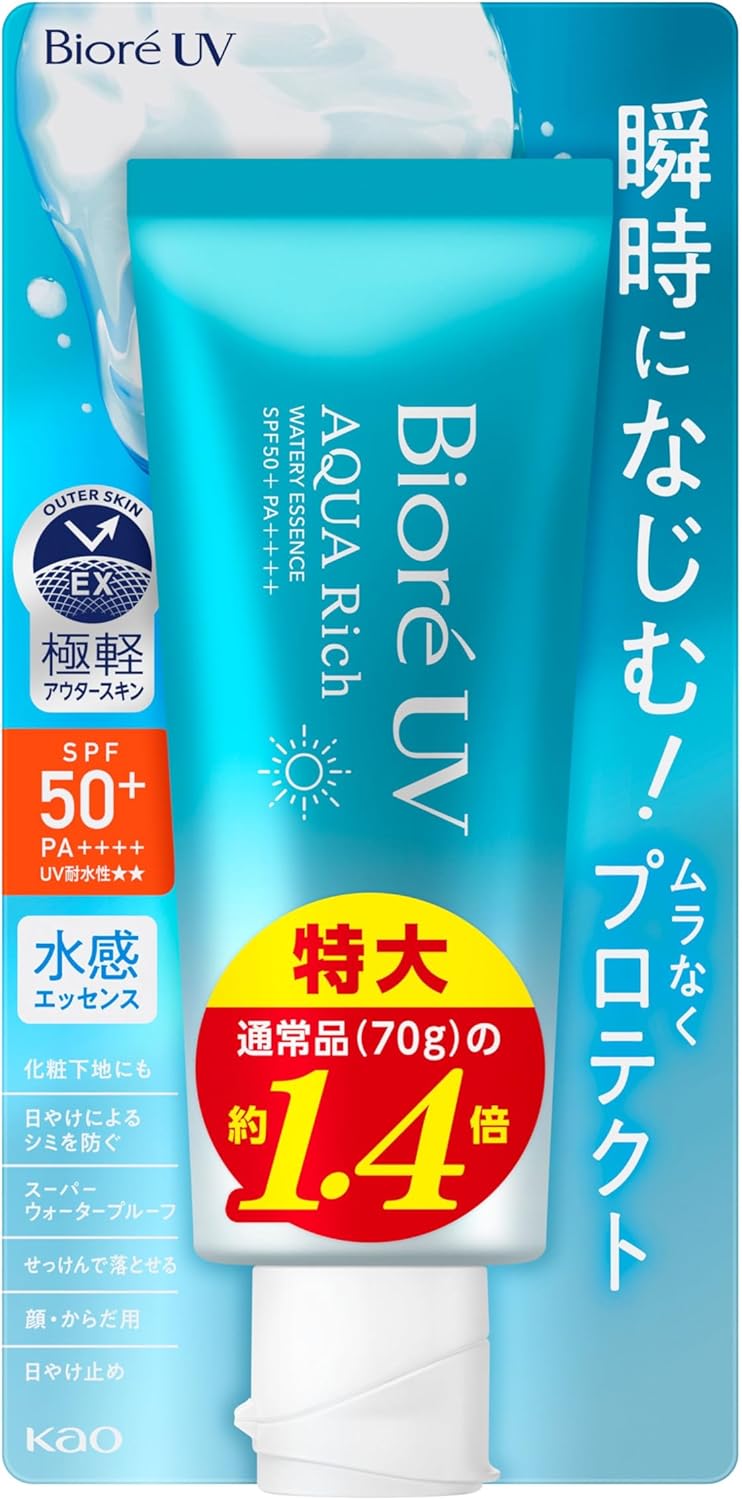
    Check price on Amazon Japan
    Best overnight extra step

    Laneige Water Sleeping Mask

    Laneige Water Sleeping Mask for overnight hydration

    Best for: Dry nights, air-conditioned rooms, or winter weather

    This sleeping mask is used as the last step at night. It adds another layer over moisturizer and may help the skin feel softer by morning.

    Keep in mind: You may not need it if your regular cream already keeps your skin comfortable.

    Check price on Amazon Japan
    Best medium-weight cream

    Innisfree Green Tea Seed Cream

    Innisfree Green Tea Seed Cream for dry skin

    Best for: Dry or combination skin that dislikes very heavy creams

    This cream feels richer than a gel but lighter than a thick balm. It may suit people who want moisture without a greasy finish.

    Keep in mind: Green tea sounds appealing, but choose this mainly for the texture and comfort.

    Check price on Amazon Japan
    Best dewy-finish cream

    Beauty of Joseon Dynasty Cream

    Beauty of Joseon Dynasty Cream for dry skin

    Best for: People who like a soft, glowy finish

    This Korean cream has a smooth gel-cream feel and leaves more shine than a matte moisturizer. It can work well when dry skin looks flat or dull.

    Keep in mind: Use less in warm weather or under makeup if the finish feels too rich.

    Check price on Amazon Japan

    Common mistakes that can make dry skin worse

    Washing too much

    Cleansing several times or using very hot water can leave the skin feeling even tighter.

    Using only watery products

    Lotions and serums add moisture, but many people still need a cream to help keep that moisture in the skin.

    Adding too many active ingredients

    Retinol, acids, and acne treatments can all make dryness worse when used too often.

    Changing products too quickly

    Give a simple routine time before replacing everything or adding another step.

    Common questions

    Can I use Hada Labo Lotion with Curél Cream?

    Yes. Apply the lotion first, then Curél Cream. You do not need to add a sleeping mask unless your skin still feels dry.

    Which product is best for very sensitive dry skin?

    Curél Intensive Moisture Cream is a sensible place to start because it keeps the routine simple. Try a small amount first and stop if your skin reacts.

    Do I still need sunscreen when my skin is dry?

    Yes. Sunscreen helps protect the skin from UV damage, which can make dryness and irritation worse over time.

    Should I apply skincare to wet skin?

    Slightly damp skin can help hydrating products spread more easily. Your face should not be dripping wet, and you should still finish with moisturizer.

    Why does my skin still feel dry after moisturizer?

    You may be using a cleanser that is too strong, washing with very hot water, or using a cream that is too light for your skin. Try simplifying the routine before adding more products.

    The MonoMemo Take

    Dry skin usually responds better to a calm, consistent routine than to a crowded shelf.

    Start with gentle cleansing and one moisturizer that works. Add a lotion, sheet mask, or sleeping mask only when it solves a real problem.

    Sources

    • General dermatology guidance on dry skin, moisturizers, and gentle cleansing
    • Official product pages for ingredient lists and directions

    This article is for general skincare education and does not replace medical advice.

    Affiliate disclaimer: This post contains affiliate links. MonoMemo may earn a small commission if you purchase through them, at no extra cost to you.

  • Night Creams

    Night Creams

    Japanese and Korean Night Creams for Dry Skin

    Six richer moisturizers and sleeping masks for skin that feels dry, tight, or uncomfortable overnight.

    A night cream does not “repair” your skin while you sleep in a magical way. Its main job is to reduce moisture loss and help your skin stay comfortable until morning.

    What you need to know

    You do not always need a separate night cream. A regular moisturizer may be enough if your skin already feels soft and comfortable in the morning.

    Choose a richer cream or sleeping mask only when your usual moisturizer is not enough.

    What makes a night cream different?

    Night creams are usually richer than daytime moisturizers. They often contain more oils or softening ingredients that help slow moisture loss.

    The label “night cream” does not automatically make a product stronger or better. What matters most is how the texture feels on your skin.

    A night cream should leave your skin comfortable not greasy, itchy, or clogged. More product is not always better.

    How to choose the right texture

    Choose a rich cream if:

    • Your skin feels tight soon after moisturizing.
    • You wake up with dry or flaky patches.
    • You live in cold or very dry weather.
    • Your skin becomes drier after retinol or acne treatment.

    Choose a lighter cream if:

    • Your T-zone becomes oily overnight.
    • Heavy creams cause clogged pores.
    • You live in warm or humid weather.
    • You already use several moisturizing products.

    How to use night cream

    1. Cleanse gently. Avoid very hot water and strong face washes.
    2. Apply lighter products first. Use toner or serum only if your skin needs them.
    3. Use a small amount of cream. Start with a pea-sized amount and add more only to dry areas.
    4. Use a sleeping mask only as an extra. Apply it last when your skin needs more moisture.
    5. Adjust by season. Use less in humid weather and more during cold, dry months.

    Six Japanese and Korean night creams to consider

    You do not need all six. Choose based on how dry your skin feels and whether you prefer a light, rich, or sleeping-mask texture.

    Best luxury option

    Clé de Peau Beauté La Crème

    Cle de Peau Beaute La Creme night cream

    Best for: Very dry skin and people who enjoy a rich, premium cream

    This is the most expensive option in the group. It has a rich texture and is made for people who want a heavy, polished night cream rather than a basic moisturizer.

    Keep in mind: The high price does not guarantee better results for every skin type.

    Check price on Amazon Japan
    Best rich Japanese cream

    KANEBO Cream in Night

    KANEBO Cream in Night

    Best for: Dry, dull-looking skin that needs a heavier night step

    This cream feels rich and smooth, almost like a cream-mask. It can help dry skin feel softer by morning.

    Keep in mind: Use a small amount if your skin becomes oily or sticky overnight.

    Check price on Amazon Japan
    Best daily Japanese option

    Shiseido ELIXIR Superieur Night Moisturizer

    Shiseido ELIXIR Superieur Night Moisturizer

    Best for: Dry or aging skin that dislikes very heavy creams

    This is easier to use every night than a very thick cream. It adds moisture without feeling as heavy as some richer options.

    Keep in mind: A simple daily cream can be more useful than a stronger product you do not enjoy using.

    Check price on Amazon Japan
    Best for stressed-looking skin

    Dr. Jart+ Cicapair Intensive Repair Cream

    Dr Jart Cicapair Intensive Repair Cream

    Best for: Skin that becomes red, dry, or uncomfortable easily

    This cream focuses more on comfort than on aggressive anti-aging claims. It can fit well into a simple routine when your skin feels stressed.

    Keep in mind: Persistent redness should be checked by a dermatologist.

    Check price on Amazon Japan
    Best sleeping mask

    LANEIGE Bouncy & Firm Sleeping Mask

    LANEIGE Bouncy and Firm Sleeping Mask

    Best for: Dry, tired-looking skin that needs an extra overnight moisture step

    This sleeping mask is used as the final step at night. It can leave the skin looking smoother and feeling softer by morning because it adds more moisture.

    Keep in mind: The plumper look is temporary and mostly comes from hydration.

    Check price on Amazon Japan

    Can night cream really improve fine lines?

    A rich moisturizer can make fine lines look softer when they are more noticeable because of dryness. The effect is usually temporary.

    Common questions

    Do I need a separate night cream?

    Not always. If your regular moisturizer keeps your skin comfortable through the night, you may not need another product.

    Can I use night cream every day?

    Yes, if it feels comfortable and does not cause irritation or clogged pores. Use less in warm weather if needed.

    Can I use Japanese and Korean skincare together?

    Yes. Apply lighter products first and richer products last.

    What is the difference between a night cream and a sleeping mask?

    A night cream is usually a daily moisturizer. A sleeping mask is often an extra final layer.

    Are night creams safe during pregnancy?

    It depends on the ingredients. Products with retinoids may not be suitable. Check the ingredient list and ask your doctor when unsure.

    The MonoMemo Take

    A night cream is useful when your regular moisturizer is not enough.

    Choose the lightest texture that keeps your skin comfortable until morning. Your skin does not need a separate night product just because the label says “overnight repair.”

    Sources

    • General dermatology guidance on moisturizers and reducing moisture loss
    • Official brand and retailer product pages for ingredient lists and directions

    This article is for general skincare education and does not replace medical advice.

    Affiliate disclaimer: This post contains affiliate links. MonoMemo may earn a small commission if you purchase through them, at no extra cost to you.

  • Aging Care

    Aging Care

    Japanese and Korean Skincare for Dry, Aging Skin

    Six products for dryness, rough texture, and fine lines that look worse when skin lacks moisture.

    Dry, aging skin often needs less irritation and more moisture. The goal is not to erase age. It is to keep the skin comfortable, soft, and better protected.

    What you need to know

    Start with a gentle cleanser, one hydrating step if needed, and a moisturizer that keeps your skin comfortable.

    Fine lines caused by dryness may look softer when the skin is well moisturized, but skincare cannot permanently lift loose skin or remove deep wrinkles.

    What dry, aging skin usually needs

    More moisture

    Light lotions and serums can help when skin feels tight, but they usually work best under a cream.

    Less moisture loss

    A comfortable moisturizer often matters more than adding several serums.

    Gentler routines

    Too much exfoliation, hot water, and strong cleansers can make dryness and fine lines look worse.

    The simplest useful routine: gentle cleanser → moisturizer → sunscreen in the morning. Add one serum only when it solves a real problem.

    Six Japanese and Korean products to consider

    You do not need all six. Choose one light hydration step and one moisturizer based on how dry your skin feels.

    Best lightweight Japanese emulsion

    Elixir Lifting Moisture Emulsion

    Elixir Lifting Moisture Emulsion for dry and aging skin

    Best for: Dry skin that wants moisture without a heavy cream

    This emulsion sits between a lotion and a cream. It adds softness and moisture without feeling as rich as a thick moisturizer.

    Keep in mind: The word “lifting” is marketing language. Expect moisture and a smoother look, not a true lifting effect.

    Check price on Amazon Japan
    Best first hydration step

    Hada Labo Gokujyun Premium Lotion

    Hada Labo Gokujyun Premium Lotion for dry skin

    Best for: Tight, dehydrated-feeling skin

    This rich lotion adds a noticeable layer of moisture before cream. It is especially useful when watery toners feel too light.

    Keep in mind: Use a small amount first. Too much can feel sticky.

    Check price on Amazon Japan
    Best Japanese essence for chronic dryness

    MAIHADA Rice Power No.11 Essence

    MAIHADA Rice Power No.11 Essence

    Best for: Skin that still feels dry even after moisturizer

    This essence is made for people who want more than a simple watery hydration step. It may fit well into a routine for skin that feels persistently dry or uncomfortable.

    Keep in mind: The Amazon listing should be checked carefully because some product pages may show a different item or variation.

    Check price on Amazon Japan
    Best rich barrier cream

    Dr. Jart+ Ceramidin Cream

    Dr Jart Ceramidin Cream for dry skin

    Best for: Very dry, flaky, or tight-feeling skin

    This is a thicker cream that helps slow moisture loss and gives dry skin a more protected feel.

    Keep in mind: It may feel too heavy for oily or congestion-prone skin.

    Check price on Amazon Japan
    Best light Korean serum

    Torriden Dive-In Hyaluronic Acid Serum

    Torriden Dive-In Hyaluronic Acid Serum

    Best for: Dry skin that dislikes thick or sticky serums

    This serum feels light and is easy to layer under cream. It is a useful option when you want more moisture without adding much weight.

    Keep in mind: Hyaluronic acid still needs a moisturizer on top if your skin is dry.

    Check price on Amazon Japan
    Best for smoother-feeling texture

    Mixsoon Bean Essence

    Mixsoon Bean Essence for dry skin

    Best for: Dry skin that also feels rough or uneven

    This essence is designed to add moisture and help the skin feel smoother. It works best as an extra step before cream.

    Keep in mind: It is optional. A good moisturizer matters more than adding another essence.
    Check price on Amazon Japan

    Common mistakes that make dry, aging skin feel worse

    Using too many active ingredients

    Retinol, acids, and acne treatments can all increase dryness when used too often.

    Skipping moisturizer

    Watery products may add moisture, but many people still need a cream to help keep it in.

    Expecting instant lifting

    Moisture can make skin look smoother, but creams cannot physically lift loose skin.

    Ignoring sunscreen

    Daily sun exposure can worsen dryness, uneven tone, and visible signs of aging over time.

    Common questions

    Can I use these products with retinol?

    Yes. Keep the rest of the routine simple and add retinol slowly. Use moisturizer afterward if your skin feels dry.

    Do I need both a serum and an essence?

    No. Choose one light hydration step and one moisturizer. More layers are not always better.

    Which product should I start with?

    Start with one moisturizer. Add a lotion or serum only if your skin still feels tight.

    Are these products suitable during pregnancy?

    It depends on the ingredients. Check each product label and ask your doctor if you are unsure.

    How often should I use them?

    Most moisturizers can be used morning and night. Serums and essences can be used once or twice a day if your skin tolerates them.

    The MonoMemo Take

    Dry, aging skin usually benefits from consistency more than complexity.

    Choose one moisturizer that works, add one hydration step if needed, and protect your skin from the sun. Comfortable skin is a better goal than chasing dramatic “lifting” claims.

    Sources

    • General dermatology guidance on dry skin, moisturizers, and sun protection
    • Official product pages for ingredient lists and directions

    This article is for general skincare education and does not replace medical advice.

    Affiliate disclaimer: This post contains affiliate links. MonoMemo may earn a small commission if you purchase through them, at no extra cost to you.

  • Beauty of Joseon

    Beauty of Joseon

    Beauty of Joseon Serum Guide: Which One Fits Your Skin?

    A simple comparison of Glow, Revive, Glow Deep, and Calming Serum by skin concern not by age.

    Beauty of Joseon makes several serums that look similar. The easiest way to choose is by your main skin concern, not your age.

    Quick answer

    Choose Glow Serum for oiliness and pores.

    Choose Revive Serum for dryness and rough texture.

    Choose Glow Deep Serum for uneven tone and dark spots.

    Choose Calming Serum for redness and easily irritated skin.

    Why age is not the best way to choose

    A 22-year-old can have very dry skin, while a 45-year-old can have oily skin and visible pores. Age does not tell you which serum your skin needs.

    Your current skin concern, sensitivity level, and routine matter more.

    Pick the serum that solves one clear problem. You do not need a different serum for every concern.

    Choose by skin concern

    Oiliness, pores, acne-prone skin Glow Serum
    Dryness, rough texture, tired-looking skin Revive Serum
    Dark spots, dullness, uneven tone Glow Deep Serum
    Redness, sensitivity, stressed skin Calming Serum

    Four Beauty of Joseon serums compared

    You do not need all four. Choose one based on the problem you notice most often.

    Best for pores and oily skin

    Beauty of Joseon Glow Serum

    Beauty of Joseon Glow Serum with propolis and niacinamide

    Best for: Visible pores, oiliness, acne-prone skin, and dullness

    This serum combines propolis with niacinamide. It feels light and may suit people who want a more balanced, less greasy-looking finish.

    Keep in mind: It is not an acne treatment. Persistent or painful acne may need medical care.

    Check price on Amazon Japan
    Best for dry, tired-looking skin

    Beauty of Joseon Revive Serum

    Beauty of Joseon Revive Serum with ginseng and snail mucin

    Best for: Dryness, rough texture, and fine lines that look worse when skin is dehydrated

    This serum combines ginseng with snail mucin. It is mainly useful for adding moisture and helping the skin feel smoother.

    Keep in mind: The firmer look is usually subtle and may come mostly from better hydration.

    Check price on Amazon Japan
    Best for uneven tone

    Beauty of Joseon Glow Deep Serum

    Beauty of Joseon Glow Deep Serum with rice and alpha arbutin

    Best for: Dark spots, dullness, and uneven-looking skin tone

    Rice extract adds moisture, while alpha-arbutin is commonly used in products that target uneven tone and dark spots.

    Keep in mind: Daily sunscreen matters more than any brightening serum when dark spots are your main concern.

    Check price on Amazon Japan
    Best for easily irritated skin

    Beauty of Joseon Calming Serum

    Beauty of Joseon Calming Serum with green tea and panthenol

    Best for: Redness, dryness, sensitivity, and skin that feels stressed

    This serum uses green tea and panthenol to support comfort and moisture. It is the simplest option when your skin reacts easily.

    Keep in mind: It may help the skin feel calmer, but it is not a treatment for eczema, rosacea, or persistent redness.

    Check price on Amazon Japan

    How to use Beauty of Joseon serums

    • Apply after toner and before moisturizer.
    • Use one serum at a time when your skin is sensitive.
    • Start once a day, then increase if your skin feels comfortable.
    • Wear sunscreen every morning, especially when targeting dark spots.
    • Stop if the product causes burning, itching, swelling, or a rash.

    Can you use more than one?

    Yes, but there is usually no need to layer several serums in one routine. A simpler option is to use one in the morning and another at night.

    For example, you could use Glow Deep Serum in the morning with sunscreen and Calming Serum at night.

    Common questions

    Which Beauty of Joseon serum is best for beginners?

    Choose based on your main skin concern. Glow Serum suits oiliness and pores, Revive Serum suits dryness, Glow Deep Serum suits uneven tone, and Calming Serum suits easily irritated skin.

    Can I use more than one Beauty of Joseon serum?

    Yes, but start with one. Once your skin is comfortable, you can alternate them between morning and night.

    Which serum is best for dark spots?

    Glow Deep Serum is the closest match because it contains alpha-arbutin. Daily sunscreen is still essential.
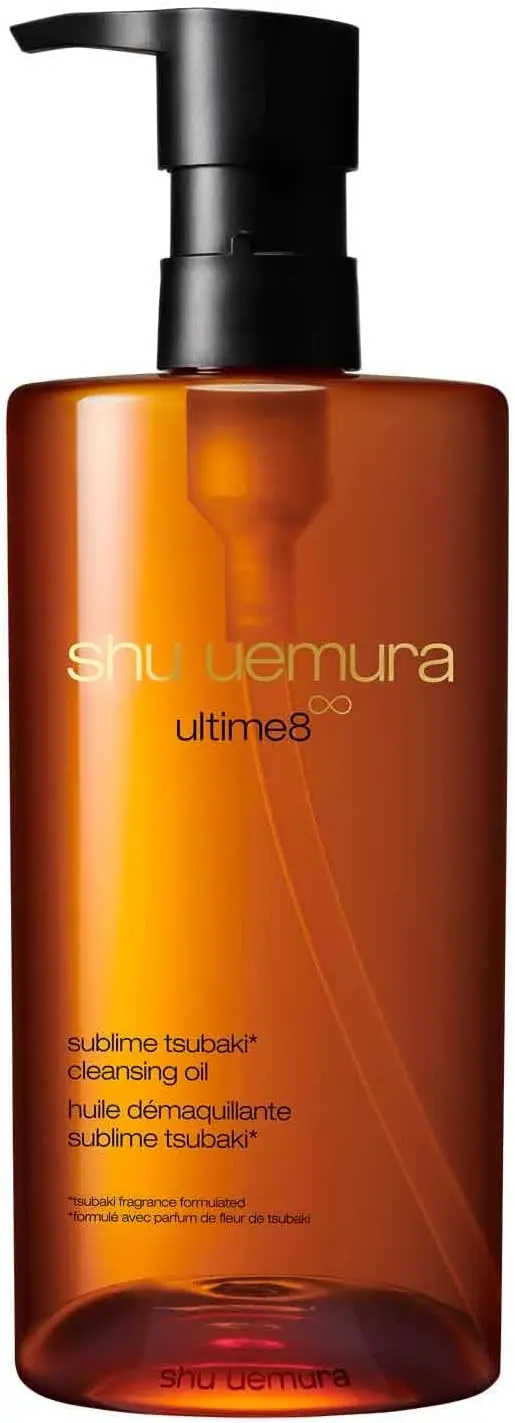
    Which serum is best for sensitive skin?

    Calming Serum is the simplest option, but any product can cause irritation. Try a small amount first.

    Are these serums suitable during pregnancy?

    Ingredient lists and recommendations can change. Check the current product label and ask your doctor if you are unsure.

    The MonoMemo Take

    Do not choose a serum because a chart says it matches your age.

    Choose the one that matches your main skin concern, use it consistently, and give it time before adding something else.

    Sources

    • Official Beauty of Joseon product information and ingredient lists
    • General dermatology guidance on niacinamide, alpha-arbutin, panthenol, and moisturizers

    This article is for general skincare education and does not replace medical advice.

    Affiliate disclaimer: This post contains affiliate links. MonoMemo may earn a small commission if you purchase through them, at no extra cost to you.

  • Toner Pads

    Toner Pads

    Best Korean Toner Pads for Sensitive, Dry, and Acne-Prone Skin

    Seven toner pads compared by skin concern, from simple hydration to occasional exfoliation.

    Toner pads can be convenient, but they are not essential. The important difference is whether the pad hydrates, calms, or exfoliates.
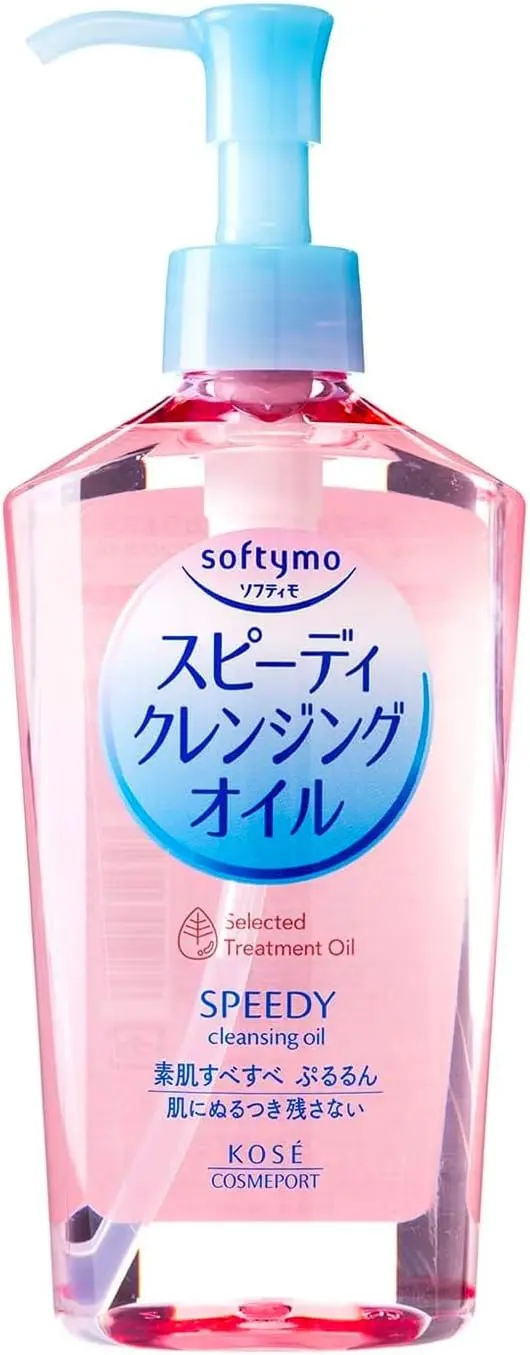
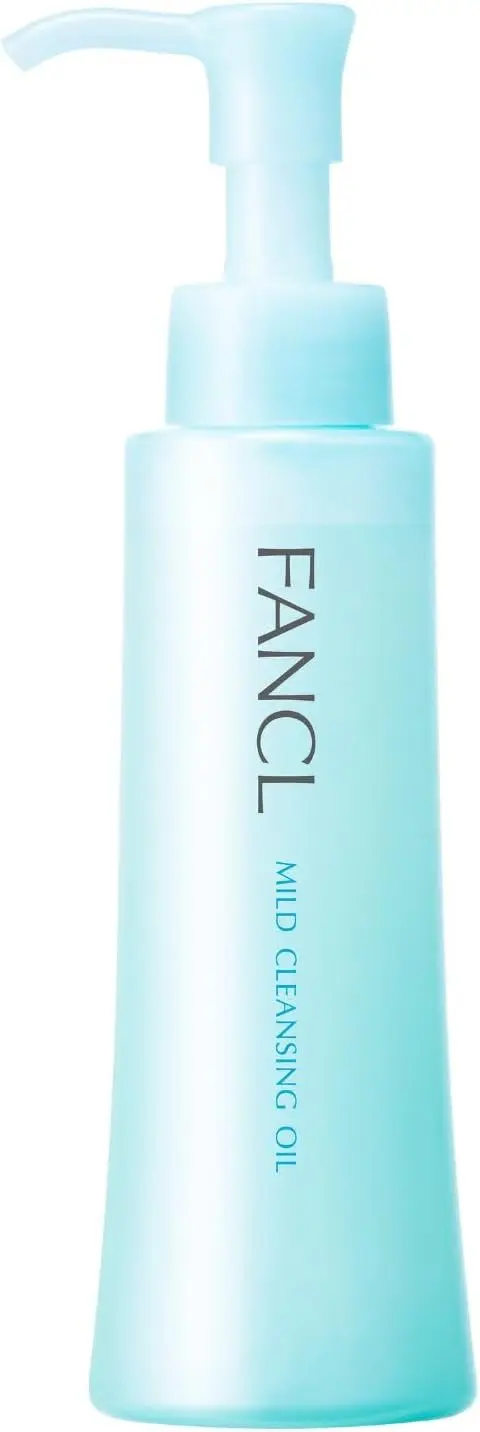
    Quick answer

    Choose Anua or Mediheal when your skin feels irritated.

    Choose Round Lab or Numbuzin for simple hydration.

    Choose Goodal for dull-looking skin.

    Choose Pyunkang Yul carefully when you want exfoliation.

    What toner pads actually do

    Toner pads are cotton pads soaked in toner or essence. Some are made only to add moisture, while others include acids or textured surfaces for exfoliation.

    They do not make skincare ingredients absorb “deeper,” and they do not replace moisturizer.

    Do not rub hard. Friction can irritate sensitive skin even when the liquid itself feels gentle.

    Choose by what your skin needs

    Redness or sensitivity Choose a calming pad with heartleaf, centella, madecassoside, or panthenol.
    Dryness or tightness Choose a simple hydrating pad and follow with moisturizer.
    Dullness or uneven tone Choose a brightening pad and use sunscreen every morning.
    Rough texture or excess oil Choose an exfoliating pad, but use it less often.

    How to use toner pads without irritating your skin

    • Gently press or glide the pad over the skin. Do not scrub.
    • Use hydrating pads as a short mini mask for two to five minutes.
    • Start exfoliating pads once or twice a week.
    • Avoid combining exfoliating pads with strong retinoids on the same night.
    • Finish with moisturizer.

    Seven Korean toner pads to consider

    You do not need more than one. Choose the type that matches your main skin concern.

    Best for easily irritated skin

    Anua Heartleaf 77% Toner Pad

    Anua Heartleaf 77 percent toner pads

    Best for: Redness, sensitivity, and skin that feels stressed

    These pads are built around heartleaf extract and are mainly useful as a calming, moisture-focused step.

    Keep in mind: Even calming pads can sting if your skin barrier is already irritated.

    Check price on Amazon Japan
    Best for acne-prone skin

    Mediheal Madecassoside Blemish Pad

    Mediheal Madecassoside Blemish Pads

    Best for: Blemishes, post-breakout redness, and easily stressed skin

    Madecassoside and centella are used here to support comfort and moisture around blemish-prone areas.

    Keep in mind: These pads do not treat severe acne or replace acne medication.

    Check price on Amazon Japan
    Best for daily hydration

    Round Lab 1025 Dokdo Pad

    Round Lab 1025 Dokdo toner pads

    Best for: Dry, dull, or tight-feeling skin

    This is one of the gentler options in the list and works best as a simple hydration step after cleansing.

    Keep in mind: You may still need moisturizer afterward, especially if your skin is dry.

    Check price on Amazon Japan
    Best for oily-sensitive skin

    COSRX One Step Green Hero Calming Pad

    COSRX One Step Green Hero Calming Pads

    Best for: Light texture care, oiliness, and skin that also feels sensitive

    These pads combine a fresher feel with calming ingredients, so they may suit people who dislike heavy, sticky products.

    Keep in mind: Do not scrub. Friction can make redness and irritation worse.

    Check price on Amazon Japan
    Best for makeup prep

    Numbuzin No.1 Easy Peasy Toner Pad

    Numbuzin No 1 Easy Peasy Toner Pads

    Best for: Simple hydration before sunscreen or makeup

    This is an easy daily pad for adding light moisture and softening dry patches before makeup.

    Keep in mind: A toner pad is optional. A regular toner or moisturizer can do the same job.
    Check price on Amazon Japan
    Best for dull-looking skin

    Goodal Green Tangerine Vita C Toner Pad

    Goodal Green Tangerine Vita C Toner Pads

    Best for: Uneven tone, dullness, and a lack of glow

    These pads focus more on brightening and glow than on calming. They may suit people who want an extra tone-care step.

    Keep in mind: Daily sunscreen matters more than any brightening pad for preventing dark spots.

    Check price on Amazon Japan
    Best occasional exfoliating option

    Pyunkang Yul Calming Toner Pad

    Pyunkang Yul Calming Toner Pads

    Best for: Rough texture, excess oil, and occasional pore care

    This is the strongest option in the list because it includes exfoliating ingredients. It should be used less often than simple hydrating pads.

    Keep in mind: Start slowly and avoid using it on the same night as strong retinoids or other exfoliants.

    Check price on Amazon Japan

    Hydrating pads vs. exfoliating pads

    Hydrating pads can often be used more frequently because their main purpose is adding water and comfort.

    Exfoliating pads are different. They may contain acids or use a textured surface to remove dead skin cells. Using them too often can lead to burning, dryness, or a damaged skin barrier.

    Common questions

    Can I use toner pads every day?

    Hydrating pads may be used daily if your skin stays comfortable. Exfoliating pads should usually be used less often.

    Are toner pads good for sensitive skin?

    They can be, but choose a simple calming pad and avoid rubbing. Stop if your skin burns, itches, or becomes red.

    Do toner pads help with acne?

    They may support a simple routine, but they do not replace proven acne treatments.

    Should I rinse after using toner pads?

    Usually no. Pat in the remaining liquid and follow with moisturizer.

    Do I need toner pads in my routine?

    No. They are a convenience product. A regular toner, essence, or moisturizer can often do the same job.

    The MonoMemo Take

    Toner pads are useful when they make your routine easier.

    Choose a calming or hydrating pad for regular use, and treat exfoliating pads like a stronger product—not a daily cleansing wipe.

    Sources

    • Official brand and retailer product pages for ingredient lists and directions
    • General dermatology guidance on exfoliating acids, sensitive skin, and moisturizers

    This article is for general skincare education and does not replace medical advice.

    Affiliate disclaimer: This post contains affiliate links. MonoMemo may earn a small commission if you purchase through them, at no extra cost to you.

  • Deodorants

    Deodorants

    Best Japanese Deodorants for Body Odor

    Four practical options for daily odor control, quick refresh, and fragrance-free routines.

    Japanese deodorants come in sticks, gels, wipes, and mineral stones. The right choice depends on whether you want odor control, less sweat, or a quick refresh.

    Quick answer

    Choose Deonatulle Soft Stone W for an easy daily stick.

    Choose Biore sheets for commuting, hot days, or after exercise.

    Choose De O Protect Deo-Jam if you prefer a gel.
    Choose the crystal stone for a simple fragrance-free routine.
    Deodorant vs. antiperspirant

    Deodorant mainly reduces or covers odor. Antiperspirant reduces the amount of sweat reaching the skin.

    Some Japanese products do both, so do not assume every product in this category works the same way. Check the package when reducing sweat is important to you.

    Body odor is not the same as sweating. A product can reduce odor without stopping sweat.

    Choose the right format

    Stick Best for fast, clean daily application.
    Wipes Best for removing sweat and refreshing during the day.
    Gel Best for targeted application with less white residue.
    Crystal stone Best for fragrance-free odor care, but it will not usually stop sweat.

    How to get better results

    • Apply leave-on deodorant to clean, dry skin.
    • Let it dry before getting dressed.
    • Use wipes to remove sweat before reapplying deodorant.
    • Avoid applying deodorant to broken or freshly irritated skin.
    • Wash clothing well, because odor can remain in fabric even after the skin is clean.

    Four Japanese deodorants to consider

    You do not need all four. Choose the format that fits how and where you plan to use it.

    Some links below are affiliate links. MonoMemo may earn a small commission if you buy through them, at no extra cost to you.

    Best everyday stick

    Deonatulle Soft Stone W Fragrance-Free

    Deonatulle Soft Stone W fragrance-free Japanese deodorant stick

    Best for: Daily underarm odor control and people who prefer fragrance-free products

    This solid stick is quick to apply and easy to keep in a daily routine. It leaves less mess than a cream or gel and is a practical option for regular use.

    Keep in mind: Check the current label because some versions may also include antiperspirant ingredients.

    Check price on Amazon Japan
    Best for quick refresh

    Biore Gentle Deodorant Sheets

    Biore Gentle Deodorant Sheets from Japan

    Best for: Commuting, hot weather, travel, and after exercise

    These wipes remove sweat from the skin and give a fresher feel when you cannot shower. They are convenient for bags, offices, and gyms.

    Keep in mind: They provide a temporary refresh and do not replace a leave-on deodorant for all-day odor control.

    Check price on Amazon Japan
    Best gel option

    Rohto De O Protect Deo-Jam

    Rohto De O Protect Deo Jam Japanese deodorant gel

    Best for: People who want a smooth leave-on product with less white residue

    This gel-style deodorant spreads easily and dries more cleanly than many thick creams. It may suit people who want a more targeted leave-on product.

    Keep in mind: “Medicated” in Japan refers to a regulated quasi-drug claim. It does not mean the product treats a medical condition.

    Check price on Amazon Japan
    Best minimalist option

    Civic Deonature Crystal Stone

    Civic Deonature Crystal Stone mineral deodorant

    Best for: Fragrance-free routines and people who prefer a simple mineral stone

    This alum stone is lightly moistened and applied to clean skin. It helps reduce odor but does not usually stop sweating.

    Keep in mind: Crystal deodorant is not aluminum-free. Alum is an aluminum salt.

    Check price on Amazon Japan

    What if deodorant is not enough?

    Strong or sudden body odor can have several causes, including clothing, diet, medication, skin conditions, or heavy sweating.

    See a doctor if the odor changes suddenly, comes with a rash or pain, or does not improve with normal washing and deodorant.

    Common questions

    What is the difference between deodorant and antiperspirant?

    Deodorant mainly targets odor. Antiperspirant reduces sweat. Some Japanese products combine both functions, so check the label.

    Are Japanese deodorants good for sensitive skin?

    Some fragrance-free options may feel gentler, but any deodorant can irritate. Avoid using it on broken or freshly irritated skin.

    Can I use deodorant after shaving?

    Wait until the skin feels calm. Applying deodorant immediately after shaving may sting.

    How do I use a crystal deodorant?

    Wet the stone slightly, apply it to clean skin, rinse it after use, and let it dry.

    Do deodorant sheets work all day?

    Usually not. They are best for removing sweat and refreshing the skin during the day.

    The MonoMemo Take

    The best deodorant is the one you can use consistently without irritation.

    Use a stick or gel for regular protection, wipes for quick refresh, and a crystal stone when you want simple fragrance-free odor care.

    Sources

    • Official manufacturer and retailer product pages for product claims and directions
    • General dermatology guidance on sweat, body odor, deodorants, and antiperspirants

    This article is for general personal-care education and does not replace medical advice.

    Affiliate disclaimer: This post contains affiliate links. MonoMemo may earn a small commission if you purchase through them, at no extra cost to you.