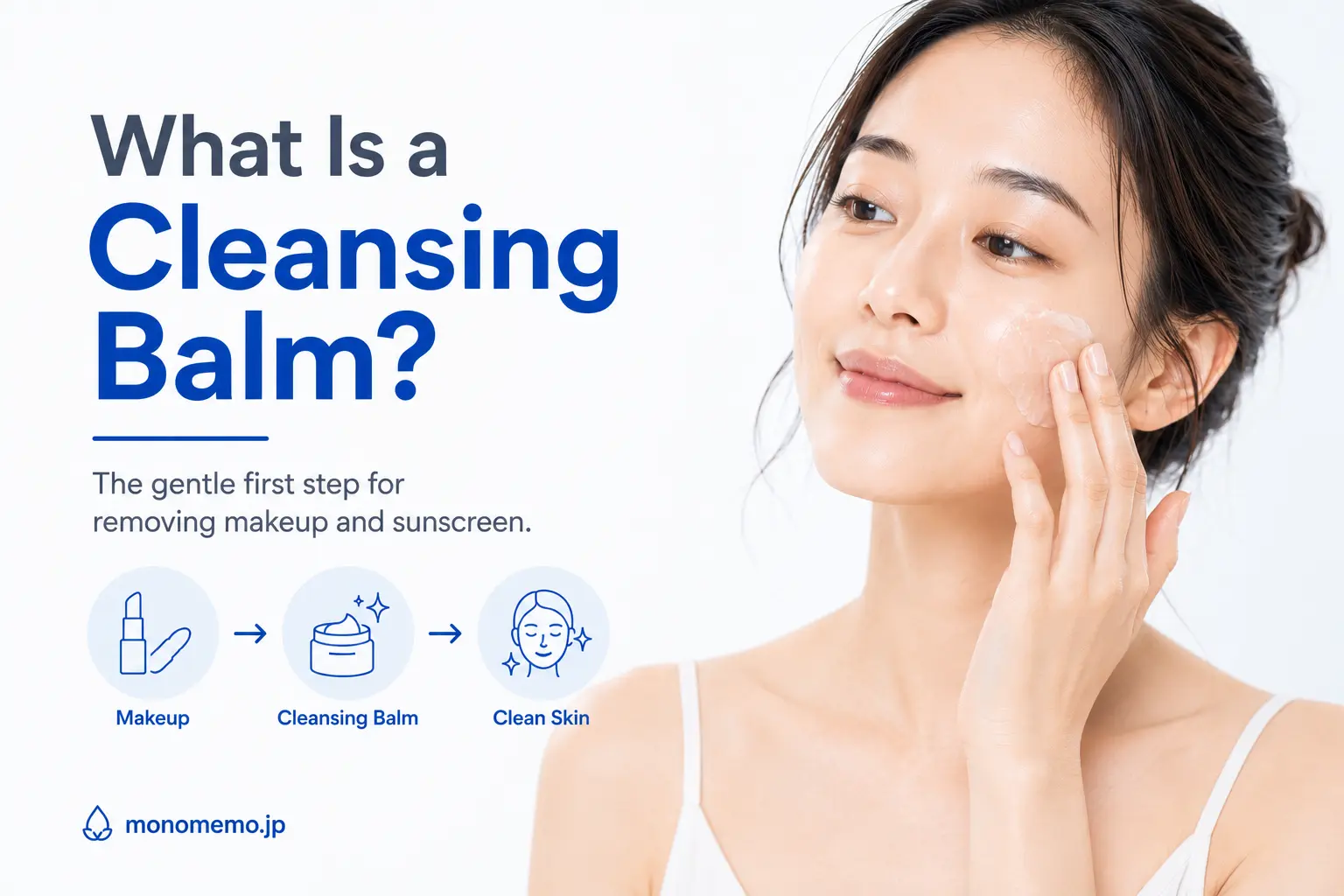
What Is a Cleansing Balm?
A simple guide to how cleansing balms work, who needs one, and how to use them without leaving residue behind.
Cleansing balm looks rich and heavy in the jar, but it melts into an oil-like texture on the skin. Its main job is to dissolve makeup, sunscreen, and oil-based buildup before your regular cleanser.
A cleansing balm is a solid oil-based cleanser used on dry skin. It breaks down makeup and sunscreen, then turns milky when you add water so it can rinse away.
It is especially useful for long-wear makeup, water-resistant sunscreen, or anyone who prefers a less runny alternative to cleansing oil.
Why are cleansing balms so popular?
The appeal is mostly practical. Balms are easy to control, less messy than liquid oils, and comfortable to massage over the skin.
They also fit naturally into double cleansing. The balm removes oil-based products first, while a gentle water-based cleanser removes sweat and any remaining residue.
Who may benefit from a cleansing balm?
A cleansing balm may be helpful if you regularly wear foundation, waterproof eye makeup, long-wear lipstick, or water-resistant sunscreen.
It can also suit dry or normal skin that feels tight after stronger foaming cleansers. The balm step can make makeup removal feel less harsh, especially when you avoid rubbing with cotton pads.
Sensitive skin can use cleansing balms too, but simpler fragrance-free formulas are usually the safer place to start.
Who may not need one?
You may not need a balm if you wear little or no makeup and your sunscreen already comes off easily with your regular cleanser.
Very oily or breakout-prone skin can still use one, but rinsing matters. A balm that leaves a waxy film may feel uncomfortable or contribute to clogged-feeling skin for some people.
How to use a cleansing balm correctly
- Start with dry hands and a dry face. Water can stop the balm from spreading and dissolving makeup properly.
- Scoop out a small amount. You usually need less than you think.
- Massage gently for 30 to 60 seconds. Focus on sunscreen, foundation, and long-wear makeup.
- Add a little water. The balm should turn cloudy or milky. This step is called emulsifying.
- Rinse thoroughly. Keep rinsing until the skin no longer feels slippery or coated.
- Follow with a gentle cleanser if needed. This is especially useful after heavy makeup or water-resistant sunscreen.
Cleansing balm vs cleansing oil vs micellar water
Cleansing balm
Best when you want a rich texture, less mess, and strong makeup removal in a travel-friendly jar.
Cleansing oil
Usually spreads faster and may rinse more easily, but the liquid texture can feel messier.
Micellar water
Convenient for light makeup, but removing long-wear products may require more rubbing with cotton pads.
None is automatically better. The best choice is the one that removes your makeup and sunscreen without stinging, excessive rubbing, or residue.
Japanese and Korean cleansing balms to know
These are popular balm cleansers with different textures and finishes. Choose based on your skin, makeup habits, and tolerance for fragrance rather than popularity alone.
Banila Co Clean It Zero
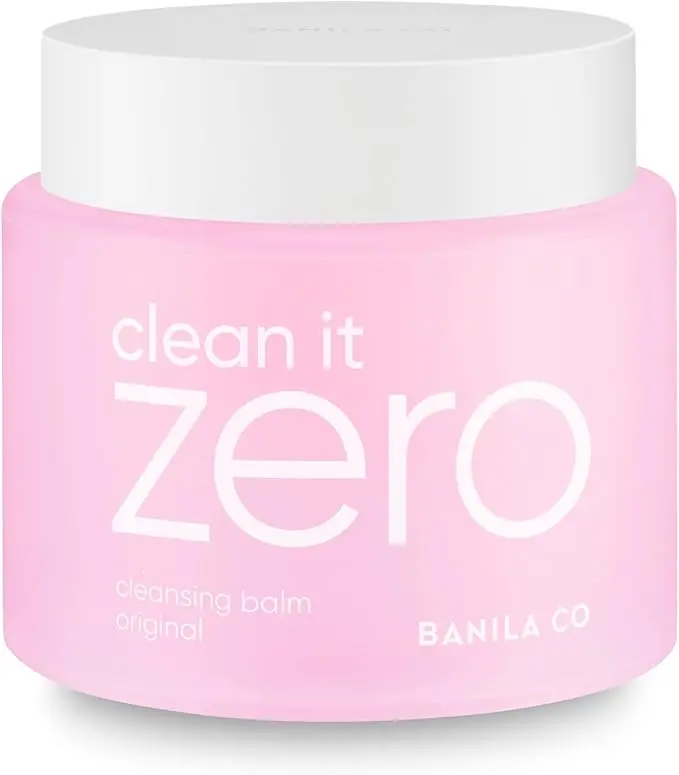
Best for: Heavy makeup and people who want a soft, fast-melting texture
One of the best-known Korean cleansing balms. It melts quickly and is designed to remove long-wear makeup without the mess of a liquid oil.
Keep in mind: Different versions have different formulas and fragrance levels, so check the exact variant before buying.
Check price on Amazon JapanHeimish All Clean Balm
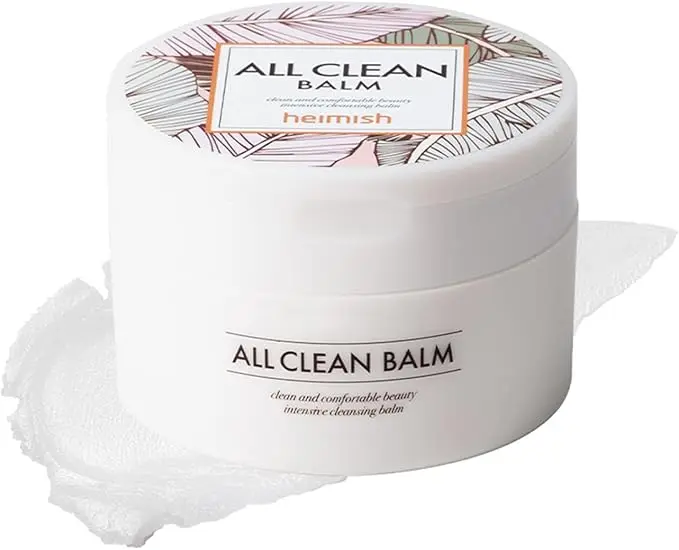
Best for: Normal or combination skin and routine makeup removal
This balm has a soft sherbet-like texture and rinses into a milky emulsion. It is a practical option for everyday sunscreen and makeup.
Keep in mind: This product is often described online as fragrance-free, but formulas may contain aromatic plant oils. Check the current ingredient list if fragrance bothers your skin.
Check price on Amazon JapanBeauty of Joseon Radiance Cleansing Balm
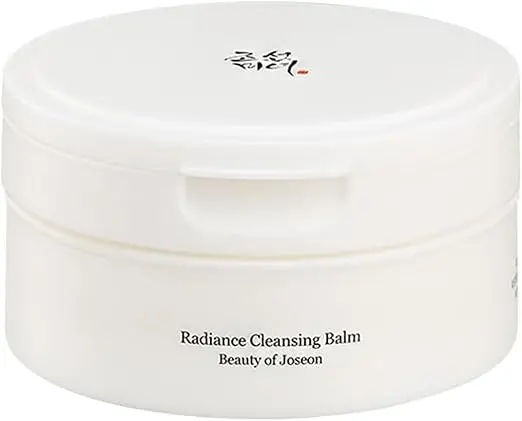
Best for: Dry or normal skin that prefers a smooth, cushioned texture
This Korean balm is known for a soft texture and a comfortable finish. It removes makeup and sunscreen while keeping the cleansing step from feeling harsh.
Keep in mind: Rice and ginseng extracts sound appealing, but the product’s main value is still cleansing—not long-term treatment.
Check price on Amazon JapanDUO The Cleansing Balm
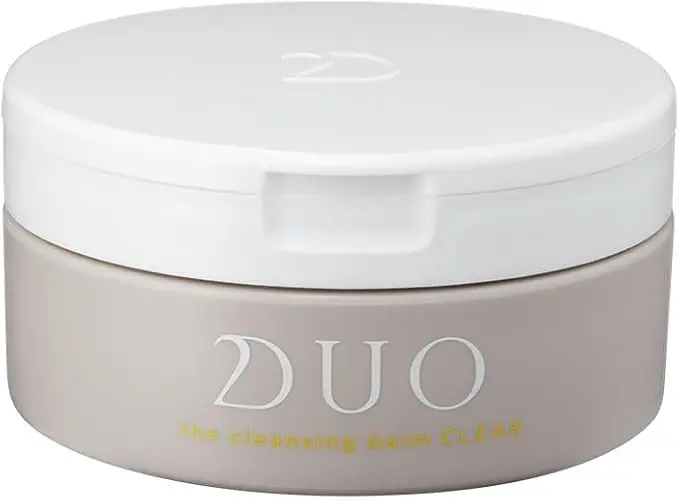
Best for: People who want a popular Japanese balm with a rich feel
DUO is one of Japan’s best-known cleansing balm lines. The original version is marketed as a multitasking cleanser with a dense, melting texture.
Keep in mind: Claims such as exfoliating, massage, and treatment benefits are secondary. Judge the product mainly by how well it cleanses and rinses.
Check price on Amazon JapanDUO The Cleansing Balm Black Repair
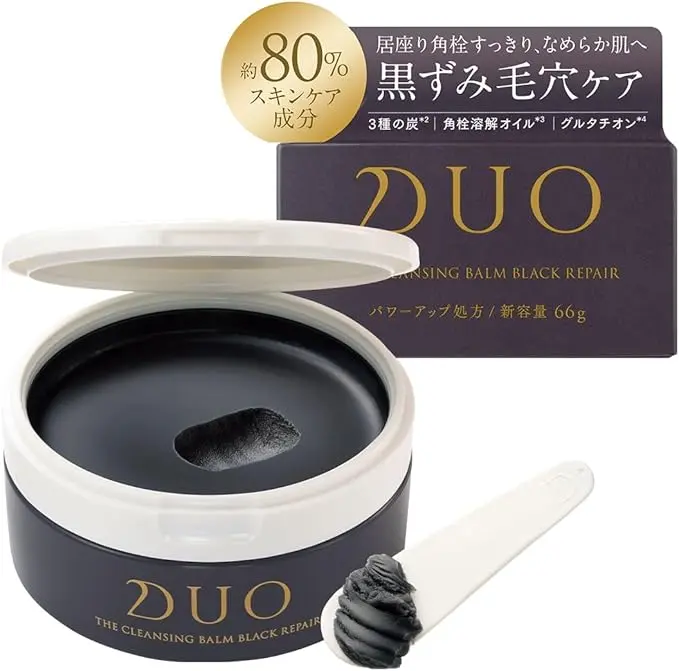
Best for: Oily areas and people who prefer a charcoal-style pore-care formula
This version is positioned for visible blackheads and rough-feeling pores. It can remove makeup and surface oil, but it cannot permanently shrink pores.
Keep in mind: Blackheads are influenced by oil, dead skin, and pore structure. A cleanser alone may not be enough.
Check price on Amazon JapanLululun Cleansing Toning Balm
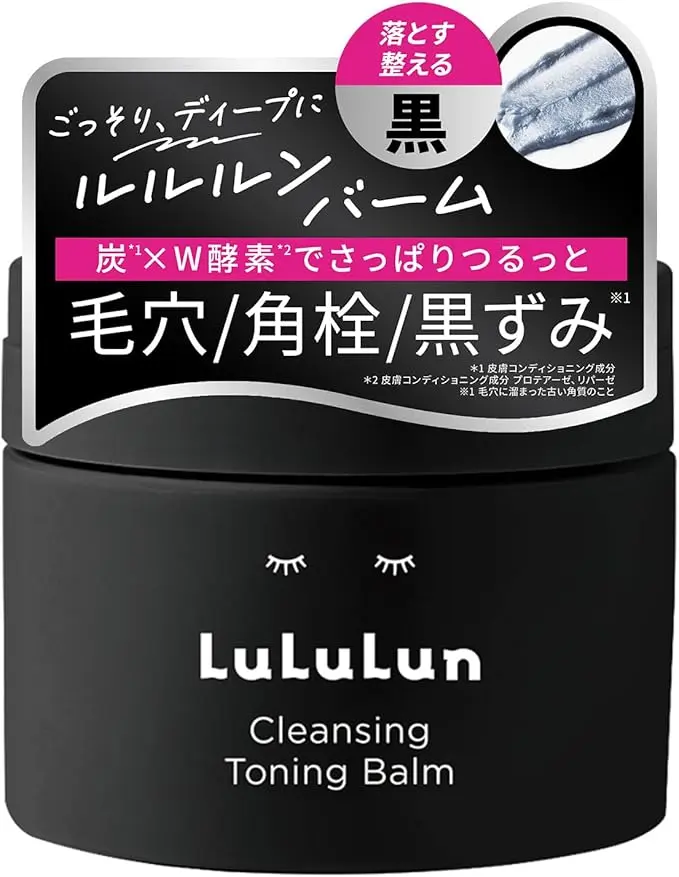
Best for: People who prefer a fresh finish and a Japanese drugstore-style option
This balm combines makeup removal with a fresh, clear-feeling finish. It may appeal to people who dislike a rich or oily after-feel.
Keep in mind: “Toning” is mostly a marketing description here. The product should still be judged first as a cleanser.
Check price on Amazon JapanHow to choose the right cleansing balm
For dry skin, look for a balm that rinses clean without leaving the face tight. A comfortable finish matters more than long ingredient lists.
For oily or acne-prone skin, choose a formula that emulsifies quickly and does not leave a waxy coating. Always rinse thoroughly.
For sensitive skin, simpler fragrance-free or low-fragrance formulas are usually easier to test. Avoid assuming that “natural” oils are automatically gentle.
For heavy makeup, prioritize good slip and fast breakdown of waterproof products. Eye makeup may still need a separate remover if the balm stings.
Common cleansing balm mistakes
- Applying it to wet skin before it has dissolved makeup.
- Using too much product and making rinsing harder.
- Rubbing aggressively around the eyes.
- Skipping the emulsifying step.
- Assuming a balm can remove blackheads permanently.
- Continuing to use a formula that leaves burning, itching, or persistent congestion.
Common questions
Do I need to double cleanse after a cleansing balm?
Not always. If the balm rinses clean and your skin feels comfortable, a second cleanser may not be necessary. Heavy makeup, water-resistant sunscreen, or visible residue are good reasons to follow with a gentle cleanser.
Can cleansing balm clog pores?
Any product can feel congesting if it does not suit your skin or is not rinsed well. The balm format itself does not automatically clog pores.
Can I use cleansing balm every day?
Yes, when you need to remove makeup or sunscreen and the formula does not irritate your skin. You do not need to use it on bare-skin days if your regular cleanser is enough.
Is cleansing balm good for oily skin?
It can be. Oil-based cleansers dissolve makeup and sunscreen regardless of skin type. Choose one that emulsifies well and does not leave a heavy film.
Can cleansing balm remove blackheads?
It may loosen surface oil and make pores look cleaner temporarily, but it does not permanently remove or shrink blackheads.
The MonoMemo Take
A cleansing balm is useful when it makes removal easier—not because every routine needs two cleansers.
The best balm melts makeup quickly, rinses clean, and leaves your skin feeling normal rather than stripped or coated.
This article is for general skincare education and does not replace advice from a dermatologist.
Affiliate disclaimer: This post contains affiliate links. MonoMemo may earn a small commission if you purchase through them, at no extra cost to you.
Leave a Reply