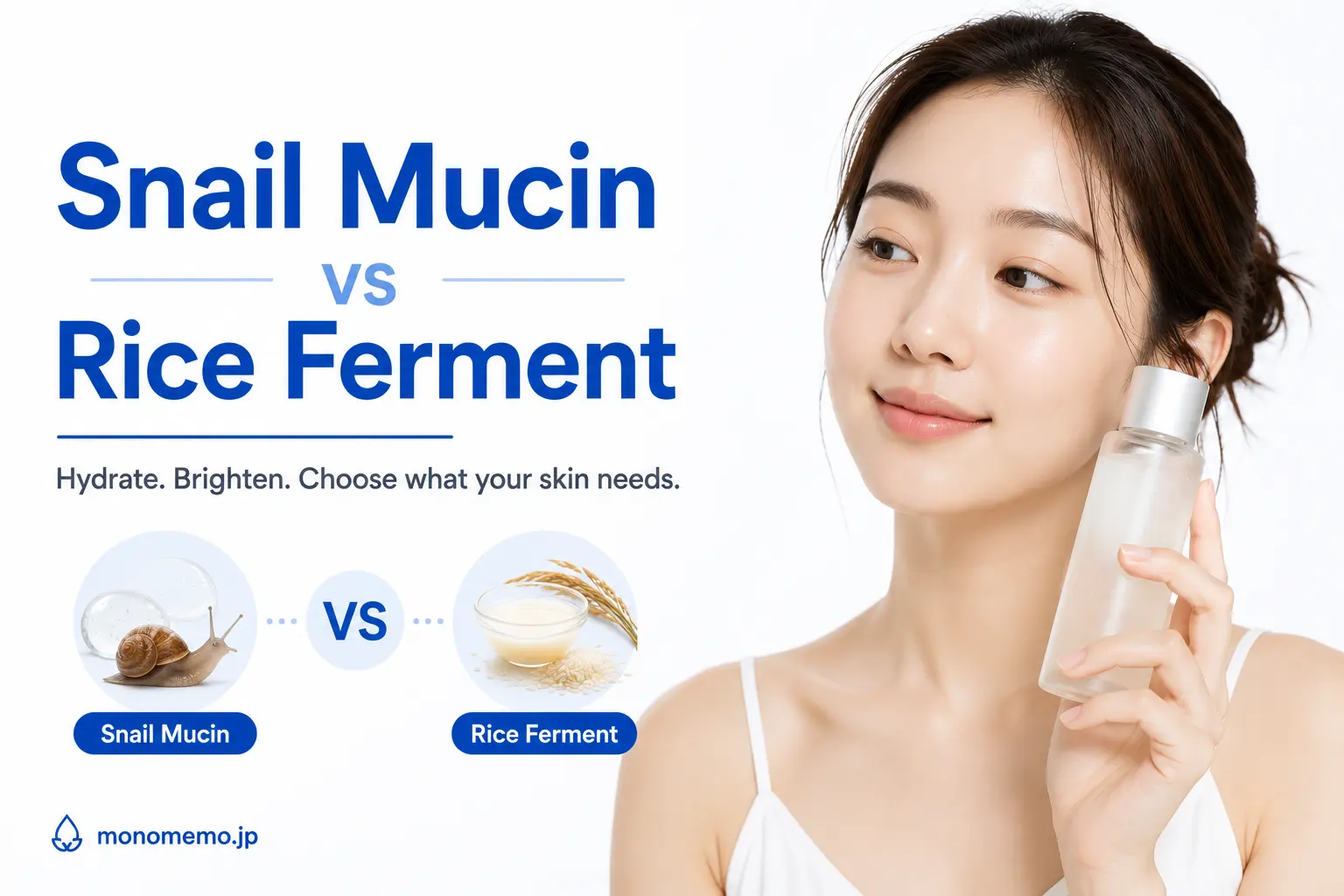
Snail Mucin vs Rice Ferment
Which ingredient is better for hydration, glow, sensitive skin, and everyday use?
Snail mucin and rice ferment are often compared as Korean versus Japanese skincare ingredients. But the better choice depends more on your skin goal than the country on the label.
Choose snail mucin when your skin feels dry, tight, or rough and you want a cushiony hydrating layer.
Choose rice ferment when you prefer a lighter essence and want smoother, brighter-looking skin over time.
What is snail mucin?
Snail mucin is the filtered secretion used in many Korean essences, serums, and creams. It is valued mainly for its humectant and soothing feel.
In a well-formulated product, it can help the skin feel softer, more comfortable, and less dry. Many formulas also include ingredients such as glycerin, hyaluronic acid, panthenol, or allantoin.
What is rice ferment?
“Rice ferment” is a broad category rather than one single ingredient. Products may use fermented rice extract, rice water, rice bran, yeast ferment, or galactomyces-derived filtrates.
These formulas are often lightweight and marketed for smoother texture, brightness, and daily conditioning. The actual effect depends heavily on the specific ferment and the rest of the formula.
Snail mucin vs rice ferment: the real difference
The biggest difference is the kind of experience each ingredient gives your skin. Snail mucin usually feels richer and more cushioning, while rice ferment is often lighter and easier to layer.
For hydration, snail mucin usually has the advantage. Its gel-like texture helps the skin feel softer and less tight, which makes it especially useful for dry or dehydrated skin.
For a lightweight routine, rice ferment is often easier to use. Most ferment essences have a watery texture that absorbs quickly and sits well under other products.
For dull-looking skin, rice ferment may be the better match. These formulas are often chosen for smoother texture and a brighter-looking finish, although results depend on the exact ferment and formula.
Texture is also an important difference. Snail mucin can feel elastic, slippery, or slightly sticky. Rice ferment usually feels more like a toner or first essence.
Neither option is automatically better for sensitive skin. The complete formula matters more than the headline ingredient. Fragrance, alcohol, preservatives, and added actives can all affect how your skin responds.
There is also an ethical difference: snail mucin is animal-derived and is not vegan. Rice-ferment products are usually more compatible with a vegan routine, but the full ingredient list should still be checked.
Which one is better for your skin?
Choose snail mucin if…
- Your skin feels dehydrated or tight.
- You like gel essences and layered hydration.
- Your barrier feels dry or uncomfortable.
- You want a plumper-looking finish.
Choose rice ferment if…
- You prefer a light, watery texture.
- Your skin looks dull or uneven.
- You want an easy daily first-essence step.
- You dislike sticky skincare.
What about sensitive or acne-prone skin?
Neither ingredient is automatically safe for every sensitive skin type. Fragrance, alcohol, preservatives, and other actives in the complete formula may matter more than the hero ingredient.
Snail mucin may feel soothing for some people, but others can react to the product. Rice-ferment products can also irritate sensitive skin depending on the formula.
Can snail mucin fade acne marks?
Snail mucin can improve hydration, which may make irritated or rough skin look healthier. But it is not one of the most proven ingredients for fading post-acne marks.
For uneven tone, ingredients such as niacinamide, azelaic acid, vitamin C, retinoids, and daily sunscreen generally have a clearer role.
Can you use snail mucin and rice ferment together?
Yes. They are usually easy to layer because neither category is inherently exfoliating.
- Apply the lighter rice-ferment toner or essence first.
- Follow with snail mucin while the skin is still slightly damp.
- Seal everything in with moisturizer if needed.
- Use sunscreen during the day.
You do not need both. Add the second product only if it gives your skin a clear benefit.
Products to consider
COSRX Advanced Snail 96 Mucin Power Essence
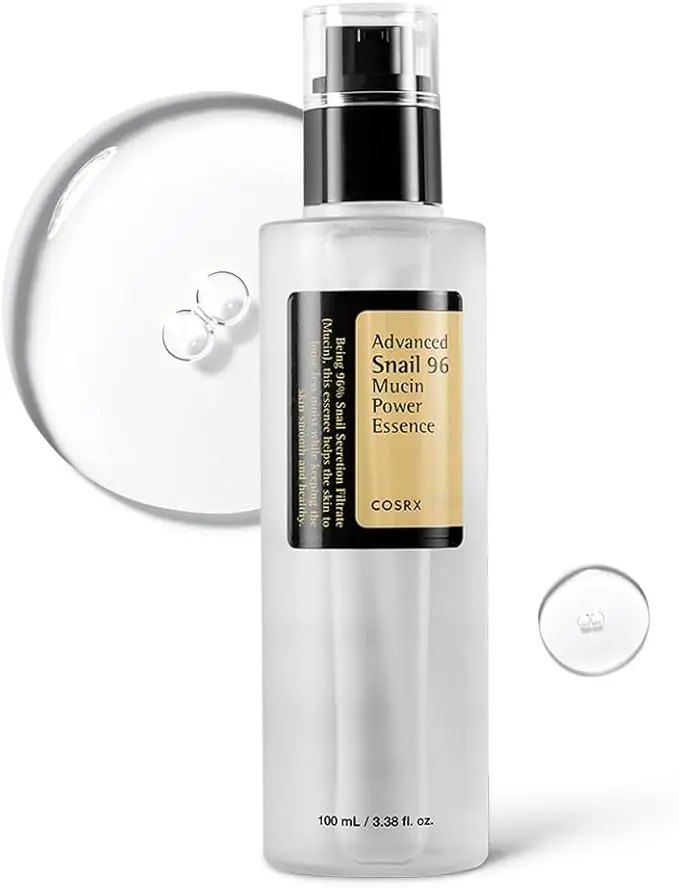
Best for: Dehydration, rough texture, and layered hydration
A simple, concentrated snail essence with a slippery gel texture. It works best as a hydrating step rather than a complete moisturizer.
Keep in mind: The finish can feel sticky, especially if too much is applied.
Check price on Amazon JapanMizon Snail Repair Intensive Ampoule
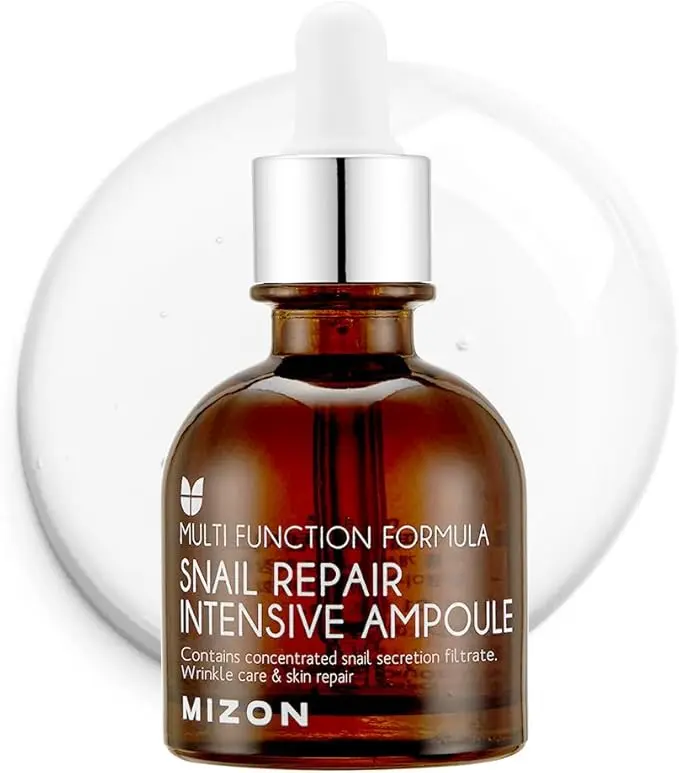
Best for: Lightweight hydration and rough-feeling skin
A thinner snail-based ampoule for people who want a less heavy texture than some gel essences.
Keep in mind: Check the full ingredient list if your skin is sensitive to fragrance or botanical extracts.
Check price on Amazon JapanSK-II Facial Treatment Essence
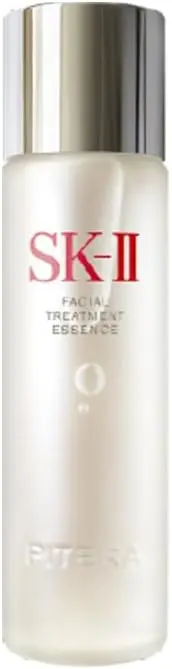
Best for: Lightweight conditioning and a smoother-looking finish
A watery essence based on a proprietary galactomyces-derived ferment filtrate. It is closer to a premium ferment essence than a basic rice extract.
Keep in mind: It is expensive, and the result may be subtle rather than dramatic.
Check price on Amazon JapanHada Labo Shirojyun Premium Lotion
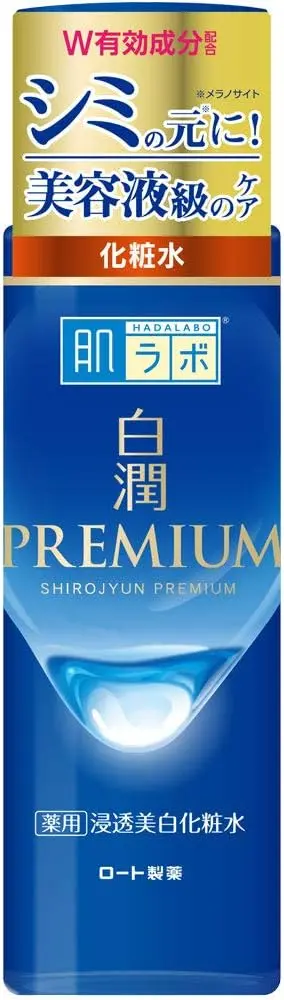
Best for: Hydration and uneven-looking tone
This is not a rice-ferment product. It is included as a practical Japanese brightening alternative built around tranexamic acid and hyaluronic acid.
Keep in mind: Do not present it as a rice ferment. Its role here is as an alternative for people whose main goal is brighter-looking skin.
Check price on Amazon JapanCommon questions
Which is better: snail mucin or rice ferment?
Snail mucin is usually better for richer hydration, while rice ferment is often better for a lightweight essence step and brighter-looking skin.
Can I use snail mucin and rice ferment together?
Yes. Apply the lighter rice-ferment essence first, then use snail mucin if you want more hydration.
Is snail mucin good for sensitive skin?
It can be, but it is not guaranteed to suit everyone. Patch test the complete product and stop if it causes persistent irritation.
Is rice ferment moisturizing enough?
Many ferment essences are lightweight. Dry skin usually needs a moisturizer on top.
Is snail mucin vegan?
No. Snail mucin is an animal-derived ingredient, so it is not suitable for a vegan skincare routine.
The MonoMemo Take
Snail mucin is the better choice when your skin wants more cushion and hydration. Rice ferment makes more sense when you want a light essence and a smoother, brighter-looking finish.
Do not choose by trend alone. Choose the texture and function your routine is actually missing.
This article is for general skincare education and does not replace advice from a dermatologist.
Affiliate disclaimer: This post contains affiliate links. MonoMemo may earn a small commission if you purchase through them, at no extra cost to you.
Leave a Reply