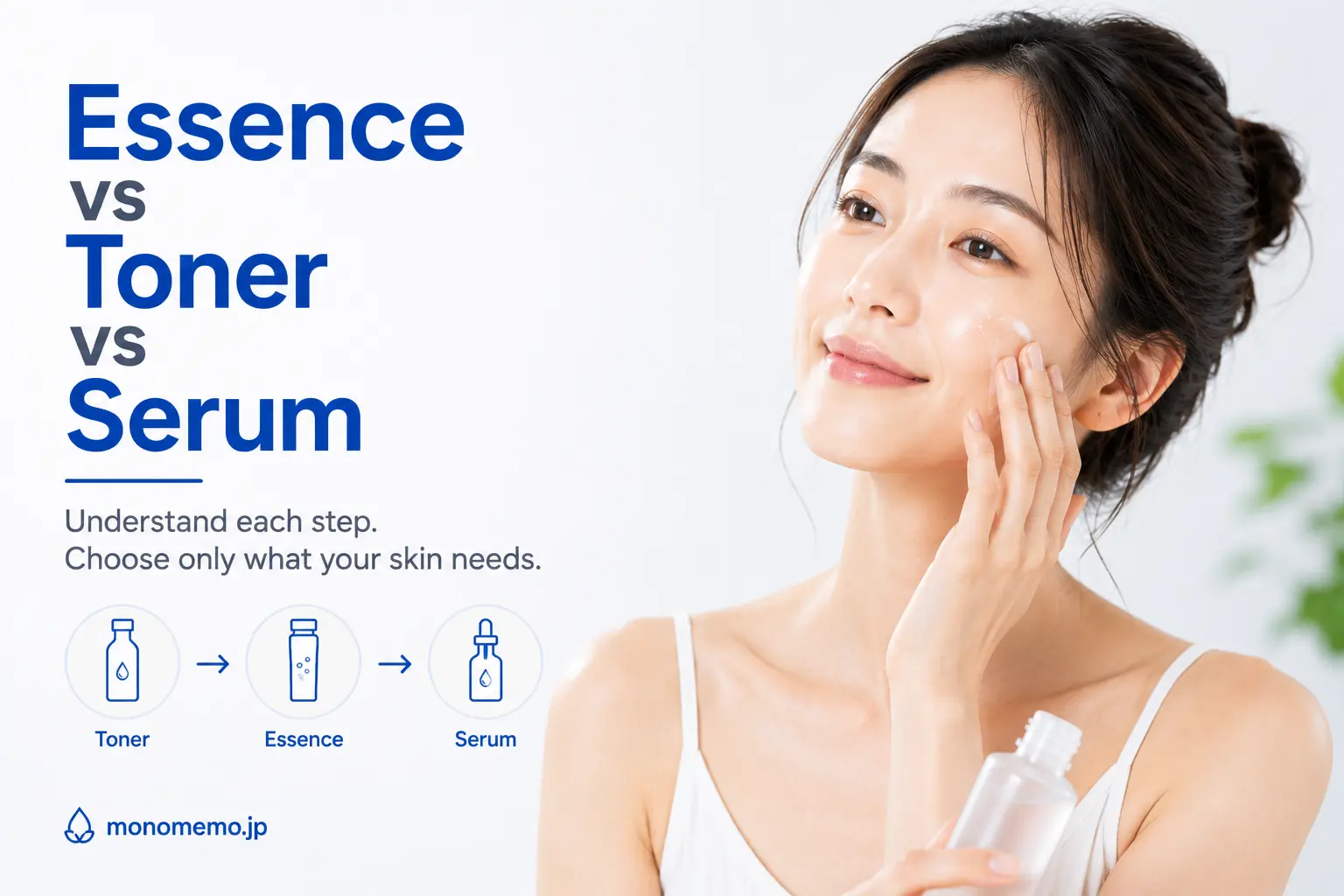
What Is an Essence?
Toner, essence, and serum sound like three different steps but skincare labels are not always that simple.
If you have ever looked at a Japanese or Korean skincare shelf and wondered whether an essence is just a fancy toner, you are not alone. The confusing part is that there is no universal rule for what an essence must be.
An essence is usually a lightweight leave-on product used after cleansing and before heavier treatments or cream. It often focuses on hydration, softness, and a smoother-looking texture.
But the name alone does not tell you everything. Some essences feel like watery toners, while others are closer to light serums.
Toner vs essence vs serum
Toner
Usually the thinnest step. Modern toners often add light hydration, while some also include exfoliating or soothing ingredients.
Essence
Usually a light treatment layer for hydration, softness, and overall skin condition. It may overlap with toner or serum.
Serum
Often more concentrated and chosen for a specific concern, such as uneven tone, fine lines, or breakouts.
The easiest way to think about it is this: toner is often the lightest, serum is often the most targeted, and essence usually sits somewhere in between. But individual products can break that pattern.
Do you actually need an essence?
Not necessarily. Essence is optional, not a required skincare step.
It can be useful if your skin feels dehydrated, tight, dull, or rough and you want to add moisture without jumping straight to a heavy cream. It can also make a routine feel more comfortable when one moisturizer is not enough.
You may not need one if your toner, serum, and moisturizer already keep your skin comfortable. Adding more layers is not automatically better.
Where does essence go in a routine?
A common order is to move from the thinnest texture to the thickest:
This order is flexible. A product called “first essence” may be used immediately after cleansing, while a thicker essence may fit better after toner. Follow the product directions when they differ.
Four Japanese and Korean essence-style products
These products are not identical, and some are marketed as lotions or first essences. They are included because they can fill a similar lightweight, hydrating step in a routine.
SK-II Facial Treatment Essence
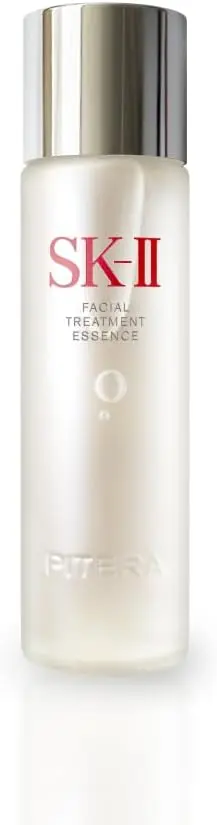
Best for: People who want a lightweight premium essence and do not mind the price
This famous Japanese essence has a thin, watery texture and is built around SK-II’s proprietary fermented ingredient, Pitera. It is often used to support a smoother, brighter-looking complexion.
Keep in mind: It is expensive, and fermented formulas do not suit everyone. Patch testing is sensible if your skin is reactive.
Check price on Amazon JapanHada Labo Gokujyun Premium Lotion
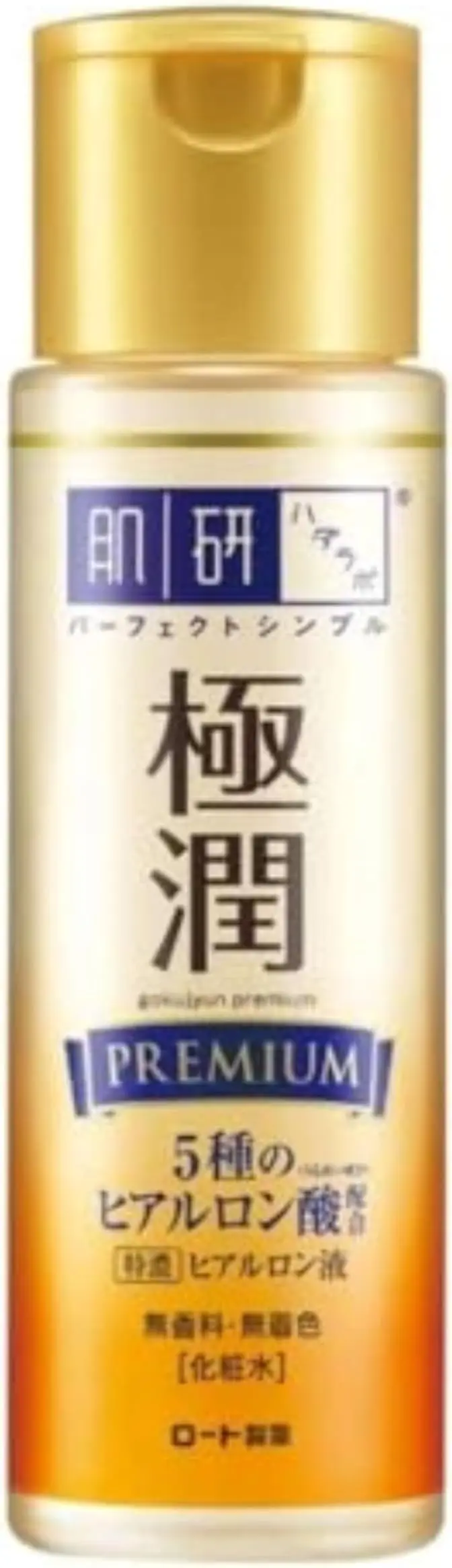
Best for: Dry or dehydrated skin that wants a simple hydrating layer
In Japan, “lotion” usually means a watery hydrating step rather than a body lotion. This formula is richer than many toners and can work like an essence in a simple routine.
Keep in mind: It can feel sticky if you use too much. Start with a small amount and add more only if needed.
Check price on Amazon JapanMISSHA Time Revolution First Treatment Essence
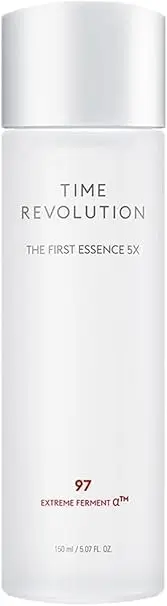
Best for: People who like very light fermented skincare
This Korean first essence has a watery texture designed for use near the beginning of a routine. It adds light hydration without the weight of a traditional serum.
Keep in mind: Fermented products can be a matter of personal preference, especially for sensitive or breakout-prone skin.
Check price on Amazon JapanBeauty of Joseon Ginseng Essence Water
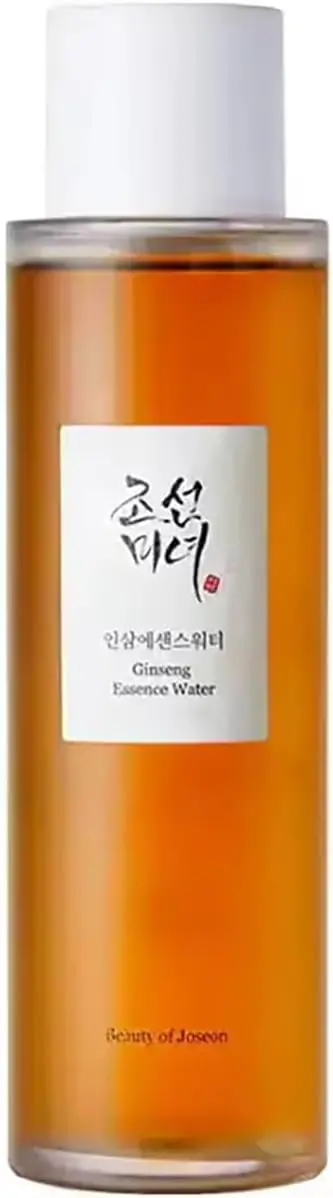
Best for: Normal, dry, or combination skin that wants light hydration
This watery Korean essence is easy to layer and can replace a separate toner for some routines. It is a practical option when you want hydration without a thick finish.
Keep in mind: Do not expect one essence to transform the skin overnight. Its main value is consistent, comfortable hydration.
Check price on Amazon JapanHow to choose the right essence
If your skin is dry or dehydrated, look for humectants such as glycerin or hyaluronic acid, and follow with moisturizer to help reduce water loss.
If your skin is oily, choose a thin, watery formula and avoid adding several hydrating layers just because a routine tells you to.
If your skin is sensitive, start with a simple formula and be cautious with strong fragrance, exfoliating acids, or several fermented products at once.
If dullness is your main concern, an essence may add temporary plumpness and glow, but targeted ingredients and daily sunscreen usually matter more over time.
How to use essence without overcomplicating your routine
- Apply a small amount to clean skin or after toner.
- Pat or gently spread it instead of repeatedly rubbing.
- One layer is usually enough. Add another only if your skin still feels tight.
- Follow with serum only when you have a specific concern to target.
- Seal with moisturizer when your skin needs it.
- Use sunscreen in the morning.
Common questions
Can I use essence without toner?
Yes. If the essence provides enough hydration and feels comfortable on clean skin, it can replace toner.
Do I need both essence and serum?
No. Essence is usually used for light hydration and overall skin comfort, while serum is often chosen for a more specific concern. Use both only when each product has a clear purpose.
Can I use essence every day?
Most simple hydrating essences can be used daily. Products with exfoliating acids or other strong active ingredients may need a different schedule.
Should essence go before or after serum?
Essence usually goes before serum because it is often thinner. When the essence is thicker than your serum, follow the texture from thinnest to thickest instead.
Is essence good for oily skin?
It can be. A watery essence may provide enough hydration without a heavy cream, but oily skin does not automatically need an extra step.
The MonoMemo Take
Essence is not the secret step that every routine is missing. It is simply one more way to add light hydration.
Choose it because your skin needs it—not because a ten-step routine says it belongs there.
This article is for general skincare education and does not replace advice from a dermatologist.
Affiliate disclaimer: This post contains affiliate links. MonoMemo may earn a small commission if you purchase through them, at no extra cost to you.
Leave a Reply