What Is a Skin Booster?
How Korean and Japanese booster serums differ and what they can realistically do at home.
“Skin booster” sounds clinical, but on a skincare label it usually means something much simpler: a hydrating essence, ampoule, or serum designed to make the skin look fresher and feel more comfortable.
At-home skin boosters can support hydration, softness, glow, and a smoother-looking finish. They do not work like injectable skin boosters and cannot deliver ingredients into deeper layers of the skin.
Korean formulas often highlight ingredients such as PDRN, peptides, propolis, or multiple humectants. Japanese formulas are more often sold as lotions, essences, or firming serums rather than using the “skin booster” label.
What does “skin booster” actually mean?
In topical skincare, “skin booster” is mostly a marketing category. There is no single official formula, texture, or concentration that every booster must follow.
A booster may be a watery first serum, a concentrated ampoule, or a richer treatment product. What matters is the ingredient list and the role it plays in your routine not the word “booster” on the front.
How is it different from a regular serum?
Often, there is very little practical difference. Both boosters and serums can contain humectants, peptides, niacinamide, botanical extracts, and barrier-supporting ingredients.
Boosters are usually marketed as a flexible first treatment step. They tend to have lighter textures so they can be layered under another serum or moisturizer.
Popular booster ingredients explained
PDRN
PDRN is widely promoted in Korean beauty as a recovery-focused ingredient. Topical formulas may help support hydration and skin comfort, but they should not be compared directly with medical injections.
Peptides
Peptides are used in many firming and smoothing formulas. Their effect depends on the peptide type, concentration, stability, and the rest of the product.
EGF-style formulas
Products marketed around EGF or growth-factor-inspired technology often target mature or tired-looking skin. Cosmetic claims should be viewed more cautiously than clinical treatment claims.
Hyaluronic acid
Hyaluronic acid is one of the most dependable ingredients for temporary surface hydration and a plumper-looking finish.
Propolis
Propolis is common in Korean ampoules designed for glow and comfort. It may not suit people with allergies to bee-derived ingredients.
Niacinamide
Niacinamide can support the skin barrier and improve the appearance of uneven tone. Higher percentages are not always better for sensitive skin.
Korean vs Japanese skin boosters
Korean skincare uses the word “booster” more freely. You will often see ampoules built around trending ingredients such as PDRN, peptides, propolis, or multi-molecular hyaluronic acid.
Japanese brands are less likely to use “skin booster” as a product category. Similar products may be sold as a lotion, essence, pre-serum, medicated brightening lotion, or firming serum.
This does not mean one country makes stronger products. It is mainly a difference in naming, texture preferences, and marketing.
At-home boosters vs clinic skin boosters
At-home products sit on the surface of the skin and work through cosmetic ingredients. They can improve hydration, softness, and the way the skin looks and feels.
Injectable skin boosters are medical or aesthetic procedures performed in a clinic. They place materials below the skin surface and involve different benefits, risks, costs, and recovery considerations.
How to choose the right booster
Start with the problem you are trying to solve. The ingredient trend is less important than whether the formula fits your skin and routine.
- For dehydration: Look for glycerin, hyaluronic acid, panthenol, beta-glucan, or ceramides.
- For dullness: Consider niacinamide, vitamin C derivatives, tranexamic acid, or gentle ferment formulas.
- For a firmer look: Peptides and well-formulated moisturizing serums may help the skin look smoother.
- For sensitive skin: Prioritize a short, fragrance-free formula over a long list of trendy actives.
Products to consider
Rejuran Turnover Ampoule
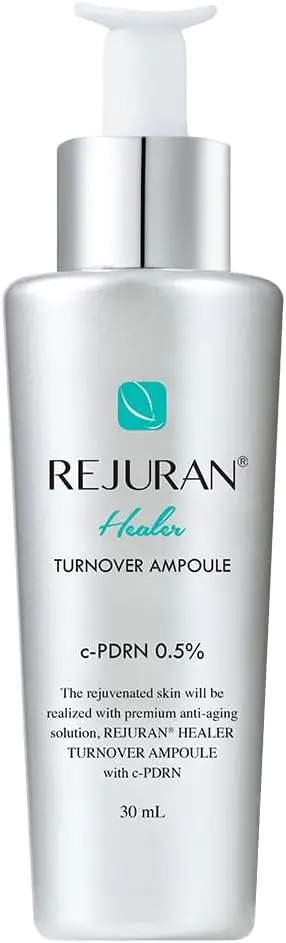
Best for: Lightweight hydration and people curious about topical PDRN skincare
A Korean ampoule positioned around PDRN-inspired recovery care. Treat it as a cosmetic hydrating product rather than an alternative to an injectable treatment.
Keep in mind: Check the current ingredient list and concentration on the packaging before publishing a specific percentage claim.
Check price on Amazon JapanMediheal E.G.T Ampoule
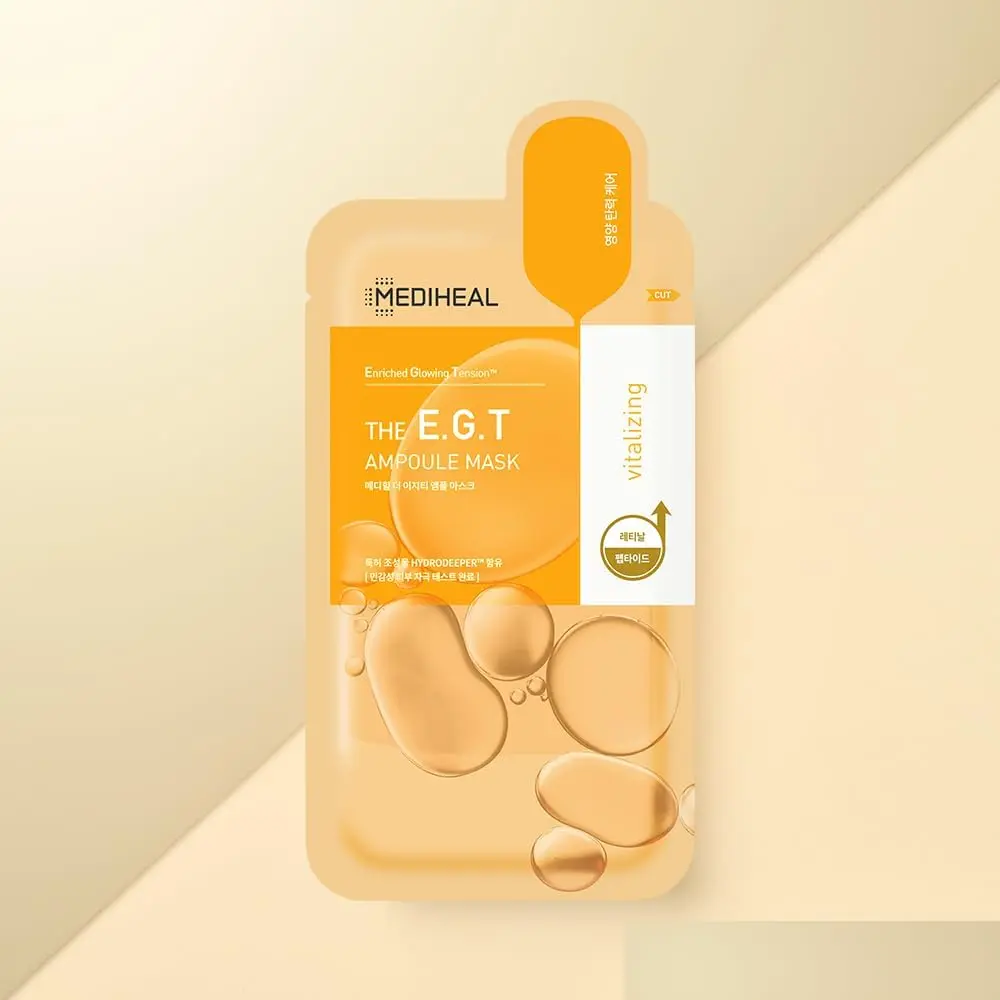
Best for: A smoother-looking finish and lightweight daily layering
A Korean ampoule marketed around elasticity and peptide-style care. It fits best as a supporting serum rather than a dramatic anti-aging treatment.
Keep in mind: Product names and formulas can change, so confirm the current ingredient list before describing it as an EGF formula.
Check price on Amazon JapanCNP Propolis Energy Ampoule
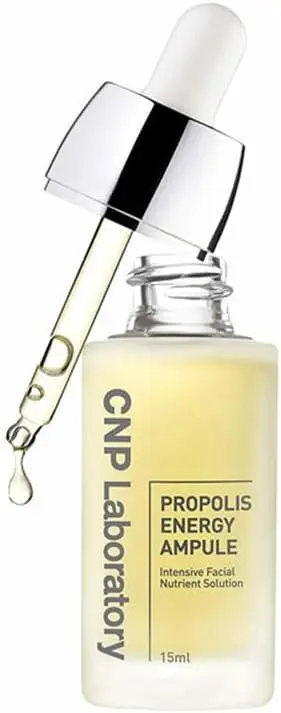
Best for: Dry, dull-looking skin and a dewy finish
A nourishing ampoule for people who enjoy propolis-based skincare and a more luminous finish.
Keep in mind: Avoid propolis products if you have a known sensitivity to bee-derived ingredients.
Check price on Amazon JapanDr. Ci:Labo Enrich-Lift Serum
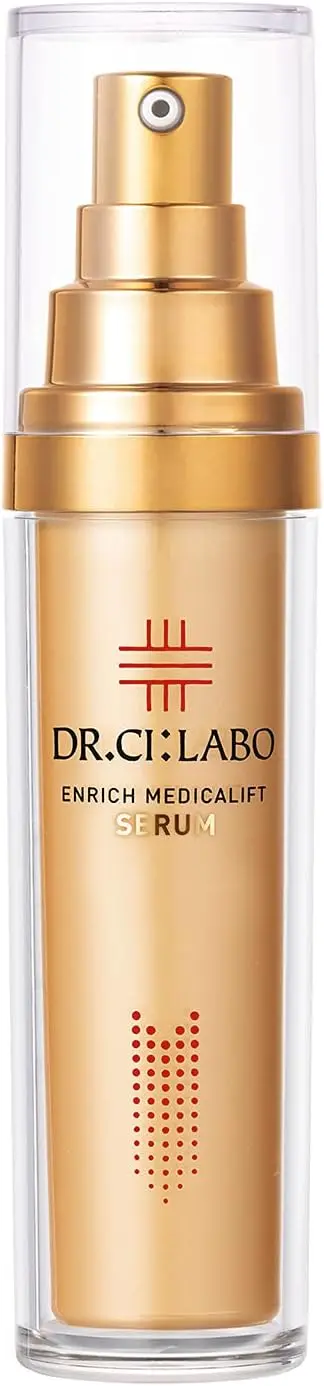
Best for: Mature skin and a moisturized, smoother-looking finish
A Japanese serum aimed at firmness and age-related dryness. It is better understood as a traditional firming serum than a Korean-style booster ampoule.
Keep in mind: Confirm the exact current product name and formula on the retailer page before publishing.
Check price on Amazon JapanObagi Derma Power X Treatment
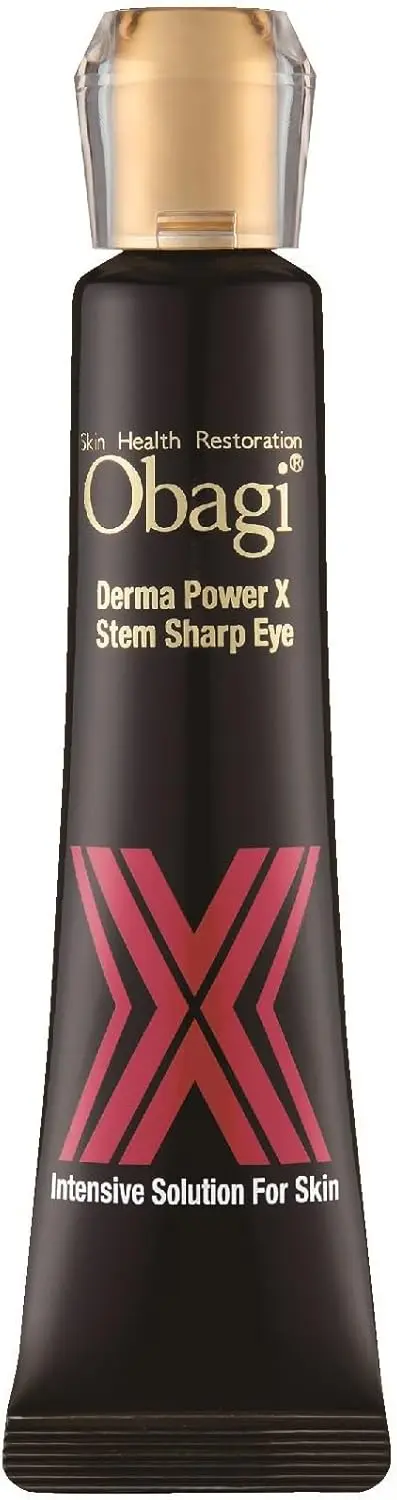
Best for: Dry, mature skin that prefers richer treatment textures
A richer Japanese anti-aging treatment rather than a lightweight booster. It belongs here as an example of how Japanese brands often use different category names for intensive care.
Keep in mind: Avoid specific “stem cell extract” claims unless the current official ingredient list clearly supports them.
Check price on Amazon JapanHow to use a skin booster
- Cleanse your skin and apply toner if you use one.
- Apply the booster from thinnest to thickest texture.
- Follow with another serum only if your skin needs it.
- Finish with moisturizer.
- Use sunscreen every morning.
If the booster already contains several active ingredients, keep the rest of the routine simple. More layers do not always mean better results.
Common questions
Can I use a skin booster every day?
Many hydrating boosters can be used daily. Follow the product directions and reduce use if your skin becomes irritated.
Do I use a booster before or after serum?
Apply products from thinnest to thickest. A watery booster usually goes before a thicker serum, but it can also replace the serum step.
Can a topical booster replace injections?
No. At-home skincare works on the skin surface and cannot reproduce the delivery or effects of an injectable procedure.
Do I really need a separate booster?
No. If your current serum and moisturizer already keep your skin comfortable, a booster may only add another unnecessary layer.
Are PDRN skincare products worth it?
They may be enjoyable hydrating products, but expectations should stay realistic. Topical PDRN cosmetics are not equivalent to injectable PDRN treatments.
The MonoMemo Take
A skin booster is useful when it fills a clear gap usually extra hydration, a lighter treatment layer, or a more comfortable finish.
Do not buy one because it sounds more advanced than a serum. Read the formula, choose for your actual concern, and keep your expectations cosmetic.
This article is for general skincare education and does not replace advice from a dermatologist or licensed medical professional.
Affiliate disclaimer: This post contains affiliate links. MonoMemo may earn a small commission if you purchase through them, at no extra cost to you.
Leave a Reply