
Dark spots that won’t fade, dull skin, or an uneven complexion these are often the reasons we start looking for a vitamin C serum.
But with so many Japanese and Korean options available in Japan, choosing one isn’t always easy. Is 10% enough? Is 25% better? And what about vitamin C powders and capsules?
Let’s look at eight products, what makes them different, and which ones may suit your skin.
Quick Answer: Which Vitamin C Serum Should You Choose?
For a simple 10% pure vitamin C serum, The LOCOSIM is a good option to compare. Abib stands out for its single-use packaging, while DHC offers an alternative to pure vitamin C.
If your skin already tolerates strong vitamin C, consider Obagi C25. If you want vitamin C and niacinamide in one product, Medicube is worth a look.
What Can Vitamin C Do for Your Skin?
Dark Spots
Can help fade certain dark spots, including brown marks left after acne.
Dull Skin
Can help improve uneven skin tone and make skin look brighter over time.
Fine Lines
Supports collagen production and helps protect skin against damage caused by free radicals.
Vitamin C takes time to work. If dark spots are your main concern, wearing sunscreen every day is just as important.
Pure Vitamin C or Vitamin C Derivatives?
Before choosing a serum, check which type of vitamin C it contains. Two products with the same percentage can work quite differently.
Pure Vitamin C
Also called ascorbic acid, this is the most widely studied form of vitamin C. It can be effective, but it breaks down easily when exposed to air, light, and heat. Strong formulas may also irritate sensitive skin.
Vitamin C Derivatives
These are modified forms of vitamin C. Some are more stable and may be easier on the skin. However, their benefits depend on the type used and the overall formula.
Don’t compare percentages alone. A serum with 16% of a vitamin C derivative is not the same as a serum with 16% pure vitamin C.
8 Japanese & Korean Vitamin C Serums Worth Comparing
Each of these products offers something different. Some focus on pure vitamin C, while others combine several ingredients or use special packaging to help keep the formula fresh.
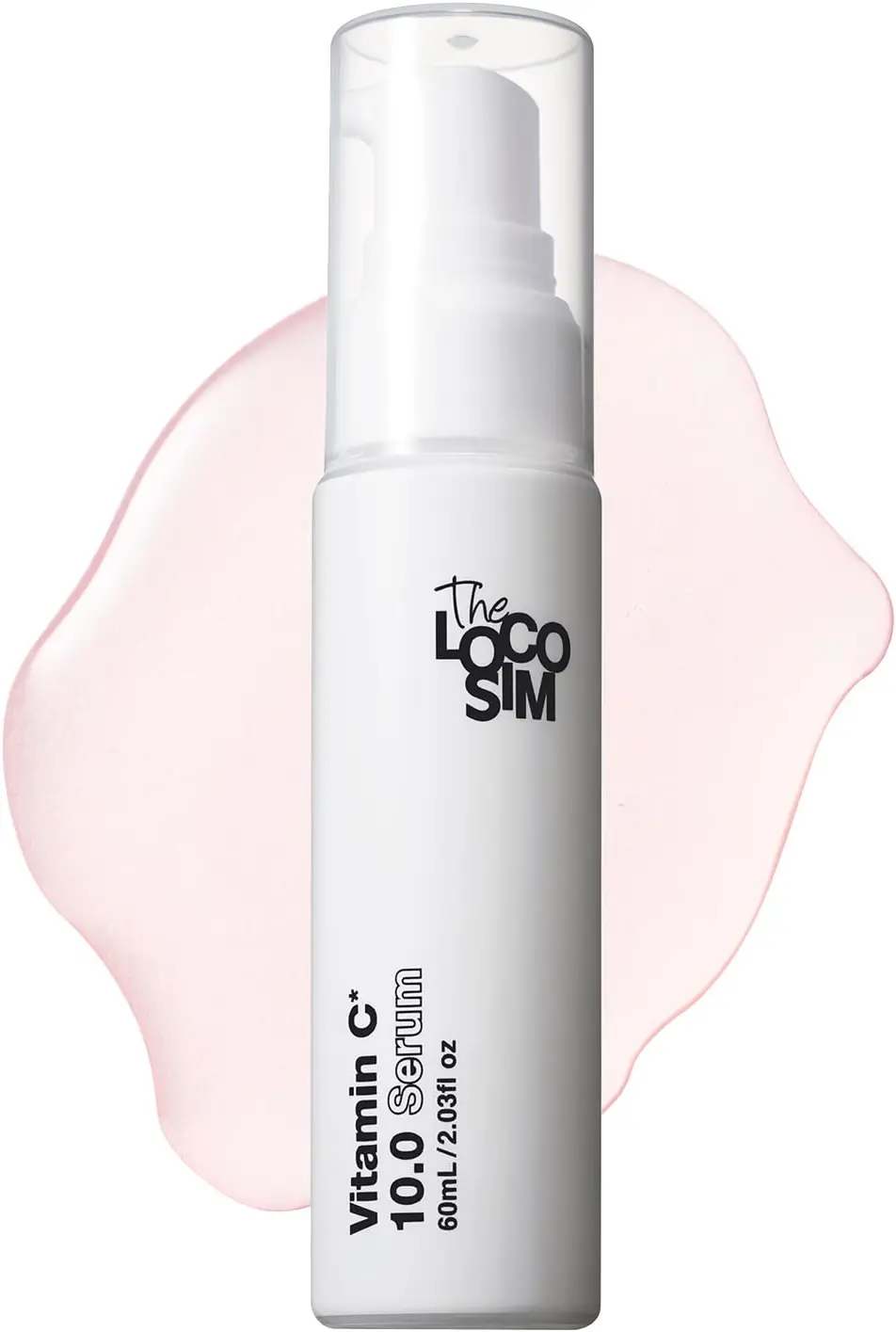
Best for: People looking for a pure vitamin C serum without starting with a very high concentration.
Why this one? The LOCOSIM keeps things simple with 10% pure vitamin C, ferulic acid, glutathione, and panthenol. It also comes in a generous 60ml pump bottle, making it an interesting option for regular use.
Keep in mind: The brand recommends keeping it in the refrigerator after opening and using it within three months. Make sure you can finish the bottle in that time.
👉 Buy on Amazon Japan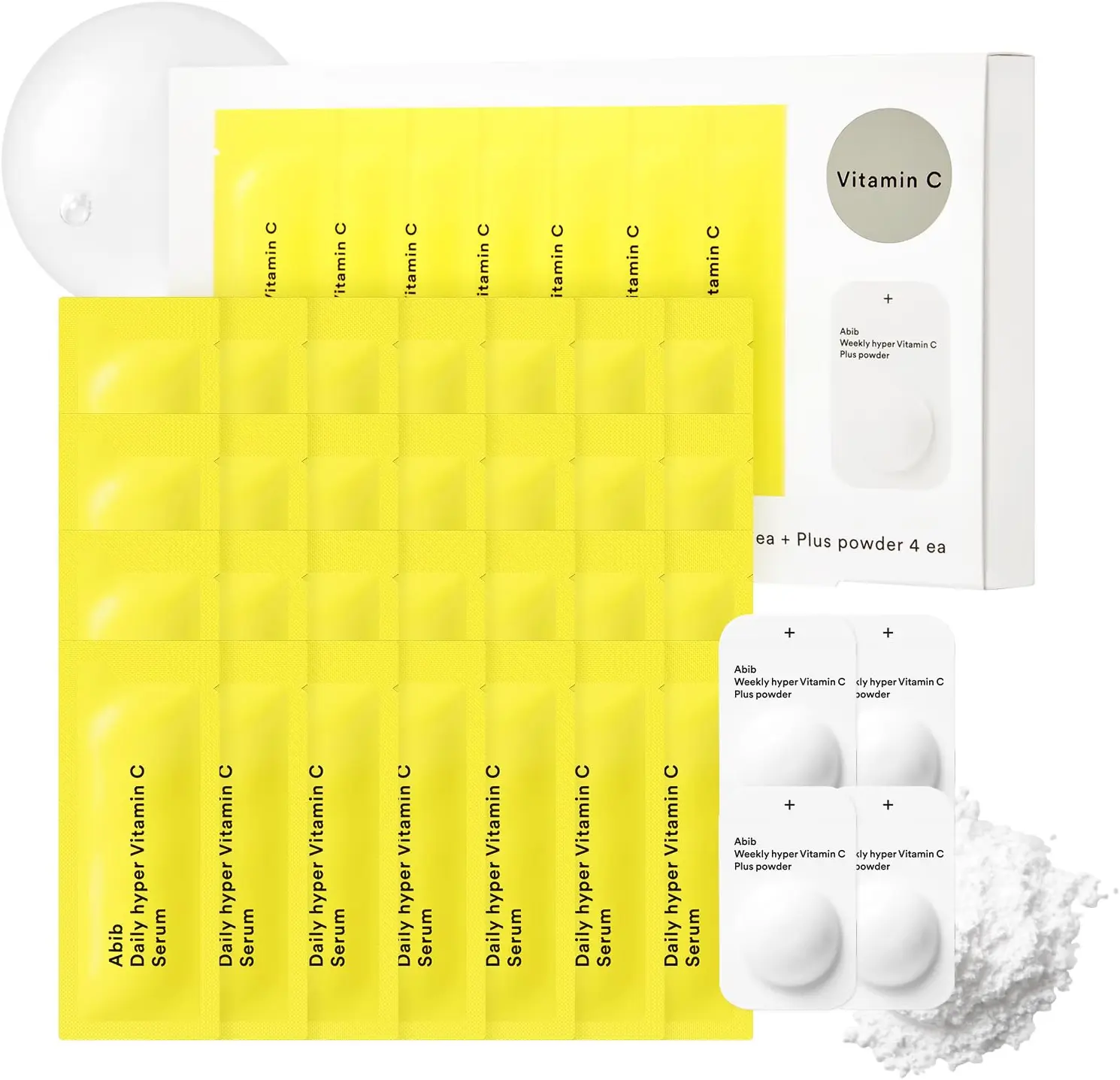
Best for: Anyone worried about their vitamin C serum losing freshness before they finish it.
Why this one? Instead of opening the same bottle every day, Abib gives you 28 individually packed serums and four weekly vitamin C powders. The daily serum contains 10% vitamin C, vitamin E, and ferulic acid. The separate packaging helps limit exposure to air.
Keep in mind: The advertised 80%+ vitamin C refers to the powder before mixing, not what you apply to your skin. It also takes a little more effort than using a regular serum.
👉 Buy on Amazon Japan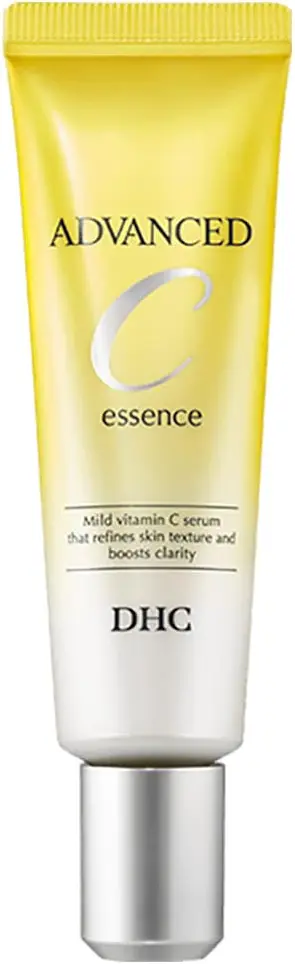
Best for: People who want to try vitamin C derivatives instead of pure vitamin C.
Why this one? DHC uses 16% Bis-Glyceryl Ascorbic Acid, a modified form of vitamin C. It also contains glutathione, glycerin, and vitamin E, combining antioxidant care with moisturizing ingredients.
Keep in mind: There is less research on this specific form of vitamin C than on pure ascorbic acid. It may still irritate some skin types.
👉 Buy on Amazon Japan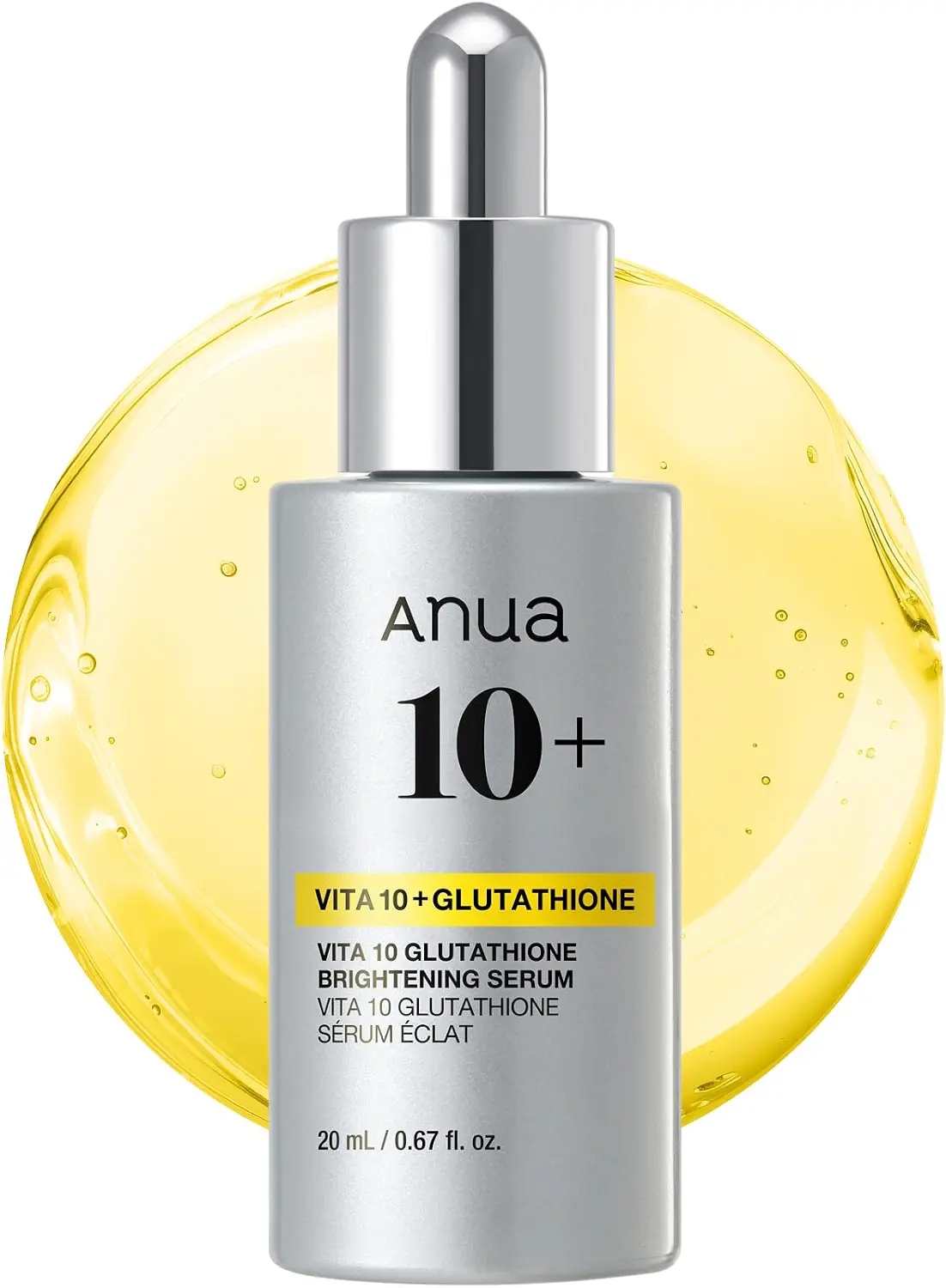
Best for: People concerned about uneven skin tone, dullness, and visible pores.
Why this one? Can’t decide between pure vitamin C and its derivatives? Anua combines both in one serum. Its 10% vitamin C blend offers a different approach to improving skin tone and texture.
Keep in mind: The 10% refers to the combined vitamin C blend, not pure vitamin C alone. It may improve the appearance of pores, but it cannot permanently shrink them.
👉 Buy on Amazon Japan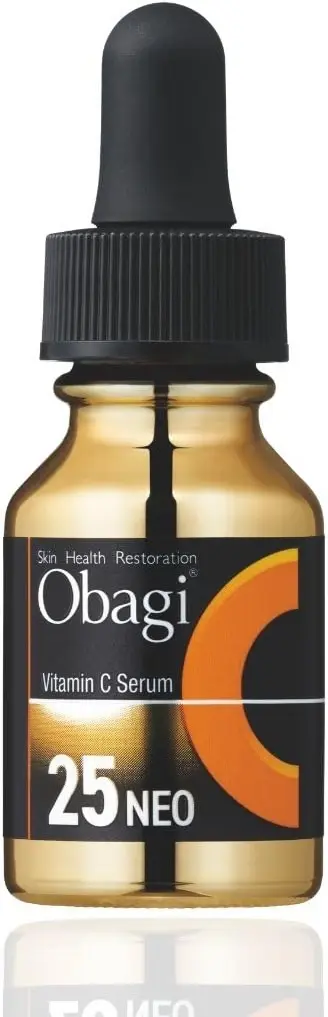
Best for: Experienced vitamin C users looking for a stronger formula.
Why this one? Obagi C25 stands out for its high concentration of pure vitamin C. The formula also contains vitamin E and is designed to address dullness, uneven texture, visible pores, and fine lines.
Keep in mind: This isn’t a serum we would recommend starting with. It can cause irritation, and its higher price makes it worth knowing how well your skin handles vitamin C before buying.
👉 Buy on Amazon Japan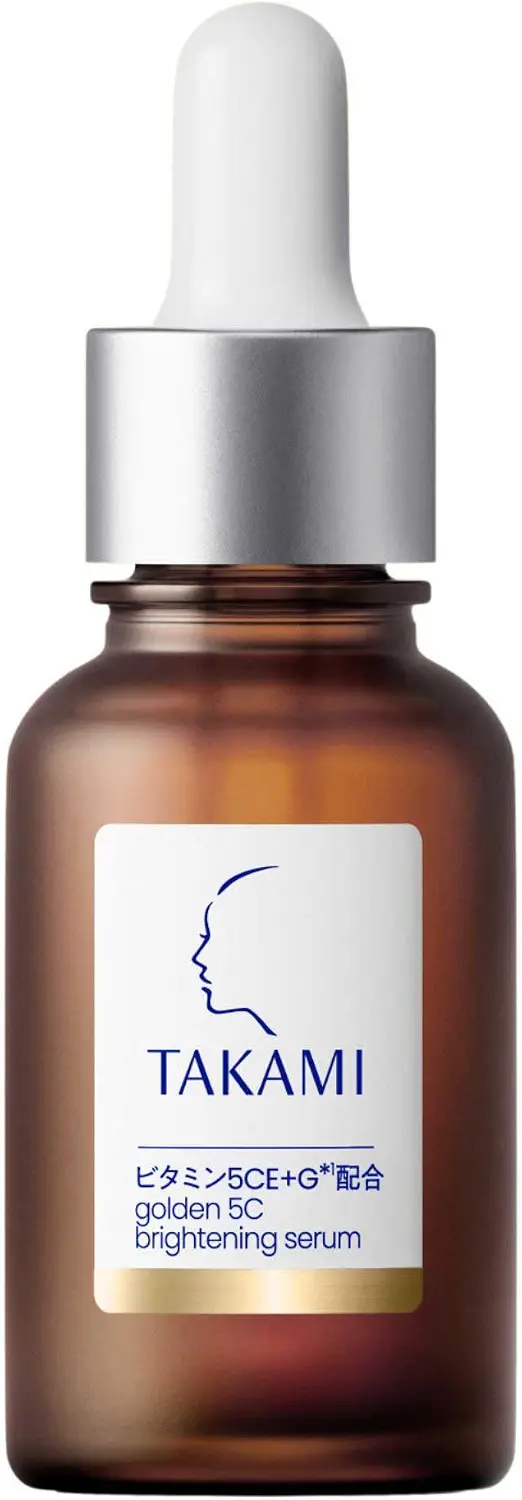
Best for: People looking for a premium Japanese serum for dullness and uneven skin texture.
Why this one? Takami focuses on combining different forms of vitamin C rather than using one very high concentration. It’s an option for those who prefer a formula designed to address several skin concerns.
Keep in mind: The total vitamin C percentage is not confirmed. If you want to know exactly how much vitamin C you’re buying, The LOCOSIM offers clearer information.
👉 Buy on Amazon Japan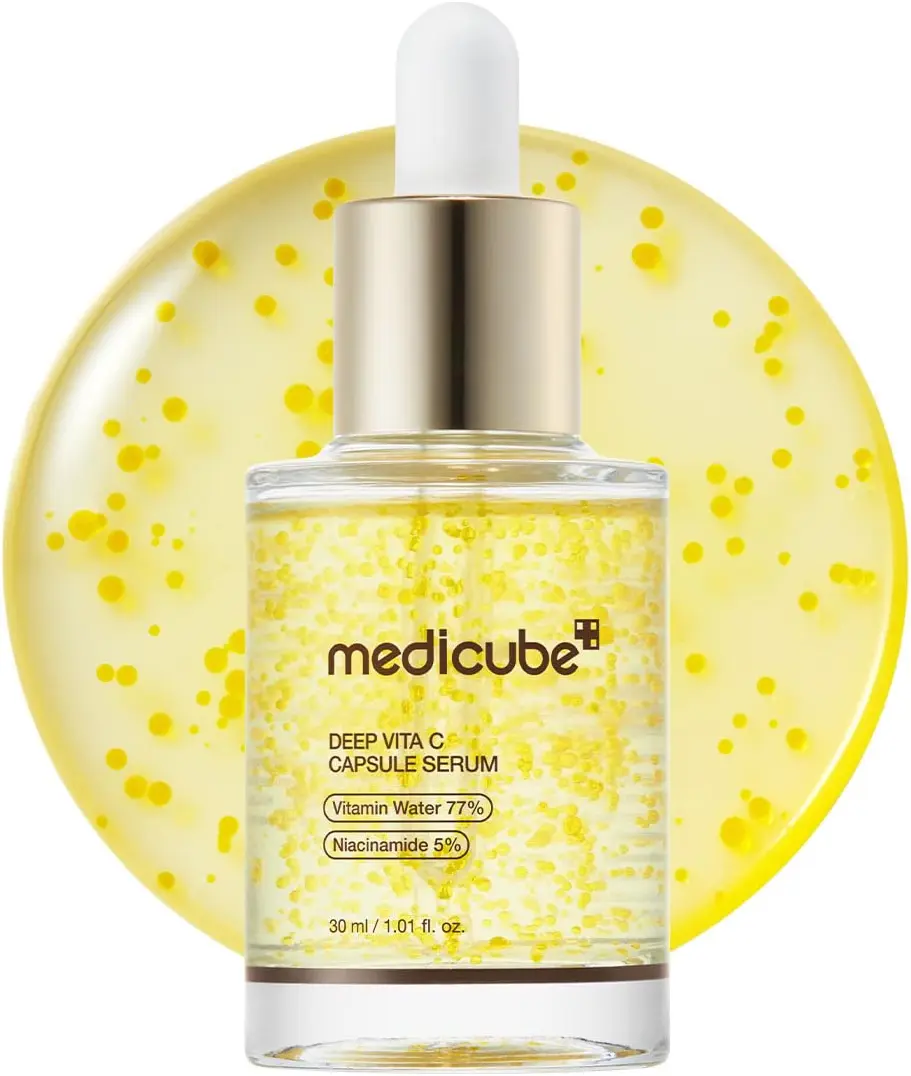
Best for: Anyone who wants vitamin C and niacinamide without buying two separate serums.
Why this one? Beyond its eye-catching capsules, Medicube combines 5% niacinamide, 77% sea buckthorn water, vitamin C, vitamin C derivatives, and glutathione. It’s an interesting choice if dark spots and uneven skin tone are your main concerns.
Keep in mind: The advertised 99% vitamin C refers to the purity of the ingredient, not its amount in the serum. The actual vitamin C percentage is not disclosed.
👉 Buy on Amazon Japan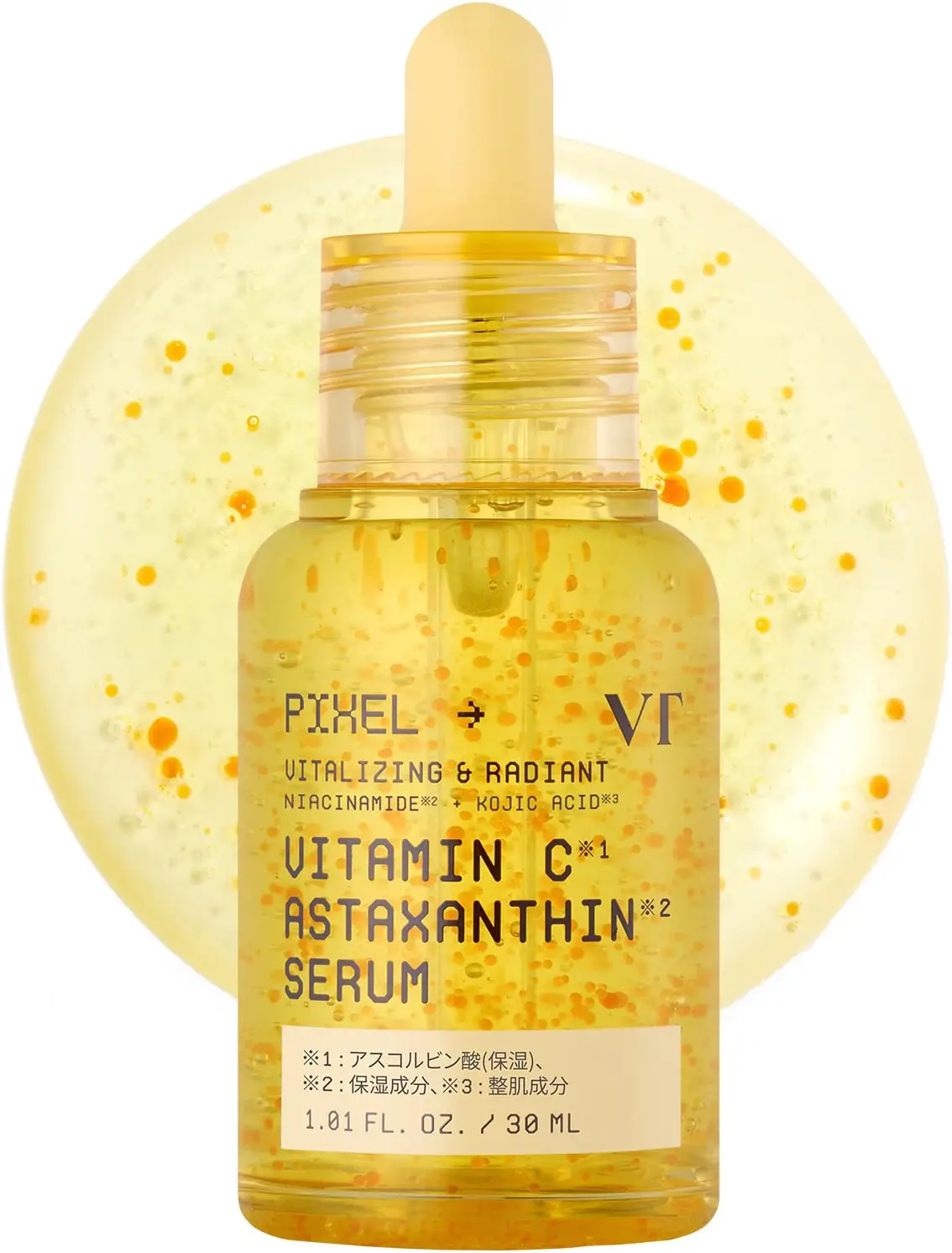
Best for: People looking for a serum with several antioxidant and brightening ingredients.
Why this one? What makes VT different is astaxanthin, an antioxidant that naturally has a reddish-orange color. The formula also includes vitamin C, niacinamide, and kojic acid.
Keep in mind: The vitamin C percentage is not disclosed. The product listing also describes ascorbic acid as an ingredient that helps prevent product oxidation. Think of this as a multi-ingredient serum rather than a strong vitamin C treatment.
👉 Buy on Amazon JapanStill Not Sure Which One to Buy?
Want 10% pure vitamin C? The LOCOSIM.
Worried about your serum losing freshness? Abib.
Prefer vitamin C derivatives? DHC.
Want pure vitamin C and derivatives together? Anua.
Already comfortable with strong vitamin C? Obagi C25.
Looking for a premium Japanese formula? Takami.
Want vitamin C with niacinamide? Medicube.
Interested in other antioxidants too? VT.
How to Use Vitamin C in Your Routine
You don’t need a long skincare routine to get the benefits of vitamin C. Keep it simple.
- Wash your face with a gentle cleanser.
- Apply your vitamin C serum as directed.
- Follow with moisturizer.
- Finish with broad-spectrum sunscreen in the morning.
If you’re new to vitamin C, start two or three times a week. Increase gradually if your skin feels comfortable. Stop using it if you experience ongoing burning or irritation.
Is Your Vitamin C Serum Still Fresh?
Have you ever opened a vitamin C serum and noticed that it became darker over time? Pure vitamin C can break down when exposed to air, light, and heat. This is called oxidation.
A noticeable change from its original color to dark orange or brown may be a sign that the formula is breaking down.
Not every yellow or orange serum has gone bad. Some ingredients naturally have these colors. Always check the product’s storage instructions and recommended period of use after opening.
Frequently Asked Questions
Is Japanese or Korean vitamin C better?
Neither is automatically better. The ingredients, concentration, and packaging are more important than where the product comes from.
Is 10% vitamin C enough?
Yes, 10% pure vitamin C can be a reasonable strength for regular skincare. You don’t need to start with the highest percentage to see benefits.
Can vitamin C completely remove dark spots?
It can help fade certain dark spots, but it may not remove them completely. Some types of pigmentation need professional treatment.
Can I use vitamin C and niacinamide together?
Yes. Both ingredients can be used in the same routine and are often combined in products for uneven skin tone.
Can I use vitamin C with retinol?
Yes. Using vitamin C in the morning and retinol at night is a simple way to use both while managing the risk of irritation.
How long does vitamin C take to work?
Some changes may become noticeable after several weeks. Dark spots often take a few months to improve, depending on the product and your skin.
Should I keep my vitamin C serum in the refrigerator?
Not all vitamin C serums need refrigeration. Check the instructions for your specific product.
The MonoMemo Take
What stands out about these eight products is how differently they approach vitamin C skincare.
The LOCOSIM offers a clear concentration, Abib addresses the problem of freshness, and Medicube combines several ingredients in one serum. Each gives you a different reason to choose it.
Before spending more on vitamin C, think about what your skin actually needs. A higher percentage or a more expensive bottle isn’t always the answer.
Good skincare starts with understanding, not guessing.
Related Reading
Sources & Further Reading
These references explain the role of vitamin C in skincare. They do not establish that one of the featured products works better than another.
- The Roles of Vitamin C in Skin Health — Pullar JM, Carr AC, Vissers MCM. Nutrients, 2017.
- Topical Vitamin C and the Skin: Mechanisms of Action and Clinical Applications — Al-Niaimi F, Chiang NYZ. Journal of Clinical and Aesthetic Dermatology, 2017.
- Topical L-Ascorbic Acid: Percutaneous Absorption Studies — Pinnell SR, et al. Dermatologic Surgery, 2001.
Product comparisons are based on available ingredient lists, packaging, and manufacturer information, not personal testing. Formulas and availability may change. Always check the current product label before purchasing.